2株貝萊斯芽孢桿菌對葡萄幼苗生長及土壤質量的影響
2024-09-20 00:00:00王小月
安徽農業科學
2024年17期
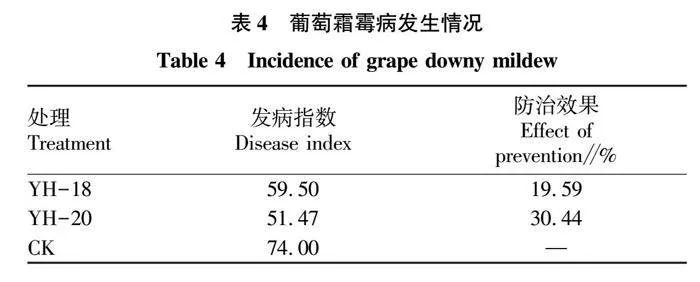
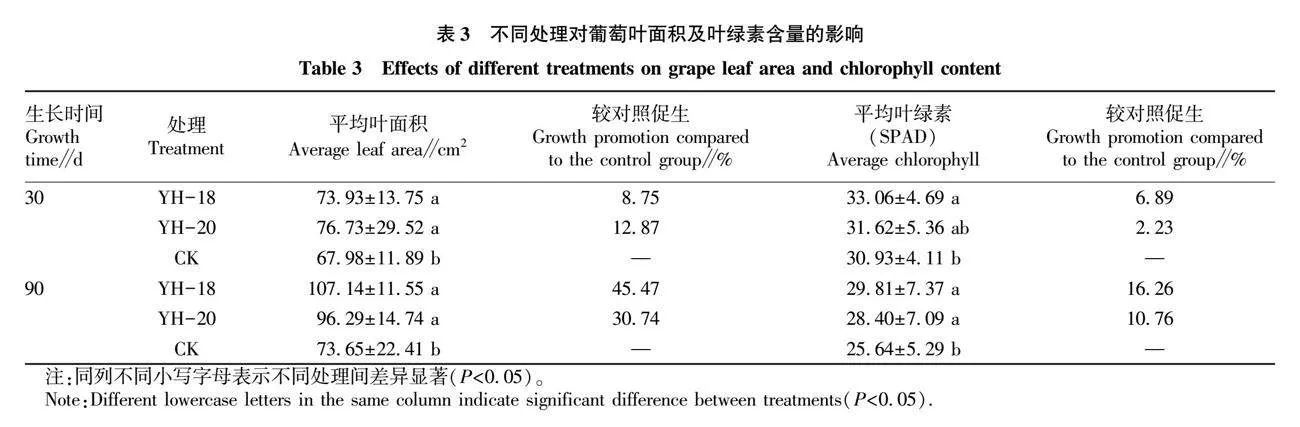
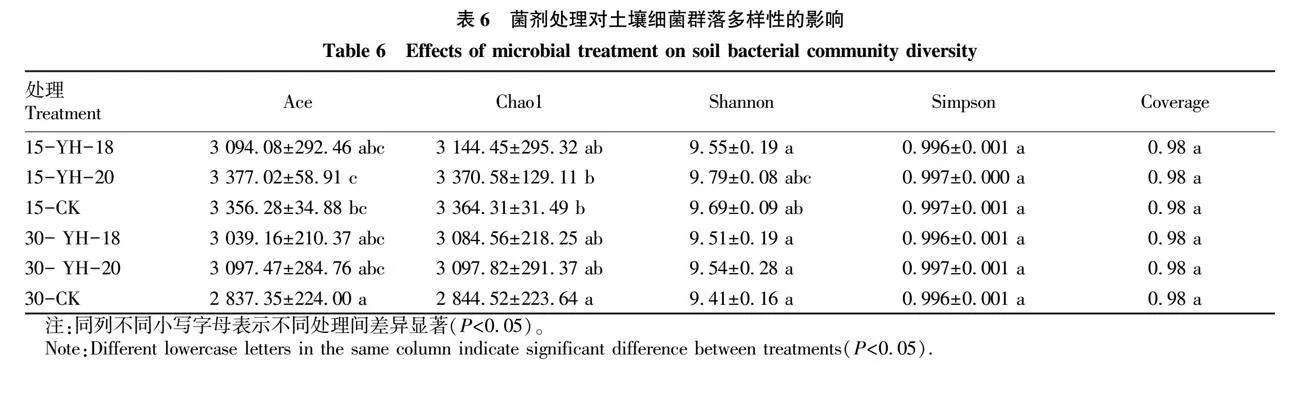
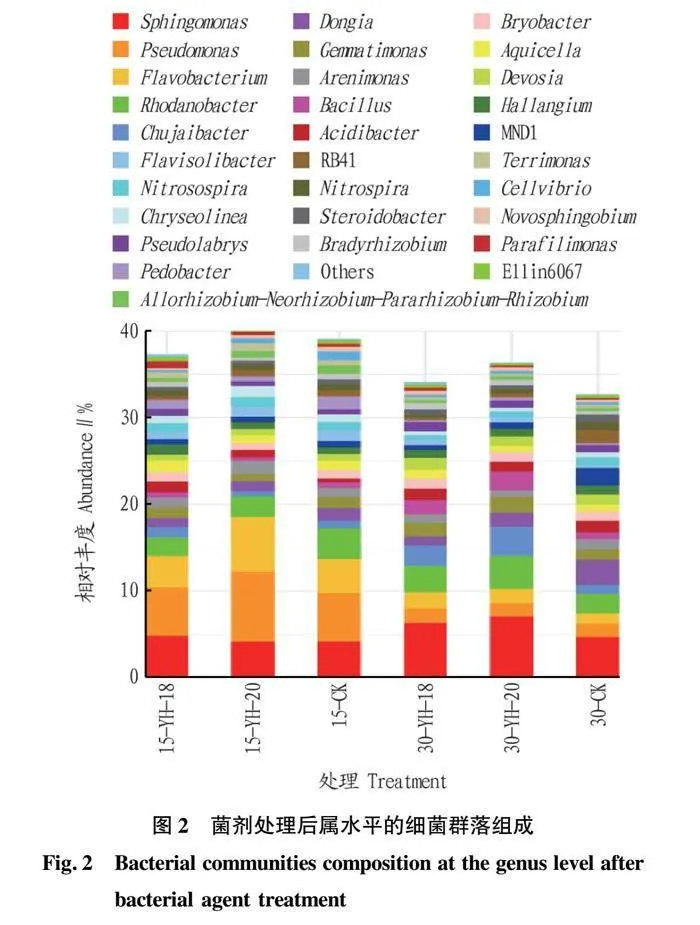
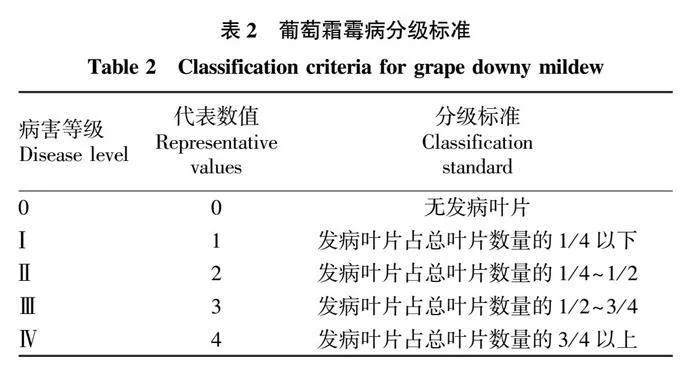
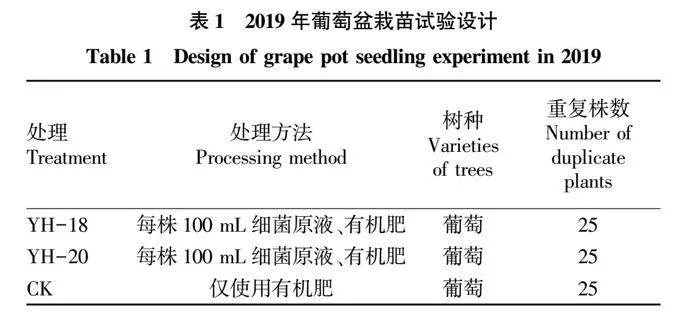
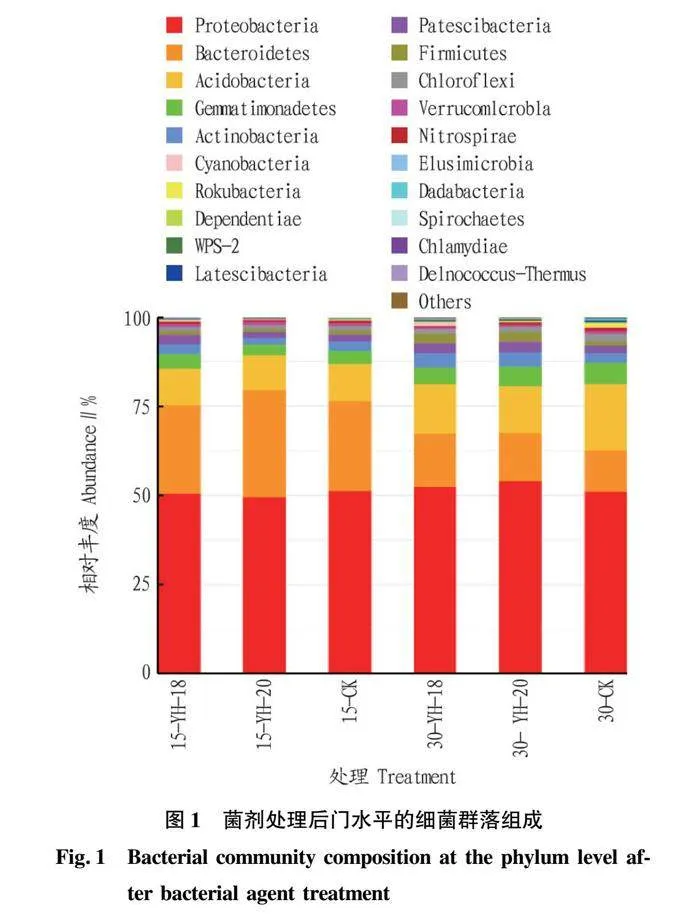
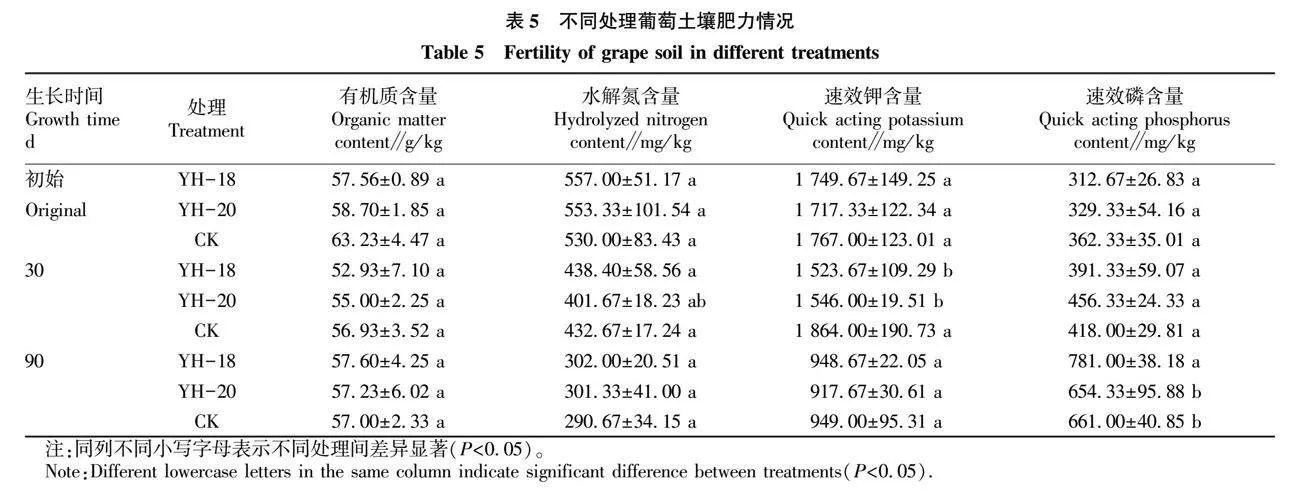
摘要 將貝萊斯芽孢桿菌Bacillus velezensis YH-18及B.velezensis YH-20分別與有機肥攪拌形成混合肥,分別應用到葡萄盆栽苗上。結果表明,2種微生物肥料均能夠提高葡萄葉片的葉綠素含量。葡萄生長30 d后,YH-18、YH-20菌劑處理后葉面積較對照提高了8.75%、12.87%,葉綠素含量較對照提高了6.89%、2.23%;生長90 d 后,YH-18、YH-20菌劑處理后葉面積較對照提高45.47%、30.74%,葉綠素含量較對照提高16.26%、10.76%。YH-20對葡萄霜霉病的防治效果為30.44%,YH-18菌劑處理后防治效果為19.59%。30 d時YH-20比對照土壤中水解氮、速效鉀的含量偏低,可能施肥后加速了植物對養分的吸收。90 d后YH-18菌劑處理能提高土壤速效磷含量,比對照高18.15%。YH-20菌劑處理15 d后Ace指數和Shannon指數增加。2種菌劑處理30 d后Ace指數和Chao1指數顯著增加。在30 d內,YH-18、YH-20、CK處理的根際土壤微生物群落的多樣性和豐富度均呈下降趨勢,但菌劑處理后微生物群落多樣性和豐富度下降幅度遠低于CK處理下降幅度。與對照相比,施用YH-18和YH-20菌劑在葡萄上,YH-18、YH-20在30 d顯著富集了變形菌門、擬桿菌門,YH-20在15 d顯著富集了擬桿菌門。處理15 d后,與對照相比,YH-18富集了鞘脂單孢菌屬Sphingomonas;YH-20富集了假單孢菌屬Pseudomonas、黃桿菌屬Flavobacterium;處理30 d后,YH-18、YH-20均相對富集了鞘脂單孢菌屬、黃桿菌屬等。2種菌劑處理均能夠提高葡萄葉片的葉面積及葉綠素含量,且對葡萄霜霉病有很好的拮抗作用。菌劑處理土壤后有效地延緩了30 d內土壤微生物群落多樣性和豐富度的下降,且處理后形成了新的菌群結構,有助于促進葡萄幼苗的生長。
關鍵詞 貝萊斯芽孢桿菌;葡萄幼苗;土壤養分;土壤微生物
中圖分類號 S182 文獻標識碼 A 文章編號 0517-6611(2024)17-0159-05
doi:10.3969/j.issn.0517-6611.2024.17.037
The Effects of Two Strains of Bacillus velezensis on the Growth of Grape Seedlings and Soil Quality
WANG Xiao-yue
(Shanghai Forestry Station,Shanghai 200072)
Abstract Bacillus velezensis YH-18 and B. velezensis YH-20 was mixed with organic fertilizer to form a mixed fertilizer, which was applied to grape potted seedlings. The results indicated that both types of microbial fertilizers could increase the chlorophyll content of grape leaves. The results showed that after 30 days of grape growth, the leaf area of YH-18 and YH-20 bacterial agents increased by 8.75% and 12.87% compared to the control, and the chlorophyll content increased by 6.89% and 2.23% compared to the control;after 90 days of growth, the leaf area of YH-18 and YH-20 bacterial agents increased by 45.47% and 30.74% compared to the control, and the chlorophyll content increased by 16.26% and 10.76% compared to the control. The control effect of YH-20 on grape downy mildew was 30.44%, and the control effect of YH-18 bacterial agent treatment was 19.59%. At 30 days, the content of hydrolyzed nitrogen and available potassium in YH-20 soil was lower than that in the control soil, which may have accelerated the absorption of nutrients by plants after fertilization. 90 days later, YH-18 bacterial agent treatment could increase the content of soil available phosphorus, which was 18.15% higher than the control. After 15 days of treatment with YH-20 bacterial agent, the Ace index and Shannon index increased. After 30 days of treatment with two bacterial agents, the Ace index and Chao1 index significantly increased. Within 30 days, the diversity and richness of rhizosphere soil microbial communities treated with YH-18, YH-20, and CK showed a decreasing trend, but the decrease in diversity and richness of microbial communities after bacterial treatment was much lower than that of CK treatment. Compared with the control group, when YH-18 and YH-20 bacterial agents were applied to grapes, YH-18 and YH-20 significantly enriched Proteobacteria and Bacteroidetes at 30 days, while YH-20 significantly enriched Bacteroidetes at 15 days. After 15 days of treatment, YH-18 enriched the Sphingomonas genus compared to the control group;YH-20 enriched Pseudomonas and Flavobacterium genera;After 30 days of treatment, YH-18 and YH-20 were relatively enriched in genera such as Sphingomonas and Pseudomonas. Both bacterial treatments could increase the leaf area and chlorophyll content of grape leaves, and had a good antagonistic effect on grape downy mildew. The treatment of soil with microbial agents effectively delayed the decrease in diversity and richness of soil microbial community within 30 days, and formed a new microbial community structure after treatment, which helps promote the growth of grape seedlings.
Key words Bacillus velezensis;Grape seedlings;Soil nutrients;Soil microorganism
基金項目 上海市綠化和市容管理局項目“微生物肥料的研究與應用”(G191208)。……
登錄APP查看全文