油運市場非常道
2012-05-26 05:17:42
中國船檢 2012年10期
本刊記者 邢 丹
油運市場非常道
本刊記者 邢 丹
在國際石油市場上,對于運輸權的控制被石油巨頭們演繹得爐火純青。
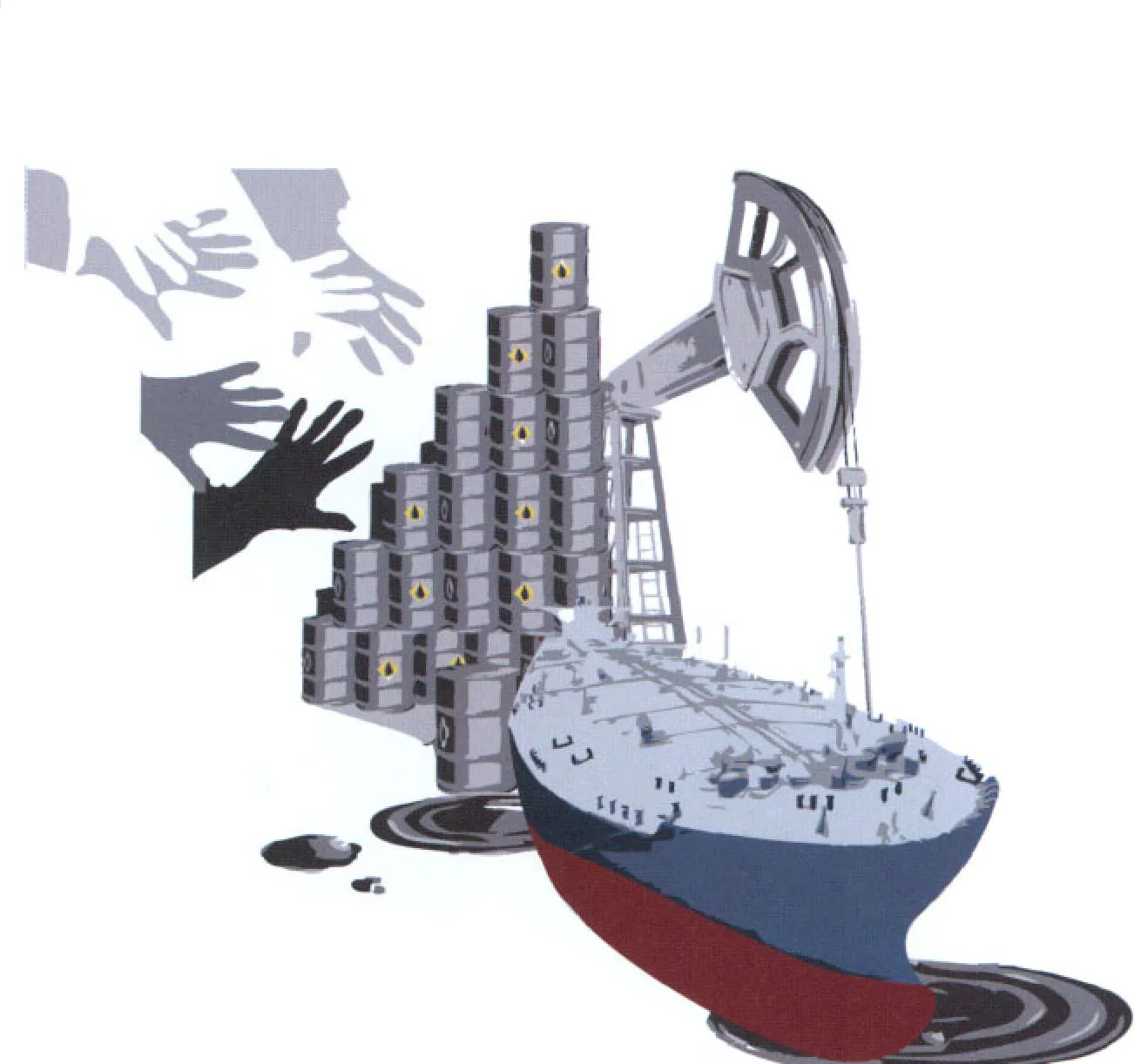
洛克菲勒的得意門徒基辛格曾指出:“如果你控制了石油,你就控制了所有國家”。石油“黑金”帶來的巨大財富猶如誘惑夏娃的禁果,讓利益追逐者欲罷不能。作為“黑金”運輸的戰略要地,國際油輪運輸市場早已是狼煙四起,圍繞話語權的爭奪,高手間你來我往,一招一式,刀光劍影。
石油巨頭技高一籌
一直以來,埃克森美孚、BP、殼牌、雪佛龍、道達爾和康菲六大石油巨頭都是國際油輪運輸市場上當仁不讓的主角,這些石油公司不但占有了世界絕大部分石油資源,而且牢牢控制著國際油運現租市場近四分之一的天下。其中,歐洲石油企業在原油運輸市場的地位非常重要。荷蘭殼牌長期以來一直維持著現租市場最大租家的地位,占市場份額大約7%;英國BP和法國道達爾在2011年的統計數據中分列第三和第七位,市場份額為5%和3%。歐美國家的石油貿易公司在原油運輸市場上占有的份額也不容小覷,如美國的雪佛龍、瑞士石油貿易公司Vitol在現租市場的重要性一直在不斷上升,2011年其市場份額也占到4%。隨著國家石油公司,尤其是“新興市場經濟國家”石油公司的崛起,國際原油運輸市場格局已經開始發生改變,如中國石化、中國石油、巴西國家石油公司(Petrobras)等這些由國家主導的企業,在原油運輸市場占有比例近些年開始迅速攀升,2011年原油船現租市場上,中國石化旗下聯合石化市場占有份額甚至達到7%,超過BP,位居世界第二。
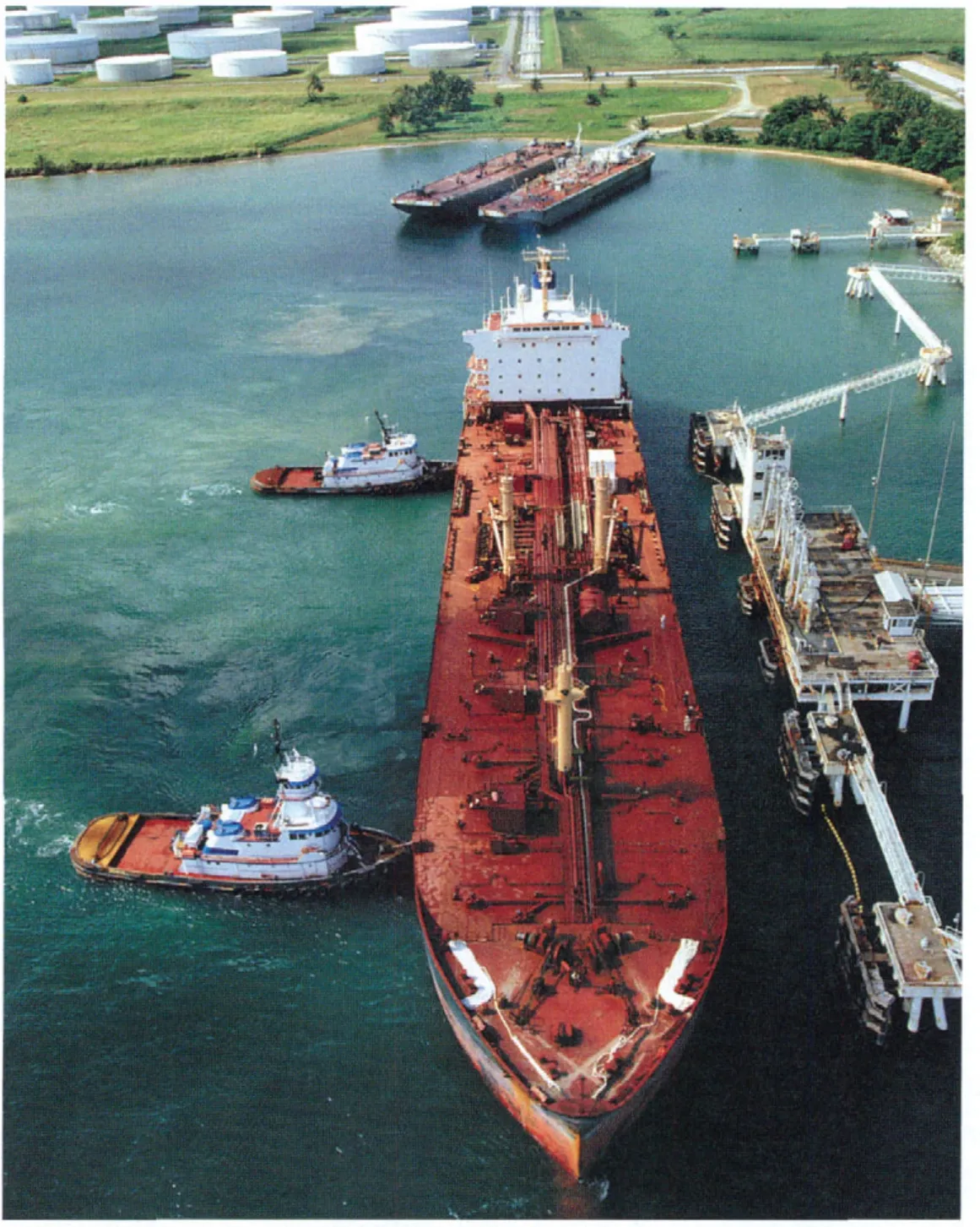
在國際油輪運輸市場上,對于運輸權的控制被石油巨頭們演繹得爐火純青。盡管石油公司自身租船的比例并不高,甚至更多地交給第三方或石油運輸管理公司來運輸,但是這些石油巨頭以先進技術作為資本,話語權作為推手,成立了石油公司國際海事論壇(OCIMF),如同一個高端俱樂部,牢牢控制著海上運輸的管制權。目前,OCIMF已擁有75個成員,每年由世界石油巨頭們輪流主持,這些成員已經囊括了世界各大產油地,擁有星羅棋布的油田、煉油廠和油碼頭,控制著世界上絕大多數的石油開采和貿易,這意味著任何沒有經過OCIMF認可的船舶在國際石油運輸市場上幾乎難以立足。在這里,石油巨頭們通過出臺并推行油輪的管理和安全標準,以保證其貨物在運輸過程中的安全,他們最終決定用誰的船,用什么樣的船,油輪船東必須滿足他們的標準,才可能有資格攬貨。
同時,石油巨頭通過推行油公司檢查,將游戲規則確立為油運企業攬到貨的必要條件,一步步引導油運企業“就范”。據了解,油公司檢查,主要分成兩部分,分別針對船舶和船東。為了實施檢查,石油公司均成立了自己的核查或檢查機構,該機構僅對本公司負責。檢查隊伍由具有豐富航海經驗的船長和輪機長組成,也有在船舶檢驗與造船和海事檢查方面具有豐富經驗的人員參與,經過石油公司規定的培訓合格后,承擔檢查工作。這些檢查機構、檢查人員的資格,不需要任何其他機關認可,完全是公司自己的事情。石油公司檢查要求高,主要表現在受檢船舶即使已具有有效的公約證書和入級證書,并經港口國監督檢查合格,石油公司仍要對停靠其碼頭的船舶進行檢查,還要求滿足石油公司及其行業的要求。應對石油公司檢查的難度大,不僅表現在其所要求范圍廣、標準多,更重要的是,其幾近苛刻的檢查風格。
油運江湖謀勝之道
占據世界上大部分石油資源的石油巨頭憑借技術優勢為油運企業設立一道道高門檻,油運企業只有滿足甚至更好地滿足才能生存,因此處在弱勢一方,始終扮演著游戲規則追隨者的角色,很少有機會參與規則制定,在變幻莫測的石油市場和油運市場中隨波逐流。
據悉,全球各油輪公司及其船舶只有通過了石油公司評審,石油公司才考慮租用。為了讓油運企業有章可循,TMSA應運而生,顯然,這是國際石油巨頭聯手對油輪公司的管理標準制定的“門檻”,是油輪公司獲得國際石油運輸權的準入證,而石油公司就是考官。也就是說,油輪公司獲得TMSA的評級,就會被納入OCIMF成員石油公司的選擇范圍,進入其數據庫的船舶就如同進入了保險箱,特別是在油運市場波谷時期,這些油輪公司就會因為擁有充分的攬貨機會,而具有強大的抗風險能力。與此同時,OCIMF為各油輪公司提供了用于評估自身管理體系等級的導則,各油輪公司向OCIMF提交符合報告,并由其會員石油公司確定最終等級,該等級決定油輪公司是否有資格承運OCIMF會員石油公司的貨物和運費的高低。能通過更高等級的評定,就意味著油輪公司可以賺取到更高的利潤。這些誘惑,盡管讓油輪公司喪失了爭奪運輸權的機會,但是利益上的回報麻痹了絕大部分油輪公司奮起一搏的思想,逆來順受成為他們的選擇,特別是國際航運市場蕭條的大背景,很多油運企業將石油公司視為救命稻草。
當然,在這些油輪公司中,也有一些憑借自身實力,置身事外的國家。大連遠洋運輸公司副總經理李玉平告訴記者,美國和日本是世界上老牌的石油消費大國,他們在保證石油安全方面都下了很大功夫。如日本,最大程度地減少了國際石油公司對它的制約。據了解,早在20年前,日本就將建立自己的船隊列為政府項目,由政府提供建立船隊的資金,運費也不隨市場暴漲暴跌。國家船隊基本不參與國際油運,承擔本國90%以上的石油運輸量,別國很難進入日本油運市場。可以說,日本是“國油國運”政策的典范。他們實行非常有利于本國油輪船隊營運的保護政策,在買造船方面給予補貼和低息貸款,對本國商社租用本國船隊也給予一定程度的稅費減免。據了解,長期以來,日本油輪船隊是通過船公司、銀行、石油公司、造船廠四方合作而發展起來的。日本船公司要建造油輪,首先要與石油公司簽訂一項長期合同,然后銀行才能提供貸款或融資,有了銀行的資金保證,日本船廠才接受油輪建造訂單。在這種發展模式下,日本船公司的油輪船隊幾乎全部以長期期租方式租給石油進口商使用,合同期一般為10~20年。如日本第一大船公司日本郵船(NYK)有近30艘VLCC,其中幾乎全部與日本石油公司簽訂了長期期租合同。同樣是石油消費大國,美國與日本的做法截然不同,他沒有所謂的“國油國運”,進口石油完全依靠國際油輪市場,但這并不意味著美國忽視石油安全,反而其通過充足的石油儲備,以及控制大石油公司,更直接有力地控制著世界石油分配,其強大的海上軍事力量,亦是石油運輸的有力保障。
失衡中的安全至上
國際油輪運輸市場,石油公司一統天下,盡管失衡的話語權讓油輪公司只能被動適應,但不可否認,國際油運市場能發展到今天,油輪運輸強大的安全保障體系,卻也正是依靠石油公司制定的一系列高標準建立起來的。殼牌負責人指出,現在是信息時代,任何一個船公司發生事故都會很快被公眾知道,企業兢兢業業歷經幾十年建立的聲譽,很有可能在朝夕之間就毀于一旦,對于像我們這樣大的石油公司來講,決不能有這樣的事情發生,也不想與任何出事故的船公司發生聯系,更不想有索賠事件發生或對環境造成損害。BP海運公司Andrew Payapan表示認同,認為石油公司應該克服各種困難很好地控制風險,無論是岸上風險還是船上的風險,保證員工在工作環境和操作過程中風險降到最低。現在,BP公司貨物運量只有20%是由自己的船在運輸,20%是租船承運,剩下的市場交給第三方或油運管理公司,有時候現船租用會占到公司貨運量的60%,這就意味著會與很多第三方進行合作。要達到很好地控制風險的目的,必須要有一方具有強有力的主導權,把壓力向下傳遞。石油公司作為賣方,通過與油輪公司簽署一些長期協議,可以最直接地將安全管理要求傳導給油輪公司,進而在油輪運輸過程中很好地控制風險。Andrew Payapan認為,現在BP公司的評估和 TMSA的要求是非常接近的,他們評估的重點包括HSE的表現、實踐調查、航海安全等。在過去12個月中,BP公司在全球進行了54次評估,發現了600多個問題,找出這些問題就是油運安全的保障。
盡管石油巨頭并沒有在“口頭”上強制油輪公司實施TMSA,但是世界各地有一定實力的油輪船隊都遞交了TMSA自評報告。這也是油輪運輸天平上石油公司占有主導地位帶來的良性循環。可以說,TMSA是國際大石油公司和船舶租賃者的需求,同時也是船舶管理公司的需求。
當然,在國際油輪運輸市場上,油輪公司也在千方百計謀求主動,在這種看似不平衡的環境中平衡自身發展的支撐點。目前,在國際油輪市場上,存在兩種油輪船隊運作方式:一是油公司附屬船隊,二是獨立油輪船東,特別是獨立船東已成為油輪市場的主要力量。獨立船東的崛起,促進了船隊規模的大型化和兼并活動的增多,出現了幾家超大型的專業油輪船隊,據中國船舶工業經濟研究中心研究員劉瑋介紹,截止到2012年8月底,全球油輪規模排名前5位的分別是,希臘1.08億載重噸;日本0.46億載重噸;中國0.28億載重噸;挪威0.26億載重噸;美國0.23億載重噸。
為了在油輪運輸市場上能更好地與石油公司對話,一些大的油輪公司正在逐漸形成合力,建立聯合運營體。據悉,已經形成的NAVIG8 POOL,有各種油輪100多艘,其中MR型40艘,HANDY型5艘,LR1型7艘,AFRAMAX型29艘,VLCC5艘,BUNKER型3艘,TECHNICALMANAGEMENT22艘。另外HEIDMAR POOL也有各種船舶100多艘。這些船東正在以一種新的方式與石油公司進行抗衡。
國際油輪運輸市場盡管存在著不平衡,但也正因為如此,弱勢一方才會想盡辦法不斷地尋求平衡,這也是市場能恒久“保鮮”的魅力。
Kissinger, Rockefeller's favorite student, has once pointed out that if you control the oil,you will control all the countries. The great wealth brought about by the “black gold” of oil is like the forbidden fruit tempting Eve that makes interest pursuers find it difficult to resist. As the strategic battlefield for “black gold” transport, the international tanker transportation market has become a place fi lled with flames of war where all countries are sparing no effort to fi ght for the power of decision.
Oil Giant Takes an Edge
Exxon Mobil, BP, Shell, Chevron, Total and Conocophillips have always been the unchallengeable leading players in the international tanker transportation market which occupy most of the world’s petroleum resources and firmly control a quarter of international tanker transportation market.Although these oil giants don’t have high charter rate or most of the times even entrust a third party or oil transportation management companies to transport oil, they have established OCIMF taking advantage of their advanced technologies and their decision powers. OCIMF is like a high-end club that takes firm control over the administration power of marine transportation. By far OCIMF has included the major oil producers all over the world as its members, and it has oilf i elds, ref i neries and wharfs scattered all over the world, controlling most of the oil exploitation and trade in the world.Within OCIMF, the oil giants introduce and produce the management and safety standards for tankers to ensure safe transport of their cargo. They have the fi nal say as to whose ships and what type of ships to use and tanker owners have to comply with their standards before being qualif i ed to be carriers.
Secret for Success in Tanker Transportation Market
Using their technical advantages, oil giants owning most of the world's oil resources set one after another threshold for tanker transportation companies so that transportation companies have to meet or exceed their requirements to survive. Parties in a disadvantageous position always play the role of rule followers who rarely have a part in regulation making but have to go along with the stream in the unpredictable oil market and tanker transportation market. It is reported that oil giants only give consideration to tanker companies and ships that have been approved by oil companies. This temptation deprives the tanker companies their opportunity to strive for transportation right, but the beneficial returns also numb most of the tanker companies and they do not revolt and choose to bite the bullet. Especially against the general background of the sluggish international shipping market, many tanker companies see oil companies as the life-saving straw. Of course, there are some tanker companies that are strong enough and are not involved in this. For instance, Japan will make the establishment of its own fl eet as the government project.The government will provide the fund to establish the fl eet and the freight will not fl uctuate with the market. The state fl eet will barely engage in international oil transport but will undertake over 90% of domestic oil transport so that other countries will find it difficult to enter the Japanese tanker market. It can be said that Japan is a typical example of the policy of “domestic oil transported by domestic fl eet”.
Safety-oriented Imbalance
The oil companies govern the international tanker transportation market. Although the imbalanced decision power puts tanker companies in a passive position,it can not be denied that the current achievements of the international tanker market derive from the potent security guarantee system established by a parade of high standards made by oil companies. The oil companies are now working with many third parties.To achieve satisfactory risk control, there must be one party that enjoys powerful and dominant right and pass down the pressure. As the seller, oil companies pass directly the safety management requirements to tanker companies by signing long-term agreements with them and thereby exert good control of risk during the course of transport. In international tanker transportation market,tanker companies are understandably doing their utmost to take an initiative and seek the pillar for balanced development in this apparently imbalanced context. By far there have been a couple of oversized professional fl eets in the international tanker market and large-scale tanker companies are gradually joining hands to set up joint operators. It is reported that the established NAVIG8 POOL has over 100 tankers and HEIDMAR POOL has over 100 tankers of all varieties too. These owners are fi ghting against oil companies with a new approach.
Despite the imbalance in the international tanker transportation market, the disadvantaged are trying their utmost to seek the balance, and it is because of this that makes the charm of the market forever fresh.
Market Motto of Oil Transport
Reporter Xing Dan