從閱讀之宏觀到詞匯之微觀
2017-06-09 01:30:38張煒
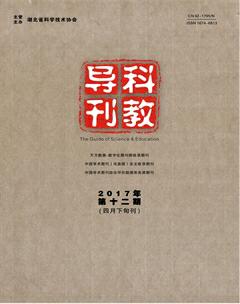
科教導(dǎo)刊
2017年12期
張煒
摘 要 高中階段的詞匯與閱讀教學(xué)一般都是通過培養(yǎng)學(xué)生識記和理解詞匯的能力,提高學(xué)生對語義的判斷和猜測能力,進(jìn)而提高學(xué)生對于語篇結(jié)構(gòu)的分析能力,以及獲取、處理和應(yīng)用信息的能力。也就是說,我們對于詞匯與閱讀教學(xué)的處理大多都是從詞匯到閱讀,從微觀到宏觀。通過對一篇閱讀材料的課堂教學(xué)實(shí)例分析,本文試從一個(gè)相反的方向,即從宏觀到微觀,從閱讀到詞匯,來探索閱讀課堂中的閱讀與詞匯教學(xué)策略。
關(guān)鍵詞 閱讀教學(xué) 詞匯教學(xué) 教學(xué)模式
中圖分類號:G424 文獻(xiàn)標(biāo)識碼:A DOI:10.16400/j.cnki.kjdkx.2017.04.063
From the Macro of Reading to the Micro of Vocabulary
——Reading and Vocabulary Teaching in Reading Class in Senior High School
ZHANG Wei
(Jiangsu Province Changshu High School, Changshu, Jiangsu 215500)
Abstract Vocabulary and reading teaching in senior high school is generally through the cultivation of students' ability to understand and memorize vocabulary, improve the student of semantic judgment and speculation ability, and to improve the students' ability to analyze the discourse structure, and the ability of acquiring, processing and application of information. That is to say, we deal with vocabulary and reading teaching mostly from vocabulary to reading, from micro to macro. Through the analysis of a class of reading materials in the classroom teaching, this paper tries to explore the reading and vocabulary teaching strategies in the reading class from the opposite direction, from macro to micro, from reading to vocabulary.
Key words reading teaching; vocabulary teaching; teaching mode
1 宏觀:閱讀策略
1.1 PWP教學(xué)模式
目前使用較為廣泛的PWP教學(xué)模式將閱讀教學(xué)分為三段:pre-reading,while-reading和post-reading。在讀前階段,教師進(jìn)行閱讀相關(guān)的詞匯、語法和句法等的教學(xué),從細(xì)處著手為閱讀活動(dòng)作準(zhǔn)備;在讀中階段,教師組織學(xué)生參與各種閱讀活動(dòng),訓(xùn)練閱讀技能,使學(xué)生從整體上理解閱讀材料;在讀后階段,教師依據(jù)閱讀內(nèi)容展開評價(jià)和應(yīng)用性活動(dòng),鞏固學(xué)生從材料中所學(xué)內(nèi)容,并做輸出練習(xí)。PWP教學(xué)模式是一種從微觀到宏觀的教學(xué)模式。通過對詞匯語法等的細(xì)節(jié)處理,進(jìn)而使學(xué)生能夠從整體上把握閱讀材料。
然而,高中學(xué)生已經(jīng)積累了一定程度的詞匯和語法基礎(chǔ),所欠缺的是把握閱讀材料整體的宏觀策略與技能。PWP模式雖然也在讀中階段進(jìn)行了宏觀的訓(xùn)練,但是讀前階段的微觀處理仍會給學(xué)生帶來一個(gè)由微觀入手的導(dǎo)向,致使學(xué)生在閱讀中關(guān)注細(xì)節(jié)而忽略整體,最終無法完成閱讀任務(wù),難以掌握正確的閱讀策略。……
登錄APP查看全文
猜你喜歡
少男少女·教育管理(2022年3期)2022-05-12 23:54:31
考試周刊(2016年84期)2016-11-11 23:24:32
課程教育研究·學(xué)法教法研究(2016年21期)2016-10-20 19:44:43
考試周刊(2016年76期)2016-10-09 08:23:04
新課程研究(2016年21期)2016-02-28 19:28:26
學(xué)習(xí)月刊(2015年18期)2015-07-09 05:41:22
理科考試研究·高中(2014年8期)2014-10-17 23:15:45
散文百家(2014年11期)2014-08-21 07:16:12
散文百家(2014年11期)2014-08-21 07:16:08
語文知識(2014年9期)2014-02-28 22:00:49