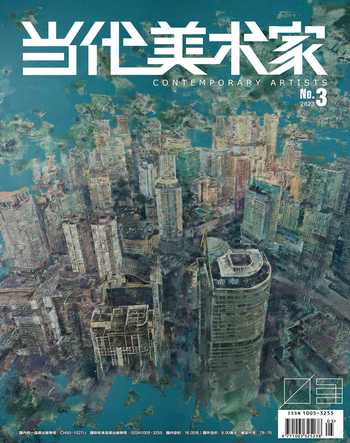
算法賦能: 人工智能藝術(shù)創(chuàng)作力的“生成圖譜”及意義
2023-06-11 21:45:32孫婧
當代美術(shù)家
2023年3期


摘要:人工智能藝術(shù)是一個新的藝術(shù)場域,它遵守的藝術(shù)創(chuàng)作原則與傳統(tǒng)藝術(shù)原則不同。以人工智能算法為代表,展現(xiàn)出多元創(chuàng)作能力的復雜性。本文對人工智能藝術(shù)進行梳理和辨析,嘗試從以下三個方面展開:一、人工智能藝術(shù)在媒介實踐中的出場;二、人工智能藝術(shù)對技術(shù)與藝術(shù)的雙重拓展;三、人工智能如何生成藝術(shù)創(chuàng)作力。以此為基礎,人工智能藝術(shù)直接將算法轉(zhuǎn)化為創(chuàng)作功能,開啟了人類新型的審美判斷,這不僅標志著人工智能藝術(shù)獨特的美學運作方式的轉(zhuǎn)向,更重要的是,它意味著媒介實踐為算法技術(shù)賦予了藝術(shù)形態(tài)、文化品格。
關(guān)鍵詞:算法,人工智能藝術(shù),藝術(shù)創(chuàng)作力,生成圖譜
Abstract: Artificial intelligence art is a new art field, it complies with the principles of artistic creation and traditional principles of art. Represented by artificial intelligence algorithm, it shows the complexity of multiple creative abilities. This paper combs and distinguishes the art of artificial intelligence, and tries to expand it from the following three aspects: first, the appearance of artificial intelligence art in media practice; sceond, the double expansion of artificial intelligence art to technology and art; third, how artificial intelligence generates artistic creativity. Based on this, artificial intelligence art directly transforms algorithms into creative functions, which opens a new type of aesthetic judgment of human beings. This not only marks the turn of the unique aesthetic operation mode of artificial intelligence art, but more importantly, it means that media practice gives artistic form and cultural character to algorithm technology.
Keywords: algorithm, the art of artificial intelligence, artistic creativity, generation map
自現(xiàn)代派藝術(shù)興起,關(guān)于藝術(shù)的定義就不斷游移。在各種對藝術(shù)進行鑒別、界定和理論爭斗的過程中可以發(fā)現(xiàn),技術(shù)與藝術(shù)之間存在著難以分割的關(guān)系。圖靈(Turing, A. M.)早在《計算機器與智能》的開篇就提出過“機器能否思考?”的問題,也宣布了人工智能(AI)時代的到來。大數(shù)據(jù)、芯片和算法成為人工智能應用的三大背景。應用智能學習算法,人工智能通過大數(shù)據(jù)剖析和機器學習來改善系統(tǒng)自身的性能,企圖理解智能的本質(zhì),并創(chuàng)造出一種新的能夠?qū)θ祟愔悄茏龀鲱愃品磻闹悄軝C器,處理包括言語辨認、圖像識別和專家處置等智慧“容器”信息。人工智能算法的不斷進化,呈現(xiàn)出更深入的認識論層面的思考——人工智能是否能夠進行藝術(shù)創(chuàng)作?成為人類場景下的質(zhì)詢,并日漸顯露出藝術(shù)的實踐本性。……
登錄APP查看全文