
基于DEB理論的皺紋盤鮑個體生長模型參數的測定*
2020-09-27 06:42:12段嬌陽陳四清蔣增杰常麗榮盧龍飛
漁業科學進展 2020年5期
段嬌陽 劉 慧 陳四清 蔣增杰 藺 凡 常麗榮 盧龍飛
基于DEB理論的皺紋盤鮑個體生長模型參數的測定*
段嬌陽1,2劉 慧2①陳四清2蔣增杰2藺 凡2常麗榮3盧龍飛3
(1. 上海海洋大學水產科學國家級實驗教學示范中心 水產動物遺傳育種中心上海市協同創新中心 上海水產養殖工程技術研究中心 上海 201306;2. 中國水產科學研究院黃海水產研究所 農業農村部海洋漁業可持續發展重點實驗室 青島 266071;3. 威海長青海洋科技股份有限公司 榮成 264316)
皺紋盤鮑;DEB理論;模型參數
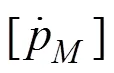
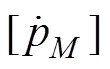
動態能量收支(Dynamic energy budget, DEB)理論是Kooijman(1986)基于原則提出的,描述生物攝食同化的能量一部分()用于維持身體結構生長,另一部分(1–)用于性腺成熟和繁殖儲備(Kooijman, 2000)。依據DEB理論而建立的個體生長模型,又稱動態能量收支模型、DEB模型,不僅能夠量化能量在整個生物生活史階段的分配情況(Sousa, 2010; Ren, 2001;Kooijman, 2010),而且能夠模擬生物在一段時期內的生長狀況。DEB理論的關鍵是基于物種之間代謝的相似性,且都遵循原則。DEB模型是參數化模型,原則上相同的基礎模型結構可用于所有的生物物種,模型表現出的物種在生命史上的差異主要是由于DEB參數集合的差異(Sousa, 2006)。因此,參數對于DEB模型的構建十分重要,參數越準確,模型的擬合效果越好(Ren, 2008; 張繼紅等, 2016)。目前,DEB模型已成功應用于水產養殖,包括魚類(Orestis, 2019)、貝類(Bourlès, 2009)、大型海藻(蔡碧瑩等, 2019)和海參(Ren, 2016)等。
1 材料與方法
1.1 實驗材料
選取殼長為(5.91±0.26) cm的皺紋盤鮑用于饑餓實驗。選取不同規格[分為3組:a組殼長為(2.37± 0.18) cm,b組為(4.65±0.11) cm,c組為(6.21±0.51) cm]分別用于溫度對耗氧的影響實驗和生物學測量。樣品均取自山東省榮成市尋山集團。皺紋盤鮑去掉表層附著物之后置于實驗室水槽中24 h充氣暫養,暫養水溫為(18±1)℃,鹽度為30,暫養3 d,成活率穩定后開始正式實驗。
實驗于2018年9月~10月初、10月底~12月在威海長青海洋科技股份有限公司國家海產貝類研究中心實驗室進行。
1.2 實驗方法




1.2.2 單位干重耗氧率的影響 將暫養的3種規格的皺紋盤鮑分為5組,每組5只,由室溫18℃逐步升溫或降溫至5℃、10℃、15℃、20℃和25℃5個溫度梯度,防止皺紋盤鮑因溫度驟變不適應而死亡。溶解氧采用碘量法測定,耗氧實驗進行1~2 h,在密閉的呼吸室中測定初始和終末耗氧率(DO),并測定鮑的軟組織干重(DW)。

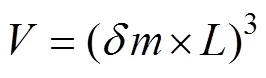
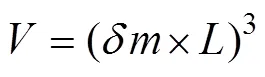
1.2.3 生物學測定 取100只不同規格的鮑測定其生物學參數,包括殼長()、總濕重()、軟組織濕重(WW)及軟組織干重(DW)。殼長用游標卡尺(精度0.01 mm)測量;重量采用電子天平(精度0.01 g)稱量。體積()通常較難測量,一般根據軟組織濕重和密度(1.1 g/cm3)的乘積得到(Sablani, 2004)。

1.3 數據分析
實驗結果運用Excel 2016進行數據統計與線性回歸估計并作圖;采用SPSS 22.0分析軟件進行單因素方差分析(One-way ANOVA)得到標準差,最終結果以平均值±標準差(Mean±SD)表示。
2 結果
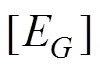
實驗共進行35 d,期間不投喂。隨著饑餓時間延長,皺紋盤鮑軟組織干重和耗氧率逐漸降低。鮑呼吸耗氧率由最初2.69 mg/(ind.?h)逐漸下降,到第30天左右逐漸穩定在0.8 mg/(ind.?h) (圖1),軟組織干重由(5.21±0.89) g降低至(3.84±0.22) g(圖2),并基本保持恒定。軟組織干重和呼吸耗氧率較初始值下降26.3%和70%,皺紋盤鮑軟組織有機物含量從80%降到58% (表1)。
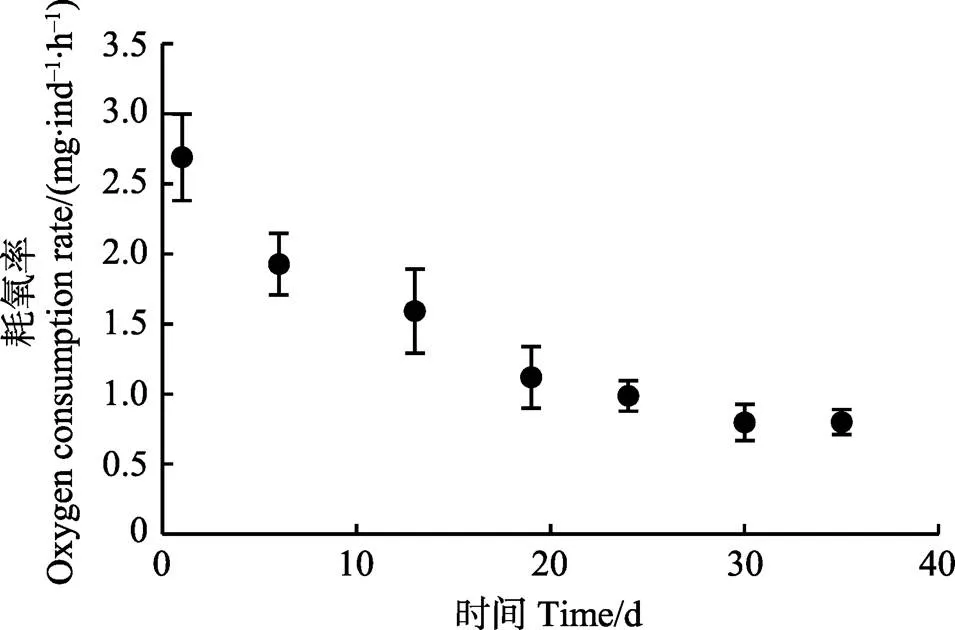
圖1 皺紋盤鮑耗氧率隨饑餓時間的變化情況
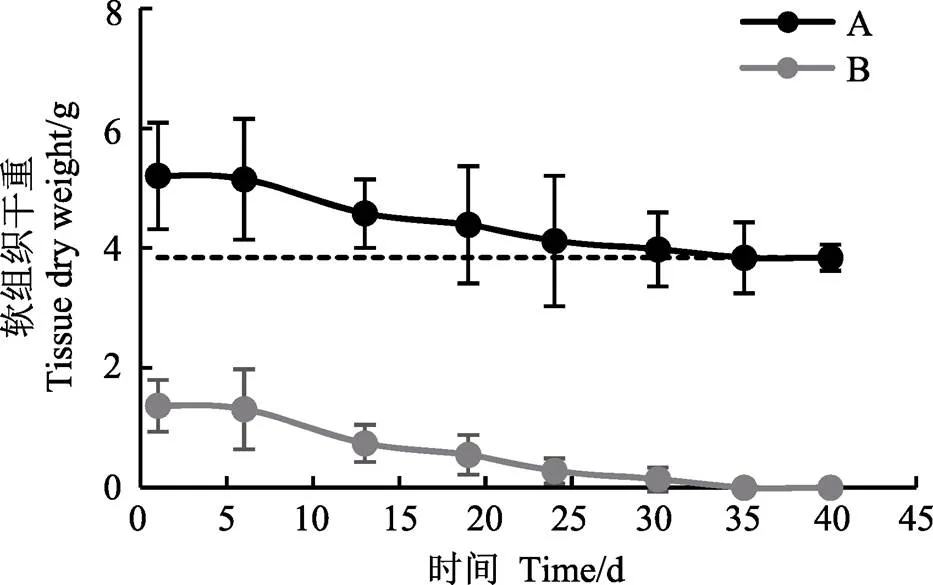
圖2 皺紋盤鮑軟組織干重(A)和存儲物質(B)隨饑餓時間變化情況
表1 饑餓實驗相關參數計算值
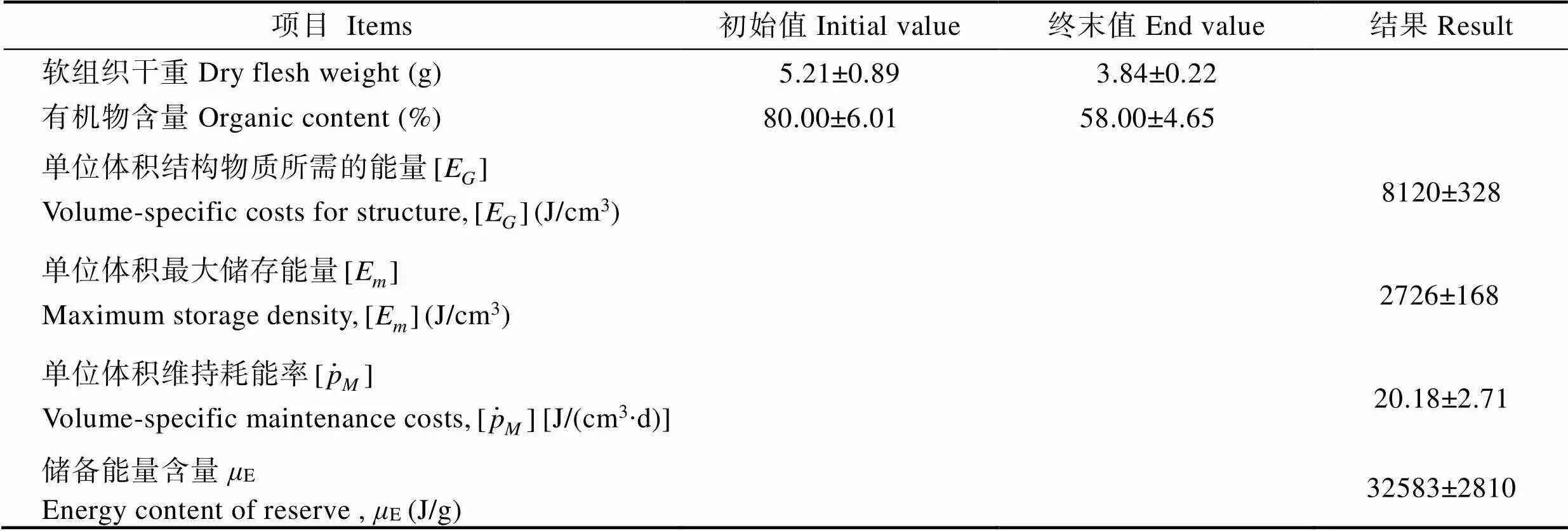
Tab.1 Parameter calculation value related to the starvation experiment
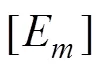
2.2 Arrhenius溫度的值

表2 3組皺紋盤鮑生物學特征
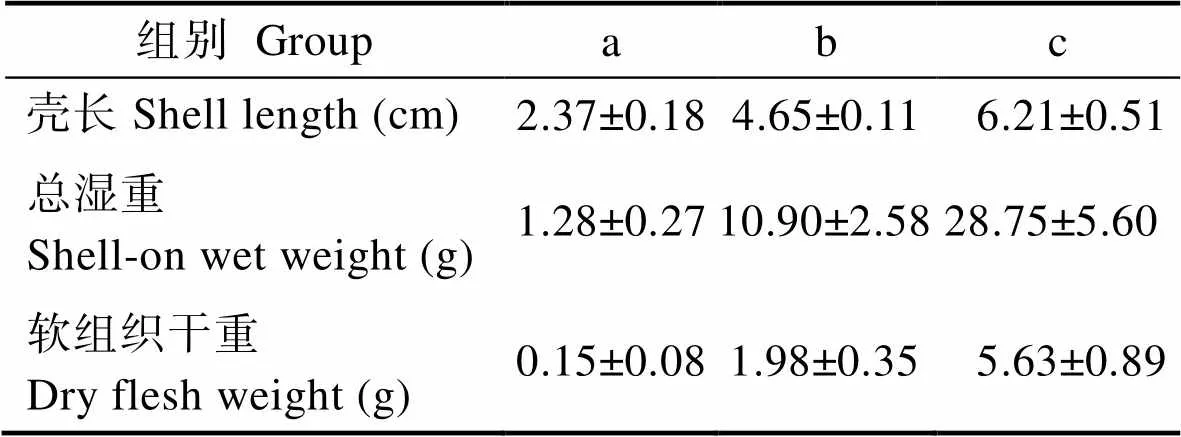
Tab.2 Biological characteristics of three groups of H. discus hannai
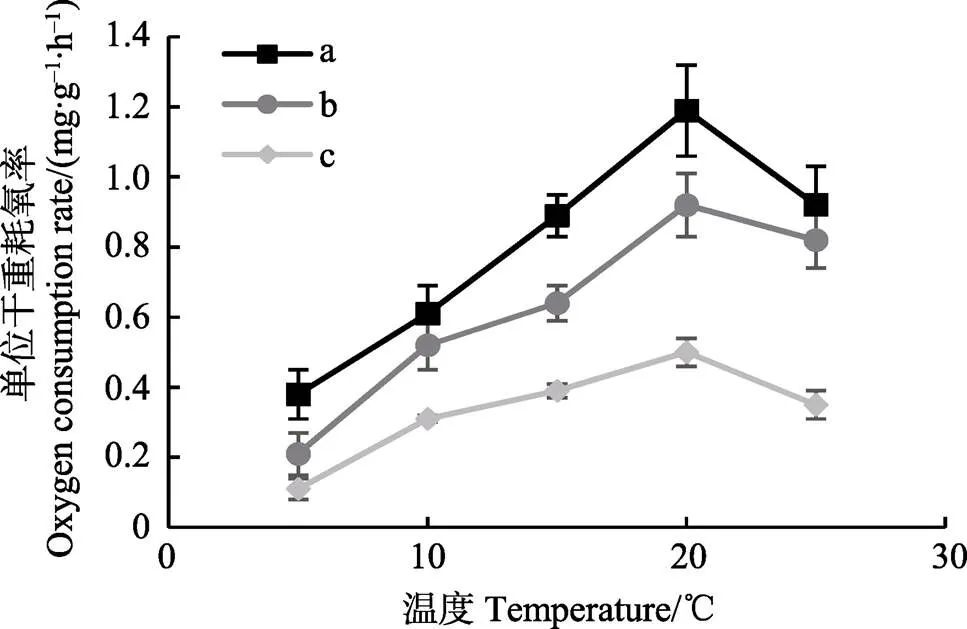
圖3 不同大小的皺紋盤鮑在不同溫度下的單位干重耗氧率
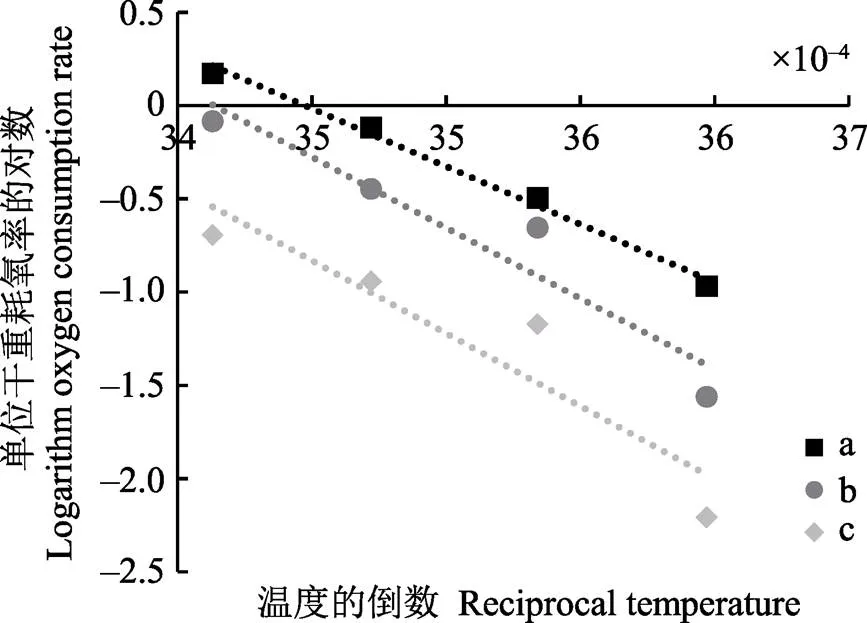
圖4 皺紋盤鮑單位干重耗氧率的ln值與溫度的倒數線性關系
2.3 形狀系數δm的值
通過擬合回歸,皺紋盤鮑殼長與體積符合三次函數(圖5):=0.06393.1621(2=0.9852),根據公式(6)殼長與軟組織濕重的立方根線性回歸的斜率(圖5)即為形狀系數的值為0.43。
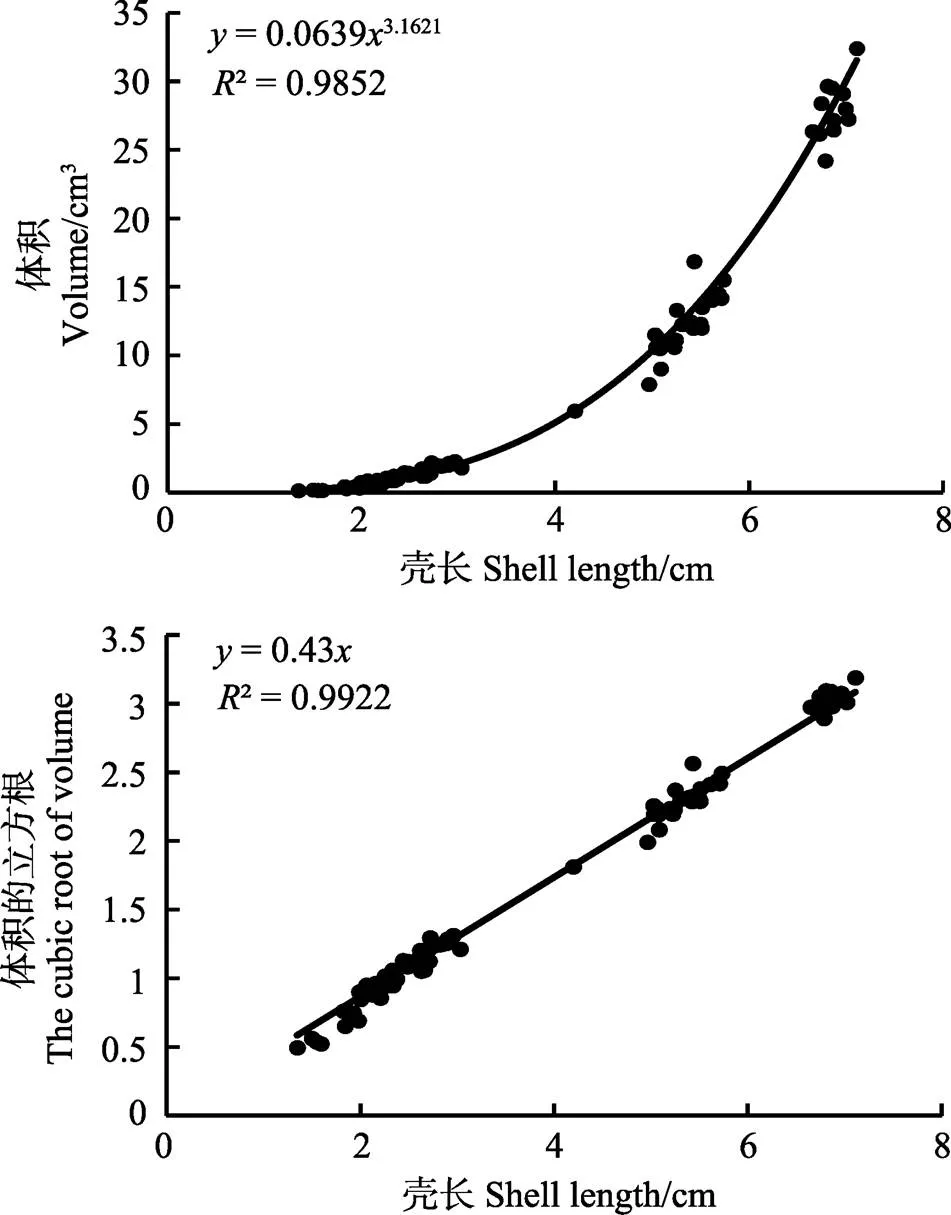
圖5 皺紋盤鮑殼長與軟組織濕重的關系
3 討論
3.1 貝類DEB模型參數獲取方法
3.2 不同貝類DEB模型參數的差異
目前已有多種雙殼貝類DEB模型參數的報道,其中,形狀系數主要在0.17~0.39范圍內,如太平洋牡蠣()的值為0.175,紫貽貝()為0.287,蝦夷扇貝為0.32等(van der Veer, 2006)。本研究測得的皺紋盤鮑形狀系數是0.43,比已報道的雙殼貝類數值要大,這也許與皺紋盤鮑是單殼貝類,其軟組織濕重與殼長的比值要高于雙殼貝類。
DEB模型中其他的參數,如溫度函數中溫度的上下限可根據鮑生長溫度確定,結構物質體積根據鮑性腺發育成熟的殼長計算,吸收效率可根據已有研究得出。
DEB模型已廣泛應用于雙殼貝類,但對于鮑等單殼貝類研究較少。本研究通過實驗計算了6個參數值,為進一步構建皺紋盤鮑DEB模型提供了必需的參數值,也為進一步研究其他單殼貝類提供了理論依據。
Bourlès Y, Alunno-Bruscia M, Pouvreau S,. Modelling growth and reproduction of the Pacific oyster: Advances in the oyster-DEB model through application to a coastal pond. Journal of Sea Research, 2009, 62(2–3): 62–71
Brey T, Rumohr H, Ankar S. Energy content of macrobenthic invertebrates: General conversion factors from weight to energy. Journal of Experimental Marine Biology and Ecology, 1988, 117(3): 271–278
Cai BY, Zhu CB, Liu H,. Model simulated growth of kelpin Sanggou Bay. Progress in Fishery Sciences, 2019, 40(3): 31–41 [蔡碧瑩, 朱長波, 劉慧, 等. 桑溝灣養殖海帶生長的模型預測. 漁業科學進展, 2019, 40(3): 31–41]
Chang YQ, Wang ZC. An energy budget for individual pacific abalone (Ino). Chinese Journal of Applied Ecology, 1998, 9(5): 511–516 [常亞青, 王子臣. 皺紋盤鮑的個體能量收支. 應用生態學報, 1998, 9(5): 511–516]
Chang YQ. Mollusc culture. Beijing: China Agriculture Press, 2007 [常亞青. 貝類增養殖學. 北京: 中國農業出版社, 2007]
Fang JH, Zhang P, Fang JG,. The growth and carbon allocation of abalone (Ino) of different sizes at different temperatures based on the abalone-kelp integrated multitrophic aquaculture model. Aquaculture Research, 2018, 49(8): 2676–2683
He MX, Yuan T, Huang LM. Preliminary study on compensatory growth in pearl oysterDunker, following starvation. Journal of Tropical Oceanography, 2010, 29(6): 143–146 [何毛賢, 袁濤, 黃良民. 馬氏珠母貝饑餓補償生長的初步研究. 熱帶海洋學報, 2010, 29(6): 143–146]
Koizumi Y, Tsuji Y. Abalonespp. Application of Recirculating Aquaculture, 2017, 12(30): 175–211
Kooijman SALM. Population dynamics on basis of budgets. Dynamics of Physiologically Structured Populations, 1986, 266–297
Kooijman SALM. Dynamic energy and mass budgets in biological systems. 2nd ed. Cambridge: Cambridge University Press, 2000
Kooijman SALM. Dynamic energy budget theory for metabolic organization. Cambridge: Cambridge University Press, 2010
Leighton D, Boolootian RA. Diet and growth in the black abalone,. Ecology, 1963, 44(2): 227
Li TW, Su XR, Ding MJ. The determination of some nutritional in abaloneIno. Chinese Journal of Marine Drugs, 1995(1): 47–48 [李太武, 蘇秀榕, 丁明進. 皺紋盤鮑中幾種營養成分的測定. 中國海洋藥物, 1995(1): 47–48]
Liu H, Cai BY.Advance in research and application on aquaculture carrying capacity. Progress in Fishery Sciences, 2018, 39(3): 158–166 [劉慧, 蔡碧瑩. 水產養殖容量研究進展及應用. 漁業科學進展, 2018, 39(3): 158–166]
Mehner T, Wieser W. Energetics and metabolic correlates of starvation in juvenile perch (). Journal of Fish Biology, 2010, 45(2): 325–333
Orestis SZ, Nikos P, Konstadia L. A DEB model for European sea bass (): Parameterisation and application in aquaculture. Journal of Sea Research, 2019, 143: 262–271
Ren JS, Ross AH. Environmental influence on mussel growth: A dynamic energy budget model and its application to the greenshell mussel. Ecological Modelling, 2005, 189(3–4): 347–362
Ren JS, Ross AH. A dynamic energy budget model of the Pacific oyster. Ecological Modelling, 2001, 142(1–2): 105–120
Ren JS, Schiel DR. A dynamic energy budget model: Parameterisation and application to the Pacific oysterin New Zealand waters. Journal of Experimental Marine Biology and Ecology, 2008, 361(1): 42–48
Ren JS, Stenton-Dozey J, Zhang J. Parameterisation and application of dynamic energy budget model to the sea cucumber. Aquaculture Environment Interactions, 2016, 9(1): 1–8
Rico-Villa B, Bernard I, Robert R,. A dynamic energy budget (DEB) growth model for Pacific oyster larvae,. Aquaculture, 2010, 305(1–4): 84–94
Sablani SS, Kasapis S, Rahman MS,. Sorption isotherms and the state diagram for evaluating stability criteria of abalone. Food Research International, 2004, 37(10): 915–924
Saraiva S, van der Meer J, Kooijman SALM,. Validation of a dynamic energy budget (DEB) model for the blue mussel. Marine Ecology Progress, 2012, 463(3): 141–158
Sousa T, Domingos T, Poggiale JC,. Dynamic energy budget theory restores coherence in biology. PhilosophicalTransactions of the Royal Society B: Biological Sciences, 2010, 365(1557): 3413–3428
Sousa T, Mota R, Domingos T,. Thermodynamics of organisms in the context of dynamic energy budget theory. Physics Review E, Statistical, Nonlinear, and Soft Matter Physics, 2006, 74(5 Pt 1): 051901
van der Veer H, Cardoso JFMF, van der Meer J. The estimation of DEB parameters for various Northeast Atlantic bivalve species. Journal of Sea Research, 2006, 56(2): 107–124
van der Veer H, Kooijman SALM, van der Meer J. Intra- and interspecies comparison of energy flow in North Atlantic flatfish species by means of dynamic energy budgets. Journal of Sea Research, 2001, 45(34): 303–320
van Haren RJF, Kooijman SALM. Application of a dynamic energy budget model to(L.). Netherlands Journal of Sea Research, 1993, 31(2): 119–133
Wang YJ, Li LS, Li Q,.Research progress on eco-physiological responses of shellfish under ocean acidification and global warming. Acta Ecologica Sinica, 2014, 34(13): 3499–3508 [王有基, 李麗莎, 李瓊, 等.珍海洋酸化和全球變暖對貝類生理生態的影響研究進展. 生態學報, 2014, 34(13): 3499–3508]
Yang Y, Jiang SH, Tang L,. Advancements in studies on energy budget of abalone. Science Paper Online, 2007, 2(2): 149–152 [楊義, 姜森顥, 唐玲, 等. 鮑能量學研究進展. 中國科技論文, 2007, 2(2): 149–152]
Zhang JH, Wu WG, Liu Y,. A dynamic energy budget (DEB) growth model for Japanese scallopcultured in China. Journal of Fishery Sciences of China, 2017, 24(3): 497–506 [張繼紅, 吳文廣, 劉毅,等. 蝦夷扇貝動態能量收支生長模型. 中國水產科學, 2017, 24(3): 497–506]
Zhang JH, Wu WG, Xu D,.The estimation of dynamic energy budget (DEB) model parameters for scallop.Journal of Fisheries of China, 2016, 40(5): 703–710 [張繼紅, 吳文廣, 徐東, 等. 蝦夷扇貝動態能量收支模型參數的測定. 水產學報, 2016, 40(5): 703–710]
Zhang XM, Wang CL, Li LG,. Oxygen consumption rate and effect of hypoxia stress on enzyme activity of. Journal of Hydroecology, 2010, 3(2): 72–79 [張曉梅, 王春琳, 李來國, 等. 耗氧率及溶氧脅迫對長蛸體內酶活力的影響. 水生態學雜志, 2010, 3(2): 72–79]
The Measurement of Parameters for the Dynamic Energy Budget (DEB) Model in(Disk Abalone)
DUAN Jiaoyang1,2, LIU Hui2①, CHEN Siqing2, JIANG Zengjie2, LIN Fan2, CHANG Lirong3, LU Longfei3
(1. National Demonstration Center for Experimental Fisheries Science Education, Shanghai Ocean University, Shanghai Engineering Research Center of Aquaculture, Shanghai Collaborative Innovation for Aquatic Animal Genetics and Breeding, Shanghai 201306; 2. Yellow Sea Fisheries Research Institute, Chinese Academy of Fishery Sciences, Key Laboratory of Sustainable Development of Marine Fisheries, Ministry of Agriculture and Rural Affairs, Qingdao 266071; 3. Weihai Changqing Ocean Science & Technology Co., Ltd, Rongcheng 264316)
; Dynamic energy budget (DEB) theory; Model parameters
LIU Hui, E-mail: liuhui@ysfri.ac.cn
S917
A
2095-9869(2020)05-0013-08
10.19663/j.issn2095-9869.20190722001
http://www.yykxjz.cn/
段嬌陽, 劉慧, 陳四清, 蔣增杰, 藺凡, 常麗榮, 盧龍飛. 基于DEB理論的皺紋盤鮑個體生長模型參數的測定. 漁業科學進展, 2020, 41(5): 110–117
Duan JY, Liu H, Chen SQ, Jiang ZJ, Lin F, Chang LR, Lu LF. The measurement of parameters for the dynamic energy budget (DEB) model in(disk abalone). Progress in Fishery Sciences, 2020, 41(5): 110–117
* 科技部國際創新合作專項“基于生態系統的水產養殖空間規劃研究”(2016YFE0112600)和“歐盟地平線2020項目”(633476-H2020-SFS-2014-2015)共同資助 [This work was supported by the Key Programme for International Cooperation on Scientific and Technological Innovation, Ministry of Science and Technology (2016YFE0112600), and Optimizing Space Available for European Aquaculture (AquaSpace) (633476-H2020-SFS-2014-2015)]. 段嬌陽,E-mail: d1395127939@163.com
劉 慧,研究員,E-mail: liuhui@ysfri.ac.cn
2019-07-22,
2019-08-02
(編輯 陳 輝)
猜你喜歡
童話王國·奇妙邏輯推理(2024年5期)2024-06-19 16:03:38
小獼猴智力畫刊(2022年9期)2022-11-04 02:31:42
小讀者(2021年2期)2021-03-29 05:03:48
中學生數理化·七年級數學人教版(2020年10期)2020-11-26 08:24:50
數學物理學報(2020年2期)2020-06-02 11:29:24
華人時刊(2019年13期)2019-11-17 14:59:54
小哥白尼(趣味科學)(2019年6期)2019-10-10 01:01:50
文苑(2018年22期)2018-11-19 02:54:14
光學精密工程(2016年6期)2016-11-07 09:07:19
紅領巾·萌芽(2016年1期)2016-09-10 07:22:44
