
城鎮(zhèn)化率穩(wěn)定時(shí)期的鄉(xiāng)村發(fā)展戰(zhàn)略及鄉(xiāng)村規(guī)劃治理特征研究
2019-09-10 15:21:20馮旭王凱毛其智
小城鎮(zhèn)建設(shè)
2019年11期
馮旭 王凱 毛其智
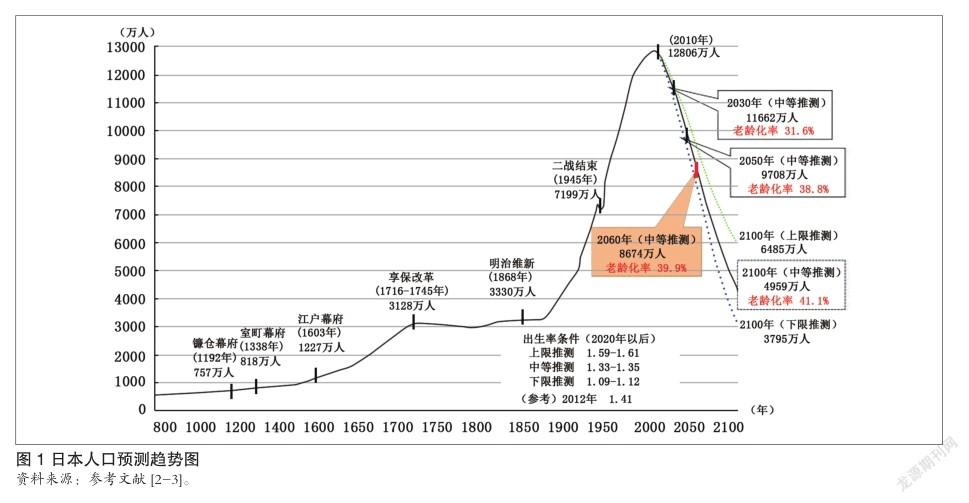
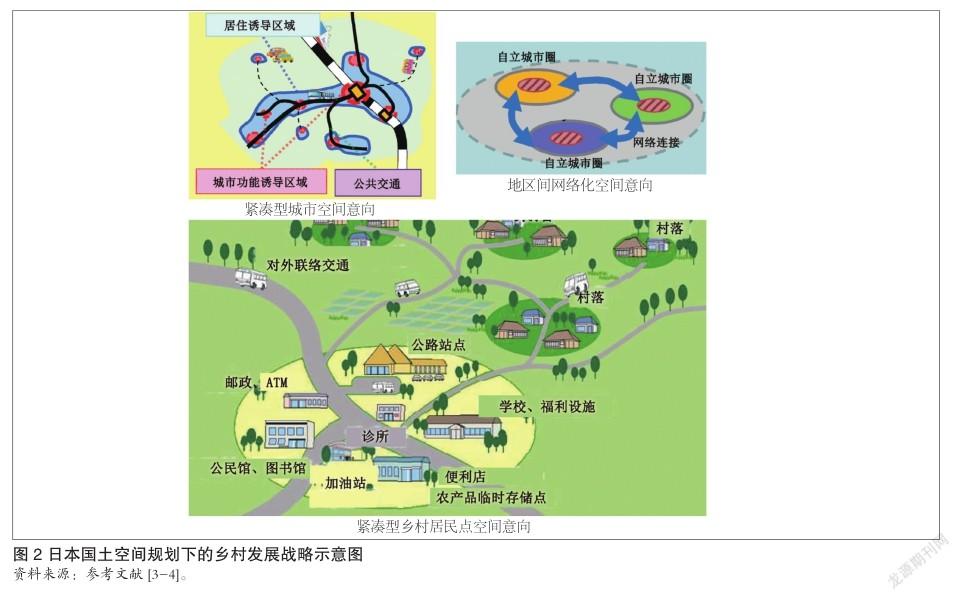
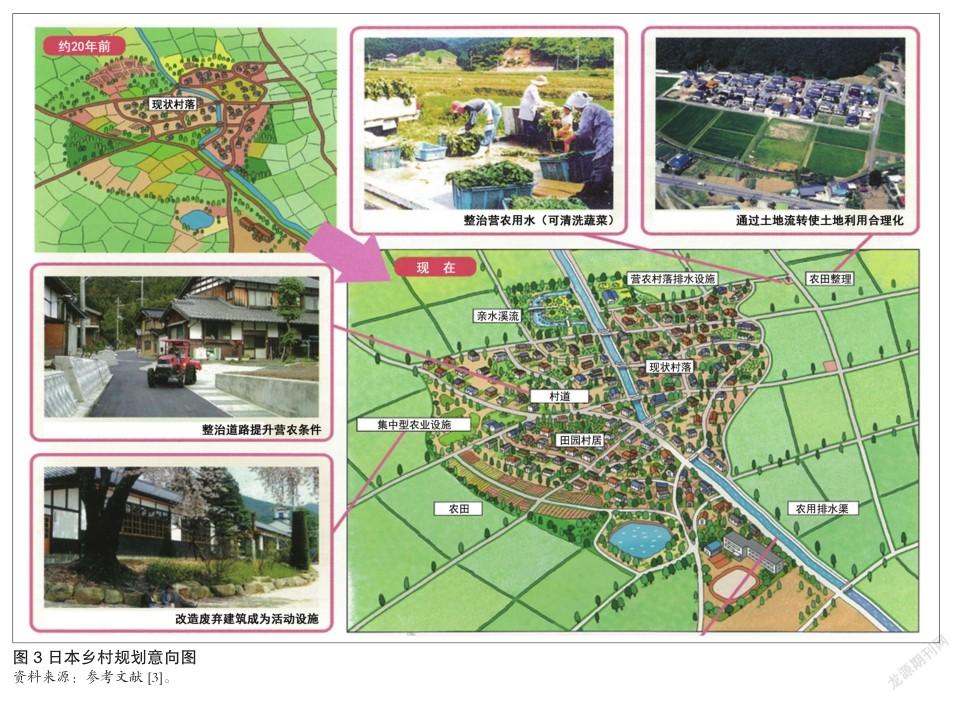
摘要:圍繞“城鎮(zhèn)化率穩(wěn)定時(shí)期的鄉(xiāng)村發(fā)展戰(zhàn)略、鄉(xiāng)村規(guī)劃建設(shè)與管理”主題,本文從發(fā)達(dá)國(guó)家經(jīng)驗(yàn)研究入手,對(duì)日本新版國(guó)土形成規(guī)劃中的鄉(xiāng)村定位,以及具有代表性的鄉(xiāng)村規(guī)劃理念與措施、基層治理分工與內(nèi)容進(jìn)行了調(diào)查研究。在未來(lái)人口大幅下降的趨勢(shì)預(yù)測(cè)下,日本新版國(guó)土規(guī)劃以“緊湊化(單個(gè)地區(qū)) +網(wǎng)絡(luò)化(地區(qū)之間)”為國(guó)土空間布局理念,力求通過(guò)“對(duì)流”激發(fā)地區(qū)內(nèi)部、地區(qū)之間的活力從而形成創(chuàng)新動(dòng)力。在這樣的國(guó)土發(fā)展理念下,鄉(xiāng)村地區(qū)將以緊湊型鄉(xiāng)村居民點(diǎn)建設(shè)為主要任務(wù),重點(diǎn)推動(dòng)與城市地區(qū)、特別是與教育研究節(jié)點(diǎn)之間形成對(duì)流關(guān)系。日本鄉(xiāng)村地區(qū)的規(guī)劃與治理是在地方政府及村民自治會(huì)共同引導(dǎo)下,通過(guò)挖掘、發(fā)揚(yáng)地域特色,實(shí)現(xiàn)傳統(tǒng)文化保護(hù)、特色產(chǎn)業(yè)振興、鄉(xiāng)村規(guī)劃編制、建設(shè)行為管控。本研究在未來(lái)鄉(xiāng)村發(fā)展戰(zhàn)略及建設(shè)重點(diǎn)、鄉(xiāng)村規(guī)劃編制目標(biāo)與具體內(nèi)容、鄉(xiāng)村基層治理分工三個(gè)方面對(duì)我國(guó)鄉(xiāng)村規(guī)劃建設(shè)與管理具有借鑒意義。
關(guān)鍵詞:鄉(xiāng)村發(fā)展戰(zhàn)略;鄉(xiāng)村規(guī)劃;鄉(xiāng)村治理;日本鄉(xiāng)村
doi:10.3969/j.issn.1009-1483.2019.11.017 中圖分類號(hào):TU982.3/.7
文章編號(hào):1009-1483(2019)11-0109-07 文獻(xiàn)標(biāo)識(shí)碼:A
Rural Development Strategy, Rural Planning and Governing after Urbanization Rate Reached a Plateau: Taking Yuzhi City and Kobe City in Japan as Examples
FENG Xu, WANG Kai, MAO Qizhi
[Abstract] This article conducted research on the rural orientation in new Japanese national planning and representative rural planning concept, measures and grass roots governence by studying experience in developed countries with the theme of Rural Development Strategy, Rural Planning and Governing after Urbanization Rate Reached a Plateau. Under the population decline forecast, the 7th edition Japanese national planning uses densification in a single region and networking between regions as the space layout concept in both rural and city areas. Following this concept, rural areas in Japan will improve regional centre of public service facility in the compact rural spatial pattern. And through promoting the circulating relationship among rural area and surrounding nodes which include functions such as education, public health services and etc., vitality can be motivated to create the incentive innovation. The rural planning and governance in Japan is prepared by the collaboration of local government and village self-government organization. Through exploring and developing local characteristics, the purpose of protection of traditional culture, characteristic industries revitalization, rural planning compilation and construction behavior control can be achieved. This research has an important reference value for rural development in China. Firstly, compact rural concept provides solutions to both future development direction and hollowing-out problem in China rural areas, which shows us the template in human settlement environment and agricultural industry. Secondly, rural planning compilation should achieve orientation in national space primarily. And posteriorly the key points will be clarified based on goal-oriented from the perspective of space environment and multi-domain collaboration. Finally, local government should assist local settlers in forming village self-government organizations, and provide a channel to help them participate in local development decision.
[Keywords] rural development strategy; rural planning; rural governance; Japanese rural area
1研究背景與目的
美國(guó)城市地理學(xué)家Ray Northam將發(fā)達(dá)國(guó)家城鎮(zhèn)化過(guò)程概括為起步、加速、穩(wěn)定階段,其中,穩(wěn)定階段指“現(xiàn)代農(nóng)業(yè)化基本完成、農(nóng)村剩余勞動(dòng)力基本轉(zhuǎn)化為城市人口”的時(shí)期[1]①。雖然中國(guó)目前仍處于快速城鎮(zhèn)化進(jìn)程中,但速度已有所放緩,城鎮(zhèn)化率達(dá)到穩(wěn)定時(shí)期的鄉(xiāng)村應(yīng)該如何發(fā)展逐漸成為鄉(xiāng)村研究領(lǐng)域的熱點(diǎn)。……
登錄APP查看全文
