
中藥枇杷花藥用部位表述的合理性研究
2024-12-03 00:00:00胡孔興何鵬
安徽農業科學
2024年22期
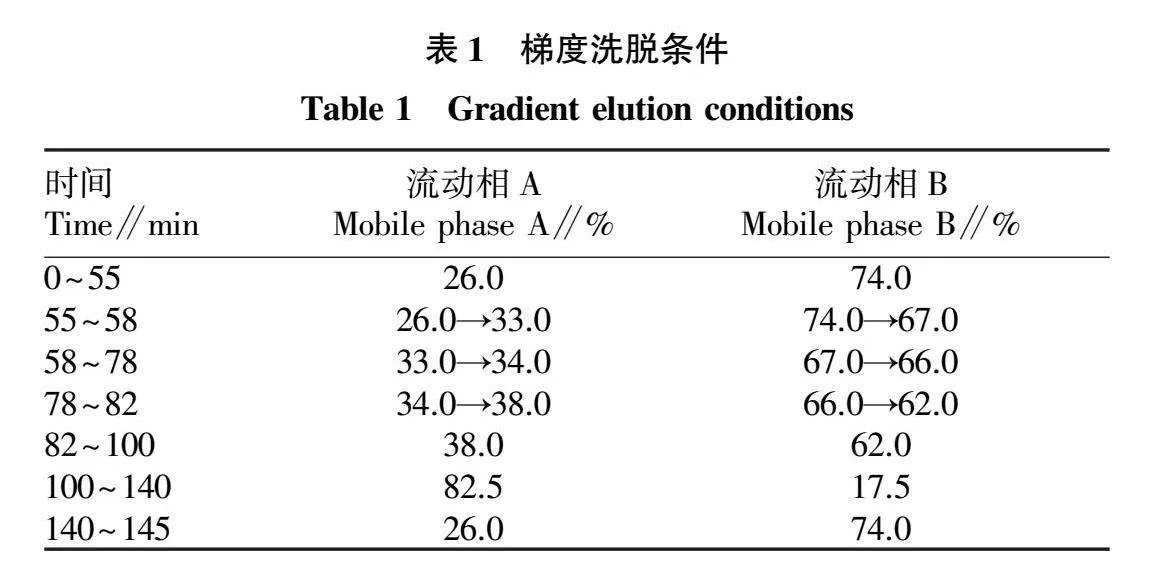
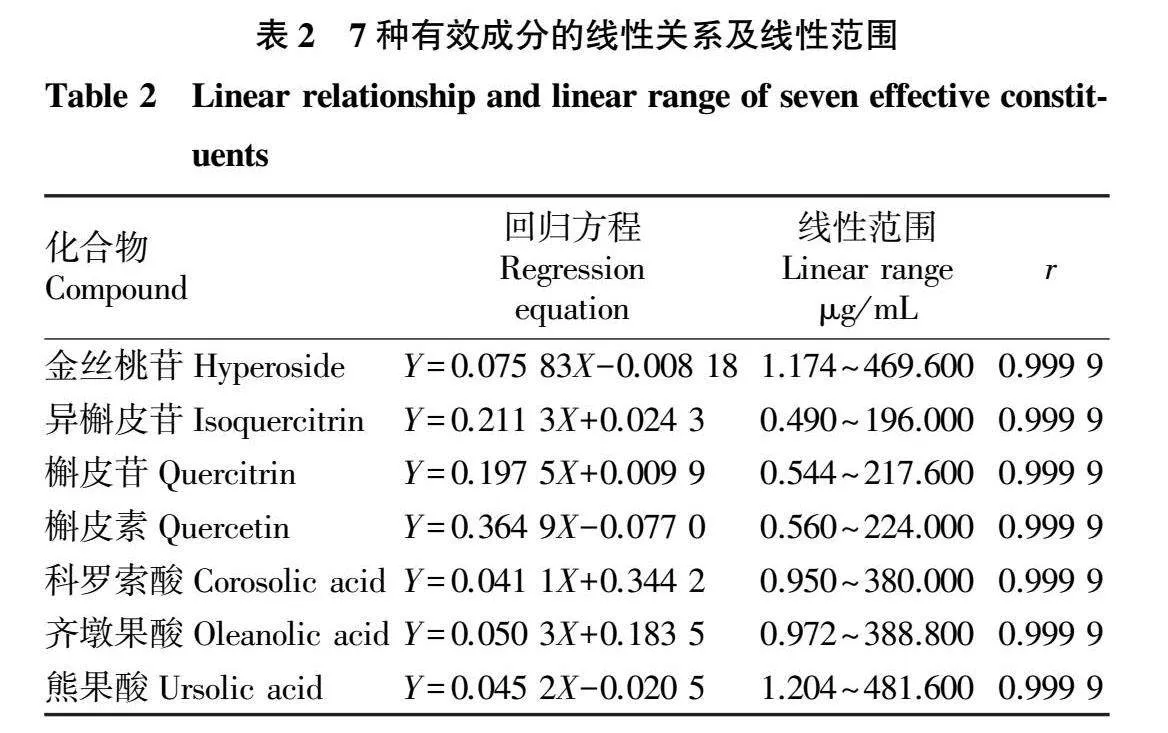
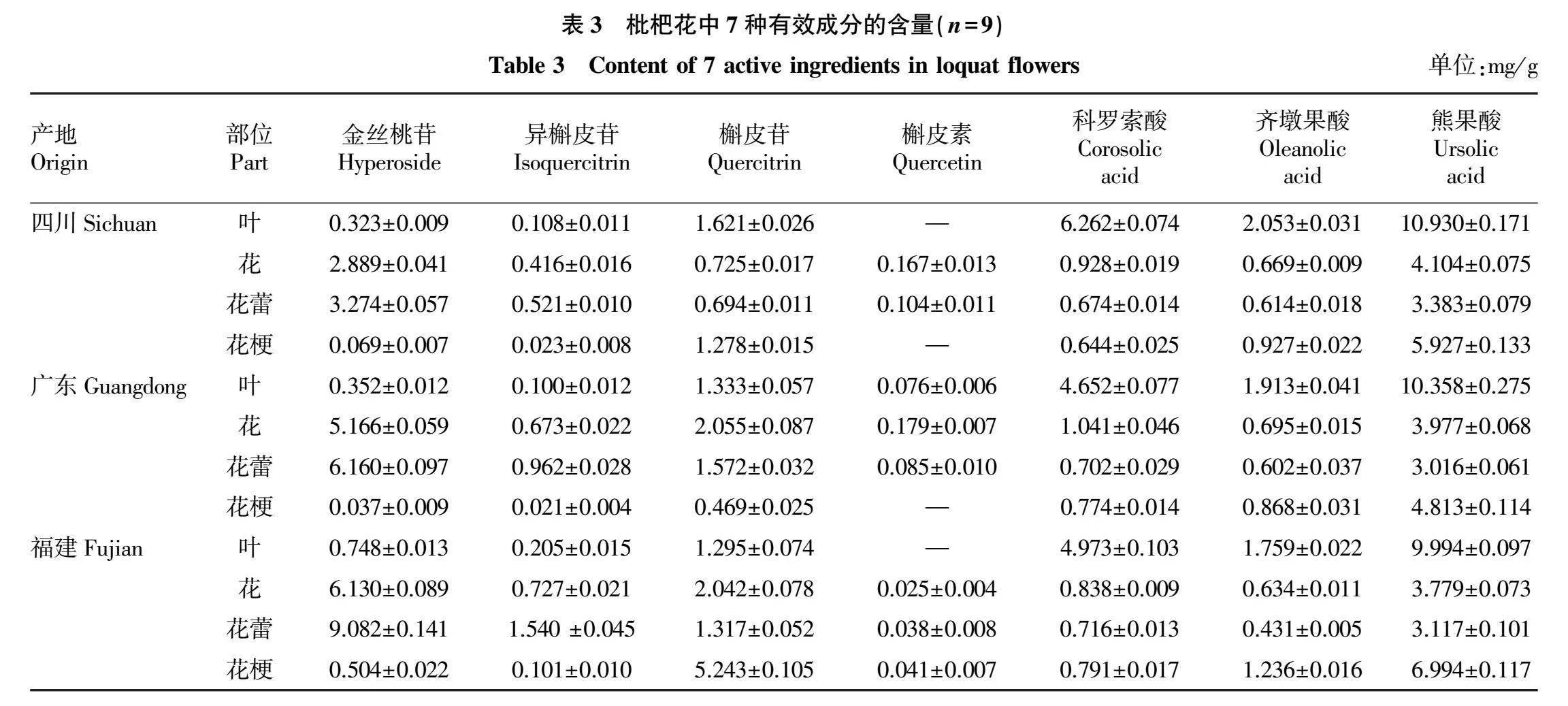
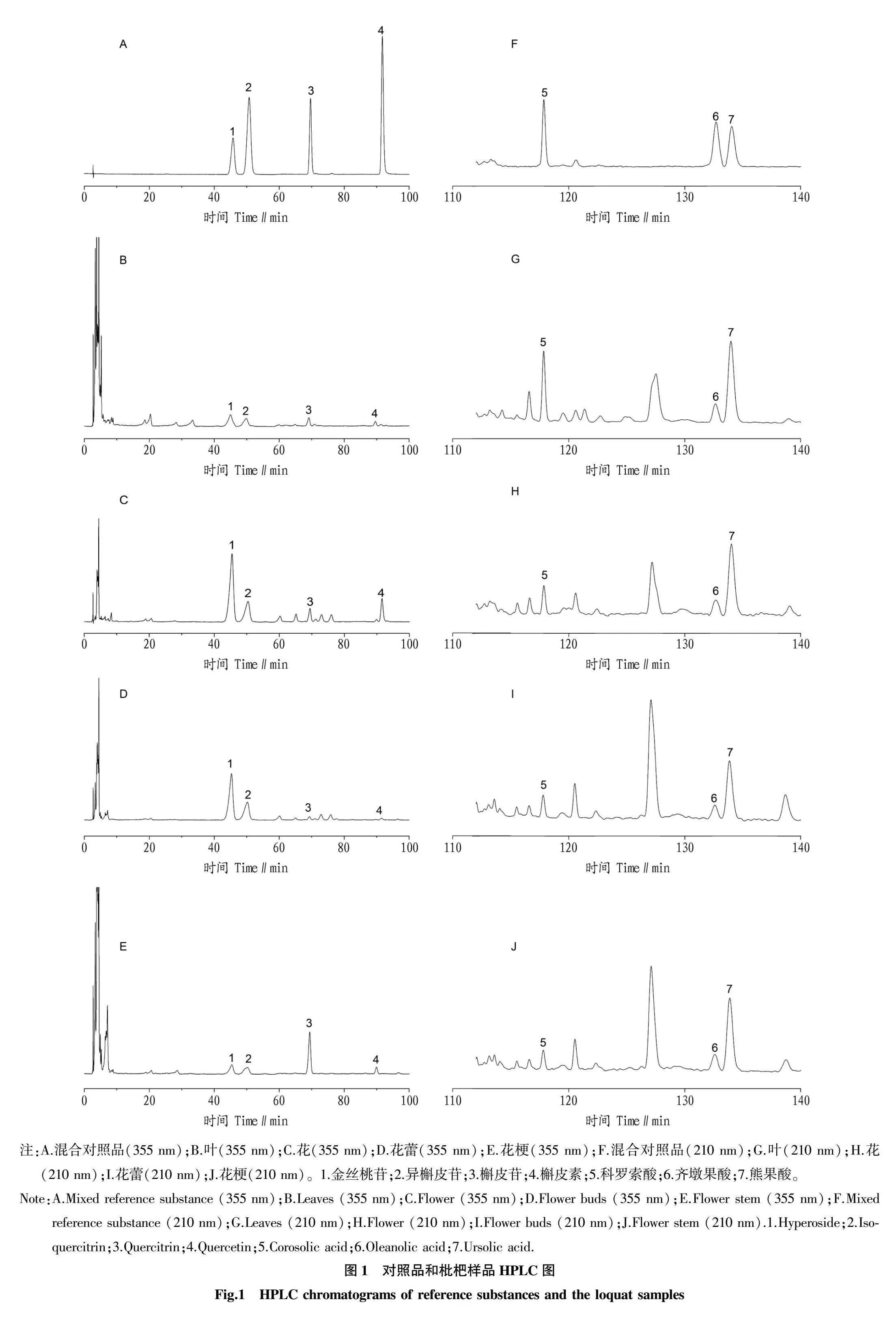
摘要 [目的]研究中藥枇杷花藥用部位與非藥用部位的差異,以及非藥用部位混入的影響。[方法]色譜柱SHIMSEN Anklyo C18(4.6 mm×100 mm,5 μm),流動相為甲醇(A)-0.1%醋酸銨溶液(B),梯度洗脫;流速1.0 mL/min;檢測波長210、355 nm;柱溫35 ℃;進樣量10 μL;測定中藥枇杷花藥用部位和非藥用部位中金絲桃苷、異槲皮苷、槲皮苷、槲皮素、熊果酸、齊墩果酸、科羅索酸這7種成分的含量,并對數據進行分析。[結果]枇杷花的花和花蕾中各成分的含量和分布規律較為接近;其他部位中各成分的含量和分布規律與枇杷花的花或花蕾比較具有一定差異。[結論]枇杷花的藥用部位表述為“干燥帶花蕾的花序”要更為清晰合理。
關鍵詞 枇杷花;活性成分;藥用部位;非藥用部位
中圖分類號 R 284 文獻標識碼 A
文章編號 0517-6611(2024)22-0167-04
doi:10.3969/j.issn.0517-6611.2024.22.035
開放科學(資源服務)標識碼(OSID):
Research on the Rationality of Describing the Medicinal Parts of Loquat Flower
HU Kong-xing,HE Peng
(Wuhu Testing Center for Food and Drug Control,Wuhu,Anhui 241000)
Abstract [Objective]To study the differences between medicinal and non medicinal parts of loquat flowers,as well as the effects of mixing non medicinal parts.[Method]HPLC was performed on a column of SHIMSEN Anklyo C18(4.6 mm×100 mm,5 μm) using methanol( A) and 0.1% ammonium acetate( B) as the mobile phase in a gradient elution;the flow rate was 1.0 mL/min;the detection wavelength was 210 and 355 nm;the column temperature was 35 ℃and the injection volume was 10 μL;determined the content of seven chemical components,including hyperoside,isoquercitrin,quercitrin,quercetin,ursolic acid,oleanolic acid and corosolic acid,in the medicinal and non medicinal parts of loquat flowers;and analyzed the data.[Result]The content and distribution patterns of various chemical components in the flowers and buds of loquat flowers were relatively similar;there were certain differences in the content and distribution patterns of various chemical components in other parts compared to the flowers or buds of loquat flowers.[Conclusion]The medicinal part of loquat flowers is more clearly and reasonably described as a “dry inflorescence with buds”.
Key words Loquat flowers;Active ingredients;Medicinal parts;Non medicinal parts
枇杷花為薔薇科植物枇杷 [Eriobotrya japonica(Thunb.)Lindl.]的干燥花蕾及花序[1],主產于四川,江蘇、浙江等地亦產[2],其藥用歷史由來已久,始載于明代《本草綱目》[3],具有疏風止咳的功效[4]。現代研究表明,枇杷花富含多種活性成分,如綠原酸、類黃酮、槲皮苷、異槲皮苷、山楂酸、熊果酸、齊墩果酸等[5]。我國是世界上最大的枇杷生產國,且枇杷的花期長,花量多[6],具備巨大的應用及研究潛力。四川、安徽等地也針對枇杷花制定了相關標準,其中對其藥用部位的規定為“干燥花”[7]、“干燥花序”[8]、“干燥花蕾”[9]或“干燥帶花蕾的花序”[10]等,但筆者在日常研究及工作中發現,市售及日常使用的枇杷花藥材或飲片中多為花蕾,并帶有少量或大量已開放的花,且發現多數枇杷花藥材及飲片中混有部分枇杷葉,或留有較長花梗。……
登錄APP查看全文
