Driving K-12 Innovation:2021 HURDLES + ACCELERATORS(Ⅲ)
2021-07-23 02:59:28
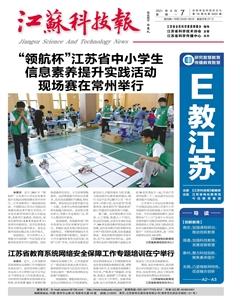
江蘇科技報·E教中國 2021年8期
Product by CoSN (Consortium for School Networking)? ?美國學校網絡聯合會
《基礎教育創新驅動力報告》是繼《地平線報告(基礎教育版)》后推出的國際教育信息化發展的重要參考報告,報告發布方美國學校網絡聯合會(CoSN)為《地平線報告》發布方美國新媒體聯盟的原有合作伙伴,致力于為基礎教育及學前領域的教育技術從業者提供團隊、知識和專業發展服務,助力創建和發展更有吸引力的學習環境。
Spotlighting Three Accelerators
Personalization
Personalization can include individualized student-centric learning opportunities and systems that provide just-in-time information for educators and learners. Stakeholder buy-in and professional development are key to successful personalization programs.
Personalization was the #3 Accelerator for both 2019 and 2020, and is now the #1 Accelerator for 2021. It is closely connected to the #3 Accelerator for 2021, Learner Agency.
Recommendations from the Advisory Board
Focus on learning more than on the technology tools. Provide learners with scaffolding and co-create learning experiences with students. For example, give students more flexibility to use the tools they want while simultaneously providing common standards or guidelines. Continue to foster relationships between students and between students and teachers.
Prioritize accessibility and equity. Provide tools and services to enable equity for all learners, and support their use.
Cultivate stakeholder buy-in. Prioritize communication and awareness. Build shared understanding around the meaning of personalization.
Provide training and ongoing support for educators. Encourage teachers to model personalized learning for other teachers.
Social and Emotional Learning
Social and Emotional Learning (SEL) has been one of the Driving K-12 Innovation Top Accelerators for the past two years. Many educators are seeing a clearer or more intense need for SEL given the learning and? ?changes of this year under the stress of the pandemic and remote learning.
Recommendations from the Advisory Board
Provide SEL and well-being support for educators and students. SEL is important both in the current moment and beyond. Be aware of the potential social, emotional, physical, and mental health impacts of COVID-19 on students, educators, families, and other stakeholders. Leverage resources and examples to integrate SEL in your contexts.
Integrate SEL into curriculum and education practice, across digital and in-person environments. Create a culture that enables the well-being of everyone involved. Encourage educators to model social-emotional learning and related behaviors, both for their students and their colleagues.
Build educator and community buy-in. Intentionally communicate the value of Social and Emotional Learning and engage in dialogue around the districts approaches and processes. Consider how SEL should be assessed and build in accountability in ways that do not unnecessarily increase workload.
Learner Autonomy
Learner Autonomy is all about student voice and choice — enabling students to choose how they access content, organize their learning, and demonstrate that learning. Learner agency, however, does not mean the loss of teacher influence or leadership; supporting students and scaffolding learning is essential.
Recommendations from the Advisory Board
Create learning environments (in-person, hybrid, and online) that are welcoming, empowering, and student-friendly so that students want to take ownership of their learning. Scaffold learning to provide students with necessary guidance while leaving space for students interests and abilities to inform their learning opportunities. Trust students and assume positive intentions.
Provide students with freedom of choice. Encourage them to choose and create their own learning pathways, set their own learning goals, and empower them to make important decisions that have impact on all the relevant segments of their learning. Develop data-informed approaches to evaluate the outcomes of those choices and decisions.
Model autonomy in the way that educators and staff are treated and trained. Create a culture in which everyone is a learner. Consider a team based approach to the development of learner autonomy practices.
Build shared understanding and communicate the value to stakeholders. Clarify educators continued involvement in student learning. Provide support and guidance to enable educators, administrators, parents, and staff to be involved in learner autonomy efforts.
譯文
聚焦三大趨勢
個性化發展
個性化發展包括以學生為中心的個性化學習經歷和系統,為教育者和學習者提供及時的信息。利益相關者的認同和專業化的發展是個性化發展計劃成功的關鍵。
個性化發展在2019和2020年的報告中位于第三大趨勢,但是在2021年的報告中,它一躍成為第一大趨勢。并且,它與自主學習(2021報告中的第三大趨勢)緊密相連。
咨詢委員會建議
專注于學習過程而不是技術工具。為學習者提供腳手架,與學生共同創造學習體驗。例如,在提供共同標準或指導方針的同時,讓學生更靈活地使用他們想要的工具。繼續培養學生之間和學生與教師之間的關系。
優先考慮可訪問性和公平性。為所有學習者提供同等的工具和服務,并鼓勵他們的使用。
培養利益相關者的認同感。優先考慮溝通和意識,要圍繞個性化的含義建立共同的理解。
為教育工作者提供培訓和持續性的支持。鼓勵教師為其他教師建立個性化學習模式。
社會情感學習
社會情感學習(SEL)在過去兩年成為推動基礎教育創新的頂級趨勢之一。許多教育工作者看到,基于新冠肺炎疫情和遠程學習的壓力,今年學習方式和社會都發生了很大變化,對社會情感學習的需求變得更加明確、強烈。
咨詢委員會建議
社會情感學習在當前和未來都很重要,應當為教育工作者和學生社會情感學習和幸福健康生活提供支持。了解新冠肺炎疫情對學生、教育者、家庭和其他利益相關者,造成潛在的社會、情感、身體和心理健康方面的影響。利用資源和示例將社會情感學習集成到自身所處環境。
將社會情感學習整合到課程和教育實踐中,包括數字環境和面對面環境。創造一種文化,讓每個參與其中的人都能得到幸福。鼓勵教育者為他們的學生和同事考慮,模擬社會情感學習和相關行為。
建立教育者和社區認同。著力宣傳社會情感學習的價值,并圍繞地區宣傳的途徑和過程進行對話。思考如何評估社會情感學習,并以不會盲目增加工作量的方式建立問責制。
自主學習
自主學習是關于學生的意愿和選擇——使學生能夠自由選擇如何訪問內容,組織自己的學習,并展示學習成果。然而,學習者能動性并不意味著教師影響力或領導力的喪失,教師對學生的支持以及支架式學習是必不可少的。
咨詢委員會建議
創建舒適、有自主權并且對學生友好的學習環境(包含面對面、混合和在線等教學形式),滿足學生想要自己掌握學習進度的需求。支架式學習為學生提供必要的指導,同時為學生的興趣和能力留出空間,給他們提供學習機會。教育者應當信任學生,并給予學生積極的引導。
為學生提供選擇的自由。鼓勵他們選擇和創建自己的學習路徑,設定自己的學習目標,并授權他們做出對其學習的所有相關部分有影響的重要決策。開發基于數據的方法來評估這些選擇和決策的結果。
以對教育者和員工進行培養和訓練的方式樹立自主權。創造一種人人都是學習者的文化。考慮以團隊為基礎途徑,發展自主學習實踐。
建立共識,并將其價值傳達給利益相關者。明確教育者對學生學習的持續參與。提供支持和指導,使教育者、管理者、家長和工作人員都能夠參與學習者自主性的工作。
猜你喜歡
快樂語文(2021年27期)2021-11-24 01:29:04
中國生殖健康(2020年5期)2021-01-18 02:59:48
甘肅教育(2020年22期)2020-04-13 08:11:16
北極光(2019年12期)2020-01-18 06:22:10
小太陽畫報(2019年10期)2019-11-04 02:57:59
福建基礎教育研究(2019年3期)2019-05-28 23:14:43
中國生殖健康(2018年5期)2018-11-06 07:15:40
南方人物周刊(2017年32期)2017-10-28 22:48:36
南風窗(2016年26期)2016-12-24 21:48:09
南風窗(2015年22期)2015-09-10 07:22:44