The Dark Side of Social Media 社交媒體的陰暗面
2020-08-07 09:02:32恩蒂阿奴奧比奧拉
英語世界 2020年6期
關鍵詞:美麗
恩蒂阿奴?奧比奧拉
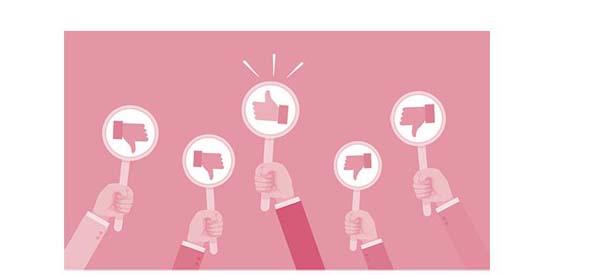
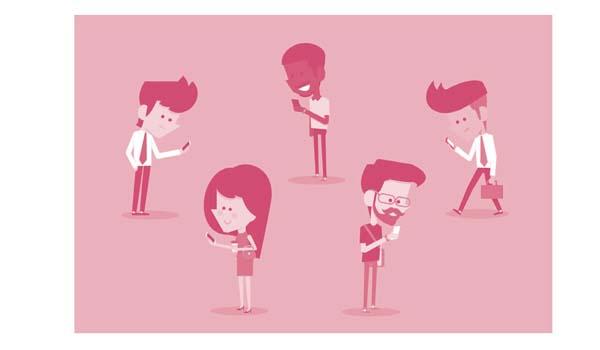
These days, social media is doing more harm than good with young men and women becoming increasingly insecure due to unrealistic beauty ideals.
Social media is both the joy and the curse of the 21st century.
In one way, the digital age has opened us up to another world, created jobs we never knew could exist and connected people, the world over.
On the other hand, the pressure to keep up with what we see online has become a morbid cycle which is destroying lives one click at a time.
In particular, men and women have found themselves battling identity issues due to the unrealistic beauty standards set by what they see on social media.
Many have developed serious mental health issues, identity issues and even body dysmorphia trying to emulate the beauty standards that are simply unattainable.
How do we distinguish reality from the fake and how do we protect ourselves from the dark side of social media?
The first thing most of us do when we wake up in the morning is to instinctively reach for our phones. From the very minute we open our eyes, we are immersing ourselves in an alternate rea-lity.
Just as most of us use social media to promote ourselves, tons of celebrities, influencers, models and brands, also use it to sell themselves by creating an image of perfection.
Its hard not to see a multitude of perfectly toned beauties, flat stomachs, plump breasts, impossibly long legs and perky, perfectly rounded butts.
Thousands of Instagram accounts promote images of perfectly sculpted men and women.
Whilst we may believe we are mindlessly scrolling through such content, our subconscious is soaking it all up and before we know it, those perfectly formed bodies have become the standard by which we measure everything else.
There is an apparent problem within this false world of idealism. Thousands of famous people and models on social media document their workout routines, eating habits, and other aspects of their lifestyle that contribute to the way they look. There is only one problem with this industry; its all fake.
False representations and unrealistic standards
An Instagram model can post a picture of herself in a bikini, showing off her taut stomach, holding up a weight loss tea supplement. Her caption1 reveals that said supplement is the secret to her honed physique.
This alone, sends a very dangerous message to millions of her followers, the majority of whom are impressionable young women.
It is spreading the idea that supplements, diet pills and detox teas are the best way to achieve her body type, when in reality, it could not be further from the truth.
More often than not, their looks are a combination of gym, plastic surgery and a generous amount of retouching2.
Her job is to look perfect and promote merchandise. This creates an unrealistic beauty standard for all of her followers who believe that this product is their ticket to a perfect body.
In reality, a perfect body does not exist. An immense amount of planning, makeup and photo editing went into the final Instagram picture she posted. Its designed to sell a product, not support a healthy lifestyle.
This leads to low self-esteem and negative thinking towards food. It is incredibly important to teach young women and men that social media is not real life.
Every day, we see the hashtag “body goals” or “thinspo3,” which is supposed to serve as inspiration to acquire a thin body.
In essence, social media tells us that we need to be a beautiful person in order to be worthy which could not be further from the truth.
According to eating disorders statistics estimated by the National Eating Disorder Association, in the USA up to 30 million people suffer from an eating disorder such as anorexia nervosa, bulimia nervosa or binge eating disorder. Worldwide the figure is more like 70 million sufferers.
There is a positive correlation between the rise of social media and the rise in eating disorders among young men and women. Many desperately trying to emulate the types of bodies they see and ending up doing more physical and psychological damage to themselves.
The beauty revolt
In a kickback against the devastating effects of social media on, in particular on young people already struggling to understand themselves and where they fit in, a bunch of accounts have popped up on Instagram revealing the truth behind those “perfect” pictures. Accounts such as @celebface may seem like they are picking on people but in reality, they are created to remind us that social media is nothing but smoke and mirrors and that those we hold in such high self-esteem are nothing but mere mortals.
Celeb Face will make you feel better about yourself and realise that “celebs theyre just like us!!!” You can see their pores and fine lines, and they too use FaceTune. The account also reveals before and after surgery shots of celebrities and influencers so that we can see that some of these “ideal” bodies are man-made. Overall, it reminds us not to be so hard on ourselves.
如今,社交媒體正變得弊大于利,由于社媒所展示的美麗范本不切實際,年輕人的安全感與日俱減。
社交媒體帶給21世紀的,既有歡樂,也有詛咒。
一方面,數字時代為我們打開了一個新世界,創造了意想不到的工作崗位,將世界各地的人們聯系起來。
另一方面,緊跟網絡潮流的壓力已形成一種病態循環,每一次點擊都讓生活糟糕一分。
尤其是,無論男女,都發覺自己正飽受身份認同問題的困擾,就因為在社交媒體上看到了不切實際的美麗標準。
為了竭力向那些根本無法企及的美麗標準看齊,很多人出現了嚴重的心理問題和身份認同問題,有的甚至出現了身體畸形。
如何去偽存真?如何保護自己不被社交媒體的陰暗面所影響?
早上醒來,大多數人下意識做的第一件事就是伸手拿手機。從睜眼的那一刻起,我們就沉浸在另一種現實中。
正如我們當中的多數人通過社交媒體來做自我提升,不計其數的名人、網紅、模特及品牌也在利用社媒構筑完美形象,進行自我推銷。
社媒上有無數修煉得體型完美的美女,想不看都難。這些美女個個小腹平坦、胸部豐滿,還有著不可思議的大長腿和滾圓飽滿的臀型。
成千上萬的“照片墻”賬號都在推送這些精雕細琢的男女形象。
我們可能認為自己只是在隨意瀏覽這些內容,但實際上,我們的潛意識已經不自覺地照單全收——那些造型完美的身材已經變成我們衡量一切的標準。
在這個理想主義的虛假世界中,有個問題顯而易見。成千上萬的名人和模特在社媒上記錄著他們達成這種體型的生活方式,包括日常鍛煉、飲食習慣等。這一行的問題只有一個:滿屏謊言。
虛假的呈現和不切實際的標準
模特可以在“照片墻”上發一張自己的比基尼照,炫耀緊實的腹部,手拿減肥茶保健品。照片所配文案透露說,這種保健品就是她維持好身材的法寶。
只用這張照片,她就向自己的幾百萬粉絲——其中大部分是易受影響的年輕女性——傳遞了一條非常危險的信息。
這條信息散播的觀念就是:要想擁有她的體型,保健品、減肥藥和排毒茶是最佳選擇。但實際上,這真是胡扯到了極點。
大多數情況下,她們能呈現出這樣的外形,靠的就是鍛煉和整形,再加上大量的修圖。
她的工作就是看起來完美無缺和推銷產品。這為她所有的粉絲樹立了一個不切實際的美麗標準,粉絲們也都相信,那種產品就是讓身材完美的入場券。
事實上,完美身材并不存在。在她把照片最終發上“照片墻”之前,應該花了大量時間謀劃、化妝和修圖。發照片的目的就是賣貨,絕非主張健康的生活方式。
這樣的照片會讓人自尊心受損,對食物產生消極的想法。所以,極為重要的一點就是要教年輕人知道,社交媒體上呈現的不是真實的生活。
每天,我們都會在社媒上看到諸如“身材目標”或“瘦成閃電”的話題標簽,這些是想要瘦身的人用來激勵自己的。
究其本質,社媒給我們傳達的信息就是,我們只有變美麗才有價值——這也是胡扯到了極點。
根據美國飲食失調學會提供的數據,全美飲食失調患者估計多達3000萬人,他們當中有的神經性厭食,有的神經性貪食,還有的暴飲暴食。從世界范圍看,飲食失調患者可能多達7000萬人。
社交媒體的興起和飲食失調年輕人的增加——這兩者之間的關系是正相關的。很多年輕人拼命效仿社媒上看到的各種體型,最后都遭受更多傷害,難逃身心俱損的結局。
對抗美麗
對于年輕人,尤其對于那些還難以認清自己、對自我定位感到迷茫的年輕人來說,社交媒體的影響極為惡劣。為了抵制這種影響,“照片墻”上出現了一批賬號,專門揭露那些“完美”照片背后的真相。像@celebface(名人臉)這樣的賬號,看似在揭人短,實際卻是在提醒我們,社媒不過是煙幕彈和鏡像,而那些我們仰望的人不過就是純粹的凡人。
“名人臉”會讓人感覺良好,意識到“名人原來也和我們一樣!!!”。你可以看到他們的毛孔和細紋,發現他們也用FaceTune來修圖。該賬號還爆料貼出名人和網紅整形前后的對比照,由此可以看出,那些“完美”身材其實都是人工打造的。總的說來,它在提醒我們:做人,別對自己太苛刻。
(譯者為“《英語世界》杯”翻譯大賽獲獎者;單位:廣西民族大學)
1 caption說明、字幕等。? 2 retouch對圖片或照片等進行修飾。
3 thinspo = thinspiration,表示一種對瘦的推崇與渴望。
猜你喜歡
歌海(2021年6期)2021-02-01 11:27:18
中國化妝品(2020年9期)2020-10-09 08:58:18
中學生百科·大語文(2020年2期)2020-01-13 05:01:19
作文評點報·低幼版(2019年45期)2019-12-30 09:39:32
學苑創造·A版(2017年6期)2017-06-23 10:10:38
幼兒教育·父母孩子版(2017年4期)2017-06-13 05:41:24
學苑創造·A版(2017年3期)2017-04-27 22:30:42
小溪流(畫刊)(2016年11期)2017-01-05 12:30:06
娃娃樂園·3-7歲綜合智能(2016年4期)2016-10-24 09:35:39
Coco薇(2015年12期)2015-12-10 02:38:16