The History of Pest Control 蟲 害 防 治 史
2020-08-07 09:02:32羅懷宇
英語世界 2020年6期
羅懷宇
Pest control is something that many know and even practice. Many may, however, not have bothered to wonder how it all started in the first place. How did pest control begin?
Some believe that pest control is as old as agriculture is. Considering that pest control is the management of any animal life that in one way or another interferes with the operations of humans and that such have always been referred to as pests and sought to be controlled, it makes sense to assume that pest control is at least as old as farming.
However, given that farming is thought to have begun sometime in 8000 BC and that the first documented instance of pest control was sometime in 3000 BC, this claim appears not to have any documented evidence to back it up.
Around 3000 BC, Egyptians were known to have practiced a form of pest control which involved the use of cats as pest control agents in grain stores. The cats protected the grains stores from rodents. This is the oldest recorded form of pest control, a practice which is very much in use today.
Actually, the use of predators as pest control tools has been better refined over the years and has now gone far beyond just the use of cats in the control of rodents.
The first documented record of chemical pest control was sometime in 2500BC. The Sumerians who kept this record have for long been regarded as the earliest people to be regarded as civilized.
Their region—Sumer—which is located somewhere in todays Kuwait and Iraq is also regarded as where civilization began.
Their record of pest control showed that they used sulfur as a means of controlling insects. This was the very first of such record. No other record of pest control emerged until about 1500 BC when cultural control of plants was recorded to have been used.
Farmers started trying to control pests by playing around with the planting dates and other farming practices. Methods like these are still used today in the control of pests.
By 1200 BC, we find another record of botanical insecticides being used as pest control. These were used by some farmers in China as fungicides in the treatment of seeds.
The next known record of pest control was in 950 BC when people started trying to control pest through weed burning. If practiced in farming, this certainly will have to occur before the actual planting.
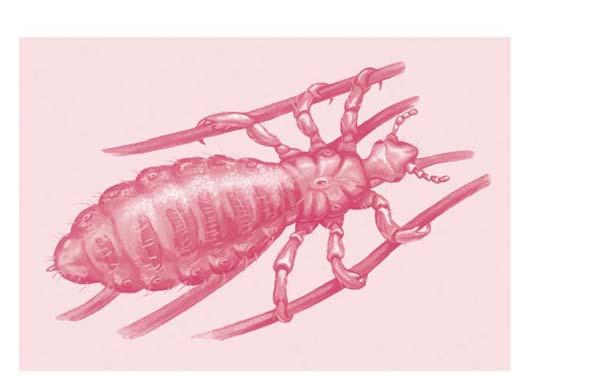
Chinese records from as early as 500 BC showed that attempts were made at controlling lice on the human body with arsenic and mercury. Records from around the same period also show that Egyptians started practicing using nets over sleeping individuals as a means of controlling against mosquito bites.
Next stop is 200 BC when it is recorded that the Chinese and Egyptians started using oils and herbs as a means of controlling pests. It is, however, not on record if this was successful or not.
By 300 AD, using predators as means of pest control was again recorded. In this case, it is recorded that predatory mites were used by Chinese farmers as a pest control tool in their citrus orchards.
By 400 AD, another instance of arsenic being used as a form of pest control was recorded. In this case, arsenic was used by farmers in their rice paddies to prevent infestation by insects. The arsenic was applied to the roots of the plants.
600 years later in 1000 AD, the Arabs are shown to have taken the predatory approach to pest control. Certain species of insects from a region were introduced into date plantations in another region to feed on the local insects that were feeding on the date plants.
In all the history listed so far, the Europeans were not in the picture at all. They came on the scene sometime in the 1700s when certain scientists from Sweden started studying and keeping records of pests. This made it easier for other scientists and farmers to come up with ways to control these pests.
By 1750, scientists found that pyrethrum and derris were effective for use as botanical insecticides. With the growing awareness, the 1800s saw a spread and sharing of pest control techniques as practiced by individuals. These were distributed through papers and books.
By 1873, the French tried to control grape phylloxera (Tyrogluphus phylloxera) with the predatory mites from the Americas and by 1880, a spraying machine suitable for commercial use was successfully introduced.
Americans had some success in 1888 with pest control for citrus crops. This was by means of biological pest control agents brought in from Australia.
By the year 1890, lead arsenic had become very common as a pest control agent. Its popularity continued for about 10 years by which time the health hazards associated with it become known. This awareness led to Canada instituting a law banning the use of harmful chemicals in the spraying of blooming trees as a form of pest control.
By the early 1900s, precisely 1901, weed control through biological means was successfully implemented in Hawaii while in 1921 Ohio began its first aerial application of insecticides.
Needless to say, the advancements made in the 1900s were in quick succession. 1930 saw farmers controlling plant pathogens with the use of synthetic organic compounds while benzene hexachloride and DDT were discovered to be effective for us as insecticides.
A few short years later (1948), discussions started moving towards the necessity of certain beneficial insects. Eventually, in 1959 the idea or framework for integrated pest management was laid by some scientists namely K.S. Hagen, R. van den Bosch, S.M. Stern and R.F. Smith. The name “integrated pest control” was to be adopted eight years later in 1967.
With the framework laid, the National Environment Policy Act was passed by the United States and integrated pest management as a term was formally ratified by the National Academy of Sciences.
By 1972 the U.S. Department of Agriculture started funding integrated pest management research and the Federal Environmental Pesticides Control Act was passed. By the 1980s, IPM techniques had started yielding positive results around the world.
One of the results of IPM was genetically modified crops which were first made commercially available in 1996. However, by 2006 there were growing concerns as to the suitability of these genetically modified crops. These concerns led to certain aspects of the IPM techniques being put on hold.
The history of pest control is pretty long and quite interesting. The advancements made in recent times have come in quick succession and show no signs of slowing down. As users begin to pay closer attention to what they use for pest control, a pressure is put on manufacturers as well as regulatory bodies to put in more effort into ensuring only safe products and methods are used.
Tomorrows history is being written by us today.
很多人都知道防治蟲害,甚至親手消滅過害蟲。然而,很多人或許從未費神去了解這最初是如何開始的。那么,蟲害防治是怎樣開始的呢?
有人認為蟲害防治和農業一樣古老。考慮到蟲害防治是指治理以某種方式干擾人類活動的任何動物,并且人們一直將它們稱為有害動物并試圖加以防控,我們有理由相信蟲害防治至少與農耕一樣歷史悠久。
然而,這種看法似乎缺乏任何文獻證據支撐,因為一般認為農耕始于公元前8000年前后,而對蟲害防治的最早文獻記載出現在公元前3000年前后。
大約公元前3000年,古埃及人據說就實行了一種防治方法,即用貓來對付糧倉里的有害動物。這些貓保護糧倉免遭嚙齒動物的襲擾。這是有文字記載的最古老的蟲害防治法,時至今日仍廣為使用。
實際上,隨著時代的變遷,使用捕食性動物治理蟲害這一辦法已大大改良,如今早已不僅僅是用貓來防治嚙齒動物了。
化學防治蟲害的最早文獻記載大約出現在公元前2500年。留下這一記載的蘇美爾人一直被認為是歷史上最早進入文明時期的人類。
他們所在的地區蘇美爾——大致位于今天的科威特和伊拉克——也被認為是人類文明的發祥地。
防治記錄表明,他們將硫黃用于滅蟲。這是最早的相關史料。之后直到公元前1500年前后才出現其他防治記錄,那時人們已對作物采取栽培防治。
農民開始通過摸索最佳種植時間、嘗試其他耕作方法來治理蟲害。時至今日,此類辦法仍用于蟲害防治。
到了公元前1200年,有新的記載顯示當時已使用植物殺蟲劑防治蟲害。中國有些農民在處理種子時用它們來滅除真菌。
下一個存世的蟲害防治記錄來自公元前950年,當時的人們開始嘗試焚燒雜草治理蟲害。當然,耕作實踐中,必須在實際栽種前進行焚燒。
中國的史料表明,早在公元前500年,人們已經嘗試使用砒霜和水銀去除身上的虱子。大約同時期的記錄表明,古埃及人開始用網帳罩住睡覺之人,防止他們被蚊蟲叮咬。
接著是公元前200年,根據記載,當時的中國人和古埃及人已經開始使用精油和草藥防治蟲害。然而,這種方法是否有效并無記載。
到公元300年,利用捕食性動物防治蟲害的做法再次出現在史料中。據記載,中國農民在柑橘園中使用捕食螨治理蟲害。
到公元400年,史料中再次出現用砒霜防治蟲害的做法。這次記載顯示,農民在水稻田里將砒霜施于作物的根部,防止害蟲滋生。
600年后的公元1000年,阿拉伯人使用捕食法來防治蟲害。他們將某一地區的蟲種引入另一個地區的棗園,讓它們捕食棗樹上的本地害蟲。
在以上列舉的所有記載中,歐洲人是完全缺席的。他們的登場是在18世紀,一些瑞典科學家開始對害蟲進行研究和記錄,此舉為其他科學家和農民找到蟲害防治法提供了便利。
到1750年,科學家已發現除蟲菊和魚藤是有效的植物殺蟲劑。19世紀,隨著人們認識的提高,個人采用的蟲害防治方法開始通過論文和書籍傳播分享。
到1873年,法國人試圖用從美洲引入的捕食螨防治國內的葡萄根瘤蚜病;1880年,一款適合商業用途的噴霧機應用成功。
1888年,美國人在柑橘作物蟲害防治方面取得一些成效。他們從澳大利亞引進的生物殺蟲劑發揮了作用。
到1890年,砷酸鉛已經成為非常普遍的殺蟲劑。這種殺蟲劑廣泛使用了約10年,人們開始認識到它帶來的健康風險。這促使加拿大立法,禁止在對花期樹木進行防蟲噴灑時使用有害化學物質。
到20世紀初,準確地說是1901年,生物除草法在夏威夷成功實施;1921年,俄亥俄第一次從空中噴灑殺蟲劑。
毫無疑問,20世紀防治工作的進展可謂接踵而至。1930年,農民開始使用合成有機物殺除植物病原體,六氯化苯和滴滴涕成為有效的殺蟲劑。
短短幾年后(1948年),人們開始討論保留某些益蟲的必要性。最終,1959年,科學家K. S.哈根、R.范登博世、S. M.斯特恩和R. F.史密斯提出了有害生物綜合治理的理念或框架。8年后的1967年,“有害生物綜合防治”的命名終獲采用。
有了這一框架,美國通過了《國家環境政策法》,美國國家科學院正式認可了“有害生物綜合治理”這一術語。
到1972年,美國農業部開始資助有害生物綜合治理方面的研究,《聯邦環境殺蟲劑控制法》獲得通過。到20世紀80年代,有害生物綜合治理(IPM)技術已開始在全世界取得積極成果。
轉基因作物作為IPM的成果之一,于1996年開始商業化。然而,到了2006年,人們越來越擔心這些轉基因作物是否適合人類。這些關切導致IPM技術的某些部分被叫停。
蟲害防治的歷史十分漫長,也頗為有趣。近些年接連取得進展,發展勢頭不減。隨著使用者更加關注所用的防治產品,生產商和監管機構也感受到壓力,他們不得不加大投入,確保相關產品和方法的安全。
明天的歷史正由今天的我們書寫。? ? ? ? ? ? ? ? ? ? ? ? ? ? ? ? ? ?□
(譯者單位:北京語言大學)