Tea
2017-08-03 01:42:52ByWangXiaoke
Special Focus 2017年7期
By Wang Xiaoke
Tea
By Wang Xiaoke
There may be no better word in the world's languages than茶 that reflects a harmonious relationship between the man and the nature.
The Chinese character “茶” is the original literal form of tea. The upper part “艸” (pictographic “grass”) and the lower part “木” (which means“tree”) are together expressing tea’s nature as a herbaceous plant. However, only when “人” (“human”in Chinese) stands between “艸” and“木” the character is made complete. So you see, the character “茶” is a minimalist picture showing a man between grass and trees. Human in the middle, nature around him: this can be taken as an implication of a harmonious coexistence between man and nature, or an ideal lifestyle of our “getting back to nature”.
As is known by all, being one of the cultural symbols of China, tea is now a part of some foreign cultures as well. The English tea is a wellknown example which uses different kinds of black tea as base (generally taste much stronger than the Chinese counterpart), and an amount of additives to improve the fragrance and taste. So is the Indian chai, which is typically a mixture of many kindsof herbs as well as spices to be boiled in milk before drinking. Nowadays, the English afternoon tea is provided in many metropolitan restaurants in China and becomes popular among the younger generation. However, some traditional Chinese tea-drinkers think little of the English or the Indian style. In their opinion, adding milk, sugar, or other additives to tea is a bad way which stands for the all-pervasive invasion of modern industry. They even can not tolerate putting tea into tea bags, saying that the convenient improvement brings an odor of fast food and production line. Tea is tea. Plant leaves plus hot water, and no more.
This is of course controversial. Supporters of English tea or Indian chai may argue that the new recipes bring changes in taste and of cultural elements, or radically, that they are“advanced” forms of tea. You know, like all similar debates upon food and drink, this one is very unlikely to come to an end. But if we look back through the history of Chinese tea, we may find it interesting and be amazed at so much possibilities of tea which are now forgotten.
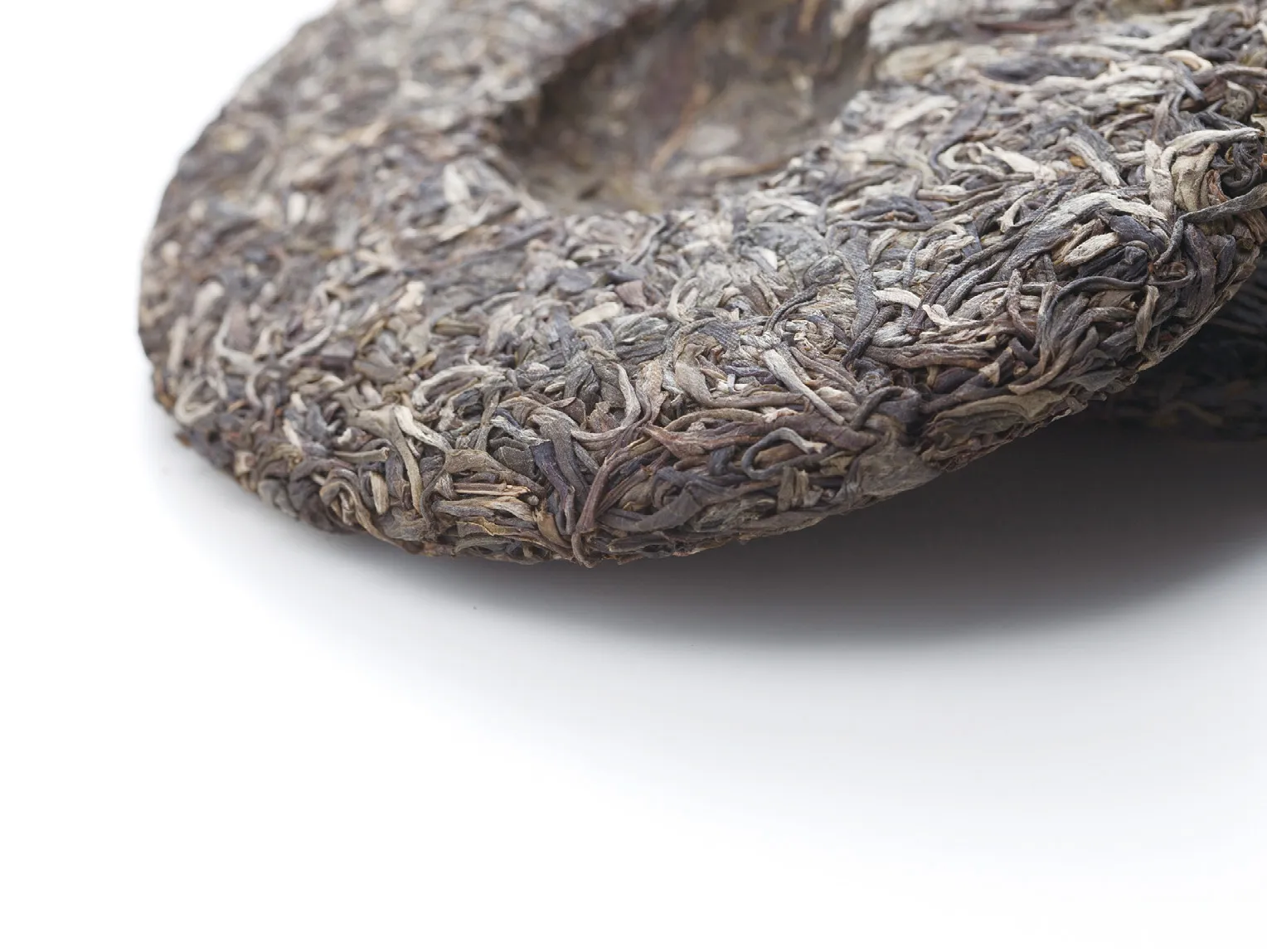
Despite the remote records in myths and legends, some reliable descriptions occurred in Han dynasty and Six dynasties (3rd century B.C.~6th century A. D.). In the beginning, people just picked leaves from tea bush and put them in a pot. It sounds like making vegetable soup, and actually in earlier stages of history, tea was generally used as food or even medicine. In the following centuries, the techniques of tea manufacture were developed, when people started to compress tea into a circular disc known as a “tea cake” (the same way Puer tea cake is made today). One surprising fact is that in Sui and Tang dynasties(late 6th century – early 10th century), the mainstream of teadrinking in China is to serve tea cake along with additives including ginger, scallion, tangerine, cinnamon, salt, milk, and cheese (“sulao”).
Then there was a great change when Lu Yu “the Tea Sage” finished his renowned masterpiece,the Book of Tea in the 8th century. In Lu’s style, the tea cake should be baked and grounded into powder before being boiled thrice, each in a short time. During the boiling, the water should be constantly stirred with a bamboo tool called chaxian. The most obvious difference is that nothing except salt is allowed to be added to the tea. In Song dynasty this style was further developed and became quite popular among noblemen and scholars. Many variations of styles and standards were created. About in the 9th century, Japanese learned the style of powdered tea from China and later developed it into matcha tea style (they use chasen, a Japanese counterpart of chaxian).
The complicated and somewhat aristocratic tradition of serving tea was broken down by the Mongolian invasion. When Chinese people rebuilt their empire as Ming dynasty in the 14th century, some totally new ways and standards of tea-drinking were created. Loose tea took the place of tea cake; most tea additives stepped down from the stage. Tea was now brewed with hot water other than boiled. Chinese people began to create more advanced techniques of tea manufacturing, and various new kinds of tea were invented. There were green tea, oolong tea, white tea, yellow tea, jasmine tea (premade), black tea (literally “red tea” in Chinese), dark tea (literally “black tea”in Chinese), Puer tea, etc.
More attentions were paid to the details of cultivation, manufacturing, brewing, tea set, and even the environment of drinking or the clothes one wear to drink. People evaluated the quality of tea through its color, aroma, and taste, discussing the ideal combinations of tea sets (each one has different material quality and artistic design) and different kinds of tea. In a real master’s eyes, the recommended water temperatures, times of brews, and even the mood while drinking should all be correspondingly different. He would tell you that with drinking tea, how people could achieve self-cultivation and spiritual sublimation. All these simple but profound standards consist of the new system of tea; and that system continues to this day.
As we can learn from the history, the culture of tea has never been closed, and should not be limited to any group of people. If you would like to know the early spirit of tea, a cup of Darjeeling with honey and almond biscuits may help you to feel it. You can also immerse yourself in a medieval Asian serene while drinking Japanese matcha. And if you are pursuing the purest meditative state, try to know it through experiencing the kaleidoscopic kinds and ways of modern Chinese tea. No matter which style is your favorite, it is always great to let tea be a part of your life.
茶
文|王小可