
成立50載,東盟能否更上一層樓?
2017-04-24 06:58:36蒂娜科爾尼亞薩莉
中國-東盟博覽(政經版) 2017年4期
關鍵詞:經濟
□ 文/ 蒂娜?科爾尼亞薩莉
By Jackson Ewing
成立50載,東盟能否更上一層樓?
□ 文/ 蒂娜?科爾尼亞薩莉
2017年東盟迎來成立50周年慶典,在這極具里程碑意義的一年,恰逢菲律賓擔任東盟輪值主席國。
菲律賓總統杜特爾特宣布2017年主題為“合作促改革、與世界接軌”,并承諾要以東盟國家6.4億人民的切身利益為核心,建立具有地區特色的理想模式,促進東盟地區的經濟發展。
在2016年9月8日的東盟峰會上,菲律賓從老撾手中接過東盟輪值主席國的接力棒,菲律賓總統杜特爾特承諾,在堅持東盟的主導地位、統一與團結的原則下,引領東盟追求創新、促進東盟與全球合作。
東盟成立50周年,可看作是東盟克服當今所面臨挑戰的新起點、新契機。作為東盟輪值主席國及東盟創始成員國之一,菲律賓在應對全球、東盟地區以及本國所面臨的各種挑戰的同時,還要帶領東盟各國走向經濟繁榮、政治穩定與安全,任務十分艱巨。
在過去幾年里,東盟雖然已經將消除關稅壁壘作為議程的一項重要內容,但我們仍看到東盟各國之間的貿易額占東盟國家對外貿易總額的比重停留在20~24%。2015年,東盟經濟共同體(AEC)成立;而到2016年,東盟經濟共同體成立的第二年,仍有許多措施和事項未落實到位。
隨著貿易保護主義日益高漲,全球經濟停滯不前,人們對全球化的不安和焦慮加劇,嚴重阻礙了區域一體化的發展,也可能會破壞全球供應鏈。
自唐納德?特朗普成功當選新任美國總統之后,跨太平洋伙伴關系協定進程突然中斷,給東盟完成區域全面經濟伙伴協定談判帶來更大的壓力。
在東盟和東盟10+1自由貿易協定框架下,東盟國家簽訂了不少國際承諾;然而,有些東盟國家在遵守現有的承諾或升級承諾的過程中遇到不少問題,給東盟輪值主席國帶來額外的負擔;更糟糕的是,東盟仍然缺少合適的機制來解決爭端。
要想解決這些問題,就需要以“東盟方式”對這些問題進行探討。所謂“東盟方式”,體現的是團結一致的特點,而并非僅靠法律的剛性。東盟地區的貿易談判代表預算和人力資源有限,這制約著談判的及時順利完成。
在經濟方面,東盟面臨著如美國總統特朗普推行保護主義及其政策的不確定性等諸多挑戰。
考慮到全球經濟危機和東盟地區內部所面臨的挑戰,在菲律賓擔任東盟輪值主席國的這一年內,東盟國家一體化水平能否更上一層樓?
為達到目標,菲律賓政府宣布2017年要爭取獲得9項主要可交付的成果,包括推行中小企業的區域自行認證、一項東盟貿易便利化指標以及一份關于投資的重點戰略行動議程,完成《東盟服務貿易協定》的簽訂、東盟經濟共同體、東盟普惠制企業的同行審查,和執行關于創新、婦女與青年創業的東盟宣言。
東盟經濟共同體GDP總額高達2.6萬億美元,是世界第七大經濟體,人口超過6.2億,亞洲排名第三,僅次于中國和印度。從實際情況出發,菲律賓將把中小型企業作為東盟地區包容性增長的主要推動力。
菲律賓扶持中小企業發展的計劃,是非常合理的。扶持中小企業有助于克服發展障礙和刺激國民與地區經濟。中小企業是東盟國家的GDP主要促進者和貢獻者,其GDP占企業GDP總額的95~99%。在大多數東盟國家,中小企業為社會提供了51~97%的就業崗位,中小企業GDP占GDP總額的23~58%,中小企業出口額占外貿總額10~30%。通過促進市場準入,中小企業能夠利用貿易投資機會,從區域經濟一體化發展中獲益。
然而,由于在資金、資源、包裝、網絡及市場計劃等方面條件有限,大多數菲律賓規模企業和東盟地區規模企業仍然在自身的業務經營方面掙扎,限制了企業發展規模,難以獲得國際競爭力。
以上種種問題能夠得到解決嗎?坦白講,很多人對此抱以懷疑的態度,而且越來越多人擔心杜特爾特的計劃會遭到反對,因為現在更需要一個強有力的領導核心去帶領地區走向強大、穩定。
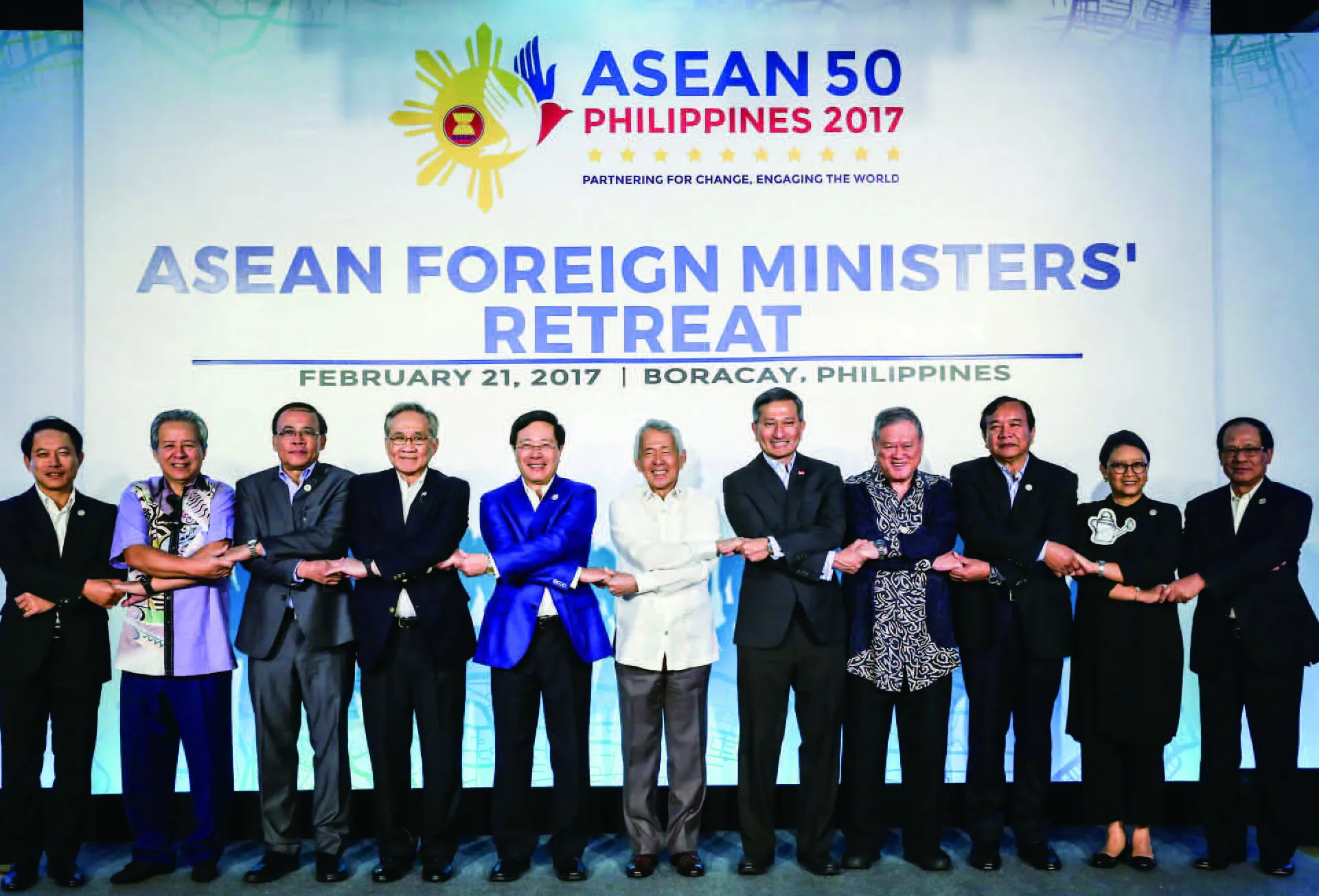
2017年2月20~21日,東盟外長非正式會議在菲律賓長灘島(Boracay)舉行。 此次會議是菲律賓2017年擔任東盟輪值主席國任期內一系列部長級會議的首場,也是東盟成立50周年的重要里程碑
東盟各國須對這些交付成果給予全力支持。經濟一體化的擔子不應僅落在輪值主席國的肩上,每一個東盟國家都有責任加速經濟一體化進程、支持已通過的工作計劃并解決國內及地區仍懸而未決的事項。
為防止分歧進一步擴大,成立一個更為有效的爭端解決機制,東盟各國繼續為當前各種問題尋找友好解決方案,也顯得尤為重要。東盟國家應盡可能地利用可預見的經濟機遇來避免對地區造成更大的損失。只要達到了這些目標,東盟發展必會更上一層樓。
?毛譽曄 編譯
?來源:《雅加達郵報》
?本文所持立場不代表本刊觀點
The Key to Food Security in Southeast Asia: Self-Sufficiency or Regional Integration?
By Jackson Ewing
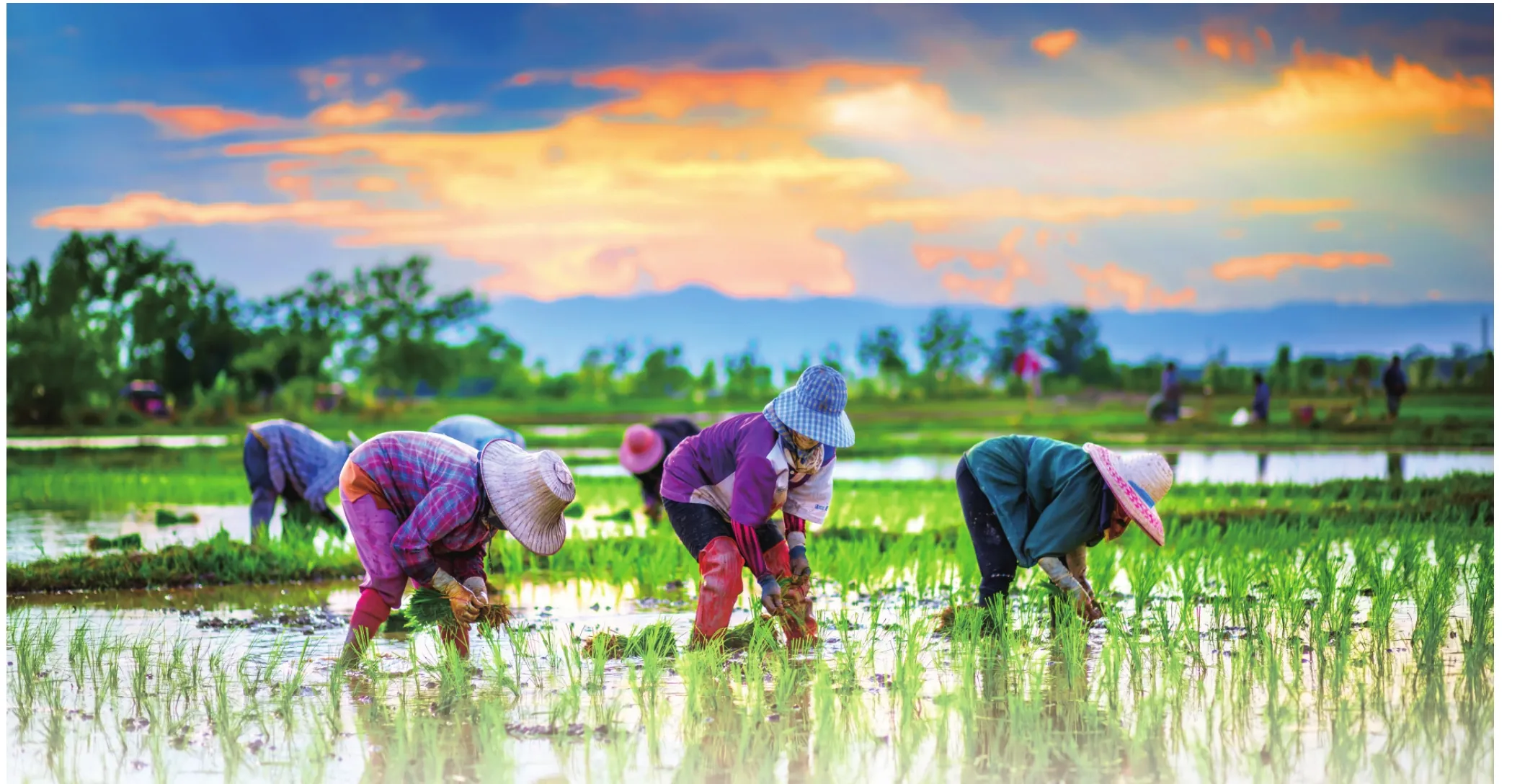
In the food space, the ASEAN Economic Community is attempting to harmonize safety standards, improve infrastructure, enable trade and spread modern and sustainable agricultural practices. If successful, it could be a boon for farmers, consumers and a variety of stakeholders in between.
Collective food security has been on the Association of Southeast Asian Nations’(ASEAN) agenda since its founding, and the 2007-2008 food crisis saw this agenda grow in relevance. The launch of the ASEAN Economic Community (AEC) in 2015 is the latest regional integration effort and the most ambitious, seeking to build a single market and production base that promotes equitable development and makes Southeast Asia more globally competitive. In the food space, the AEC is making attempts to harmonize safety standards, improve infrastructure, enable trade and spread modern and sustainable agricultural practices. Where successful, it could be a boon for farmers, consumers and a variety of stakeholders in between.
Yet, headwinds to regional food system integration abound. Countries continue to protect domestic agricultural sectors from competition, retreat from the regional food trade and prioritize domestic production for strategic and political purposes. These policies arise from the trauma of past food price volatility and concerns about future price and supply uncertainty. They also risk impeding regional integration reforms that would do more good than harm.
Resisting the food trade
A chorus of voices from within and outside Southeast Asia find regional integration to be gravely dangerous, arguing that it will drive small farmers and businesses out of markets, fray the region’s agrarian social fabric and create a host of environmental problems from large-scale farming and natural resource exploitation.
These arguments dovetail with fresh memories of the 2007-2008 food price crisis, when rice prices more than tripled in just six months. Major rice suppliers implemented minimum export prices and curtailed or considered curtailing exports in the name of securing domestic needs. This led to escalating prices and fear of major food shortages among regional importers. The longer-term responses from these importers —Indonesia, the Philippines and Malaysia chief among them — have been a distrust of international markets and selfsuffi ciency strategies aimed at expanding local supply.
These reactions follow the logic that by extracting itself from import dependencies, a country can protect its citizens from unpredictable market movements that threaten its food security. They also play well politically, aligning with desires for domesticeconomic prioritization and the protection of agrarian livelihoods.
The problem with emphasizing selfsufficiency is that it mayundermine economic opportunities while leaving countries more vulnerable to food insecurity. Left to their devices, fewer farmers would grow rice in the countries now seeking greater self-sufficiency, as other crops are more profi table. Domestic policies that compel farmers to grow rice can keep them in low-value segments of the agricultural value chain, leaving them with less income for their daily needs, including food. These policies can also impede the structural transformation to less-agrarian economies that Southeast Asia desperately needs. Increasing the portion of the regional workforce that is employed off the farm is essential for regional economic and development progress. Mandating food self-sufficiency targets is often at odds with this objective.
Retreating from regional food trade also encourages products — and again, rice looms large — being grown in places where it makes little economic or ecological sense to do so. Countries insisting on domestic food sourcing can exhaust their soil and water resources in the process, all for yields that cost more than those available for import.
These policies paradoxically do not even provide greater food supply resilience. Thinning the regional food trade erodes the commercial relationships that provide a country with multiple sourcing options, which are invaluable for responding to abrupt or pervasive supply disruptions. As countries depend more heavily on domestic supplies, crop failures and major weather events that compromise these supplies become more damaging.
Regional integration efforts
Persuading countries that self-suffi ciency is not the best path to national food security requires providing an attractive alternative. For the AEC and other ASEAN integration mechanisms, this means improving confidence in the food trade by creating a robust supply environment. The development of strategic rice reserves is one tool to this end already showing some imperfect promise.
The ASEAN Plus Three Emergency Rice Reserve (APTERR) sees countries pledge rice stores to be made available in times of emergency, defined as a condition in which a member country is unable to attain its rice supply through normal trade. APTERR is intended for natural disasters and other unexpected events, but stocks could be deployed against a range of supply disruptions.
There are challenges and limitations to stockpiling. It is expensive, accompanied by losses and inefficiencies and provides no guarantee of food security, particularly if its deployment is slowed by political or logistical hurdles.
But APTERR remains a step in the right direction. Stockpiling food has traditionally been an opaque and nationalist agenda with market-distorting implications. A country that builds undisclosed stockpiles for domestic purposes may later offl oad stocks due to market conditions, increased production, storage rotation or a range of other factors, amplifying market volatility in the process. Regionalizing some stockpiles and making them transparent has the opposite potential to increase confidence in consumer countries and communities that if disruptions happen, food will still be available.
On the broader regional agenda, the ASEAN Integrated Food Security (AIFS) Framework and Strategic Plan of Action on Food Security (SPA-FS) seek to ensure regional food security while improving farmer livelihood. These policy sets have many layers, but include promoting a “conducive market and trade for agricultural commodities and inputs.” The tangible impact of AIFS and SPA-FS on regional food markets has so far been limited, but with the AEC seeking more fundamental integration, these existing statutes are forming a relevant foundation.
Enter the AEC
The AEC mixes targeted and general policies that create opportunities throughout Southeast Asia’s food value chains. Targeted policies seek to reduce the self-sufficiency targets of rice importing countries in exchange for delivery guarantees by exporters. They also seek to impede export restrictions, the likes of which fueled the 2007-2008 price crisis, and promote more private sector participation in food sectors that currently have heavy state footprints.
More broadly, the AEC seeks to create more sustainable food and commodities systems, and reduce environmental stresses through best-practice collaboration, improving research and by encouraging the production of specific products in ecologically viable areas.
The AEC is no panacea, and must deliver the case to regional stakeholders that they are better off deepening collaboration in the food sector than protecting and nationalizing it. This is an emotionally and politically charged task, as access to food and the enhancement of farmer livelihoods speak to both the everyday needs of Southeast Asian citizens and core elements of the region’s social and political character.
The AEC needs to get food policies right and gradually integrate food sectors in ways that bring Southeast Asia into a new phase of development, in which pronounced food insecurities are a thing of the past and profitable opportunities within and outside food sectors abound. This will be an uphill climb, and the AEC can provide a useful vehicle.
· Source: http://www.brinknews.com
猜你喜歡
今日農業(2022年14期)2022-09-15 01:44:56
民生周刊(2020年13期)2020-07-04 02:49:22
商周刊(2019年18期)2019-10-12 08:51:16
商周刊(2019年18期)2019-10-12 08:51:10
中國外匯(2019年23期)2019-05-25 07:06:20
華人時刊(2018年23期)2018-03-21 06:26:00
西部大開發(2017年7期)2017-06-26 03:14:00
中國工程咨詢(2017年5期)2017-01-25 15:22:24
大社會(2016年6期)2016-05-04 03:42:05
金色年華(2016年13期)2016-02-28 01:43:33
