
廣西北海:發揮空港優勢,感受“飛”樣發展
2017-04-24 06:32:08甘泉
中國-東盟博覽(政經版) 2017年4期
關鍵詞:培育
□ 文/本刊記者 甘泉
廣西北海:發揮空港優勢,感受“飛”樣發展
□ 文/本刊記者 甘泉
隨著廣西北部灣經濟區開放開發上升為國家戰略,作為中國西部唯一沿海開放城市、廣西北部灣經濟區唯一擁有機場的沿海城市,廣西北海充分利用空港優勢資源,在航空市場領域不斷探索,航空業迅速崛起。
2014年,北海機場旅客吞吐量突破百萬人次大關,晉級航空客運百萬大港行列。到2016年,旅客吞吐量達到123.4萬人次,同比增長14.4%;完成貨郵吞吐量4654.5噸,同比增長13.4%,北海機場年吞吐量再創歷史新高,鎖定廣西機場前三位置。
總結成績,北海航空業是如何一步步成長的?面對中國經濟發展新常態,北海航空業又將如何發力,再創新高呢?
培育航空市場 搭建“空中金橋”
北海機場1987年3月正式投入運營后,旅客吞吐量逐年增加。然而在2001年至2007年期間,北海航空業受中國國內航空公司戰略布局調整等諸多因素影響,呈現斷崖式下降。2007年旅客吞吐量僅為19.5萬人次,直飛航線僅有4條,通航城市只有5個,成為制約北海經濟和旅游業發展的瓶頸。
不過,隨著北部灣經濟區開放開發上升為國家戰略,投資熱潮奔涌而來。北海市果斷搶抓機遇,把培育航空市場作為擴大對外開放、改善投資環境的重要舉措。北海市于2007年出臺了《關于培育北海航空市場有關問題的指導意見》,成立了北海市培育航空市場工作領導小組,設立了航線培育專項資金,用于扶持新增國際航線、國內干線和支線航班的市場規劃、開拓和培育。
據悉,北海市財政從2008年開始安排航空市場培育資金,目前,每年安排的航空市場培育資金已達4500萬元;從2009年起,廣西機場集團同步配套安排培育資金。據統計,截至2016年10月10日,北海市本級和上級財政累計投入培航專項資金約3.85億元。
有了政府政策和資金的扶持,北海機場的軟硬件設施得到不斷完善,北海航空市場進入了快速發展的黃金時期,北海航空業也由“輸血”向“造血”功能轉化。截至目前,北海機場執飛航空公司12家,航線20條,25個通航點,每周250個班次,每天平均可利用座位數5098個。形成了“溝通南北、輻射西部、連接華東、通達海外”的航線網絡布局,初步搭建了四通八達的“空中金橋”,為中國各地來北海投資建設、觀光旅游、休閑度假、商務會談的旅客提供了更加便捷的空中通道,有力地提升了北海對外開放形象。
騰飛的不止航空業
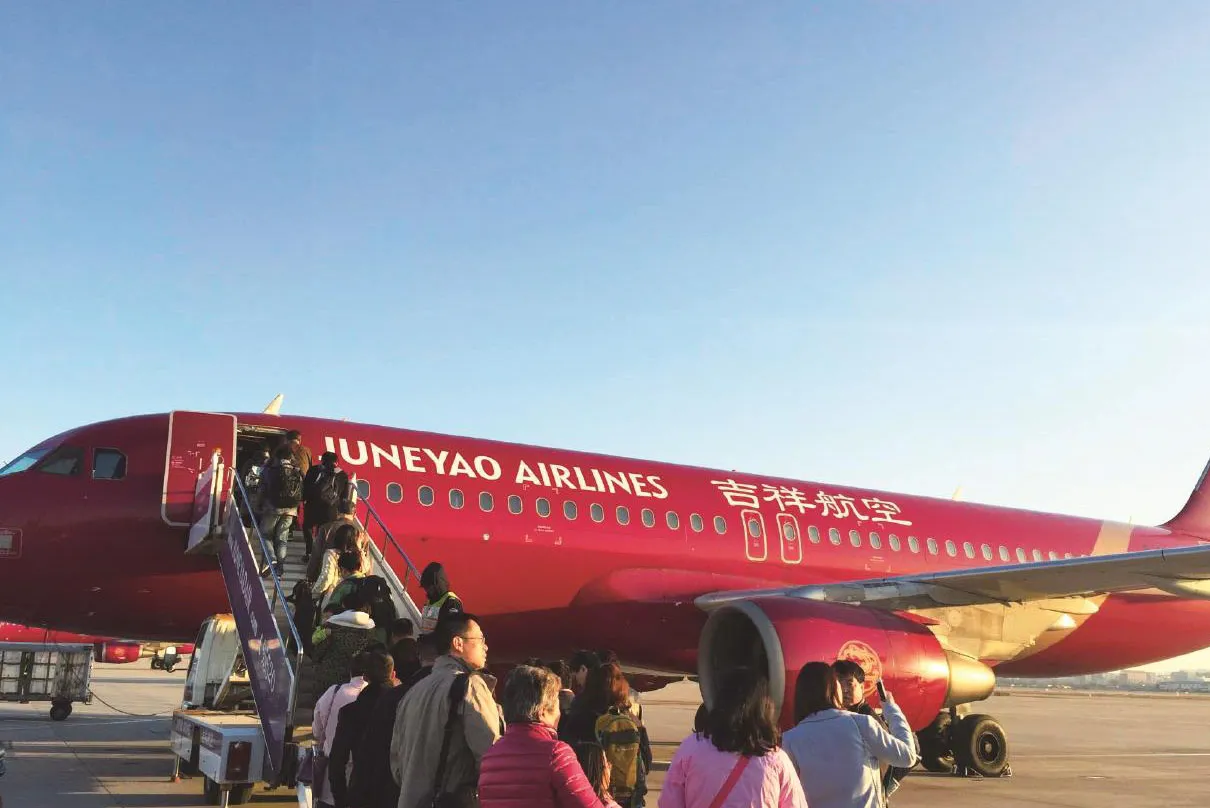
2016年冬春換季后,各航空公司更認可北海作為旅游目的地市場的定位,充分利用北海得天獨厚的“候鳥”反季節旅游資源,將“候鳥”旅游計劃落到實處,并打造北海季節性的老年人的“候鳥游”、“暖冬游”等特色產品。據北海機場公司副總經理周衛東介紹,目前北海機場的航線已經全面覆蓋東北三省,華東地區等客源充足的地區,在2017年春運期間,這些地區來北海越冬的“候鳥型”游客也大大增加。
南方航空廣西分公司北海營業部經理侯民告訴記者,通過實施“機場+旅行社+航空公司”的開發策略,北海的旅游市場日趨火熱,加上2016年面向華東地區的成功旅游推介,使得在外地游客心目中,北海的口碑越來越好。而奧凱航空負責人則透露,該公司自2016年11月5日起執飛的天津至北海航線,現在每趟航班上座率超過90%。而哈爾濱、沈陽、長春、北京、天津、石家莊等北方城市到北海的航線上座率均保持高位。
機場拉近了時空距離,對改善地區投資環境起著不可替代的作用。北海航線的增加,改善了北海的投資環境,使北海完備了公、鐵、水、空綜合交通運輸體系,給物流運輸、客商考察帶來極大的便利,顯著增強了對外資的吸引力,有利于承接中國沿海發達地區的產業轉移。
廣東商人林鎮偉就是北海航空業發展的受益者之一。2010年,他利用北海出口加工區保稅物流功能,在廣西率先開始國外高檔紅酒進口業務。“航空業的不斷發展,我受益很大。”林鎮偉說,貫通東西南北中的北海航班不僅節省了物流成本,還讓搭機而來的客商和游客直接同他有了生意往來,他的公司也成為廣西高檔紅酒進口最多的公司。
此外,北海市圍繞珠三角、長三角等中國先進電子信息產業基地,開通或加密上海、深圳、南京、杭州等航線航班,加快人流、物流、資金的流動,進而吸引更多實力雄厚的電子科技型企業落戶北海。如今,電子信息已成為北海首個千億元產業,產值占據該行業廣西半壁江山。
數據顯示,北海航空業發展最快的“十二五”期間,北海市累計招商引資實際到位資金1751.6億元,外貿進出口額年均增長22%。2016年,北海多項經濟指標繼續位列廣西前列,其中財政收入增幅、規模以上工業生產總值增幅雙雙領跑廣西。
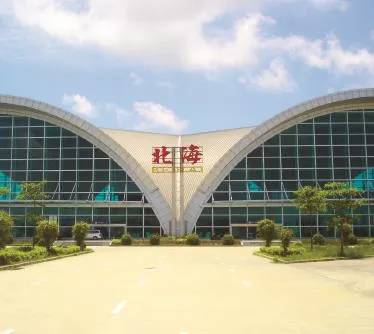
具有“寶石胸針”美稱的北海機場

北海機場致力于安全生產和服務保障的基礎設施的建設和改造
新常態下的新征程
當前,中國經濟發展進入新常態,較為發達的東部傳統市場增長放緩,中西部地區市場呈現快速崛起的跡象,廣西北部灣經濟區位的優勢明顯。西部地區以及一些具有增長潛力的支線機場成為航空公司特別是中小航空公司投放運力的首選;另外,隨著國家的高鐵網絡覆蓋面積加大,短途的民航航線客流量嚴重分流,南寧、桂林等地區至北海動車組加密運行,造成部分短途航線航班客流量下降,部分航線航班不得不停飛。
面對這些新情況,北海市培育航空市場工作小組積極聯系航空公司,探討優化航線網絡布局,完善航空主業營銷辦法,尋求對策,引進更多航空公司參與北海市場運營。
2016年12月27日,南航廣西分公司總經理劉安德宣布,北海營業部正式升格為北海基地。南航此次的“升級”,將對飛行保障、管理拓展、降低飛機“過夜”成本等方面有積極意義。利用南航廣西公司北海基地設立的良好機遇,北海機場繼續爭取增加運力投放;開發周邊腹地航空市場資源,以及重點拓展西北航空市場。這將為北海航空客貨運輸提供更豐富優質的選擇,助推廣西泛北部灣經濟圈和“一帶一路”建設。
此外,北海航空業還充分發揮北部灣經濟區臨近東盟的先天優勢,加大東盟國家國際航線的拓展。2016年11月2日,北海開通了至曼谷的國際航線,而這也是北海開通的第一條國際航線。眼下,北海機場將在2017年爭取加密哈爾濱—北海—曼谷,新開通長春—北海—暹粒等國際航線,盡快將北海機場升級為國際機場,迎勢而上,“飛”出新高度。
?聯系編輯:47953578@qq.com
China has taken the development of Guangxi Beibu Gulf Economic Zone (hereinafter referred to as GBGEZ) as one of its national strategies. Against the backdrop, Beihai, the sole open seaside city with airport in both GBGEZ and western China, has been steadily exploring the market of airline businesses.
In 2014, the passenger throughput of Baihai’s Fucheng Airport exceeded one million. Two years later, this amount stood at approximately 1.23 million, a year-on-year increase of 14.4 percent; moreover, the cargo throughput increased to roughly 4,655 tons, representing 13.4-percent growth.
An exceptional airline market
The passenger throughput of Fucheng Airport continues to rise annually since its offi cial operation in March 1987; however, it was on a sharp decrease because of adverse impacts caused by China’s domestic airlines’ strategic adjustments, particularly in 2007.
To address this tough issue, a work leading group was set up for the development of Beihai’s airline market in 2007, followed by a special fund for airline routes such as newlyincreased international ones, domestic main ones, etc.
As of now, there are a total of 12 direct-flight airlines gaining access to Fucheng Airport, with 20 airlines routes, 25 navigation terminals, 250 flights in a week and 5,098 seats available per day.
Booming local tourism
Currently, Beihai has been recognized as an ideal destination by tourists who often hibernate to Southern China. Fucheng Airport’s airline routes have covered three provinces in the northeast of China, namely Heihongjiang, Jilin and Liaoning, as well as provinces in the east. According to Okay Airways Co., Ltd., a Chinese civil airline, the attendance of each of its direct fl ights from Tianjin to Beihai is higher than 90 percent, which is almost the same to the ones from Beihai to other northern cities such as Beijing, Tianjin and Shijiazhuang.
For instance, a Cantonese businessperson named Lin Zhenwei said that he had benefi ted a lot from the booming industry, when talking about conveniences brought by the development of Beihai’s airline industry. In 2010, by virtue of the bonded logistics provided by Beihai Export Processing Zone, he was the fi rst one who got involved in the import of high-end wines in Guangxi. Now, his company has evolved into the largest one of its kind.
In addition, Beihai has opened or increased the fl ights from Beihai to Shanghai, Shenzhen, Nanjing and Hangzhou, etc., which are major cities in the Pearl River Delta or the Yangtze River Delta. By doing so, marked progress has been made in the flow of personnel, logistics and capital, attracting more large-scale scientific and technological enterprises to set up their branches there. At present, electronic information industry has developed into the largest one among industries in Beihai.
A new normal development
China’s economy has entered a new normal: The economic growth of China’s eastern area slows down, but a sharp rise of the western area is becoming evident, particularly in GBGEZ. Given this, Chinese airlines, especially smalland medium-sized ones, make the airports in western China their top priority.
Mr. Liu Ande, general manager of China Southern Airlines (Guangxi Branch), announced that their division of business in Beihai had been upgraded as a base on December 27, 2016, improving flight services, management and so on. Taking the construction project as an opportunity, Fucheng Airport is committed to enhancing its transport capacity and making use of airport-oriented resources in its surrounding areas. All this will make the airport more competitive in transport of passengers and cargos, and will advance the building of both the Belt and Road and GBGEZ.
Furthermore, GBGEZ shares the border with the ASEAN region geographically, so efforts are being made to increase the international fl ights to ASEAN countries. For example, the fl ight from Beihai to Bangkok began to be available on November 2, 2016. It is said that Fucheng Airport is striving to open more Haerbin-Beihai-Bangkok fl ights, and to make the Changchun-Beihai-Siem Reap fl ight accessible.
Guangxi’s Beihai Unleashes Its Potential for Airport
Written by Gan Quan / Translated by Xu Zhiliang
猜你喜歡
井岡教育(2022年2期)2022-10-14 03:11:26
今日農業(2021年15期)2021-10-14 08:19:58
現代畜牧科技(2021年4期)2021-07-21 06:12:56
軍民兩用技術與產品(2021年9期)2021-03-09 05:45:16
少先隊活動(2018年5期)2018-12-29 12:12:30
少年文藝·開心閱讀作文(2018年4期)2018-05-02 07:08:56
科學大眾(中學)(2018年2期)2018-02-01 12:53:52
少年文藝·開心閱讀作文(2018年1期)2018-01-19 09:05:26
小獼猴學習畫刊(2017年12期)2017-12-26 12:08:34
中國火炬(2014年3期)2014-07-24 14:44:39
