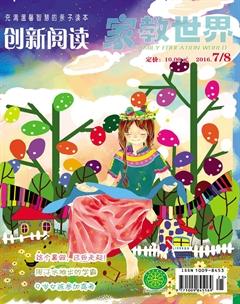
小熊的零花錢(下)等
2016-05-14 11:05:14
家教世界·創新閱讀 2016年8期
在熊王國,小熊們過著快樂的生活,而且也能夠賺到很多錢了,可是他們卻想把賺來的錢都花掉,熊媽媽建議孩子們把錢存到熊國銀行去。趕緊來看故事吧!
In fact, Brother and Sister are very good at making money. They sell wild flowers by the side of the road.
事實上,小熊兄妹很會賺錢。他們在路邊賣野花。
They sell wild berries door-to-door. Business is very, very good.
他們上門賣野莓。生意好得不得了。
They take visitors to see the most beautiful rainbow. Sisters piggy bank is full.
他們帶游客去觀賞最美麗的彩虹。熊妹妹的存錢罐滿滿當當的。
They take care of pets for neighbors. Brother has to borrow Mamas sugar bowl to keep his money in.
他們幫鄰居照看寵物。熊哥哥不得不借熊媽媽的糖碗裝錢。
“I think its enough. Look at them!” says Papa. “Yes. In the past, they didnt care about money. But now they care too much about it, ” says Mama.
“我覺得應該夠了。你看看!” 熊爸爸說。“對啊,過去他們從不關心錢。但是現在他們過于在乎了。”熊媽媽說。
“Come here, children,” says Papa. “Are you going to spend all your money?”
“孩子們,過來,” 熊爸爸說,“你們要把所有的錢都花掉嗎?”
“Yes!” Brother and Sister say together.
“是的!”兄妹倆異口同聲地答道。
“Thats not good,” says Mama. “You should spend some of the money on useful things. And save the rest of it.”
“那可不好哦,” 熊媽媽說,“你們應該用一部分錢買有用的東西,把余錢存起來。”
Brother and Sister ask, “Where do we put our money?” “I think the Bear Country Bank is a good place,” Says Mama. “Good,” says Papa. “The money can be your ‘nest egg.”
兄妹倆問:“我們要把錢存在哪里呢?”“我認為熊國銀行就是一個很好的地方,”熊媽媽說。“不錯哦,” 熊爸爸說,“這些錢可以作為你們備用的錢。”
That day the Bear family go to the bank and open an account for Brother and Sister.
那天小熊一家人都去了銀行,為小熊兄妹開通了賬戶。
“剪得斷,理不亂”的關系代詞
that, which, who, whom, whose, of which等關系代詞在用法上,既有重合,又有沖突。恐怕不少人早已迷失在這些“剪不斷理還亂”的關系代詞中了。今天小編重點為大家梳理一下which/ that/ who用法的區別。
which VS that
which和that都可指代物,有時候可以互換,有時候卻是“水火不容”。
一、只用that不能用which的情況:
(1)先行詞被序數詞或形容詞最高級所修飾,或本身是序數詞、基數詞、形容詞最高級時:
The most important thing that we should do is to study hard.我們要做的最重要的事情就是努力學習。
(2)被修飾的先行詞為all / any / much / many /
everything / anything / none / the one等不定代詞時:
Is there anything that you want to buy?你有什么東西要買嗎?
(3)先行詞被the only / the very / the same / the last / little / few等詞修飾時:
This is the same book that I lost.這就是我丟的那本書。
(4)先行詞里同時含有人和物時:
I can remember the persons and some pictures that I saw in the room.我清楚地記得我在那個房間所見到的人和一些照片。
(5)避免重復:
Which is the pen that belongs to you?哪支筆是你的?
(6)主句是there be結構:
There is a pen on the desk that belongs to Tom.桌子上那支筆是湯姆的。
二、只用which,而不用that的情況:
(1)先行詞為that / those時:
Whats that which is under the desk?在桌子底下的那些東西是什么?
(2)關系代詞前有介詞時:
This is the city in which he lives.這是他生活的城市。
(3)引導非限制性定語從句:
Tom passed the exam, which made us surprised.湯姆通過了考試,這使我們很驚訝。
英語小笑話
小心有狗
As a stranger entered a little country store, he noticed a sign warning, "Danger! Beware of dog!" posted on the glass door. Inside, he noticed a harmless old hound dog asleep on the floor beside the cash register. "Is that the dog folks are supposed to beware of?" he asked the owner. "Yep, that's him," came the reply. The stranger couldn't help but be amused. "That certainly doesn't look like a dangerous dog to me. Why in the world would you post that sign?" "Because," the owner explained, "Before I posted that sign, people kept tripping over him!"
一名陌生人走進一家鄉間小商店,看到玻璃門上貼著的一個告示牌上寫著,“危險! 小心有狗!”進去后,他看到一條樣子一點都不兇的老狗趴在收款機旁邊的地板上睡覺。“這就是大伙都得留神的那只狗嗎?”陌生人問店主。“是,就是他。”店主回答。 聽到這個回答, 陌生人覺得很好笑。“我覺得那條狗一點都不可怕。你貼那個告示做什么?”“因為,”店主解釋說,“在我貼告示之前, 大伙老被他絆倒。”