
技術美學與生命寓言
——對新媒體藝術家徐文愷及個展“不確定”的觀察和誤讀
2016-04-14 02:58:33艾姝
天津美術學院學報 2016年2期
艾 姝
技術美學與生命寓言
——對新媒體藝術家徐文愷及個展“不確定”的觀察和誤讀
艾 姝
編者按:藝術家徐文愷學計算機出身,長于通過數據處理及信息過濾,在他的創作中極大限度地運用建筑、電子音樂、表演、產品設計、醫學等跨領域的語言,展現了當今這個網絡技術發達的時代,成長于媒體之下的青年藝術家對藝術“不確定性”的理解與表現。
Editor’s note:The artist Xu Wenkai, who majored in computer science when at university, is good at data processing and information fltering. In his creation, he makes the most of the interdisciplinary language of architecture, electronic music, performance, product design and medicine to demonstrate a young artist’s understanding and expression of“uncertainty” of art in this age characterized by developed Internet technology.
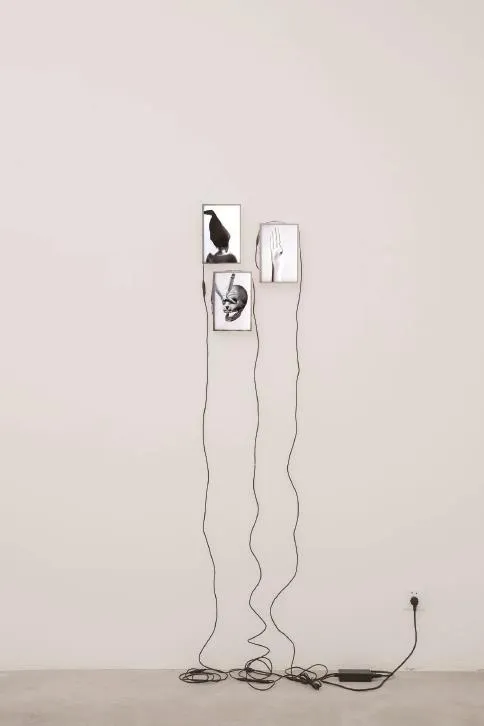
圖1 徐文愷 從左至右 Untitled,Untitled 0,Untitled 2 視頻裝置 LCD顯示器,亞克力組件 16×24×3.4/件,04:00左右3件 2015年Fig. 1 Xu Wenkai, (from left to right) Untitled, Untitled 0, Untitled 2, video installation, LCD Screen, Acrylic Fittings, 16×24×3.4 cm each piece, 2015
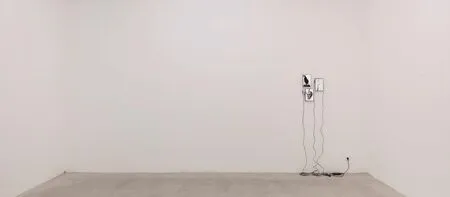
圖2 徐文愷 《Untitled》的展覽現場Fig. 2 Exhibition view of Xu Wenkai’sUntitled
2015年的最后一天,在北京霧霾彌漫的空氣中,觀眾進入到798藝術區楊畫廊的展示空間,心情可能會從霧霾導致的“緊張檔”調換到“輕松檔”。因為藝術家徐文愷在個展“不確定”中,討論了“新生命”——與網絡信息和生物技術、太空探索、環境污染等時代背景緊密關聯的論題。
第一個6平方米左右的純白空間中只有三個小屏幕,其中分別“浮動”著用計算機繪制的頭部、手和頭骨的特寫鏡頭(圖1、圖2)。三個小屏幕簇擁在一面墻的一角,而其余三面墻上沒有任何圖像,有待想象。第二個純白空間比第一個更為高大,四個造型相近的灰色瘦長“人體”懸浮著(圖3、圖4)組成第二件作品。它們是之前小屏幕展示的頭部和手部圖像的“實體”。每個實體的脖子后部都有一個“文身”(圖5、圖6),這就是“未來人”區別于彼此的唯一身份符號。在懸浮的人體后,墻面上類似于身份符號的放大版圖形構成了背景——此為第三件作品(圖7—圖9)。金色的銅線像蜘蛛網一樣“附著”在白色墻面上。遠看過去,這些線條構成體仿佛懸浮在白色的“懸置空間”中。這面暗示懸置空間的墻面,是從計算機虛擬空間向真實三維空間的延伸和過渡,不僅是空間背景,也是敘事背景:二維與三維、虛擬與實體的轉換通道。第四件作品被安置在此展廳入口的右側墻角,是通過3D打印技術制作的頭骨(圖10)。它是第一個展廳中小屏幕上所展示頭骨的實體。頭骨的后側明顯泛黃,這是作者刻意將它放到窗邊曝曬的結果。所有這些作品都沒有放置標簽,觀眾看到的正是一些“不確定”的、有待進一步想象的概念作品。
展廳二層,陳列著一件老作品《Meta》(2013年,圖11—圖13),這也是徐文愷本次展覽作品的構想基礎,它勾勒出理解一層四件新作品的關鍵語境。一切從計算機運算開始,創作者編定基本的規則,后面的運算自發地持續下去,并根據參數變化產生超出預設的圖像——帶領我參觀的畫廊工作人員根據自己的理解,向我如此“轉述”了作品的意義。于是,我理解這件作品的底層數據應該類似于著名的約翰·康威“生命起源”程序,其基本規則是:棋盤一樣的格子,亮為“生”,滅為“死”,滅的格子周圍的八個格子中只要有三個格子亮著,則中心的這個格子會亮起來,意味著生;如果亮著的格子周圍的八個格子中有四個及以上的格子亮著,則中心這個格子會因為“擁擠”致死而滅掉。這是一個類似于丟下種子就自發開始的細胞復制過程。《Meta》這段不斷變化的圖像中,有類似于展覽空間一層的未來人身份符號的圖形,它們也類似于暗示“懸置空間”的墻面上的圖形結構——展覽中各個作品的意義就基于如福柯指出的那種“近似”。盡管整個敘事可能存在思維斷裂,但這些未來人的樣態應與《Meta》中的數據繁殖、進化有關,至少它們的身份符號暗示出這種淵源。當然,以這套運算進行下去,未來人的樣態也可能是那個骷髏的樣子,所以一切仍舊“不確定”。
On the last day of 2015, in the hazy air in Beijing, when the viewers entered the exhibition space of Yang Gallery of 798 Art District, they might feel relaxed after experiencing haze-caused nervousness. For in his solo exhibition “Uncertain”, the artist Xu Wenkai tried to discuss “new life”, a topic closely related to the background of this era, such as network information, biotechnology, space exploration, and environmental pollution.
In the frst space, a pure white space of about 6 m2, there were only three small screens, on which close-up shots of a head, a hand and a skull drawn by computer were “foating” respectively (fgs. 1, 2). The three small screens clustered closely on the corner of a wall while the other three walls were blank for imagination. The second pure white space was bigger and taller than the frst, where four suspending grey and thin“human bodies”, similar in form, constituted the second work (fgs. 3, 4). They were actually the “real objects” of the head and the hand shown on the small screens in the frst work. On the back of the neck of each real object there was a “tattoo” (fgs. 5, 6), the only identity mark of the“future human beings” that could differentiate them from one another. Behind the suspending bodies, the enlarged pattern of something like identity mark on the wall constituted the background, and it was the third work (fgs. 7-9). Golden copper wires were attached to the white wall like spider webs. Seen in the distance, these wires seemed suspending in a white “suspending space”. This wall, suggestive of a suspending space, was the extension and transition from the computer’s virtual space to the real three-dimensional space. It was not only a spatial background, but also a narrative one: a transitional channel from the two-dimensional to the three-dimensional and from the virtual to the real. The fourth work, placed at the right corner beside the entrance to the exhibition hall, was a skull made by means of 3D printing technology (fg. 10). It was the real object of the skull shown on one of the three small screens in the frst exhibition room. The back of the skull was obviously yellowing as the result of being exposed to the sun at the window by the artist deliberately. As none of the four works had a tag, what the viewers saw was “uncertain”conceptual works for further imagination.
On the second foor of the exhibition hall, an old work titledMetawas displayed (2013, fgs. 11-13), which also served as the basis for Xu Wenkai’s conception of the exhibits. It offered a key to understanding the four new works exhibited on the first floor. All started from computer calculation, and the basic regulation was laid down by the creator. Subsequent calculations continued spontaneously and generated unexpected images according to parametric variation. A gallery staff member paraphrased the above meaning of the work to me according to his own understanding while guiding me through the exhibition. Therefore, I realized that the underlying data of the work resembled that of the program “Game of Life”, designed by John Conway. Its basic rules were as follows. The bright squares of something like chessboard meant “alive” while the dark ones, “dead”. If three of the eight squares that surrounded a dark square were bright, then the central square would become bright, meaning “alive”; if four or more of the eight squares that surrounded a bright square were bright, then the central square would become dark because of crowdedness. This was like the spontaneous process of cell replication caused by a seed. Among the ever-changing images ofMetaare those resembling the identity marks of future human beings displayed on the first floor as well as the patterns on the wall suggestive of a “suspending space”. The meanings of the exhibits were based on the “resemblance” pointed out by Foucault. Although the whole narration might have fractures of thinking, the appearances of future human beings might have some link with the data replication and evolvement shown inMeta, or at least their identity marks implied such an origin. Certainly, if the calculation went on, future human beings might look like that skull and, therefore, everything was still “uncertain”.
徐文愷的教育背景與通常的藝術家有很大差異,他畢業于武漢大學計算機系。從本次展覽的作品來看,有兩個鮮明的特點。其一,思考的緯度上,他更觀照技術哲學的相關問題。
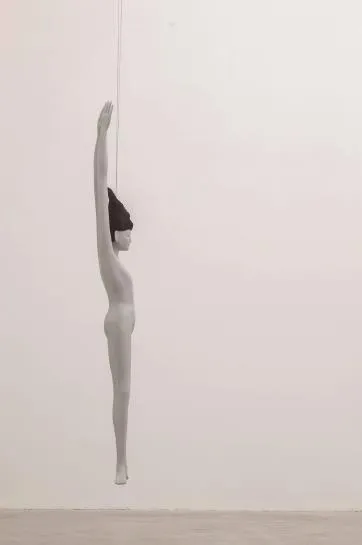
圖3 徐文愷 圖騰 雕塑 樹脂、海綿、金屬結構 尺寸可變2015年Fig. 3 Xu Wenkai, Totem, sculpture, resin, sponge, metal structure, variable size, 2015
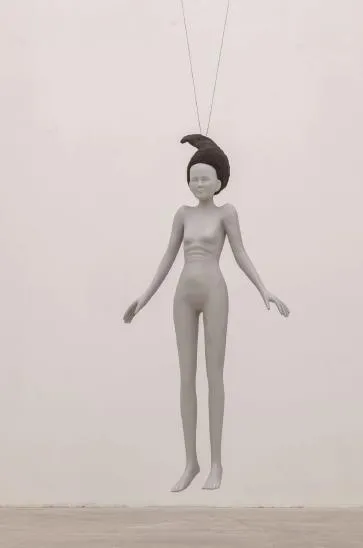
圖4 徐文愷 圖騰 雕塑 樹脂、海綿、金屬結構 尺寸可變2015年Picture 4 Xu Wenkai, Totem, sculpture, resin, sponge, metal structure, variable size, 2015
之前的作品中,他常常利用“機器”為媒介,探討技術對于人和社會造成的影響;然而,從《Meta》開始,延續到這次個展的四件作品,他以技術制造現實的“鏡像”,并從中思考生命規則、生命發展等問題,這里有其對技術反思的推進,從社會學思考轉向更宏觀的生命哲學命題。當然,他或許也回應著近年國內日益高漲的科幻熱潮。本次徐文愷作品的另一個特點是,形式上根植于技術美學的維度。美學在當代藝術中的位置早已式微,當代藝術作品的成功更仰賴于主題的重要性和藝術家的洞見力;但“形式”仍是視覺藝術難以繞開的重要問題。徐文愷《Meta》以后的作品之所以可以被冠以“技術美學”,可以從作品的整體設計和制作的精細程度來理解。極簡的、標準化的工業設計潮流,在個體身體特征幾乎無法辨識的“未來人”身上得以體現,只有唯一的“文身”來區分彼此。而《Meta》中不斷繁殖著的虛擬“生命形態”,其極簡的線條通過數據運算形成千變萬化的形式,引人聯想到達·芬奇以數學規律捕獲人體黃金比例的傳奇事件——數與美,在人類歷史中,長期孿生。《Meta》所開啟的未來的可能世界中,“美”在計算機的數學運算中自然獲得,那些如晶體的、玫瑰花朵的形狀,都被數據運算處理得簡潔而精致;其播放器(圖11)則是一個由藝術家專門制作的木盒子,電路板被工整地裝飾在盒子表面,兼具材質的美感和技術感,飽含對技術的愛與敬畏,與很多新媒體藝術家直接搬用電視、顯示器等現成播放器的做法截然不同。而一層展廳中墻面上“懸浮”的金屬圖形,也是從計算機運算產生的圖形中截取出來,再嚴格按照比例,從等大的銅板上切割出的二維實體。當然,上述這種借鑒現代科技和制造手段所誕生的藝術作品,并非只是徐文愷理科背景的體現,也是當前新媒體藝術所要求的技術能力和技術思維的體現,還是新媒體藝術復歸到文藝復興時期以達·芬奇為代表的科學與藝術結合實踐傳統的體現。
Xu Wenkai’s educational background differs a lot from those of other artists. He graduated from the Computer Engineering Department, Wuhan University. His works at the exhibition show two distinct characteristics. First, he is concerned more about philosophy of technology. In his former works, he often used “machines” as a medium to discuss the influence of technology on human beings and society. However, fromMetato the four works at this solo exhibition, he has produced “mirror images” of reality by means of technology, and refects on such issues as rules and development of life. Here his promotion of rethinking about technology and his turning from sociological considerations to the more macroscopic proposition of philosophy of life are implied. Of course, maybe he has done this as a reaction to the increasingly rising science fction rush in China in recent years. Another characteristic of Xu’s works is that they are based, in form, on technology aesthetics. Aesthetics has long suffered from a decline of its status in contemporary art, and the success of modern art works depend more on the importance of themes and the insight of artists. However, “form”is still an important element hard to bypass in visual art. The labelling of Xu Wenkai’sMetaand his later works as “technology aesthetics”can be understood from the perspective of the overall design and the elaborateness of making. The trend of Minimalist and standardized industrial design is embodied in future human beings whose individual features are too similar to differentiate. The only identity mark is the“tattoo”. The virtual “life form” in successive reproduction inMetais revealed in simple lines that varies with data operation, reminding people of the legendary event that Leonardo da Vinci acquired the golden ratio of human body by mathematical laws. Number and beauty have been twins throughout history. In the future possible world thatMetaopened up, “beauty” can be naturally acquired in computer calculation. Those shapes similar to crystalline rose petals look simple but fne after being processed by data operation. The player (fg. 11) is a wooden box specially made by the artist on the surface of which a circuit board is placed in a neat manner. This player, full of beauty of texture and sense of technology and with the love and awe for technology contained in it, is totally different from the ready-made players such as TV sets and monitors many new-media artists used directly. The “suspending” metal patterns on the wall of the frst-foor exhibition hall are two-dimensional solid structures, cut out of same-size copper plates according to a selected part of the pattern also generated from computer calculation in a certain proportion. Of course, the above-mentioned art works withmodern technology and methods used for reference are an embodiment of not only Xu Wenkai’s science background, but also the technical skills and technical thinking demanded by new media art, and moreover, the returning of new media art to the Renaissance tradition, represented by Leonardo da Vinci, of combining science with art.
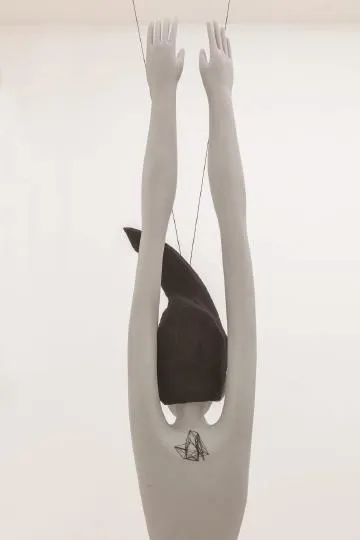
圖5 徐文愷 圖騰(局部) 雕塑 樹脂、海綿、金屬結構尺寸可變 2015年Fig. 5 Xu Wenkai, Totem (detail), sculpture, resin, sponge, metal structure, variable size, 2015
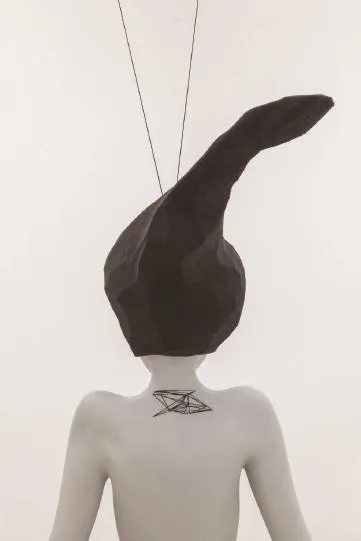
圖6 徐文愷 圖騰(局部) 雕塑 樹脂、海綿、金屬結構尺寸可變 2015年Fig. 6 Xu Wenkai, Totem (detail), sculpture, resin, sponge, metal structure, variable size, 2015
從《Meta》到這次展覽的“實物”作品《碎片》(圖7)、《圖騰》(圖3—圖6)、《存在》(圖10),有一種從“數字”(digital)到“模擬”(analog)的轉換。如前文所述,《碎片》展示了二者轉換的通道。數字虛擬世界是由二進制(0和1)構成的整數的世界,可以被精確復制,不存在原本與復制本的本質區別;而模擬的世界是對現實的物理模仿,由連續的物理信號或物質構成的,如果復制,則會產生衰減和差異,則無法真正存在兩件完全一樣的事物。徐文愷將自己在數字世界中創造的形象制造為“實物”,別有意味:這是對數字世界的“虛擬物”反向“模擬”,此舉并不能被簡單地理解為類似動漫衍生品“手辦”的形態。畢竟,徐文愷嚴格地規定這些未來人的外形為標準化、同一化的——排除現實世界中人造物必然的差異性——正像《存在》中的頭骨,是被3D打印出來的虛擬產物的“精確”物理呈現。不過,作者也意識到了,一旦具有真實世界的形體,物體必然經歷物理世界的改變,不再是虛擬世界中所設計的樣子,因而他會把頭骨置于陽光下曝曬。因而,徐文愷的試驗通過“數字”造物與“模擬”造物的混合使用,探討著世界的更豐富可能。
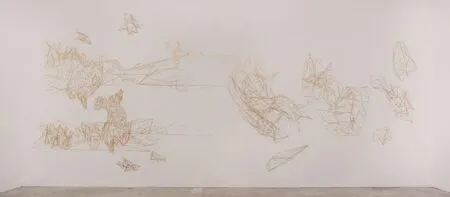
圖7 徐文愷 碎片 裝置 蝕刻銅片×59 尺寸可變 2015年Fig. 7 Xu Wenkai, Bits of Information, installation, etching copper plate×59, variable size, 2015
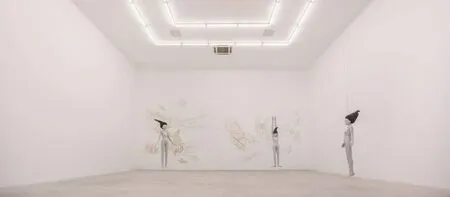
圖8 展覽“不確定”現場Fig. 8 View of the exhibition Untitled
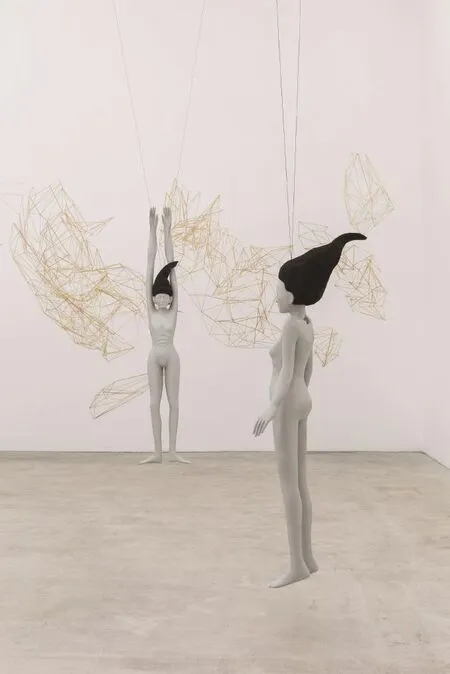
圖9 徐文愷 展覽「不確定」現場Fig. 9 View of the exhibition Untitled
A transition from “digital” to “analog” exists betweenMetaand the “real object” works showcased at the exhibition, includingBits of Information(fg. 7),Totem(fgs. 3-6), andExist(fg. 10). As mentioned above,Bits of Informationshows the channel for the transition. The digital virtual world is a world of integers constituted by a binary system of 0 and 1, which can be precisely duplicated without the essential difference of the original and the duplicate. However, as the simulated world is a physical imitation of reality, constituted by continuous physical signals or materials, duplication will involve attenuation and variation. As a result, it is impossible to produce two totally identical things. There is a distinctive meaning in Xu Wenkai’s turning the images he created in the digital world into “real objects”: it is a reverse simulation of the virtual in the digital world. Works thus produced cannot be simply interpreted as “Garage Kits”, anime derivative products. After all, Xu Wenkai portrays those future human beings with strictly standardized and uniform appearances, in which the inevitable differences between man-made objects in the real world are eliminated, just like the skull inExist, which is the precise physical presentation,by 3D printing, of a virtual product. The artist has also realized, however, that once something is materialized, it must undergo changes in the physical world and no longer has the designed appearance in the virtual world. That’s why he exposed the skull to the sun. Therefore, by means of mixed use of “digital” and “simulative” creations, Xu, in his experiment, explores more possibilities of the world.
Certainly, from a more macroscopic perspective of human technology development, the above mentioned process from digital programming to real object manufacturing may be, to some extent, a metaphor of the working of genetic technology, a “life fable” supported by historical and realistic information. If we connect the genesis myth demonstrated byMetawith the future human beings inTotem, and suppose that the latter is the extension of the former (he has no means to truly simulate the process of producing human beings, but only hints at a connection through the similarity between the tattoos on future human beings’ bodies and the images of origin), then perhaps human beings would have proceeded from making tomb fgures in ancient times to the world myth of cloning Dolly and replicating human organs on the basis of biological technology, and eventually to producing human beings. Through the new “tailoring” of underlying genetic data, the fundamental genetic traits of biological entities are duplicated, screened, controlled, rewritten, and even created. The underlying data ofMetaare “genes”, and the artist’s intervention in data operation is “gene rewriting”. The various images we see at last are the “new lives after genetic manipulation”.
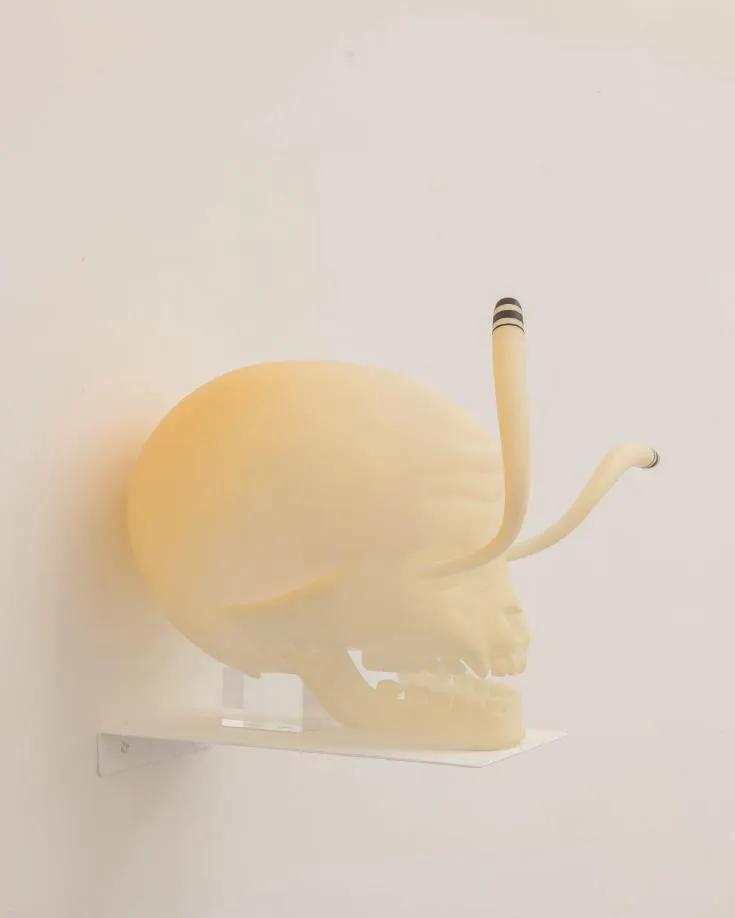
圖10 徐文愷 存在 裝置 3D打印、樹脂 30×30×27cm 2015年Fig. 10 Xu Wenkai, Exist, sculpture, 3D printing, resin, 30×30×27 cm, 2015
當然,從更宏觀的人類技術發展的語境中看,上述從數字編寫到實體制造的過程,在某種程度上還可能隱喻著基因技術之所為,是有歷史、現實信息作為支撐的“生命寓言”。若將徐文愷的《Meta》所演示的創世神話和他創造的《圖騰》未來人聯系起來,假設后者是前者的延續——他并沒有能力真正模擬這個造人過程,但通過未來人身上文身與起源圖像的相似性來暗示一種關聯——那么人類或許已經從古代制造墓葬“人偶”的階段,奔向基于生物技術的克隆多利羊、人類器官的生物復制,最終造人的現世神話。通過對底層基因數據的重新“裁剪”,生物實體的基因性狀被復制、篩選、控制、改寫甚至創造。《Meta》圖像的底層數據就是“基因”,而作者對數據運算的干預就是“基因改寫”,最終我們看到的各種圖像形態就是“基因控制后的新生命”。
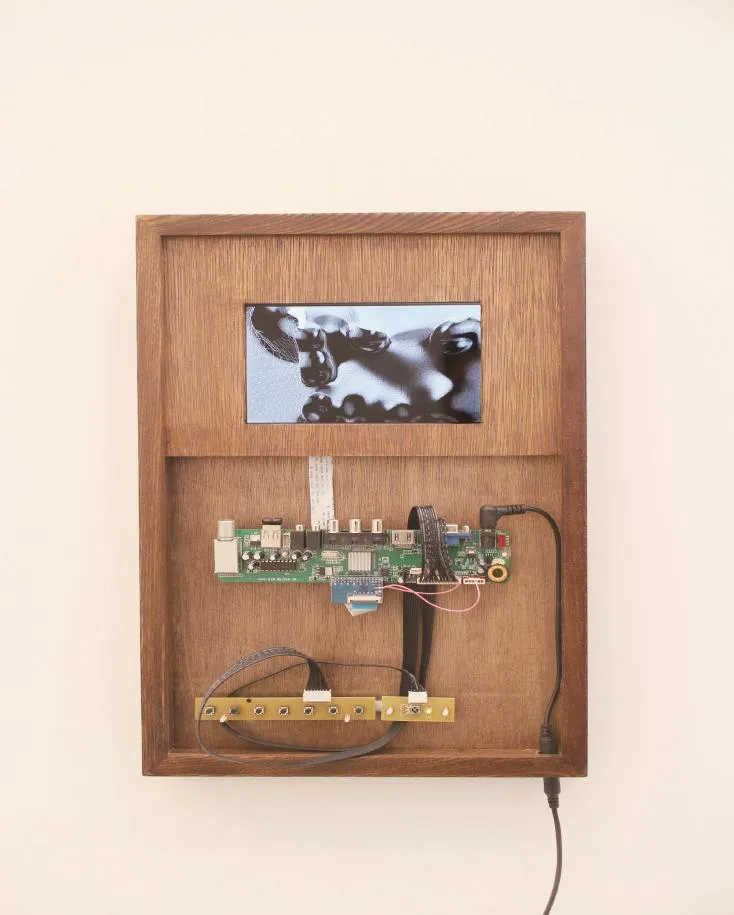
圖11 徐文愷 Meta 視頻裝置 LCD顯示器、電路板、木頭組件 42.5×28×4.5cm 12’30” 2013年Fig. 11 Xu Wenkai, Meta, video installation, LCD screen, PCB, wood fttings, 42.5×28×4.5cm, 12’30” , 2013
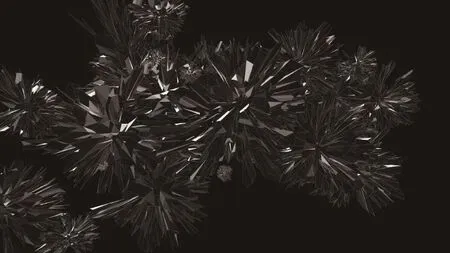
圖12 徐文愷 Meta 視頻裝置(截圖) LCD顯示器、電路板、木頭組件 42.5×28×4.5cm 12’30” 2013年Fig. 12 Xu Wenkai, Meta, LCD screen, PCB, wood fttings, 42.5×28×4.5cm, 12’30” , 2013
2016年1月12日,筆者就本次個展的作品與徐文愷(網絡代稱:aaajiao)通過微信交流。在他自己看來,《Meta》是無意義的,它的存在是為了反對2013年時無論在現實社會還是新媒體藝術圈里都異常火爆的大數據及其視覺化呈現。這種無意義是要消解大數據可視化的偽命題。這件作品的數據程序由徐文凱及其團隊編寫,具體的參數變化則來自徐文愷手動控制的MIDI設備,即物理的、模擬樣式的機器。如此,數據演算的程序模式是數字形態的自發運算,而MIDI杠桿的調整是人為隨機制造的“模擬”形式的信息,最終的作品視覺效果更為豐富,也無法被精確復制。最終,在Meta這個模型中,輸入數據所產生的圖像什么也說明不了,意義被消解。他希望作品要與別人的做法不同,要有視覺特色,也要具有開放性。這就是徐文愷告訴我的關于《Meta》創作的“本意”。而在筆者眼里,如前文所述,《Meta》讓我想起了著名的約翰·康威“生命起源”程序,與他的本意有極大出入,自然筆者基于此對整個展覽的解讀也顯示為“誤讀”——不過,徐文愷“不確定”展中的這四件新作的確是基于《Meta》展開的。我并沒有告訴他我的解讀,只是在聽到他的原意之后告訴他:一、畫廊提供了與他不一樣的信息;二、藝術作品的傳播需要意義。他就此點的回應是,他并不排斥不同身份的觀眾根據自己經驗對作品意義的解釋——正因為作品是開放的,才會激發觀眾不同的解讀,這正是他認為開放性作品的有趣之所在。
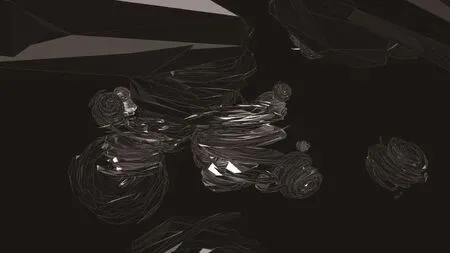
圖13 徐文愷 Meta 視頻裝置(截圖) LCD顯示器、電路板、木頭組件 42.5×28×4.5cm 12’30” 2013年Fig. 13 Xu Wenkai, Meta, LCD screen, PCB, wood fttings, 42.5×28×4.5cm, 12’30” , 2013
On January 12, 2016, I communicated on Wechat with Xu Wenkai (net name: aaajiao) about the exhibits. According to him,Metais meaningless. He created it as an act of opposition to the big data and itsvisual appearance which was really hot in society and the new media art circles in 2013. The meaninglessness was aimed to destruct the pseudoproposition of big data visualization. The data program of the work was written by Xu Wenkai and his team. The specifc parametric variation came from the MIDI equipment, a type of physical and simulative equipment, manually controlled by Xu Wenkai,. The program mode of data calculation was spontaneous operation in digital form while the MIDI lever was adjusted by simulative information randomly generated. The final work had richer visual effects which could not be exactly duplicated. InMeta, the images generated after data input meant nothing. Xu Wenkai hoped that his works, with their visual features and openness, could be distinct from those by other artists. This was what Xu Wenkai told me about the original idea ofMeta. As mentioned above,Metareminded me of the famous program of “Game of Life” by John Conway, quite inconsistent with Xu Wenkai’s own interpretation of the work. Therefore, I naturally misread the exhibition. However, the four new works in “Uncertain” were indeed created on the basis ofMeta. I didn’t tell the artist about my interpretation, but only told him after learning his original intention: 1. The gallery provided different information. 2. Meaning is needed in the spreading of art works. In response, he said that he would not reject interpretations of the meanings of his works by different viewers according to their own experiences. It is the openness of works that stimulates the viewers’different interpretations, and just here lies, in his view, the interest of open works.
艾 姝:天津美術學院學報編輯
Ai Shu: editor of the Journal of Tianjin Academy of Fine Arts
Technology Aesthetics & Life Fable: Observation and Misreading of New Media Artist Xu Wenkai and His Exhibition “Uncertain”
/Ai Shu
