How to Speak New York紐約話的奧秘
2025-02-12 00:00:00戴爾德麗·馬斯克/金貝爾/譯
英語世界 2025年2期
In Language City, the linguist Ross Perlin chronicles some of the precious traditions hanging on in the world’s most linguistically diverse metropolis.
在《語言之城》一書中,語言學家羅斯·佩林記錄了在世界上語言最多元化的大都市中保留下來的一些珍貴傳統。
“Up on the sixth floor of an old commercial building along the sunless canyon1 of 18th Street, there is a room where languages from all over the world converge.” It makes sense that the Endangered Language Alliance, the only organization in the world focused on “the linguistic diversity of cities,” lives here, in a donated office in the most linguistically diverse metropolis on earth. It is also here that Ross Perlin begins Language City, his gorgeous new narrative of New York, as told through the hundreds of languages spoken in its five boroughs.
“兩邊高樓聳立的第18街照不到陽光,臨街一棟老舊商業大樓的6層有一個房間,那里匯集了來自世界各地的語言。”瀕危語言聯盟是全世界唯一聚焦于“城市語言多樣性”的組織,駐扎在地球上語言最多元化的大都市中一間捐贈的辦公室里——這不無道理。也正是在這個房間里,羅斯·佩林動筆寫就《語言之城》。在這本書中,他通過紐約5個區的數百種語言,從嶄新的視角對紐約展開了宏大的敘事。
On any given day, the E.L.A.’s cramped office bursts with people singing in Bishnupriya Manipuri (originally from Bangladesh), writing in Tsou (Taiwan, China) and recording in Ikota (Gabon). A caller from the Bronx, with a voice “full of longing,” seeks recordings of the language he left at the Mali-Burkina Faso border when he was 7.
聯盟狹小的辦公室里,每天都擠滿了用毗濕奴布里亞-曼尼普爾語(源自孟加拉國)唱歌的人,用鄒語(中國臺灣)寫作的人,還有用科塔語(加蓬)錄音的人。一通電話從布朗克斯區打來,對方用“充滿渴望”的聲音,詢問能否找到他7歲那年在馬里-布基納法索邊境留下的語言錄音。
Perlin, the co-director of the E.L.A. and an accomplished linguist himself, explains that up to half of the world’s 7,000 languages are likely to die over the next few centuries. But his book is less a lament for the deaths of endangered languages than an account of how, like their speakers, they have built new lives in a place where half the residents speak a language other than English at home.
佩林不僅是瀕危語言聯盟的聯合主席,也是一名頗有建樹的語言學家。他解釋道,世界上有7000種語言,其中多達一半的語言很可能會在接下來的幾百年間消亡。但他的《語言之城》與其說是對瀕危語言消亡的哀嘆,不如說是一份記錄——記錄瀕危語言如何像它們的使用者那樣,在一個半數居民在家不說英語的地方煥發新的活力。
Perlin retells the familiar story of the city through the lens of its exceptional linguistic history, beginning with Indigenous languages like Lenape (in which Manaháhtaan means “the place where we get bows”). Early settlers included the first 32 Walloon2 families to live permanently in New Amsterdam3 and enslaved Kikongo speakers from the Kingdom of the Kongo4.
佩林以獨特的語言史視角,從萊納佩語(曼哈頓得名自這種語言,名字的原義為“我們得到弓的地方”)等原住民語言寫起,重述了人們耳熟能詳的紐約故事。紐約的早期定居者包括最先在新阿姆斯特丹永久居住的32個瓦隆家族,以及來自剛果王國的說剛果語的奴隸。
While Massachusetts and Virginia were “fanatically intolerant English-only colonies,” New Amsterdam did not seem to care; in 1643, a priest wrote of finding 18 languages among just a few hundred men. New York soon boasted not just languages like English, Spanish, French and Russian, but also Basque5 and Breton6, Catalan and Maltese. Some 200 years later, the Hart-Celler Act of 1965, which ended longstanding national-origin immigration quotas7, helped make Bengali and Urdu two of the city’s most widely spoken languages.
當時的馬薩諸塞州和弗吉尼亞州還是“堅決只許講英語的殖民地”,而新阿姆斯特丹似乎對人們說什么語言毫不在意——1643年,一位牧師寫道,僅在幾百個人中就發現了18種語言。很快,除了英語、西班牙語、法語、俄語,紐約還出現了巴斯克語、布列塔尼語、加泰羅尼亞語和馬耳他語。大約200年后,1965年的《哈特-塞勒法案》結束了過去長期存在的民族來源移民配額制,促使孟加拉語和烏爾都語進入紐約使用最廣泛的語言之列。
Throughout, Perlin never misses the chance to reinforce a key point: The history of New York’s lesser-known languages is also that of the traumas of many speakers. Some fled genocide (as in the cases of Western Armenian and Judeo-Greek), others mass deportation (languages of the North Caucasus), racial violence (Gullah, an English-based Creole) or starvation (Irish). Linguistic minorities “have been overrepresented in diaspora,” Perlin points out, because they are “hit hardest by conflict, catastrophe and privation and thus impelled to leave.”
佩林在書中始終強調一個核心觀點:紐約鮮為人知的語言的發展史也是眾多語言使用者的創傷史。他們當中的一些人為躲避種族滅絕而逃難(例如西亞美尼亞語和猶太-希臘語的使用者),另一些人則因慘遭大規模驅逐(北高加索諸語言的使用者)、種族暴力(格勒語使用者,格勒語是基于英語的克里奧爾語)或饑荒(愛爾蘭語使用者)而流亡。佩林指出,語言少數族裔“在流散人口中占絕大部分”,因為他們“受沖突、災難和貧困的影響最大,所以被迫背井離鄉”。
Perlin’s excellent account of the present-day city chronicles six New Yorkers all working, in some way, to extend the lives of their languages. This includes Rasmina, who takes Perlin to “380,” a six-story apartment building in Flatbush that has housed over 100 of the world’s 700 speakers of Seke, a Tibetan-Burman language. Ibrahima runs a website in N’ko8, a West African alphabet created in 1949, and Irwin writes poetry in Nahuatl, an indigenous language he absorbed while listening in at his grandfather’s grocery store in Mexico.
佩林對現代紐約的精彩描述記錄了6個紐約人的故事,他們都在以自己的方式努力延長他們語言的生命。拉斯米娜就是其中之一,正是她把佩林帶到了弗拉特布什380號。那是一棟6層公寓樓,里面住著100多個說塞凱語(屬于藏緬語族)的人,而全世界僅有700人使用這種語言。易卜拉希馬運營著使用恩科字母的網站,這套西非字母創造于1949年。歐文則用納瓦特爾語寫詩,這種土著語是他在墨西哥祖父的雜貨鋪里偷聽學到的。
Husniya plans children’s books in Wakhi, a Pamiri language spoken where Tajikistan, Pakistan, Afghanistan and China meet. Dianne, probably the last native speaker of Lenape, tells Perlin wistfully, “Now there’s nowhere to hear the language outside the walls of my head.”
胡斯尼亞計劃出版瓦罕語童書,這種帕米爾人使用的語言分布在塔吉克斯坦、巴基斯坦、阿富汗、中國的交界處。戴安娜可能是最后一個母語為萊納佩語的人,她傷感地對佩林說:“除了我的腦海里,其他地方再也聽不到萊納佩語了。”
It’s hard to be hopeful. Intergenerational transfer of endangered languages is particularly difficult. Still, Perlin builds a compelling case for why preserving them matters not just for the speakers, but for humanity itself. It’s an argument he lives in his own life. But change is inevitable. As Perlin says, “Someday English, too, will be down to its last speaker.”
情況不容樂觀,因為瀕危語言的代際傳承尤其困難。盡管如此,佩林依然提出了一個令人信服的理由,說明保護瀕危語言不僅關乎使用者,更關乎全人類。這也是他在生活中踐行的信念。然而,變化不可避免,正如佩林所說,“終有一天,說英語的人也會只剩最后一個。”
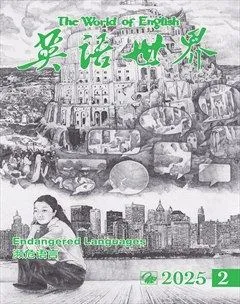
About halfway through reading Language City, I reached for the Bible, looking for the story of the Tower of Babel. I knew the basics of the Genesis story: At a time when the world had “one language and a common speech,” the people of Babel decided to build a city, with a tower reaching to heaven. God disapproved and “confused” their language “so they would not understand each other.” Work on the city—and the tower—halted.
《語言之城》大約讀到一半,我伸手拿起《圣經》,翻找巴別塔的故事。我大致知道《創世紀》的情節:曾經,世界上“只有一種語言,一種口音”。人們決定建一座巴別城,并在城中造一座通天高塔。上帝對此不悅,于是“攪亂”了人們的語言,“使他們無法理解彼此”,城市和高塔的建設也因此中斷。
But I’d forgotten what happened next: God scattered the people of Babel over the face of the earth. Language City is a deft refutation of this parable’s moral. Far from scattering, people have instead converged on the city, bringing their words with them. And New York’s towers have never risen higher.
但我忘了后面的故事:上帝把巴別城的人分散到了世界各地。如今,《語言之城》巧妙地反駁了這個故事原本的寓意。人們非但沒有分散,反而帶著各自的語言匯聚于紐約,而紐約的大廈從未像今日這般高聳。
[譯者單位:中國石油大學(北京)]
1 canyon(兩邊大廈聳立的)都市街道。
2西歐比利時王國的民族之一。" 3 1626年荷蘭人以低價從印第安人手中購得曼哈頓島,將其命名為“新阿姆斯特丹”。1664年,英國奪占該地,改名“紐約”。" 4約14世紀出現在非洲中南部、由剛果人建立的國家,19世紀末被歐洲殖民者瓜分。首都在今安哥拉北部的姆班扎。
5歐洲巴斯克人的語言,是歐洲大陸唯一至今仍然系屬不明的語言。" 6法國布列塔尼半島的一種少數民族語言,屬印歐語系凱爾特語族。" 7根據移民的種族和祖先決定是否接受其移民的制度。
8 1949年,來自幾內亞康康的語言學家蘇萊曼·坎泰(Souleymane Kanté)發明了N’ko字母,主要供幾內亞、科特迪瓦和馬里的馬林克人、班巴拉人、迪尤拉人拼寫各自的語言。
猜你喜歡
文苑(2020年4期)2020-05-30 12:35:30
小學生作文(中高年級適用)(2018年3期)2018-04-18 01:24:47
新東方英語·中學版(2017年9期)2017-09-25 20:25:46
瘋狂英語·新策略(2017年8期)2017-05-31 08:13:46
華北電力大學學報(社會科學版)(2016年4期)2016-12-01 03:59:30
小學生導刊(低年級)(2016年2期)2016-02-24 23:02:11
少兒科學周刊·少年版(2015年4期)2015-07-07 21:11:17
小天使·五年級語數英綜合(2014年5期)2014-06-25 05:22:42
語文知識(2014年10期)2014-02-28 22:00:56