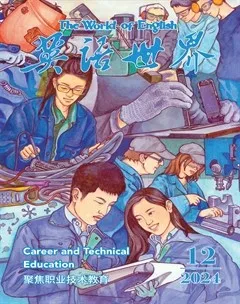
A Brief History of Vocational Education職業教育簡史
2024-12-06 00:00:00凱特琳·布拉什/文陳儉貞/譯
英語世界 2024年12期
Throughout history, vocational education has given students hands-on experience to prepare them for employment. Today’s vocational education is a well-developed schooling system which balances class time and work experience.
縱觀歷史,職業教育所提供的實操經驗為學生就業做好了準備。如今,職業教育已經發展為一個完善的教育體系,兼顧課堂時間和工作經驗。
Vocational schools, also known as trade schools, career colleges, and technical colleges, train students for skills-based careers. Those interested in careers such as event planning, accounting, graphic design, plumbing, or law enforcement can study at a vocational technical school. Career and Technical Education (CTE) results in either a certificate or associate’s degree.
職業學校培養學生從事技能型職業,又稱為高職學校、職業學院、技工學院。對活動策劃、會計、平面設計、管道工、執法等行業感興趣的學生可以去職業技校學習。完成職業技術教育(CTE)可獲得結業證書或副學士學位。
Students have been training for specific vocations for thousands of years, just not in the way we think of vocational education today. Women learned domestic1 skills from their mothers, and young men trained for specific trades under skilled professionals. Young apprentices, for example, may have learned to shape swords by shadowing2 the town’s bladesmith. This type of hands-on, skills-based learning has lasted throughout human history. As we have developed, so has it.
數千年以來一直有人在接受特定的職業培訓,只是與我們今天所認為的職業教育有所不同。女性向母親學習家務技能,年輕男性則在專業人員的指導下接受特定行業的培訓。譬如,年輕的學徒可能會跟隨鎮上的刀匠學習鑄劍。這種實操性的、技能型的學習貫穿人類歷史,隨著人類的發展而發展。
The history of career technical education (CTE) traces its origins to post-Civil War America, with the opening of the St. Louis Manual Training School in 1879 under the umbrella of3 Washington University. The school grew out of the non-traditional thinking of educator Calvin Milton Woodward, who believed that the traditional school model would struggle to address the country’s need for skilled labor4 at a time of rapid industrialization.
CTE最早出現在內戰之后的美國——1879年,圣路易斯手工培訓學校建立,隸屬于華盛頓大學。這所學校誕生于教育家卡爾文·米爾頓·伍德沃德的非傳統想法。他認為,在快速工業化的時期,傳統的學校模式將難以滿足國家對熟練勞動力的需求。
Rather than isolate academic and technical education, Woodward and his team sought to open a school that addressed both, educating students with both “books and tools.” It would focus particularly on skills needed for woodworking and metalworking. Students at the school did do academic work but also balanced their days with time in the workshop and learning to use various tools.
伍德沃德和他的團隊不主張把學術教育和技術教育分割開來,而是試圖開設一所兼顧兩者的學校,用“書本和工具”雙管齊下教育學生。這所學校將特別側重木工和金屬加工所需的技能。學生們雖然也有課業,但每天會有一定時間到作坊中學習使用各種工具。
While the Manual Training School represented the first model of CTE in America, it was far from the last. The field of CTE has gone through many evolutions over the years, as educators and policymakers have searched for the best model for trade-based education.
雖然手工培訓學校代表了美國CTE的第一種模式,但它遠非最后一種。多年來,教育工作者和政策制定者一直在尋找職業教育的最佳模式,CTE這一領域經歷了許多變化。
The most notable development to U.S. vocational education came in the early 20th century. Before the Great Depression, society was industrializing. Agriculture was less lucrative, and children from rural areas were showing up to attend schools that were already overcrowded. Those schools were even less prepared for the influx of immigrants that were arriving in the United States at the same time.
20世紀初,美國職業教育得到最顯著的發展。在大蕭條之前,社會正在工業化。農業的獲利變少,農村地區的孩子紛紛入讀早已人滿為患的學校,而同一時期涌入美國的大量移民更是讓這些學校猝不及防。
Factories, on the other hand, needed laborers (and so did many in-demand trade professions). Many workplaces employed young people, but the United States passed its first child labor law in 1916, which began to limit child labor. It was no longer so widely accepted for young children to sit beside their parents and learn a trade hands on (many lobbyists deemed it unsafe and cruel). So, to help factories find skilled employees and to help schools deal with huge student bodies, U.S. high schools began to offer vocational education programs.
另一方面,工廠需要勞動力,眾多熱門行業也是如此。許多工作場所雇用年輕人,但美國在1916年通過了第一部童工法,開始限制使用童工。人們不再普遍接受讓年幼的孩子坐在父母旁邊動手學習技藝,許多游說者認為這既不安全又殘忍。因此,為了幫助工廠找到熟練的員工,以及幫助學校應對龐大的學生群體,美國高中開始開設職業教育課程。
In 1917, the Smith-Hughes Act became the first law to authorize federal funding for vocational education programs in U.S. schools. It established vocational education as acceptable training for certain future professionals who wouldn’t need bachelor’s degrees to do their jobs, such as plumbers, mechanics, and factory workers. They completed their training in focused vocational programs associated with high schools.
1917年,《史密斯-休斯法案》成為第一部授權聯邦撥款在中學開設職業教育課程的法律。它規定,未來所從事工作不需要學士學位的專業人士接受職業教育即可,比如水管工、修理工和工廠工人。他們在與高中關聯的針對性職業課程中完成培訓。
According to American RadioWorks, on paper5, the creation of these Voc.Ed6 programs solved major problems (like overcrowded classrooms and the demand for a skilled workforce), but in reality, it was still problematic. Notably, the students who were assigned to vocational education programs were often immigrants or poor children from rural areas. This meant that these marginalized groups were not given a chance to study a liberal arts curriculum (which was necessary for students who planned to go on to college), even if they wanted to. Desks in the liberal arts classes at high schools continued to be reserved for middle- and upper-class white students. Underprivileged students were encouraged to learn only the skills necessary to sustain jobs, then enter the workforce as soon as possible. If they tried to change career paths later down the line7, they often found that they had little or no training in core subjects, which thereby prevented them from returning to college or switching careers.
據美國廣播工廠報道,這些職業教育課程的誕生雖然在理論上解決了一些大難題,比如教室過度擁擠和對熟練勞動力的需求,但實際上仍然存在問題。顯然,被分配去讀職業教育課程的學生往往是移民或者來自農村的貧困兒童。這意味著,這些邊緣群體即使想要學習通識課程(這對計劃上大學的學生來說是必要的),也沒有機會。高中通識課程的課桌仍然專屬于中上階層的白人學生。學校鼓勵弱勢學生只學習崗位必備技能,然后盡快成為勞動力。如果他們后來試圖改變職業道路,往往會發現自己很少或者根本沒有接受過核心科目的訓練,這就阻礙了自己重返大學或轉行。
The Perkins Act of 1990 attempted to reconcile these problems. It now provides vocational programs to young students as a way for them to start their educational careers, not limit them. Students can begin their CTE courses in high school or after obtaining their diplomas or GEDs9, and they leave prepared to either go right into a career or continue working toward a four-year degree.
1990年的《珀金斯法案》試圖調和這些問題。目前,該法案為年輕學生提供職業課程,以此開啟而非限制其求學之路。學生們可以在高中期間或者獲得畢業文憑/普通教育發展證書后開始學習CTE課程,到結束時可以直接就業,也可以繼續攻讀四年制學位。
While a certain untrue stigma surrounding Voc.Ed persists (namely that no student would choose CTE if he or she had other options), these programs now include school-based and work-based learning through supportive business partnerships. Many vocational programs use new technologies and web resources, such as online classes, to help their students excel in school and in the workplace.
關于職業教育的不實污名仍然存在,即:假如有其他的選擇,沒有學生會選擇職業技術教育。但是在合作企業的支持下,如今這類培訓既有在校學習也有實操學習。許多職業課程利用新技術和諸如線上課程等網絡資源幫助學生在學校和職場脫穎而出。
(譯者為“《英語世界》杯”翻譯大賽獲獎者)
1 domestic家庭的,家務的。
2 shadow跟隨……實地學習(或參觀)。 3 under the umbrella of屬于……,在……范圍內。 4 skilled labor熟練勞動力,指同一工種內具有豐富經驗和熟練技術的生產者。
5 on paper理論上。 6 vocational education的縮略詞。 7 later down the line在未來的某個時間。
8 GED = General Educational Development,等同于高中學歷。