桌景?梯城:公共綠地下的一場城市實驗
2024-06-16 12:31:37劉珩楊志奇
世界建筑導(dǎo)報
2024年2期
劉珩 楊志奇
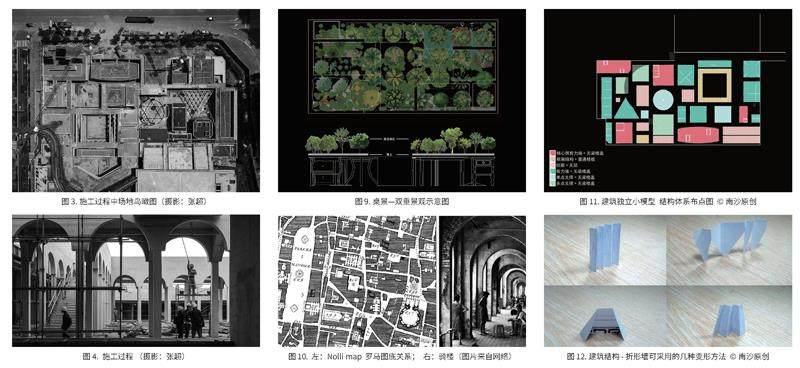
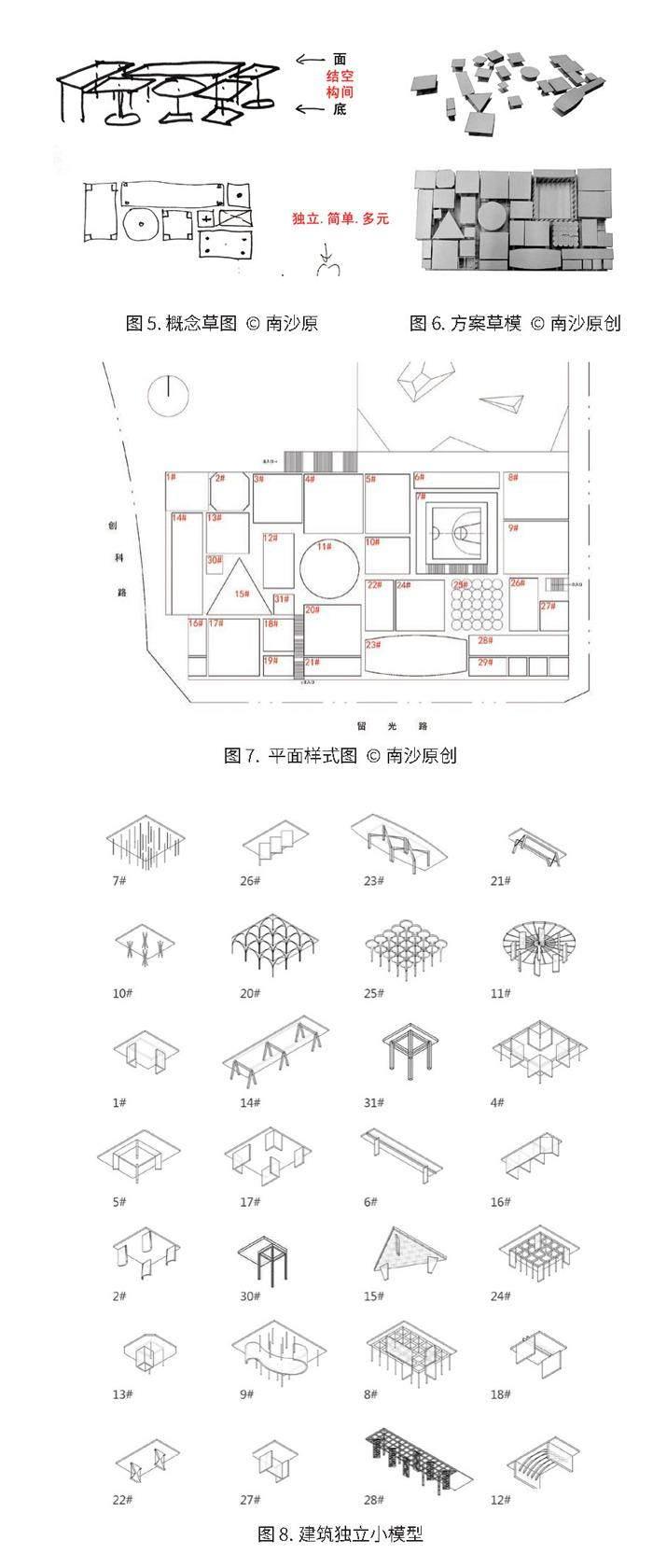
摘要:本次設(shè)計實踐性研究從城市的多元化出發(fā),在深圳高密度發(fā)展的地域特征中探索“彈性綠地”建設(shè)與城市公共空間的多元性。南沙原創(chuàng)在深圳留仙洞萬科云設(shè)計公社B4/A3從場所自然或人為場所中更一般性的范疇之間的日常空間體驗感出發(fā),以“梯城”和“桌景”設(shè)計理念引入,建構(gòu)結(jié)構(gòu)空間的劃分,歷史功能化的重構(gòu)復(fù)合功能空間。充分體現(xiàn)“結(jié)構(gòu)”與“空間”關(guān)系所具有的造型特質(zhì),營造結(jié)構(gòu)即空間,同時滿足用地屬性綠化需求,賦能多型的地上與地下共享空間。“化整為零”的設(shè)計策略可逆性的運用,在地性的解讀城市建筑學(xué)進(jìn)行當(dāng)代的實踐探索,以實驗的城市理念空間重構(gòu)物質(zhì)環(huán)境,喚醒人的感官體驗和精神場所。
關(guān)鍵詞:公共綠地的空間可能性;結(jié)構(gòu)空間;地上/地下;在地性,場所精神
Abstract: This design practice study starts from the complexity of the city, takes place in the planning way of practical mechanism, and carries out the cluster design. Exploring the diversity of "flexible green space" construction and urban public space in the regional characteristics of Shenzhen's high-density development, Nansha Originality proceeds from the daily experience between the more general categories of natural or man-made places in Vanke Cloud Design Commune A3 B4 of Shenzhen Liuxiandong, and introduces the design concept of "terraced city" and "table scenery" to construct the division of structural space, historical functionalized reconstruction of composite functional space. It fully embodies the modeling characteristics of the relationship between "structure" and "space", creates structure as space, meets the greening needs of land attribute, and enables multi-type above-ground and underground flow space. The reversible application of the design strategy of "breaking up the whole into parts", the regional interpretation of urban architecture to conduct the contemporary practical exploration - starting from the scale - the concept space awaken people's sensory experience and the spirit of place.
Keywords: spatial possibility of public green spaces; structure is space; above ground/underground; locality, the spirit of place
“物之所以為物系因其本身的集結(jié)使然。”“結(jié)構(gòu)”則暗示著一種系統(tǒng)關(guān)系所具有的造型特質(zhì)。”
——《場所精神-邁向建筑現(xiàn)象學(xué)》諾伯舒茲
“建筑(不管是原型還是形式)中有一種扮演自身角色的元素,它不是建筑實體所要服從的元素,而是存于原型之中的某種東西。這就是規(guī)則,建筑的組織原則。這種觀點的前提是視建筑物為一種結(jié)構(gòu),而建筑物本身可以表現(xiàn)和揭示這種結(jié)構(gòu)。這個永恒的原則可以稱為典型元素,或簡稱為類型,它存在于所有的建筑物中。”
——《城市建筑學(xué)》羅西
1.項目背景
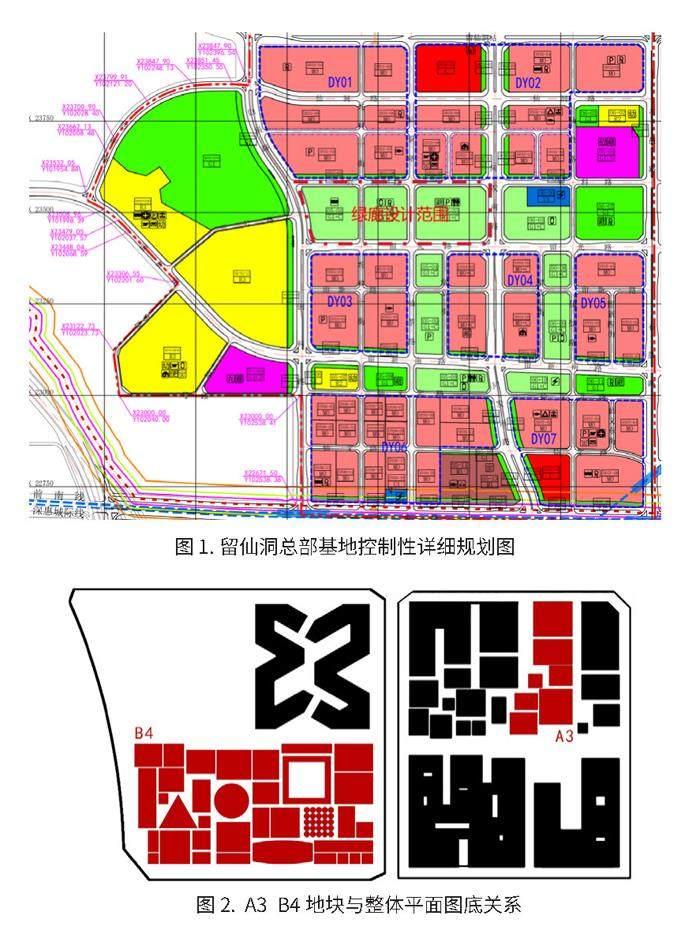
研究從高密度城市深圳的空間公共性和土地性質(zhì)內(nèi)在關(guān)聯(lián)機制出發(fā),探索深圳留仙洞北綠廊設(shè)計(今更名為深圳留仙洞萬科云設(shè)計公社,以下追溯設(shè)計歷史過程本文以“綠廊”名稱)——一場在公共綠地下的城市實驗(如圖1所示)。……
登錄APP查看全文
猜你喜歡
北方建筑(2021年6期)2021-12-31 03:03:54
哲學(xué)評論(2021年2期)2021-08-22 01:53:34
文苑(2020年10期)2020-11-07 03:15:36
現(xiàn)代裝飾(2020年6期)2020-06-22 08:43:12
中華詩詞(2019年7期)2019-11-25 01:43:04
藝術(shù)啟蒙(2018年7期)2018-08-23 09:14:18
海峽姐妹(2017年7期)2017-07-31 19:08:17
Coco薇(2017年5期)2017-06-05 08:53:16
影視與戲劇評論(2016年0期)2016-11-23 05:26:01
少兒科學(xué)周刊·兒童版(2015年6期)2015-11-24 03:49:38