
Staying Safe Outdoors During Earthquakes
2024-05-29 01:05:16李不延
瘋狂英語·初中天地 2024年5期
關鍵詞:余震
◎李不延
地震看上去離我們很遠,可一旦發生,會造成嚴重后果。為了防患于未然,我們有必要了解一些地震相關的自救知識。當地震來臨時,如果我們身處戶外,需要注意哪些事項呢?
1.Move away from buildings,street lights,power lines,and bridges.
The most dangerous locations during an earthquake are areas immediately around buildings.As soon as the ground begins shaking,try to get as far away as possible from any nearby structures.Stay low to the ground to keep your balance as you get to a safe spot,and keep your eye out for falling1)debris.Do not seek shelter under a bridge or2)overpass.Additionally,look out for sinkholes,open faults,or large holes in the ground.
2.Crouch down low in a wide open area until the shaking stops.
Once you’ve made your way away from nearby structures,get on your hands to cover your head.See if there are any objects nearby to use as a shield,such as a trash can lid.If none are3)available,cover your head and neck with your hands and arms.Remain crouched low to the ground in a covered position until the shaking stops.
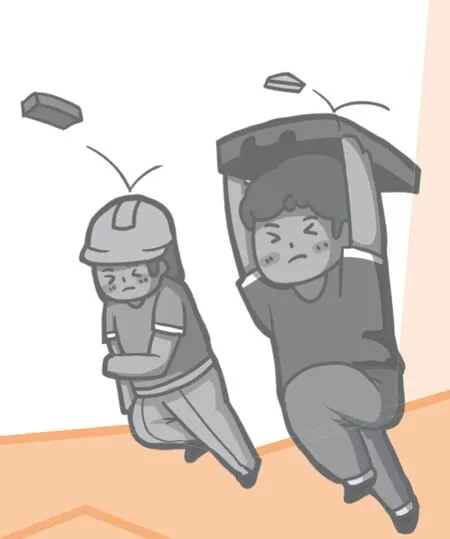
3.Watch out for hazards as you assess your surroundings.
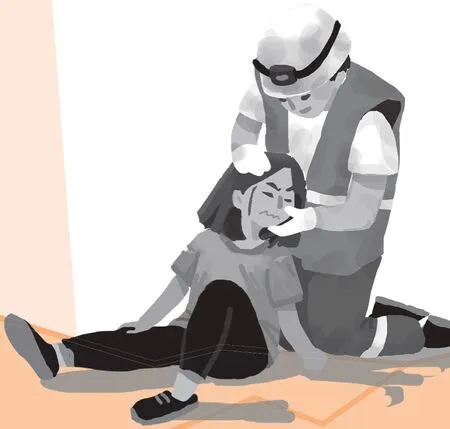
As you venture out after the earthquake,beware of broken glass,rubble,downed power lines,fallen trees,and any other potential hazards.Check yourself and anyone nearby for injuries.If necessary,administer first aid and call emergency services.Stay away from damaged structures and areas immediately around buildings.Remember that aftershocks may occur.If there’s an aftershock,weakened buildings,windows,and4)architecturaldebris can fall to the ground.
4.Get to higher ground if you’re on the shore or near a dam.
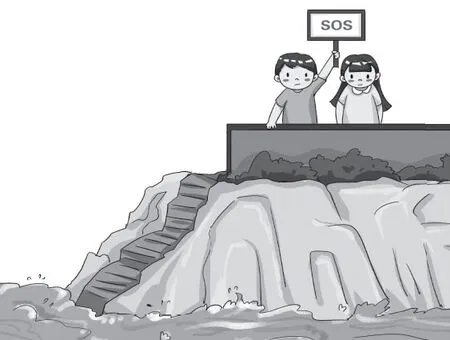
If a shaking lasts more than 20 seconds,don’t wait for an alarm to flee.Get to ground that’s at least 100 ft (30 m) above sea level or 2 mi (3.2 km) from the shore.Earthquakes can cause tsunamis,so put distance between yourself and the coast.While a catastrophic failure is unlikely,earthquake damage can cause flooding downstream from a dam.If you live in a flood zone,proceed to higher ground.Check5)evacuationplans in advance if you live near a dam in an earthquake-prone area.
1) debrisn.殘骸;碎片;垃圾
2) overpassn.立交橋;天橋;高架道路
3) availableadj.可用的;可獲得的
4) architecturaladj.建筑學的;建筑上的
5) evacuationn.疏散;撤離;排泄
1.遠離建筑物、路燈、電線和橋梁。
地震時,最危險的地方是建筑物周圍的區域。一旦地面開始震動,盡可能遠離任何附近的建筑物。當你到達一個安全的地點時,降低重心以保持平衡,并留意掉落的碎片。不要在橋下或立交橋下避難。此外,要注意污水坑、開放性斷層或地面上的裂縫。
2.蹲在一個開闊的區域,直到震動停止。
一旦你離開了建筑物附近,用雙手掩護頭部。看看附近是否有什么物件可以用作盾牌,比如垃圾桶蓋。如果沒有,用手和手臂保護你的頭部和頸部。保持低蹲在地面上的姿勢,直到震動停止。
3.當你評估周圍環境時,要注意危險。
當你在地震后冒險外出時,當心碎玻璃、碎石、倒塌的電線、倒下的樹木和其他潛在的危險。檢查一下你自己和附近的任何人是否受傷。如果有必要,進行急救并撥打急救電話。遠離受損的建筑物及其周圍區域。請記住,余震可能會發生。如果有余震,被震動過的建筑、窗戶和建筑碎片都有可能掉落。
4.如果你在岸邊或大壩附近,可以走到更高的地方。
如果震動持續超過20 秒,不要等待警報響起才逃跑。躲到海拔至少100 英尺(30 米)或距離海岸2英里(3.2千米)的地方。地震會引發海嘯,所以你要與海岸之間保持足夠的距離。雖然發生災難性破壞的可能性較低,但地震的破壞可能會導致大壩下游洪水泛濫。如果你住在洪水區,那就去地勢較高的地方。如果你住在地震多發地區的大壩附近,請提前查看疏散計劃。
猜你喜歡
地震工程學報(2024年1期)2024-01-29 07:59:52
文萃報·周五版(2023年51期)2024-01-09 09:59:41
哈哈畫報(2022年5期)2022-07-11 05:57:48
阿來研究(2019年2期)2019-03-03 13:35:00
中國地震(2017年4期)2017-08-31 10:16:36
新時代職業教育(2016年1期)2016-02-06 02:26:13
地震研究(2015年4期)2015-12-25 05:33:44
地震研究(2014年4期)2014-02-27 09:31:10
