運用可視化思維工具解碼續寫原文情節
2024-05-21 06:07:49邵晨
瘋狂英語·新策略 2024年5期
邵晨
【問題導讀】
高考題型中讀后續寫的文章為記敘文。記敘文的顯著特征是圍繞故事主題進行情節構建,進而呈現作者的寫作意圖。記敘文的常用語篇模式為問題—解決模式,其路徑為“情境創設”“問題出現”“問題解決”及“結果評價”,情節的發展與構建就是在問題出現直至問題解決這一螺旋上升式的動態過程中實現的。本質上來說,情節發展就是從關鍵事件發生——打破情境平衡,到問題解決——再次實現平衡的過程。讀后續寫的閱讀材料通常會包含“情境創設”和“問題出現”這兩個環節,學生需要在解碼原文情節的基礎上,結合所給段首句,創編出與原文主題一致、內容銜接流暢、邏輯有序及語言風格一致的“問題解決”情節及“結果評價”。
然而,很多學生因對原文情節的解碼不準確、不深入,難以發現原文中的伏筆點,導致續寫段落偏離主題或者要點缺失,很難拿到高分。為幫助學生們高效解碼原文情節,本文將介紹幾種可視化思維工具,以提高續寫情節的合理性和邏輯性。
【名師導學】
可視化思維工具可以將學習和思考的過程通過圖示技術進行視覺表征。在讀后續寫中,它通過恰當的方式對原文內容進行結構化的組織和呈現,有效降低了由信息呈現方式引發的認知負荷,從而讓學生將注意力集中于對原文情節的解碼與對后續情節的構建上。下面介紹五種常用且好用的可視化思維工具,學生可以根據自己的實際情況,選擇合適的工具進行情節解讀。
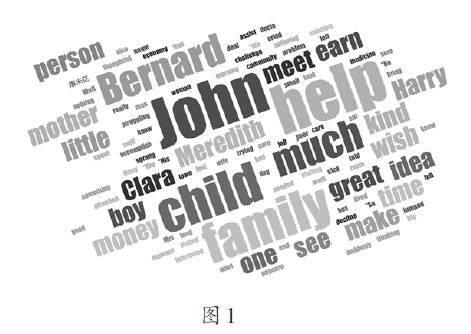
1. 文字云圖(圖1)。文字云圖(Word Clouds)是一種頗具美感的文本可視化工具,它可以通過單詞的大小直觀地反映文本中的單詞使用頻率,進而展示出文章的關鍵詞和關鍵詞指向的文本主題。單詞在文本中使用的頻率越高,在云圖中的字號就越大,即單詞的重要性通過其字號大小來體現。在正式閱讀文本之前,學生可以通過文字云圖中的關鍵詞,初步感知文章的主題與大意,并利用這些關鍵詞對文章情節進行大膽猜測,為閱讀文本時更好地獲取主題和梳理情節奠定基礎。
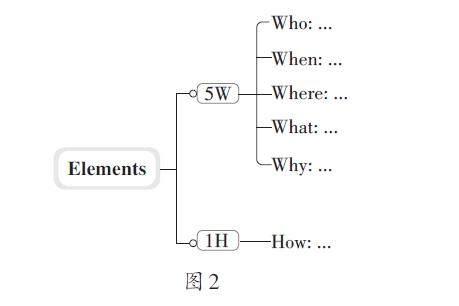
2. 括號圖(圖2)。括號圖能夠從多個角度對某一事物進行合理地拆分與呈現。在讀后續寫題型中,括號圖能夠幫助學生快速獲取記敘文的六要素:人物、時間、地點、起因、經過和結果,即5W1H。掌握了文章的六要素,也就對文章的故事背景和情節組織有了整體感知,為接下來對情節線索和情感線索的梳理奠定了基礎。
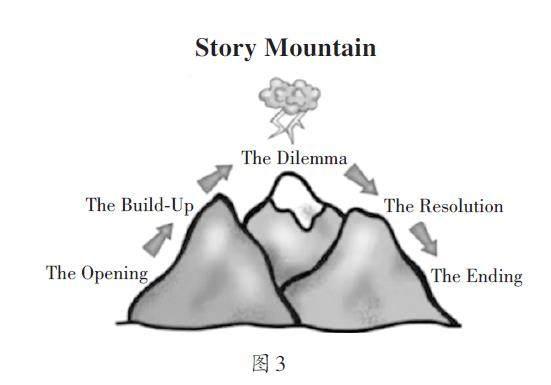
3. 故事山圖(圖3)。“故事山(Story Mountain)”是英美國家在中小學階段廣泛應用的視覺閱讀輔助工具,它可以幫助學生快速厘清故事發展脈絡,為確定續寫內容提供方向。如圖3 所示,“故事山”主要分為五大部分:開頭(The Opening)、發展(TheBuild?up)、困境(The Dilemma)、解決(The Resolution)、結尾(The Ending)。開頭部分需要交代故事發生的背景,即人物、時間、地點等情境信息。發展部分需要交代推動情節發展的關鍵事件。困境部分需要交代故事的主要矛盾和急需解決的問題。解決部分需要交代主要矛盾的解決辦法。結尾部分要呈現相關人物的結局和主要矛盾的解決結果。
4. 氣泡圖(圖4)。氣泡圖由中心圓圈和包圍著中心圓圈的若干圓圈共同構成。中心圓圈內寫被描述的事物的名稱,外面圓圈內寫描述性的形容詞或短語,用以描述中心圓圈內的關鍵詞。在讀后續寫題型中,人物、主題、情節是高度融合的統一體,情節的推進離不開人物刻畫。因此,學生可以運用氣泡圖梳理人物形象,進而更好地理解故事情節。
5. 魚骨圖(圖5)。魚骨圖是以魚頭、魚骨、魚尾組成的圖形,以魚頭或魚尾表示文章的主題句,以魚骨表示文章的發展線索或緊密相關的關鍵詞。借助魚骨圖,學生可以將文章結構以直觀、簡潔的形式呈現出來,因此,有利于對情節的梳理與解碼。
總之,對情節的梳理與解碼有很多方法,學生們可以根據文章特點以及自己的經驗,嘗試運用以上一種或多種方法進行情節梳理與解碼,進而提高續寫段落的協同性。
【案例導練】
閱讀下面短文,根據所給情節進行續寫,使之構成一個完整的故事。
Thomas watched the irrigation canal (灌溉渠) for a sign of water. It looked as dry ashe felt inside. Thomas's thoughts were interrupted as his younger sister, Maggie, came skippingacross the field.
“What are you giving to Mama for her birthday?” she asked.
Thomas felt his stomach turn. He had forgotten that Mamas birthday, the first sincethey left their hometown, was tomorrow.“ Its a surprise, Maggie,” he answered. It was thetruth. Even he would be surprised.
Thomas would wish to be back in the mountains of their hometown. Surely Mamawould want the same. At least it rained there. Each time it did, Mama, Thomas and Maggiewould sit on the front porch and watch for a rainbow. Then each of them picked out a favoritecolor in the rainbow. Mama always gave the same answer.“ Turquoise (青綠色),” shewould finally say with a dreamy smile, pointing at the sky.“ Squeezed in tight, between theblue and green. Close your eyes and you can see it. If you could touch it, it would feel cool,like a breeze blowing across the stream.”
Thomas was discouraged. The sun would be setting soon, and he still had nothing togive his mother. What he saw around were rocks and sand. He picked up a large, flat rock,scooped up the dirt and watched it fall to the ground. Suddenly, something caught his eye.A speck of color peeked through the dirt.
“Hey, what's this?” he asked.
“Let's find out,” Maggie yelled. Thomas and Maggie dug with their fingers and uncovereda small, round stone. In the center, there was a tiny hole.
“That's just a turquoise bead (珠子), ” Thomas exclaimed.“ My friend Jacks sisterhas a jar full of them.”“ Let's see if there are more.” Maggie got excited.
注意:續寫詞數應為150左右。
Paragraph 1:
“I have an idea,” Thomas said cheerfully._____________________________________________________________________________________________________________________________________________________________________________________________________________________________________________________________________________________________________________________________________________________________________________________________________________________
Paragraph 2:
Early the next morning, Thomas and Maggie set a small package on the table._____________________________________________________________________________________________________________________________________________________________________________________________________________________________________________________________________________________________________________________________________________________________________________________________________________________
一、利用文字云圖預測故事情節
借助在線云圖工具,我們生成了本文的文字云圖(圖6),通過圖片我們可以發現本文的關鍵詞為Thomas、Maggie、Mama、birthday、see、rainbow、rock、picked、sister等。基于對關鍵詞的聯想,我們可以猜測該故事情節是圍繞兩個孩子(Thomas、Maggie)為母親(Mama)準備生日(birthday)禮物展開的,并且很有可能這個生日禮物和石頭(rock)和彩虹(rainbow)相關。
二、利用括號圖整體感知并延伸故事情節
在情節預測的基礎上,本環節用括號圖(圖7)整體感知故事情節,將事半功倍。通過掃讀本文并完成括號圖內的關鍵信息,我們可以快速梳理出故事的基本要素和敘事框架,即在媽媽生日的前一天,離開家鄉的兩個孩子為母親準備生日禮物。
三、利用故事山深度挖掘故事情節
如圖8所示,故事山借助開頭、發展、困境、解決及結尾五個重要節點,將故事的情節線索和情感線索清晰明了地呈現出來,再結合前面的故事情節預測和整體感知,我們可以總結出本故事的主要情節為Thomas和Maggie在為母親準備生日禮物時,由毫無頭緒到靈感迸發,再到準備禮物,最后送出禮物的過程。故事通過對情節線索和情感線索的雙線推進,體現出家人之間的溫情與關愛。
參考范文
Paragraph 1:
“I have an idea,” Thomas said cheerfully. They kept digging and found more beads.Thomas put them in his shirt, holding it tight so that he wouldn't drop them. Then he carriedthem to the river, and Maggie helped him wash them. Carefully, they dried and polishedthem with a handkerchief.“ Mama will have a birthday present after all!” Thomas exclaimed.He seemed to see a necklace sparkling around Mama's neck and Mama touching it fondly.
Paragraph 2:
Early the next morning, Thomas and Maggie set a small package on the table. Insidewas the necklace they had made with the beads they had dug.“ What's this?” Mama askedcuriously. As she unwrapped the small package, she gasped.“ What a beautiful necklace!”she cried, pulling Thomas and Maggie close. “I can almost feel a cool breeze blowingacross the stream.” Mama closed her eyes and smiled.“ It smells like rain and I can seethat turquoise in the most beautiful rainbow. Thank you. My dearest children.” Thomas feltgood inside. Mama had her favourite turquoise!
【模擬導練】
閱讀下面材料,根據其內容和所給段落開頭語續寫兩段,使之構成一篇完整的短文。
One noon, Mark knocked at the door, saying,“ Take the letter.” Then, a little girlanswered from inside, “Im coming.” But after 3 minutes, no one came. Mark, the oldpostman, said again“, Please hurry. I have to go to the next place.”
The girl, Jane, replied,“ Sir, put the letter under the door. Im coming. But itll takemore time.” The old postman replied,“ No, I'm waiting. It's a registered letter. So your signatureis needed.”
After a long time, the door opened. Mark was angry and was about to shout at the girl.But when the door opened, he was shocked to see a little girl who had no legs. He immediatelyhad great pity for her. He quietly gave her the letter, took her signature and left.
The little girl often lived alone in her house. Her mother had passed away. And her fatherworked far away. He wasn't rich and couldn't spare money to buy the girl prostheses(義肢). To take care of her, her aunt stayed with her every night. But she lived alone duringthe day.
In about two months, whenever mail came, Mark would knock and call Jane. Thenhe'd wait patiently at the door. Gradually, interaction and attachment grew between them.And they learned more about each other.
Jane noticed Mark used to come barefoot to deliver mail. The rainy season came. Oneday, when Mark left after delivering the letter to Jane, his footprints were left on the wet soil. Jane came out with a piece of paper, put it on the footprints and took down the pictureof his feet. Then she handed her aunt the pocket money she had saved and asked her to getshoes of that size and keep them in the house.
注意:續寫詞數應為150左右。
Paragraph 1:
Days later, Jane heard the old postman knocking on her door.______________________________________________________________________________________________________________________________________________________________________________________________________________________________________________________________________________
Paragraph 2:
“I cant give her legs, but I can give her prostheses,” Mark suddenly thought, and decided to buy.______________________________________________________________________________________________________________________________________________________________________________________________________________________________________________________________________________
【評價導思】
1. 續寫這篇文章之前,我采用了哪些可視化思維工具對原文進行情節解讀?
_________________________________________________________________________________________________________________________
2. 基于可視化思維工具,我是否快速梳理了文章的情節線索并發現了續寫要點?
_________________________________________________________________________________________________________________________
3. 基于情節解讀,本文的主題是什么?我的續寫段落是如何照應文章主題的?
_________________________________________________________________________________________________________________________
猜你喜歡
世界科學技術-中醫藥現代化(2022年3期)2022-08-22 00:32:50
云南化工(2021年8期)2021-12-21 06:37:54
海洋信息技術與應用(2020年1期)2020-06-11 12:43:56
傳媒評論(2019年4期)2019-07-13 05:49:14
作文世界(小學版)(2018年4期)2018-10-16 17:13:34
快樂作文·低年級(2016年12期)2017-01-03 20:52:44
電影文學(2016年19期)2016-12-07 20:06:50
文學教育·中旬版(2016年10期)2016-11-21 04:17:00
快樂作文·低年級(2016年6期)2016-06-24 18:58:40
世界文學評論(2014年2期)2014-04-12 06:23:30