
Monitoring and analysis of contamination of Vibrio parahaemolyticus and Vibrio alginolyticus in seafood in Haikou
2023-12-06 07:53:58ChenChenPangYanShaoRenjieLiXuexiaXiaQianfeng
Journal of Hainan Medical College 2023年15期
Chen Chen, Pang Yan, Shao Ren-jie , Li Xue-xia?, Xia Qian-feng ?
1.International School of Public Health and One Health, Hainan Medical University, Haikou 571199, China
2.Key Laboratory of Tropical Translational Medicine of Ministry of Education, Hainan Medical University, Haikou 571199, China
3.Haikou Center for Disease Control and Prevention, Haikou 571199, China
4.Tropical Medical University of Hainan Medical University, Haikou 571199, China
Keywords:
ABSTRACT Objective: To investigate the contamination and distribution of Vibrio parahaemolyticus and Vibrio alginolyticus in seafood in Haikou City.Methods: Three types of seafood sold in Haikou from 2020 to 2022 were collected, Vibrio parahaemolyticus and Vibrio alginolyticus were detected according to the National Food Safety Standard Food Microbiological Examination of Vibrio parahaemolyticus ( GB 4789.7-2013 ), and they were identified by realtime fluorescence PCR.The detection of Vibrio parahaemolyticus and Vibrio alginolyticus in different kinds of seafood, different years and different quarters was analyzed.Results: A total of 119 seafood samples were collected.Among them, 24 samples were positive with Vibrio parahaemolyticus, with a positive rate of 20.1% ; 46 samples were positive with Vibrio alginolyticus, with a positive rate of 38.7%.Among various types of seafood, shrimp have the highest positivity rate for Vibrio parahaemolyticus at 50%, while shellfish have the highest positivity rate for Vibrio alginolyticus at 48%.Comparing between monitoring years, the positive rate of Vibrio alginolyticus was the highest in 2021 ( 76.7% ), while the positive rate of Vibrio parahaemolyticus was the highest in 2022 ( 25% ).Comparing between different quarters, the positivity rate for Vibrio alginolyticus was found to be highest in the second quarter at 80%, while the positivity rate for Vibrio parahaemolyticus was highest in the fourth quarter at 33.3%.There were statistically significant differences (P < 0.05) in the positivity rate for Vibrio alginolyticus in different years and quarters, as well as in the positivity rate for Vibrio parahaemolyticus in different types and quarters.Conclusion: Vibrio parahaemolyticus and Vibrio alginolyticus were found in seafood products in Haikou City from 2020 to 2022.It is recommended that relevant departments strengthen supervision to ensure the safety of seafood products consumed by the public.
1.Introduction
Hainan, as a tropical island region, is one of the provinces with the richest variety of seafood in China.As the capital of Hainan, Haikou city has a population of 2.9 million relying on seafood for their daily diet.Haikou’s seafood is diverse, but some bacteria are known to exist in seafood, includingVibrio parahaemolyticusand Vibrio alginolyticus.The former is a Gram-negative halophilic bacterium that is widely distributed in various types of seafood, including fish,shellfish, cephalopods, shrimp, and crabs[1].According to current research reports, the majority ofVibrio parahaemolyticusinfections are related to the consumption of contaminated seafood[2].Eating undercooked seafood contaminated withVibrio parahaemolyticuscan cause acute gastroenteritis, accompanied by symptoms such as nausea, headache, and low fever[3].Vibrio alginolyticus is a bacterial species that is an obligate parasite of marine animals such as saltwater shrimp and can directly infect humans[4].People may become infected by contact with contaminated water or by consuming contaminated seafood, which can cause severe soft tissue infections, sepsis, and other extraintestinal infections[5].Recent studies have also confirmed thatVibrio parahaemolyticusand Vibrio alginolyticus are common pathogens associated with diarrhea in coastal regions[6].In addition, monitoring of patients with acute diarrhea by the Chinese Center for Disease Control and Prevention from 2009 to 2018 showed that foodborne Vibrio was one of the main causative agents of diarrhea, accounting for approximately 10.83% of all diarrheal-related pathogens[7].
Currently, there is relatively little research on the contamination ofVibrio parahaemolyticusand Vibrio alginolyticus in seafood in the Hainan region.Our study aims to explore the overall contamination situation ofVibrio parahaemolyticusand Vibrio alginolyticus in seafood in Hainan, providing a basis for controlling seafood pollution and promoting public health prevention and control.
In this study, we monitored the prevalence of Vibrioparahaemolyticusand Vibrio alginolyticus in some seafood sold in Haikou city from 2020 to 2022.The goal was to provide reliable data support for the pollution situation ofVibrio parahaemolyticusand Vibrio alginolyticus in seafood in Haikou city, which can help improve seafood quality and protect public health.
2.Materials and Methods
2.1 Materials
2.1.1 Materials and reagents
According to the requirements of national food pollutant and hazardous substance risk monitoring, 119 samples of seafood,including 10 shrimp samples, 59 fish samples, and 50 shellfish samples, were collected from restaurants, supermarkets and retail stores in four districts of Haikou City: Longhua District, Meilan District, Qiongshan District, and Xiuying District.Each sample was collected in a quantity of 500-1 000 g and sent to the laboratory for testing within 4 hours after collection.All sample resources were collected by staff of the Haikou Center for Disease Control and Prevention from January to December in 2020-2022.
TheVibrio parahaemolyticusnucleic acid detection kit (PCRfluorescence probe method) (DS1400) and Vibrio alginolyticus nucleic acid detection kit (PCR-fluorescence probe method)(DS1430) were purchased from Guangzhou Da’an Biotechnology Co., Ltd.3% alkaline peptone water, 3% triple sugar iron agar, 3%soybean tryptone salt agar, and thiosulfate citrate bile salts sucrose agar (TCBS) were all purchased from Guangdong Huan Kai Microbial Technology Co., Ltd.
2.1.2 Instruments and equipment
Incucell ICV 55 ECO electric constant temperature incubator(MMM company, Germany), 7500FAST fluorescence quantitative PCR instrument (Applied Biosystems, USA), T1000 electronic balance (Fuzhou Huazhi Scientific Instruments Co., Ltd.),SterilGARD III Advance SG403 biosafety cabinet (Baker, USA).
2.2 Methods
Isolation and identification ofVibrio parahaemolyticusand Vibrio alginolyticus: According to the national standard for food microbiological testing, “Food Safety National Standard - Detection of Vibrio Parahaemolyticus” (GB 4789.7-2013), the samples were pretreated, cultured and identified.The suspected colonies were verified and identified using the nucleic acid detection kit for Vibrioparahaemolyticusand Vibrio alginolyticus with real-time fluorescent PCR technology.The reaction program was as follows: 50 ℃ for 2 min, denaturation at 95 ℃ for 15 min; amplification at 95 ℃for 10 s, annealing at 55°C for 45 s, and fluorescence collection for 40 cycles.Positive quality control provided by theVibrioparahaemolyticus and Vibrio alginolyticus nucleic acid detection kit was used as a positive control, while negative quality control was used as a negative control.
2.3 Statistical methods
Data analysis was performed using SPSS 26.0 software.The comparison of positive rates used the chi-square test.When the theoretical frequency is ≥1 and <5, Fisher’s exact test was used.P value less than 0.05 indicated statistical significance.
3.Results
3.1 Preliminary isolation of Vibrio parahaemolyticus and Vibrio alginolyticus
TCBS preliminary separation and identification were performed on the three types of seafood samples collected.As shown in Figure 1,the TCBS plate showed circular, transparent, smooth green colonies,which were suspected to be Vibrio parahaemolyticus; as shown in Figure 2, the TCBS plate showed circular, large, and smooth yellow colonies, which were suspected to be Vibrio alginolyticus.
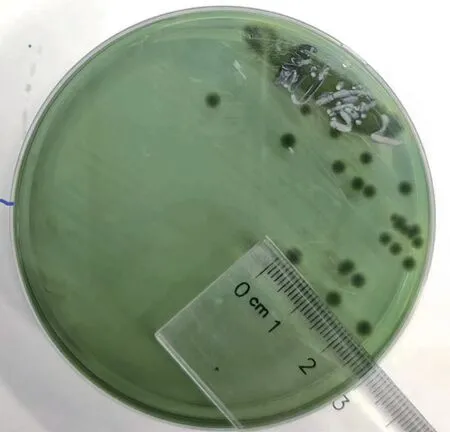
Fig 1 Colony morphology of Vibrio parahaemolyticus on TCBS agar
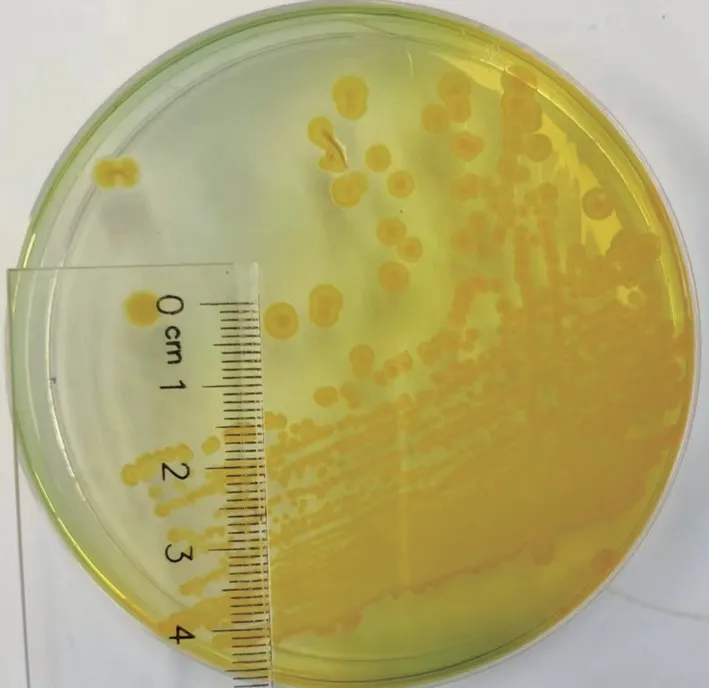
Fig 2 Colony morphology of Vibrio alginolyticus on TCBS agar
3.2 Identification of Vibrio parahaemolyticus and Vibrio alginolyticus
Suspected colonies of Vibrio parahaemolyticus and Vibrio alginolyticus isolated from the three types of seafood were confirmed by real-time fluorescent PCR.According to the instructions of the nucleic acid detection kit for Vibrio parahaemolyticus, the judgment standard for the result of Vibrio parahaemolyticus is as follows:negative if there is no amplification curve or Ct > 38; positive if Ct 38 and there is an obvious amplification curve.As shown in Figure 3, the Ct value of the sample was 12.57, the Ct value of the positive control was 24.53, and the Ct value of the negative control was 40,indicating that the sample was positive for Vibrio parahaemolyticus.
According to the instructions of the nucleic acid detection kit for Vibrio alginolyticus, the judgment standard for the result of Vibrio alginolyticus is similar: negative if there is no amplification curve or Ct > 38; positive if Ct 38 and there is an obvious amplification curve.As shown in Figure 4, the Ct value of the sample was 15.12,the Ct value of the positive control was 22.73, and the Ct value of the negative control was 40, indicating that the sample was positive for Vibrio alginolyticus.

Fig 3 Q-PCR amplification plot of Vibrio parahaemolyticus
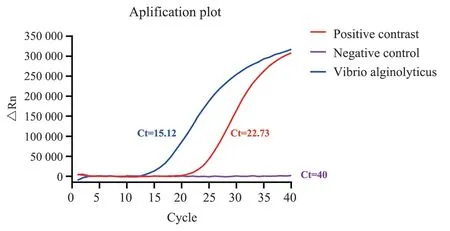
Fig 4 Q-PCR amplification plot of Vibrio alginolyticus
3.3 Detection of Vibrio parahaemolyticus in different types of seafood
From 2020 to 2022, a total of 119 samples of commercially sold seafood, including fish, shrimp, and shellfish, were collected in Haikou City.Among them, 24 samples were positive forVibrio parahaemolyticus, and the overall positive rate was 20.1% (Table 1).Vibrio parahaemolyticus was found in all three types of seafood, with the highest positive rate in shrimp at 50%; the positive rate of Vibrio parahaemolyticus in shellfish was 34% among 50 samples, while the positive rate in fish was relatively low.Fisher’s exact test analysis showed that there was a statistically significant difference in the positive rates ofVibrio parahaemolyticusamong the different types of seafood ( χ2=23.529, P<0.05).
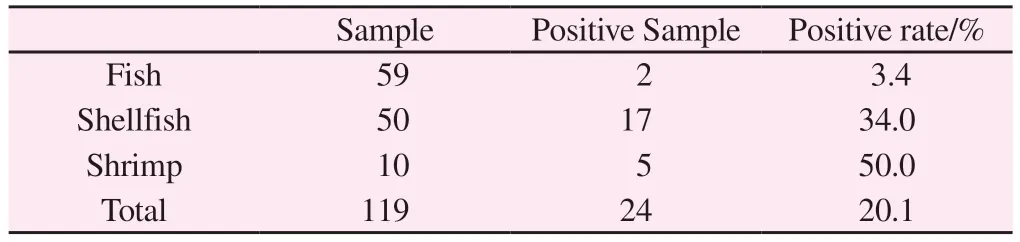
Tab 1 Detection of Vibrio parahaemolyticus in seafood sold in Haikou market
3.4 Detection of Vibrio alginolyticus in different types of seafood
From 2020 to 2022, a total of 119 samples of commercially sold seafood, including fish, shrimp, and shellfish, were collected in Haikou City.Among them, 46 samples were positive for Vibrio alginolyticus, and the overall positive rate was 38.7% (Table 2).Among the positive samples, shellfish had the highest positive rate,which was 48%.Fisher’s exact test analysis showed that there was no statistically significant difference in the positive rates of Vibrio alginolyticus among the different types of seafood ( χ2=3.688,P>0.05).
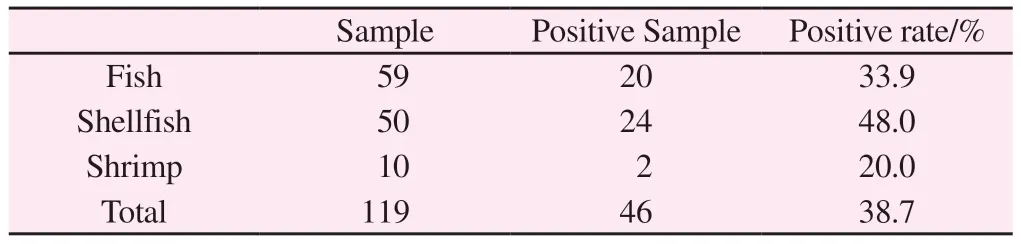
Tab 2 Detection of Vibrio alginolyticus in seafood sold in Haikou market
3.5 Detection of Vibrio parahaemolyticus in seafood from different years
The detection rates of Vibrio parahaemolyticus in the three types of seafood were analyzed based on different years.The highest detection rate of Vibrio parahaemolyticus was 25% in 2022 (Table 3).Chi-square test analysis showed that there was no statistically significant difference in the positive rates ofVibrio parahaemolyticusamong different years and seafood types ( χ2=1.10, P>0.05).

Tab 3 Detection of Vibrio parahaemolyticus in seafood sold in Haikou market in different years
3.6 Detection of Vibrio alginolyticus in seafood from different years
The detection rates of Vibrio alginolyticus in the three types of seafood were analyzed based on different years.The highest detection rate of Vibrio alginolyticus was 76.7% in 2021 (Table 4).Chi-square test analysis showed that there was a statistically significant difference in the positive rates of Vibrio alginolyticus among different years and seafood types ( χ2=42.573, P<0.05).
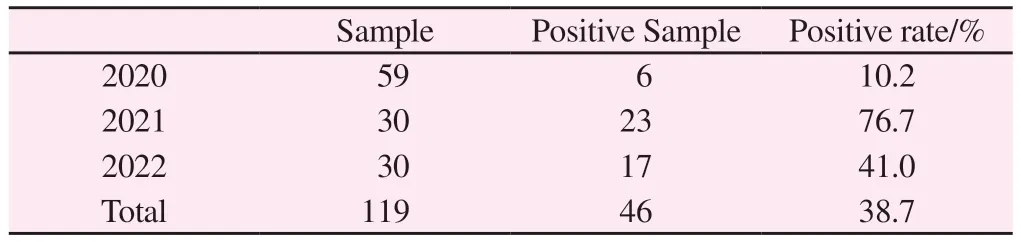
Tab 4 Detection of Vibrio alginolyticus in seafood sold in Haikou market in different years
3.7 Detection of Vibrio parahaemolyticus in seafood from different seasons
The detection rates of Vibrio parahaemolyticus in the three types of seafood were analyzed based on different quarters.The highest detection rate ofVibrio parahaemolyticuswas 32.8% in the fourth quarter, while no Vibrio parahaemolyticus was detected in the third quarter (Table 5).Fisher’s exact test analysis showed that there was a statistically significant difference in the positive rates ofVibrioparahaemolyticus among different quarters and seafood types ( χ2=61.645, P<0.05).
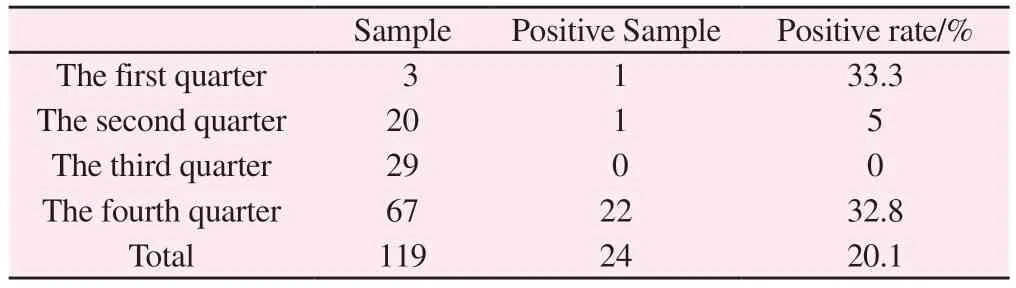
Tab 5 Detection of Vibrio parahaemolyticus in Commercial Seafood Sold in Haikou City by Quarters
3.8 Detection of Vibrio alginolyticus in seafood from different seasons
The detection rates of Vibrio alginolyticus in the three types of seafood were analyzed based on different quarters.The highest detection rate of Vibrio alginolyticus was 80% in the second quarter, and no Vibrio alginolyticus was detected in the first and third quarters (Table 6).Fisher’s exact test analysis showed that there was a statistically significant difference in the positive rates of Vibrio alginolyticus among different quarters and seafood types ( χ 2=48.677,P<0.05).
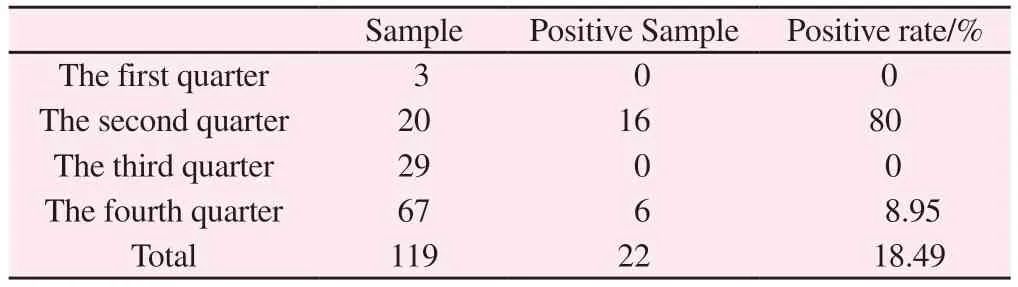
Tab 6 Detection of Vibrio alginolyticus in Commercial Seafood Sold in Haikou City by Quarters
4.Discussion
Haikou, as a coastal tourism city, not only supplies seafood to permanent residents but also provides a large amount of seafood to travelers, resulting in significant sales.Moreover, many permanent residents in Haikou have a habit of consuming raw or pickled seafood, making the safety of seafood an issue of particular concern.According to a recent study, foodborne diseases caused by Vibrio parahaemolyticus are gradually increasing in Haikou[8].The positive rate ofVibrio parahaemolyticusin seafood from 2020 to 2022 was 21%, which is lower than the positive rate (41.4%)reported by Li Ping et al.regarding Haikou from 2014 to 2016[8].The decrease in positive rates is closely related to the supervision of relevant departments, indicating that increasing supervision of seafood and advocating for low-temperature storage is essential.Among the four quarters, although the positivity rate is highest in the first quarter, it is not representative due to the small sample size.Apart from the first quarter, the positivity rate is high in the fourth quarter, consistent with the study by Ni Yunlong et al.[9].Temperature is one of the main factors affecting the contamination of seafood with Vibrio parahaemolyticus[10].Given that Haikou has a relatively high temperature, particularly in the second and third quarters, making it an ideal environment for bacterial growth[11],low-temperature storage of seafood can effectively reduce the risk ofVibrio parahaemolyticusinfection.Low-temperature storage of seafood is suitable during the second and third quarters, but as temperatures drop in the fourth quarter, seafood stored at room temperature becomes a hotbed for Vibrio parahaemolyticus infections,leading to an increase in positivity rates.Although the positivity rate of shrimp is the highest among the three types of seafood, it is not representative due to the small sample size.Apart from shrimp,the positivity rate of bivalves is high, consistent with the reports by Gong Chunbo[12] and Yu[13].Different positivity rates in different products might be due to differences in their living areas and habits,resulting in varying degrees of contamination[14].Seafood in Haikou is derived from both artificial breeding and underwater fishing.The difference in the positive rate of Vibrio parahaemolyticus among samples from each year has no statistical significance, consistent with Li Ping’s study reported earlier[8].
In this study, the positive rate of Vibrio alginolyticus in seafood from 2020 to 2022 was 37%, higher than that in Guangzhou(20.31%)[15] and Kunming (17.4%)[16], but lower than that in Xiamen(81.4%)[17].This indicates that the carriage rate of V.alginolyticus is relatively high in Haikou’s seafood, which should be a concern for regulatory agencies.The positivity rate of bivalves is the highest,consistent with the report by Weng Qinyun et al.[17].This may be related to the living habits of bivalves.The differences in positivity rates among samples from each year are statistically significant,with a peak infection in 2021, indicating that water quality pollution was more severe in 2021.The differences in positivity rates among quarters are statistically significant, with the highest positivity rate occurring in the second quarter.Therefore, special attention and strengthened supervision of seafood safety issues are needed during this season.
In general, the positivity rates ofVibrio parahaemolyticusand Vibrio alginolyticus in Haikou are slightly higher than those in other provinces, and are related to sample types.Studies have shown that temperature is essential for the growth of Vibrio bacteria[18].Higher temperatures favor bacterial growth and reproduction, so the yearround high temperatures in Haikou may increase the positivity rates of Vibrio bacteria.Storage and management of seafood need to be adjusted flexibly based on different seasons and temperature changes to ensure their quality and safety.Regulatory agencies should be more aware of the risks of Vibrio infections and propose appropriate control measures.To prevent Vibrio infections caused by seafood consumption, consumers should choose high-quality and fresh seafood when purchasing, and if purchasing packaged seafood,they should choose products that meet food safety standards and are within their expiration date.Before consuming bivalve seafood,it is essential to thoroughly cook them to ensure that pathogenic microorganisms such as Vibrio parahaemolyticus and V.alginolyticus are effectively killed[19].
Declaration of competing interest
The authors declare that they have no known competing financial interests or personal relationships that could have appeared to influence the work reported in this paper.
Authors’ contribution
ChenChen: Data curation, Writing–original draft.Yan Pang:Methodology, Data collection.Renjie Shao: Methodology, Data collection.Xuexia Li: Writing–review & editing, Conceptualization.Qianfeng Xia: Supervision, Resources, Funding acquisition.
 Journal of Hainan Medical College2023年15期
- Journal of Hainan Medical College的其它文章
- Progress in diagnosis and treatment of invasive aspergillosis after liver transplantation
- An overview of the mechanism of acupuncture and moxibustion in treating depression comorbidities insomnia
- The significance of SREBP1 expression in HBV-related hepatocellular carcinoma
- Efficacy and safety of Revlimid combined with Rituximab in the treatment of follicular lymphoma: A meta-analysis
- Study on the mechanism of Fuzi in the treatment of allergic rhinitis based on network pharmacology and experimental validation
- Effect of acupuncture on acupoint "Yingxiang-Hegu" on Th1, Th2 cytokines and T-bet/GATA-3 of allergic rhinitis rats