
Dilemmas and Prospects of the World Bank’s Climate Finance
2023-10-30 23:06:32ZhuJiejin
當代世界英文版 2023年4期
Zhu Jiejin
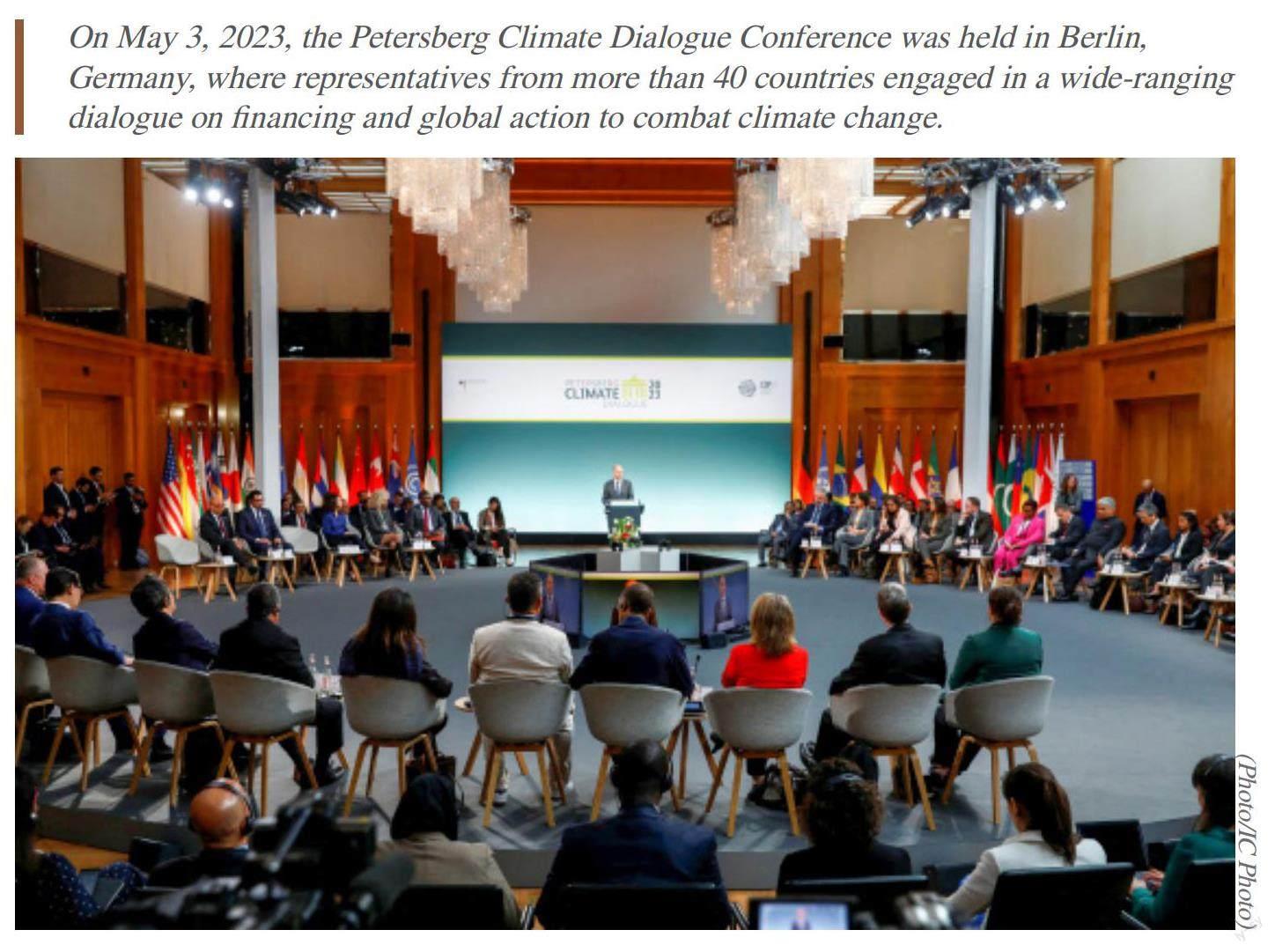
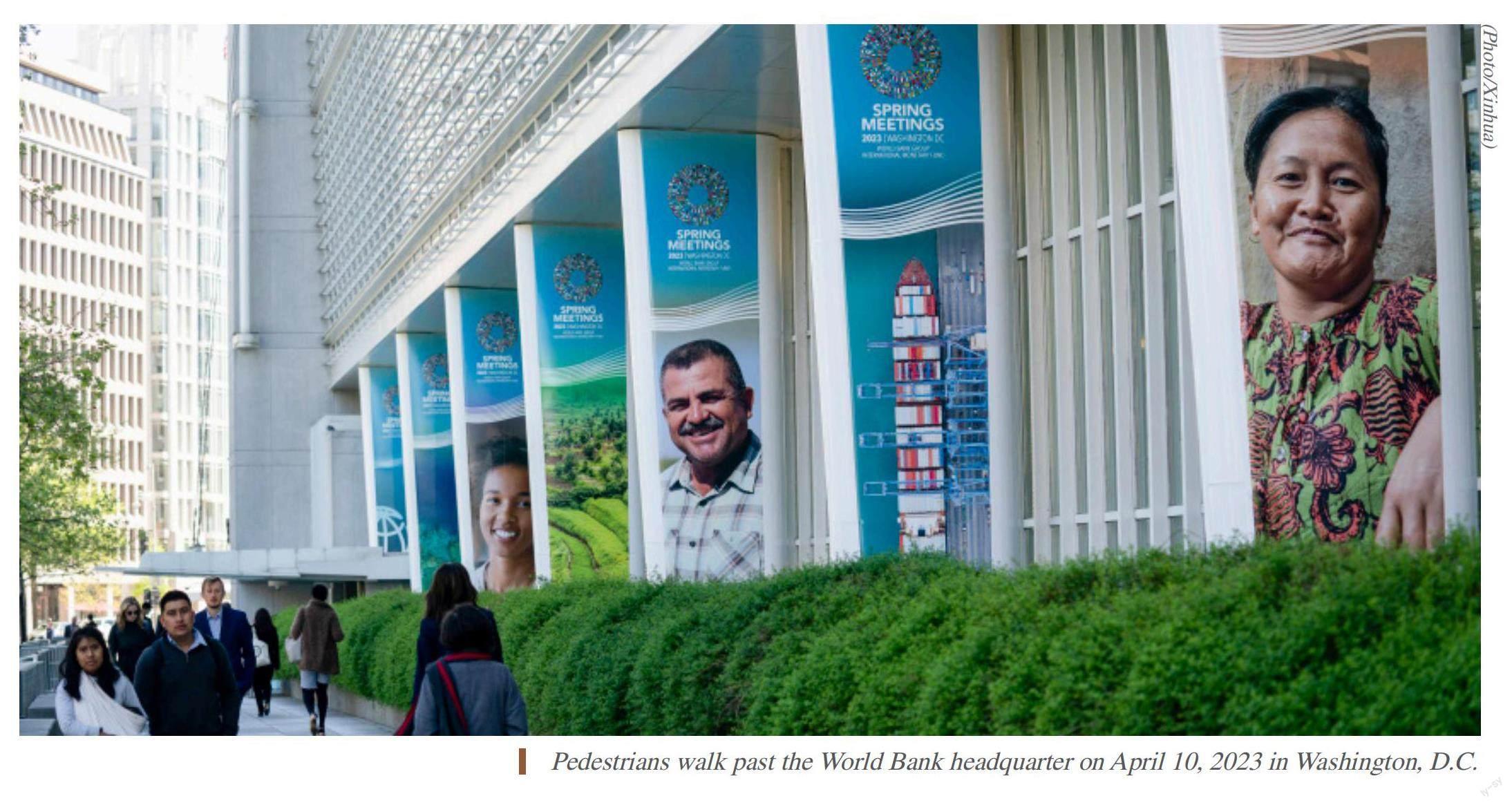
Currently, the World Bank is carrying out a new round of reforms for climate finance. In December 2022, the World Bank released the Evolutionary Roadmap (the Roadmap), in which the proposed climate finance reform program was introduced. In February 2023, then President Malpas, a climate change skeptic, announced that he was stepping down from his post, and Ajay Banga, a former advisor to the Climate Investment Funds (CIFs), was appointed as the new President of the World Bank, which again reflects the determination of the Word Bank to push forward the reform for climate finance. Against this backdrop, it is particularly important for the study of the future direction of development of multilateral development banks (MDBs) and the global economic governance system to look into and understand the World Banks new round of climate finance reform as well as the differences in the stances of the parties involved in the reform and the prospects for the reform.
Multilateral Development Banks and Climate Finance
The MDBs are tasked with the mission and obligation of addressing climate change, and are important actors in climate finance. The advantage of MDBs participation in climate finance is that most of the climate vulnerable countries that are susceptible to the impacts of climate change are also developing countries that are in urgent need of poverty eradication and shared prosperity. Over the years, the MDBs have been deeply engaged in project financing in developing countries, and are capable of providing these countries with the long-term financial and professional technical support needed for climate projects. In addition, combating climate change is also closely related to the development mission of the MDBs. In terms of project types, climate finance projects are mainly categorized into climate change mitigation (CCM) projects and climate change adaptation (CCA) projects. CCM projects focus on controlling greenhouse gas (GHG) emissions through energy transformation and increasing GHG absorption through afforestation and carbon sequestration. CCA projects focus on reducing the impacts of climate change by establishing early warning systems for extreme weather monitoring, strengthening climate risk management, building food reserves, managing water resources, etc. Due to the absence of a system to evaluate the effectiveness of CCA projects and the lack of recognition of the value of financial investment to CCA projects, most of the climate finance has gone to CCM projects and money for CCA projects is less in comparison.
Therefore, the MDBs have underscored extra attention to CCA projects while continuously increasing their climate financing efforts. At the 2019 UN Climate Action Summit, the MDB family pledged to scale up climate finance for low- and middle-income countries to $50 billion by 2025, including $18 billion for CCA projects. The World Bank has pledged that climate finance will account for 35 percent of its total funding by 2025, or to an annual average of $25 billion, with 50 percent of that funding going to CCA projects.
Generally, the MDBs have made some achievements in climate financing, but they are still far from providing the financial support needed to implement the Paris Agreement on climate change. The World Bank estimates that governments and the private sector in developing countries will need to spend an average of $2.4 trillion per year by 2030 to address climate change, conflicts or pandemics, accounting for about 6% of the total economic output of developing countries. More than 13 million people will be pushed into extreme poverty by 2040 as a result of the climate crisis. In the face of such a huge financing gap and the difficulties in fulfilling the Paris Agreement, the World Bank is actively pursuing climate finance reform to lead the MDB family as a whole to better undertake climate financing.
Divergent Stances in the World Banks Climate Finance Reform
At the end of 2022, the World Bank published the roadmap for climate finance reform, which centered on its mission, operating model, and financial capacity. It includes the following measures:
First, the World Bank will consider making sustainability as its third mission, adding to its dual mission of eradicating extreme poverty and realizing shared prosperity. By introducing the goal of sustainability, it hopes to define its responsibility and obligation to help countries cope with the climate crisis and contribute to the sustainability of the planet.
Second, it would improve capital utilization by optimizing its balance sheet. It plans to reduce its equity-to-loan ratio from 20% to 19%, which is expected to free up $4 billion annually for climate change mitigation and adaptation projects, accounting for 15% of its total annual lending. In addition, it will remove the project loan limit for a single borrowing country.
Third, a blended capital financing mechanism to better mobilize private capital for climate finance. The World Bank announced at its 2023 Spring Meetings that it will launch a pilot lending project for a blended capital of up to $1 billion to raise funds primarily from private investors in capital market, which is expected to mobilize $6 billion in climate finance.
Fourth, an expansion of concessional lending resources and the establishment of a systematic process for replenishing resources were proposed. The World Bank said that the international community should substantially increase concessional lending resources in order to better respond to climate crisis. The World Bank Group has been able to leverage private capital through the International Finance Corporation and the Multilateral Investment Guarantee Agency, but lacks the concessional lending resources that are critical for low-income and middle-income countries.
After the announcement of the reform program, the World Banks member countries can be broadly divided into two camps over this issue, namely, the radical reformers represented by developed countries and climate-vulnerable countries and the cautious reformers represented by emerging market countries and low-income countries. Although they have reached consensus that the World Bank should strengthen climate finance and commit to the Paris Agreement and the United Nations Sustainable Development Goals (SDGs) for 2023, they have divergent views on how to adjust the World Banks mission and positioning, expand climate finance, and balance climate finance and development needs.
In terms of realigning the World Banks mission and positioning, the radical reformers believe that the World Bank should make sustainability its third major mission, in addition to its dual mission of poverty reduction and shared prosperity. Before the promulgation of the World Banks roadmap, US Treasury Secretary Yellen and German Federal Minister for Economic Cooperation and Development Schulze explicitly demanded that the World Bank should renew its mission and formulate a concrete reform program before the end of 2022. While the cautious reformers represented by China, India and African countries are worried that changing the mission of the World Bank will affect its investment in poverty reduction and development projects, and advocate that the World Bank should only adjust the explanation of its mission by making sustainability an important guideline for achieving poverty reduction and common development while sticking to the existed dual mission.
In terms of expanding climate finance, the radical reformers put forward higher targets and demands for the World Bank to mobilize more funds. They argue that the World Banks current reform program is unable to cope with climate change, and that it needs to mobilize more funds and improve the efficiency of their use in order to achieve the climate finance targets set out in the Paris Agreement. Prime Minister Mottley of Barbados proposed the Bridgetown Initiative at the COP27, requesting MBDs to mobilize an additional US$1 trillion to fully support developing countries to stand ready for and rebuild after climate disasters. The Vulnerable 20, a group of 58 climate-vulnerable countries, also publicly called on the World Bank at COP27 to double its investment in CCA projects by 2025 and triple its concessional lending from the International Development Association.
In addition, the radical reformers have argued that current MDB funds are not going to climate vulnerable countries but are even putting some of them in an unsustainable debt trap. These issues have not been effectively addressed in the World Banks roadmap for climate finance reform. After the World Bank unveiled its reform program at its 2023 Spring Meetings, Yellen said that its current reform efforts were not strong enough, and that more bold actions were needed to better address the challenge of climate change.
Meanwhile, cautious reformers like China, India, Brazil, and some African countries joined together at the World Banks 2023 Spring Meetings to say that it should not be too aggressive in its efforts to expand its climate finance resources, lest it jeopardize its high credit rating. They emphasized that the World Banks strength lay in its 3A credit rating, which allowed it to raise funds at a lower cost than market interest rates, and that it would lose more than it gained if its credit rating was affected by climate finance.
In terms of balancing climate finance with development needs, the cautious reformers are concerned that low-income countries are being squeezed out of development resources that should be available to them by climate finance. Moss, a former World Bank official and United States government official for Africa affairs during the Bush administration, says that many African countries worry that the World Banks over-focus on climate finance will result in funds going to relatively wealthy countries rather than to the least developed countries. In fact, four-fifths of global climate finance is now going to middle-income countries, while the share of climate finance going to the least developed countries and small island developing states, which are the most vulnerable to the climate crisis, is declining, for example, from 22% in 2020 to 19% in 2021.While this is certainly explained by the greater demand for CCM and CCA projects in middle-income countries, concerns about the diversion of development resources for low-income countries are also legitimate in the context of the World Banks increasing focus on climate finance. In response, radical reformers have called on the World Bank to make climate projects more attractive for investment and to address the imbalance in the distribution of scarce resources by growing the pie.
Prospects for World Bank Climate Finance Reform
The World Banks climate finance reform not only involves the divergence of stances between the radical reformers and the cautious reformers, but also faces the problem of path dependency from the World Banks organizational culture and structure, as well as the challenge of high interest rates and large debt in the market environment.
In terms of organizational culture, as an international economic institution, the World Banks main staff receive professional education in economics, and performance assessment and incentives are mostly based on professional and technical indicators, such as results of completed projects and financing. In this context, in order to promote the reform of climate finance, the World Bank first needs to make all staff, especially non-climate experts, realize the importance of climate finance. Walters, former director of the Middle East and North Africa Bureau of the World Bank, says that the World Bank staff do not understand the reasons why the institution finances climate projects, nor do they have a clear understanding of the priorities of sustainability and dual mission, and the World Bank lacks performance incentives for climate finance. Against this background, how the World Bank will prioritize climate finance in the future is a major challenge for the implementation of the reform program.
In terms of organizational structure, the World Banks large institutional size and complex organizational structure will affect the implementation of the reform program. In the current organizational structure of the World Bank, institutions related to climate finance include the Energy Global Practice, the Environment, Natural Resources and Blue Economy Global Practice, and the Urban, Disaster Risk Management, Resilience and Land Global Practice under each regional office. An overly decentralized organizational structure can hinder the implementation of reform programs. The US Biden administration is pushing for the establishment of more financial intermediary funds within the World Bank, which will also objectively affect the advancement of the World Banks climate finance reform process.
In terms of the market environment, the current era of high interest rates and large debt is not conducive to the World Banks access to sufficient climate finance resources to implement the reform program. The World Bank expects that all of its replenishment funds and crisis buffer fund for the fiscal year 2024 will be exhausted in advance, and it is afraid that it will face a financial crisis. In the case of developed countries do not commit to increase capital or private capital is difficult to mobilize, the World Bank urgently needs to obtain more funds from the capital market. When it comes to capital increase, facing the current downturn in the world economy and the deterioration of energy crisis, the World Banks major shareholder countries are experiencing greater financial pressure, and developed countries are worried about the World Banks capital increase may enhance the emerging economies power of discourse, so as to dilute that of developed countries themselves in governance. Therefore, in the context where the World Bank and climate vulnerable countries repeatedly called on the international community to provide more financial support, the major shareholder countries only say that efforts should be made through the International Development Association to enhance the assistance to low-income countries, but remain silent on the specific capital increase plan.
In terms of mobilizing private capital, the MDBs are in a more worrisome position when they try leveraging private capital for the climate sector. More importantly, against the backdrop of inflation, central banks around the world have started or accelerated the process of raising interest rates one after another, developing countries are generally seriously indebted, and the world has entered an era of universal high interest rates and large debt. The market environment of high interest rates will increase the finance cost of the World Bank and make climate financing more difficult. Under the circumstance that climate vulnerable countries are usually facing huge debts, and climate investment and financing projects, especially CCA projects, are difficult to make profits, how to mobilize the enthusiasm of market actors to invest and reduce the risk expectations of investors is a major challenge for climate financing.
Conclusion
The World Bank, which leads the big family of the MDBs, and initiated the reform of climate finance., acts as a “wind vane” of climate finance. To some extent, this helps to promote the realization of the Paris Agreement and the United Nations 2030 Sustainable Development Goals. However, the implementation of the World Banks climate finance reform program still faces many difficulties. First, there is a need to resolve the divergence between the radical reformers and the cautious reformers, which lies in their stances. Second, there is a need to address the path-dependency problem posed by the organizational culture and structure of the World Bank, as well as the challenges posed by the market environment of high interest rates and large debt.
——————————————
Zhu Jiejin is Professor of the School of International Relations and Public Affairs at Fudan University

- 當代世界英文版的其它文章
- Erdogan’s Election Victory and the Direction of Turkish Politics
- New Consensus of the British Party Politics and the Prospects of the UK-Europe Relations
- Sovereign Debt Management in Developing Countries
- Reconstruction of the Global Economic Governance System and China’s Role under the Profound Changes
- Restructuring and Transformation of East Asian Supply Chains in the Context of De-Globalization
- China’s Efforts to Build a Community with a Shared Future in the Neighborhood from the Perspective of Major-country Competition