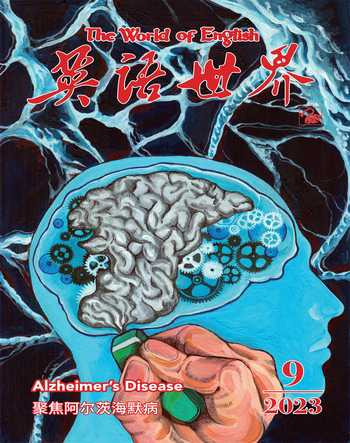
The Facts About 6 Common Alzheimer’s Myths關于阿爾茨海默病常見的六種誤解
2023-09-19 12:31:49杰茜卡·圖默高新媛/譯
英語世界 2023年9期
杰茜卡·圖默 高新媛/譯
Alzheimers can be a terrifying diagnosis for families, especially when the causes of the disease and the effective ways to treat it remain a mystery to the medical community. Caregivers looking for answers are often forced to sift through tons of misinformation related to the disease to better understand it and how to care for their loved ones.
對家庭來說,有成員被診斷患上阿爾茨海默病可能是件可怕的事,特別是該病的病因和有效治療方法仍然是醫學界的未解之謎。尋求答案的護理人員常常不得不篩除與該病相關的大量錯誤信息,以更好地了解此病,了解如何照顧他們關愛的人。
From what causes Alzheimers to the foods that can prevent it, how genetics plays a role, and whether it can be treated, here are a few common beliefs about Alzheimers that need to be busted.
從阿爾茨海默病的成因到可以預防此病的食物、遺傳學如何發揮作用,以及該病能否治愈,有些關于阿爾茨海默病的常見誤解需要破除,詳情如下。
Myth: Alzheimers and Dementia are two separate illnesses.
誤解:阿爾茨海默病和癡呆是兩種相互獨立的疾病。
Fact: When we talk about degenerative illnesses like Alzheimers and dementia, theres the tendency to treat them as two separate illnesses or to use the words interchangeably. Alzheimers and dementia are part of the same family—they both affect the brain in similar ways—but theyre distinct in their differences.
事實:當人們談論像阿爾茨海默病和癡呆這樣的退行性疾病時,往往將它們當作兩種獨立的疾病或將這兩個詞互換使用。阿爾茨海默病和癡呆同源——它們都以類似的方式影響大腦——但差異明顯。
Dementia is a group of symptoms, but just calling something dementia doesnt speak to the cause. There are a number of disease processes that can cause dementia. In other words, while Alzheimers is a form of dementia and therefore not a separate illness, the two terms shouldnt be swapped in for each other. Just because someone has dementia, it doesnt necessarily mean they have Alzheimers.
癡呆是一組癥狀,但僅僅稱其為癡呆并不能解釋其成因。許多疾病在發展過程中可能導致癡呆。換言之,雖然阿爾茨海默病是癡呆的一種而非不同的疾病,但這兩個術語不應該互換使用。某人患有癡呆,并不一定意味著就患上了阿爾茨海默病。
Myth: Memory loss is always a sign of Alzheimers.
誤解:記憶喪失就標志著患上阿爾茨海默病。
Fact: Recognizing the signs of Alzheimers can be tricky, but theres no reason that misplacing your car keys or forgetting a doctors appointment should send you into a panic. A certain amount of memory loss is a normal part of aging and most of the time, Alzheimers-related memory loss is easier to recognize.
事實:阿爾茨海默病的征兆可能難以識別,但你沒理由因為把車鑰匙放錯地方或忘記醫生預約就陷入恐慌。一定程度的記憶喪失是衰老的正常表現,而多數情況下,與阿爾茨海默病有關的記憶喪失更容易識別。
Alzheimers always includes memory loss, but memory loss isnt always the first sign. Oftentimes it is. Oftentimes, early on, people notice significant changes, especially in their short-term memory because the part of the brain that seems to be impacted first is the center of new memory and new learning.
阿爾茨海默病常常包括記憶喪失,但記憶喪失并不總是第一個出現的征兆。不過通常如此。通常在早期,人們會注意到明顯的變化,尤其是短期記憶的變化,因為大腦中首先受到影響的部分似乎是新近記憶和學習的中心。
So, if youre having trouble learning new skills, remembering what day of the week or month of the year it is, then there may be a bigger issue.
因此,如果你在學習新技能時遇到困難,記不起現在是周幾或哪個月份,那問題可能就比較大了。
Myth: Alzheimers only affects the elderly.
誤解:阿爾茨海默病只影響老年人。
Fact: The older we get, the scarier an Alzheimers diagnosis can become. Thats because, of the 5.7 million Americans currently suffering with the illness, 5.5 million are 65 and older. But the disease doesnt just affect the elderly.
事實:年齡越大,確診患上阿爾茨海默病可能就越可怕。這是因為,在目前患有這種疾病的570萬美國人中,有550萬人年齡是65歲及以上。然而,這種疾病并不僅僅影響老年人。
There are 200,000 people that we put in a category we call ‘younger onset. These people get the onset of symptoms in their 40s, 50s, and early 60s. Its rare, but it can happen.
有20萬人被歸為所謂“年輕發病者”。這些人在40多歲、50多歲和60歲出頭就開始出現癥狀。這很罕見,但有可能發生。
Myth: Certain lifestyle changes can protect you from Alzheimers.
誤解:生活方式的某些改變可以避免患上阿爾茨海默病。
Fact: Just like the people who believe certain factors can cause Alzheimers, there are people who think specific lifestyle changes can protect you from the disease. Theyre not completely wrong. While certain vitamins and foods like blueberries, red onions, and even marmite wont prevent an Alzheimers diagnosis, a healthy and active lifestyle can improve your chances of avoiding the disease.
事實:就像認為某些因素會導致阿爾茨海默病的那些人一樣,也有人認為改變特定的生活方式可以避免患病。他們并非完全錯誤。雖然某些維生素和諸如藍莓、紅洋蔥甚至馬麥醬等食物對阿爾茨海默病沒有預防作用,但健康和積極的生活方式還是可以降低患病幾率。
Out of the top 10 causes of death in the United States, Alzheimers is the one that has no known prevention, cure, or even treatment that slows it down. But that said, theres more and more evidence that there are lifestyle things we can do to give our brains the best chance of healthy aging.
阿爾茨海默病位列美國十大死因,其中只有該病沒有已知的預防、治愈甚或延緩病情發展的治療手段。話雖如此,有越來越多的證據表明,我們可以通過一些良好的生活方式為大腦提供健康衰老的最佳機會。
Things like eating a balanced diet full of healthy food like fruits and veggies, being physically active, and keeping your brain healthy as well.
諸如:采取富含水果和蔬菜等健康食品的均衡飲食,積極參加體育鍛煉,以及保持大腦健康。
Participating in social activities may lower the risk for some health problems and improve well-being. Being cognitively active, whether its learning a new skill, language, or musical instrument; doing the crossword or other brain puzzles; or just enjoying a favorite hobby, may also benefit your brain.
參加社會活動可以降低一些健康問題的風險并提高幸福感。積極參與認知活動,學習新的技能、語言或樂器都可以;做填字游戲或其他腦力游戲;或只是享受最喜歡的愛好,這些也對大腦有益。
Myth: Alzheimers runs in my family, so Ill have it too.
誤解:阿爾茨海默病是我的家族遺傳病,所以我也會得。
Fact: If a relative or immediate family member has Alzheimers, its understandable that you might be worried about your own chances for contracting the disease, but genetics arent the sole determining factor when it comes to the degenerative illness.
事實:如果有親戚或直系親屬患有阿爾茨海默病,你可能會擔心自己發病的幾率,這可以理解,但涉及這種退行性疾病時,遺傳并不是唯一的決定因素。
Genetics for most of us are risk factors. So, think of it like heart disease. If you have family members with heart disease or certain types of cancers, your doctor may tell you that you have a higher risk for those things. It doesnt mean youre going to get them, but its something to look out for a little bit more. So those of us who have direct family members with Alzheimers disease do have a greater risk factor, but it doesnt mean were going to get Alzheimers.
對我們大多數人來說,遺傳是風險因素。因此,不妨把它假想成心臟病。如果有家人患有心臟病或某些類型的癌癥,你的醫生可能會告訴你,你罹患這些疾病的風險更高。這并不意味著你肯定會患病,但確實需要多加注意。所以,直系親屬患有阿爾茨海默病的那些人確實患病風險更大,但這并不意味著就會得上阿爾茨海默病。
Myth: Alzheimers can be treated and eventually cured.
誤解:阿爾茨海默病可以治療并最終治愈。
Fact: Unfortunately, while there are drugs that help alleviate symptoms associated with Alzheimers, we havent found a cure to the disease, or even a way of slowing it down, yet.
事實:不幸的是,雖然有藥物可以幫助緩解與阿爾茨海默病相關的癥狀,但我們還沒有找到治愈這種疾病的方法,連延緩病情發展的方法都沒有找到。
There are no drugs currently that can slow down the pathology, the damage thats happening in the brain, but there are drugs that can help the brain have access to chemicals that make making connections easier. These medications help people with their quality of life, but they dont stop the disease progression. They dont cure anything.
目前沒有任何藥物可以減緩病理變化——即大腦正遭受的損害——但有一些藥物可以幫助大腦獲得讓建立連接更容易的化學物質。這些藥物可幫助人們提高生活質量,但并不能阻止疾病的惡化。它們解決不了什么問題。
(譯者為“《英語世界》杯”翻譯大賽獲獎者)
猜你喜歡
學苑創造·A版(2020年10期)2020-11-06 05:21:26
作文周刊·小學一年級版(2016年27期)2017-06-03 23:21:17
少年博覽·小學高年級(2016年12期)2017-01-16 12:48:35
特別文摘(2016年19期)2016-10-24 18:38:15
絲綢之路(2016年9期)2016-05-14 14:36:33
37°女人(2016年5期)2016-05-06 19:44:06
新湘評論·下半月(2016年4期)2016-05-05 22:12:41
新湘評論·下半月(2016年4期)2016-05-05 22:12:41
海外文摘(2016年4期)2016-04-15 22:28:55
爆笑show(2016年1期)2016-03-04 18:30:28