
On the Character: 勞
2023-06-22 15:11:00黃偉嘉譚云飛
漢語世界(The World of Chinese) 2023年2期
黃偉嘉 譚云飛
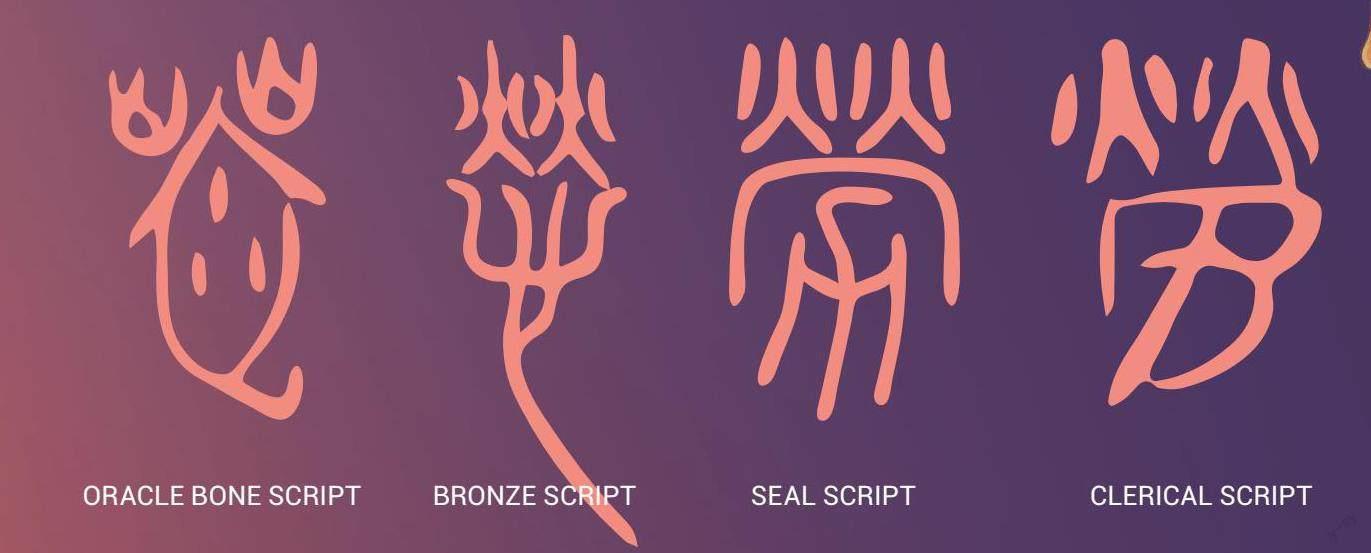
A character that toils for glory
勞動:累,但是光榮
Illustrations by Fengzheng Yisheng
When it comes to Chinese works on maternal love, none can compete with Tang dynasty (618 – 907) intellectual Meng Jiaos (孟郊) poem “Song of the Traveling Son (《游子吟》)”: “Thread in the hands of a loving mother turns to clothes on the traveling son. She adds stitch after stitch before his departure and worries about his return. A grass blade is bathed in spring sun; how can its inch-sized heart return such love?”
Included in Three Hundred Tang Poems (《唐詩三百首》), compiled by Qing dynasty scholar Sun Zhu (孫洙) in the 1760s and now a must-read in primary school textbooks, the poem may be Chinas most cited work on the topic, even though sewing clothes by hands is mostly a thing of the past.
Meng wrote the poem while traveling back to his hometown Wukang (in present day Deqing county of Zhejiang province) to fetch his mother, after he took his first official position in Weiyang county (in todays Jiangsu province) at the age of 50, expressing his gratitude to the woman who raised him and his two younger brothers alone—their father died when Meng was 10.
Mengs scene of a mother, bathed in light, sewing clothes for her son reflects the composition of the earliest form of the Chinese character 勞 (láo, labor, toil), found on oracle bones from over 3,000 years ago—two 火 (huǒ, fire) on top and a 衣 (yī, clothes) below, with three dots that resemble stitches inside the 衣, which was later replaced by the radical 力 (lì, strength) and a form symbolizing a house above. The Analytical Dictionary of Chinese Characters (《說文解字》), written during the Eastern Han dynasty (25 – 220), interprets the form as “[When] a house is on fire, it takes hard work to extinguish it (,火冂,用力者? yíng, huǒ shāo jiōng, yònglìzhě láo).”
While the form of the character has been simplified, its meaning has expanded to indicate toil (辛勞 xīnláo), work or labor (勞動 láodòng), and associated feelings like fatigue (疲勞? ? píláo).
Since ancient times, society has despised those who do not work but only sponge off others, or 不勞而獲 (bùláoérhuò, literally “reap without sowing”) as an idiom in Family Analects of Confucius (《孔子家語》) puts it. In more modern times, the idea that “l(fā)abor is glorious (勞動最光榮 láodòng zuì guāngróng)” took root, with even the Constitution of the PRC extolling: “Labor is a glorious thing for all the citizens in China who have the ability to work.” People who work diligently and make great contributions to an organization or to the country are honored as “model workers (勞動模范 láodòng mófàn or 勞模 láomó).”
Since the 1980s, 勞 has become one of the five key aspects Chinas education system seeks to cultivate in students, along with 德 (virtue), 智 (intelligence), 體 (sports), and 美 (appreciation for beauty). Under this framework, primary and middle school students have commonly had at least a one-hour “l(fā)abor class (勞動課? láodòngkè)” each week for hard work theory (勞動觀念 láodòng guānniàn) and skills (勞動技能 láodòng jìnéng).
However, brain work (腦力勞動 nǎolì láodòng) and manual labor (體力勞動 tǐlì láodòng) are not always considered equally. As the third and fourth-century BCE philosopher Mencius said, “Those who labor with their minds govern, while those who labor with their strength are governed (勞心者治人,勞力者治于人 Láoxīnzhě zhì rén, láolìzhě zhì yú rén).”
Throughout history, many Chinese scholars have expressed empathy with the “toiling masses (勞苦大眾 láokǔ dàzhòng),” many of whom struggled to survive as subsistence farmers despite backbreaking labor. In his poem “Watching the Wheat Harvest (《觀刈麥》),” Tang dynasty official and poet Bai Juyi (白居易) aired his shame at taking his yearly salary of three hundred dan (石, an ancient Chinese measuring unit that equals approximately 60 kilograms) of grain without doing “any farm work,” after witnessing a poor woman with a child in her arms gleaning wheat in the hot May sun. Bai recounts that the woman had turned in all of her farmlands grain as taxes.
Be it mental exertion or manual labor, overwork can have severe consequences, such as 積勞成疾 (jīláo chéngjí, illness caused by prolonged overwork) or even 過勞死 (guòl(fā)áosǐ, death from overwork). To avoid such issues, people are encouraged to strike a balance between work and rest (勞逸結(jié)合 láoyì jiéhé). Sometimes, though, theres no avoiding hard work, and all one can do is put in a final supreme effort to get things done once and for all (一勞永逸 yìláo yǒngyì).
