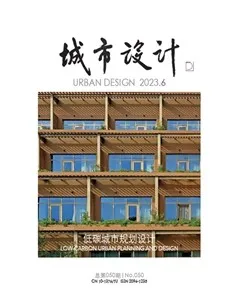
低碳城市規(guī)劃設(shè)計(jì)
2023-05-03 09:44:17王凱
城市設(shè)計(jì) 2023年6期
王凱
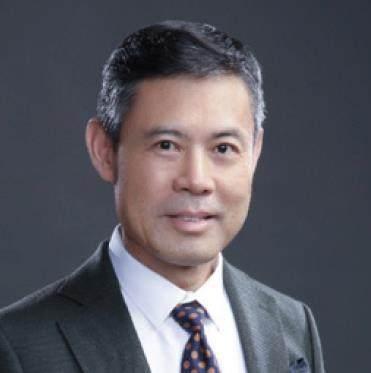
王 凱
全國工程勘察設(shè)計(jì)大師
中國城市規(guī)劃設(shè)計(jì)研究院院長
隨著我國城鎮(zhèn)化進(jìn)程進(jìn)入中后期,“生態(tài)”“綠色”“低碳”成為城鄉(xiāng)規(guī)劃建設(shè)領(lǐng)域的熱點(diǎn)方向,各地相繼開展了從建筑到城市的多層次探索與實(shí)踐。在2020年我國提出“30·60”雙碳目標(biāo)之后,推動(dòng)城鄉(xiāng)建設(shè)領(lǐng)域碳達(dá)峰更成為當(dāng)前極為重要且緊迫的工作,也將成為城市設(shè)計(jì)教學(xué)與實(shí)踐的重要價(jià)值導(dǎo)向和創(chuàng)新源泉。本期以“低碳城市規(guī)劃設(shè)計(jì)”為主題,旨在梳理總結(jié)國際國內(nèi)經(jīng)驗(yàn),展示國內(nèi)近期實(shí)踐,探索教學(xué)體系改革。從雜志收錄的文章看,可以概括為以下特征。
1 兼顧增量建設(shè)和存量更新
國內(nèi)早期的綠色低碳實(shí)踐主要以增量建設(shè)為主,例如中新天津生態(tài)城、青島中德生態(tài)園都是綠色低碳新區(qū)建設(shè)的優(yōu)秀案例。2022年我國的常住人口城鎮(zhèn)化率已達(dá)65.22%,城市發(fā)展進(jìn)入城市更新的重要時(shí)期,在城市更新行動(dòng)中貫徹綠色低碳理念,能夠有效提高既有建筑能效、降低城市建成區(qū)碳排放,對實(shí)現(xiàn)城鄉(xiāng)建設(shè)領(lǐng)域碳達(dá)峰具有更為重要的意義。《城市綠色更新中的若干思考》一文中,崔愷院士敏銳地指出,存量更新時(shí)代,城市建設(shè)需要兼顧“降低能耗、降低碳排、降低投資”和“提升環(huán)境、提升品質(zhì)、提升生活”,并提出“增綠、綠改、共享、微增、混搭”等設(shè)計(jì)手法,實(shí)現(xiàn)“城市綠色更新”。《既有建成區(qū)零碳更新改造的經(jīng)驗(yàn)?zāi)J教剿鳌棖|嶼島零碳更新改造回顧》一文所闡述的海南博鰲零碳示范區(qū)項(xiàng)目,也是以綠色低碳理念推動(dòng)城市更新的典型案例,該項(xiàng)目計(jì)劃利用3年時(shí)間,通過對既有環(huán)境和設(shè)施設(shè)備的更新改造,達(dá)到運(yùn)營階段碳中和目標(biāo)。
2 兼顧技術(shù)賦能和藝術(shù)賦形
實(shí)現(xiàn)綠色低碳目標(biāo)需要?jiǎng)?chuàng)新、集成一系列高新技術(shù)。《近零能耗建筑降碳效果研究——山西新源智慧建設(shè)運(yùn)行總部A座辦公樓實(shí)例分析》一文中,徐偉大師團(tuán)隊(duì)采用“被動(dòng)優(yōu)先、主動(dòng)優(yōu)化、可再生能源應(yīng)用、精細(xì)化運(yùn)維”的四位一體解決方案,設(shè)計(jì)近零能耗辦公建筑,其技術(shù)已處于國際領(lǐng)先地位。同時(shí),正如喬布斯稱其“站在科學(xué)與藝術(shù)的交叉口”一樣,城鄉(xiāng)建設(shè)領(lǐng)域也需要將技術(shù)與藝術(shù)結(jié)合、將理性與感性結(jié)合,營造能夠“直擊人心、為之動(dòng)容”的建筑和城市。這就需要發(fā)揮城市設(shè)計(jì)的作用,以形式包容功能、以藝術(shù)烘托技術(shù),創(chuàng)造出符合21世紀(jì)審美價(jià)值觀的藝術(shù)作品,讓綠色低碳建筑與城市成為人民群眾喜聞樂見的幸福家園。《新加坡新市鎮(zhèn)的綠色低碳系統(tǒng)化解決方案——以榜鵝新鎮(zhèn)為例》一文中,闡述了新加坡榜鵝新市鎮(zhèn)通過將綠色低碳技術(shù)與建筑環(huán)境藝術(shù)相結(jié)合,大大提高了居民的認(rèn)同感和歸屬感;崔愷院士強(qiáng)調(diào)“該疏的疏、該密的密、該高的高、該低的低”的“順其自然”藝術(shù)手法,而非“整齊劃一”過度干預(yù),這是對綠色審美的精辟詮釋;徐偉大師團(tuán)隊(duì)強(qiáng)調(diào)建筑美學(xué)與節(jié)能降耗技術(shù)在方案設(shè)計(jì)早期的融合;青島市的奧帆中心零碳社區(qū)、中德生態(tài)園智能綠塔、上合之珠國際博覽中心等項(xiàng)目都是技術(shù)與藝術(shù)結(jié)合的典范作品;《新工科背景下的生態(tài)城市設(shè)計(jì)教學(xué)體系探索》一文闡述了生態(tài)城市設(shè)計(jì)課程改革思路,強(qiáng)化“立足基礎(chǔ)、對接科研、融合項(xiàng)目”的“產(chǎn)學(xué)研政用”一體化教學(xué)思路。
3 兼顧系統(tǒng)協(xié)同和重點(diǎn)突破
以往國內(nèi)綠色低碳建設(shè)的重點(diǎn)集中在單體建筑層面,聚焦在“綠色建造”“提升建筑圍護(hù)結(jié)構(gòu)”“提高建筑終端設(shè)備能效”等有限領(lǐng)域。近年來,綠色低碳建設(shè)在空間層次上逐步擴(kuò)展到小區(qū)、社區(qū)、城區(qū)、城市層面,在技術(shù)領(lǐng)域上逐步擴(kuò)展到空間格局、清潔能源、綠色交通、水系統(tǒng)、廢棄物處理、生態(tài)園林綠化、智慧運(yùn)營等方面,在目標(biāo)上協(xié)同推進(jìn)降碳、減污、擴(kuò)綠、增長。同時(shí),越來越關(guān)注跨領(lǐng)域的系統(tǒng)協(xié)同,越來越關(guān)注根據(jù)具體項(xiàng)目的氣候特征、資源條件、經(jīng)濟(jì)基礎(chǔ)、人群需求差異,提出定制化方案。從系統(tǒng)協(xié)同維度看,《中新天津生態(tài)城綠色低碳理念與實(shí)踐》一文中,闡述了中新天津生態(tài)城“指標(biāo)體系、生態(tài)優(yōu)先、職住平衡、服務(wù)均好、五水共治、清潔能源、資源循環(huán)、智慧賦能、綠色生活”9個(gè)方面的綠色低碳理念與技術(shù),今天的中新天津生態(tài)城已成為我國面向世界展示經(jīng)濟(jì)蓬勃、資源節(jié)約、環(huán)境友好、社會(huì)和諧的綠色低碳城市典范;《從城區(qū)維度踐行綠色低碳發(fā)展的路徑研究——以青島中德生態(tài)園為例》一文中,闡述了青島中德生態(tài)園“規(guī)劃—建設(shè)—管理”全過程在理念、技術(shù)、標(biāo)準(zhǔn)、平臺、機(jī)制等方面的探索和創(chuàng)新;《技術(shù)邏輯與行為邏輯下的低碳社區(qū)設(shè)計(jì)研究——以奉賢上海之魚為例》一文從技術(shù)邏輯與行為邏輯雙重視角出發(fā),建構(gòu)智慧能源、共享出行、零廢循環(huán)三類減碳技術(shù)應(yīng)用框架,營造戶戶親水、湖風(fēng)清涼、健康趣游三大低碳生活場景,并依托社區(qū)碳普惠機(jī)制實(shí)現(xiàn)可持續(xù)運(yùn)營;海南博鰲零碳示范區(qū)在規(guī)劃之初就確立了“環(huán)境自然、區(qū)域零碳、資源循環(huán)、智慧運(yùn)營”四大理念,并生成“園林景觀生態(tài)化改造、建筑綠色化改造、可再生能源利用、交通綠色化改造、新型電力系統(tǒng)、固廢資源化處理、水資源循環(huán)利用、運(yùn)營智慧化”八大類項(xiàng)目。從因地制宜維度看,《長三角一體化戰(zhàn)略下的江南水網(wǎng)地區(qū)流域生態(tài)保護(hù)與高質(zhì)量發(fā)展研究——以太浦河流域?yàn)槔芬晃年U述了適用于江南水網(wǎng)地區(qū)的城鎮(zhèn)村綠色生態(tài)空間組織模式;《綠色建筑評價(jià)標(biāo)準(zhǔn)在北京老城平房院落更新改造中的適應(yīng)性分析與建議》一文闡述了老城平房院落的特色化綠色建筑評價(jià)體系和定制化更新改造方案。
4 兼顧國際借鑒和自主創(chuàng)新
《新加坡新市鎮(zhèn)的綠色低碳系統(tǒng)化解決方案——以榜鵝新鎮(zhèn)為例》一文中,闡述了新加坡五代新市鎮(zhèn)的綠色低碳理念與技術(shù)發(fā)展歷程,第五代“榜鵝新鎮(zhèn)”的綠色社區(qū)、綠色建筑、綠色生態(tài)、綠色技術(shù)等理念對我國仍有借鑒意義。同時(shí),隨著我國綠色低碳規(guī)劃建設(shè)實(shí)踐的快速推廣,以及政府主導(dǎo)、全社會(huì)參與的中國特色社會(huì)主義制度優(yōu)勢,國內(nèi)的優(yōu)秀案例日益增多、先進(jìn)技術(shù)日益成熟,逐漸從跟跑者轉(zhuǎn)變?yōu)椴⑴苷吆皖I(lǐng)跑者。未來,我國還將繼續(xù)總結(jié)、歸納綠色低碳規(guī)劃建設(shè)經(jīng)驗(yàn),形成標(biāo)準(zhǔn)、規(guī)范、導(dǎo)則、工具包,為“一帶一路”沿線國家的綠色低碳發(fā)展貢獻(xiàn)中國智慧。《評估導(dǎo)向的青島綠色城市建設(shè)發(fā)展試點(diǎn)探索》一文中,闡述了由住房城鄉(xiāng)建設(shè)部、中國人民銀行、銀保監(jiān)會(huì)批復(fù)的青島市成為全國首個(gè)綠色城市建設(shè)發(fā)展試點(diǎn),并以兩階段評估指導(dǎo)綠色城市建設(shè),充分體現(xiàn)了我國頂層推動(dòng)的制度優(yōu)勢。海南博鰲零碳示范區(qū)更新改造已基本完成,各項(xiàng)指標(biāo)已達(dá)到或超過了預(yù)設(shè)目標(biāo),將成為全國性示范項(xiàng)目和具有國際引領(lǐng)示范作用的零碳綠色發(fā)展標(biāo)桿。
綠色低碳發(fā)展是全人類的共同責(zé)任,是中國式現(xiàn)代化的應(yīng)有之義,也是人民美好生活向往的大勢所趨。綠色低碳城鄉(xiāng)建設(shè)是推動(dòng)城市高質(zhì)量發(fā)展的“底色”,也是城市設(shè)計(jì)的價(jià)值導(dǎo)向和創(chuàng)新源泉。推動(dòng)城鄉(xiāng)建設(shè)綠色低碳發(fā)展要兼顧增量建設(shè)和存量更新、兼顧技術(shù)賦能和藝術(shù)賦形、兼顧系統(tǒng)協(xié)同和重點(diǎn)突破、兼顧國際借鑒和自主創(chuàng)新,實(shí)現(xiàn)從建筑到城市、從示范到推廣,把更多的優(yōu)秀作品寫在祖國大地之上。
Kai Wang
National Master of Engineering Survey and Design
President of China Academy of Urban Planning and Design
THEME: LOW-CARBON URBAN PLANNING AND DESIGN
As Chinas urbanization process enters the middle to late stage, “ecology”, “green”, and “l(fā)ow-carbon” have become hot topics in the field of urban and rural planning and construction. Various localities have successively carried out multi-level explorations and practices from buildings to cities. After China proposed the “30·60” dual carbon goals in 2020, promoting carbon peak in urban and rural construction fields has become an extremely important and urgent task, and it will also become an important value orientation and source of innovation in the teaching and practice of urban design. The current issue of Urban Design magazine, themed Low-Carbon Urban Planning and Design, aims to summarize international and domestic experiences, showcase recent domestic practices, and explore the reform of the teaching system. From the articles included in this special issue, the following characteristics can be summarized.
1 Balancing Construction and Renewal
Early domestic practices in green and low-carbon development primarily focused on new construction, with outstanding examples such as the Sino-Singapore Tianjin Eco-city and the Qingdao Sino-German Eco-park. By 2022, Chinas urbanization rate of permanent residents had reached 65.22%, marking a significant period for urban renewal. Incorporating green and low-carbon concepts into urban renewal efforts can effectively enhance the energy efficiency of existing buildings and reduce carbon emissions in urban built-up areas, playing a more significant role in achieving peak carbon emissions in urban and rural construction. In the article “Viewpoints on green urban renovation”, academician Cui Kai insightfully points out that during the era of stock renewal, urban construction needs to balance “reducing energy consumption, carbon emissions, and investment” with “improving the environment, quality, and living standards”. He proposes design techniques such as “increasing greenery, green renovation, sharing, micro-expansion, and mixed use” to achieve “urban green renewal”. The Hainan Boao Zero-carbon Demonstration Zone project, discussed in the article “Exploring of zero carbon renewal in Built-up areas: Retrospection of zero carbon renewal in Boao Dongyu Island”, is also a typical case of promoting urban renewal with green and low-carbon concepts. The project aims to achieve carbon neutrality during the operational phase within three years by renovating and upgrading the existing environments and facilities.
2 Balancing Technology and Art
Achieving green and low-carbon goals requires innovation and the integration of a series of high-tech solutions. In the article “Study on carbon reduction effect of nearly zero energy building: Shanxi Xinyuan Wisdom construction and operation headquarter block A”, master Xu Weis team adopted a four-in-one solution of “passive priority, active optimization, renewable energy application, and refined operation and maintenance” to design nearly zero energy office buildings, whose technology is at the forefront internationally. At the same time, just as Steve Jobs described it as “standing at the intersection of technologyand art”, the field of urban and rural construction also needs to combine technology with art, and rationality with sensibility, to create astonishing buildings and cities. This requires the role of urban design to accommodate function with form, and to enhance technology with art, creating works of art that conform to the aesthetic values of the 21st century, and making green and low-carbon buildings and cities as happy homeland of the people. The article “Green and low-carbon systematic solutions for New Towns in Singapore: Taking Punggol New Town as an example” elaborates how Ponggol New Town in Singapore has greatly increased residents senses of identity and belonging by combining green and low-carbon technology with architectural and environmental art. Academician Cui Kai emphasizes the artistic technique of “l(fā)etting nature take its course”, which means “dispersing where it should be dispersed, concentrating where it should be concentrated, being high where it should be high, and being low where it should be low”, rather than the excessive intervention with a “uniform” approach, which is a profound interpretation of green aesthetics. Master Xu Weis team emphasizes the early integration of architectural aesthetics and energy-saving technologies in solution design. Projects such as Qingdao Olympic Sailing Center Zero-carbon Community, Sino-German Eco-park Intelligent Green Tower, and the Shanghai Cooperation Organization Pearl International Expo Center are all exemplary works that combine technology and art. The article “Exploration of ecological city design teaching system in the Context of new engineering and technical disciplines” elaborates on the reform ideas of the ecological urban design curriculum, and strengthens the integrated teaching approach of industry, education, research, government, and application, grounded in fundamentals, connected with scientific research, and integrated with projects.
3 Balancing Systemic Coordination and Key Breakthroughs
In the past, the domestic green and low-carbon construction was concentrated on the level of individual buildings, focusing on limited areas such as “green construction”, “improving the airtightness of building maintenance structures”, and “enhancing the energy efficiency of building terminal equipment”. In recent years, the green and low-carbon construction has gradually expanded to the spatial levels of neighborhoods, communities, urban districts, and cities. Technically, it has extended to many aspects such as spatial patterns, clean energy, green transportation, water systems, waste management, ecological landscaping, and smart operations. The goals have also evolved to promote carbon reduction, pollution decrease, green expansion, and economic growth in a coordinated manner. At the same time, there is an increasing focus on the cross-disciplinary system coordination and on proposing customized solutions based on the specific climatic characteristics, resource conditions, economic foundations, and population needs of each project. From the perspective of system coordination, the article “Green and low-carbon concepts and practices of Sino-Singapore Tianjin Eco-city” elaborates on the green and low-carbon concepts and technologies of the Sino-Singapore Tianjin Eco-city in nine aspects: “indicator system, ecological priority, balance between jobs and residence, equitable services, integrated water management, clean energy, resource recycling, smart operation, and green living”. Today, the Sino-Singapore Tianjin Eco-city has become a model for China to showcase a green and low-carbon city to the world that is economically vibrant, resource-efficient, environmentally friendly, and socially harmonious. The article “Research on the path of implementing green and low carbon development from the urban dimension: Taking Qingdao Sino German Ecological Park as an example” discusses the exploration and innovation of Qingdao Sino-German Eco-park in the entire process of “planning-construction-management” in terms of concepts, technology, standards, platforms, and mechanisms. The article “Research on low-carbon community design under technical logic and behavioral logic:The case of Fengxian Shanghaizhiyu community” constructs a framework for three types of carbon reduction technologies—smart energy, shared travel, and zero-waste recycling—from dual perspectives of technical and behavioral logic. It creates three low-carbon living scenarios—waterside homes, cool lake breezes, and healthy recreation—and relies on a carbon inclusion mechanism for sustainableoperation at the community-level. The Hainan Boao Zero-carbon DemonstrationZone established four major concepts at the beginning of its planning: “naturalenvironment, regional zero-carbon, resource recycling, and smart operation”,generating eight categories of projects including “garden landscape ecologicaltransformation, green building renovation, renewable energy utilization, greentransportation transformation, new power systems, solid waste resource treatment,water resource recycling, and intelligent operation”. From the perspective ofadapting measures to local conditions, the article “Study on ecological protectionand high quality development of Jiangnan water network area under Yangtze Riverdelta integration strategy: Take Taipu River basin as an example” elaborates on thegreen, ecological, and spatial organization model suitable for the urban and ruralareas in the Jiangnan water network region. The article “The adaptability analysisand recommendations of green building evaluation standards in the renovation ofbungalow courtyards in Beijings old city” discusses a characteristic green buildingevaluation system for old city single-story courtyard houses and customizedrenovation plans.
4 Balancing International Examples and Independent Innovation
In the article “Green and low-carbon systematic solutions for New Towns inSingapore: Taking Punggol New Town as an example”, the evolution of green andlow-carbon concepts and technologies across the fifth generation of Singaporesnew towns is discussed. The concepts of green community, green buildings, greenecology, and green technology of the fifth generation, taking Punggol New Townas a representative, still hold significant values for our country to learn from.Meanwhile, with the rapid promotion of green and low-carbon planning andconstruction practices in our country, and the advantages of the socialist systemwith Chinese characteristics led by the government and participated by the wholesociety, domestic outstanding cases are increasing, advanced technologies arematuring, and we are gradually transitioning from followers to parallel runnersand even leaders. In the future, China will continue to summarize and generalizeexperiences in green and low-carbon planning and construction, forming standards,norms, guidelines, and toolkits, contributing Chinese wisdom to the green and lowcarbondevelopment of countries along the Belt and Road. The article “Qingdaogreen city construction and development guided by evaluation” discusses howQingdao, approved by the Ministry of Housing and Urban-rural Development, thePeoples Bank of China, and the Banking and Insurance Regulatory Commission,became the nations first green city construction development pilot, guiding thegreen city construction with a two-stage assessment, fully reflecting the institutionaladvantages of top-level promotion in our country. The renovation of the HainanBoao Zero-carbon Demonstration Zone has been essentially completed, withvarious indicators meeting or exceeding preset targets, set to become a nationaldemonstration project and a leading international benchmark for zero-carbon greendevelopment.
Green and low-carbon development is a common responsibility of allhumanity, an inherent part of Chinese-style modernization, and a trend towardsthe peoples aspiration for a better life. The green and low-carbon urban andrural construction is the “underlying tone” that promotes the high-quality urbandevelopment, as well as the value orientation and source of innovation for urbandesign. To promote the green and low-carbon development in urban and ruralconstruction, we must balance construction and renewal, technology and art,systemic coordination and key breakthroughs, and international examples andindependent innovation, achieving a transition from buildings to cities and fromdemonstration to promotion, and constructing more excellent buildings on ourmotherland.
猜你喜歡
品牌研究(2022年26期)2022-09-19 05:54:46
北方建筑(2021年6期)2021-12-31 03:03:54
保健醫(yī)苑(2021年7期)2021-08-13 08:48:02
文苑(2020年10期)2020-11-07 03:15:36
現(xiàn)代裝飾(2020年6期)2020-06-22 08:43:12
學(xué)生天地(2020年36期)2020-06-09 03:12:30
小學(xué)科學(xué)(學(xué)生版)(2020年5期)2020-05-25 07:11:32
海峽姐妹(2019年3期)2019-06-18 10:37:10
少兒科學(xué)周刊·兒童版(2015年6期)2015-11-24 03:49:38
領(lǐng)導(dǎo)文萃(2015年4期)2015-02-28 09:19:05