始于中國 屬于世界
——與聯合國教科文組織共同出品文化互動專題集
2022-08-26 09:42:16李晉芳
文化交流 2022年8期
文/李晉芳

2022年7月8日,《絲綢之路上的文化互動專題集:紡織與服裝》(英文版)在“2022 絲綢之路周”開幕式上亮相。Thematic Collection of the Cultural Exchanges along the Silk Roads:Textiles and Clothing (English edition) is unveiled at the opening ceremony of the 2022 Silk Road Week on July 8, 2022.
絲路,以絲綢織就。千萬卷如蟬翼般的絲布形成一張宏偉畫卷,展現的是紡織品的演變流傳,更是華夏文化與異域文化的浪漫碰撞。關于紡織,絲綢之路在歷史長河中存放了太多記憶。如今,有一本書再現絲綢之路上的人類文明故事,為讀者講述絲綢之路上的文化交流互動互鑒的軼事。
2022年7月8日,第三屆“絲綢之路周”拉開序幕,由聯合國教科文組織和中國絲綢博物館共同出品的《絲綢之路上的文化互動專題集:紡織與服裝》(英文版)即將出版這一消息正式公布。
絲路華彩難掩,眾多知名學者都加入了該書的編撰:中國絲綢博物館名譽館長趙豐和丹麥皇家科學與文學學院院長瑪麗-路易斯 · 諾施(Marie-Louise Nosch)擔任總主編,英國著名歷史學家、《絲綢之路:一部全新的世界史》作者彼得 · 弗蘭科潘(Peter Frankopan)為此作序。并且,如彼得所說,“跟隨作者指引,讀者將被帶往地球的不同角落—從爪哇到西非,從斯堪的納維亞到菲律賓”,它將讓人感受到絲綢之路“始于中國,屬于世界”的獨特魅力。
“絲綢之路上的文化互動專題集”系列叢書,是聯合國教科文組織策劃已久的項目。2017年5月31日,聯合國教科文組織在北京召開“一帶一路文化互動地圖”國際專家會議,共選定哲學、建筑、農業、語言和文學、醫學等18個主題,希望針對每個主題出版一本書,從而全面闡釋這些要素在絲綢之路上的脈絡。時任中國絲綢博物館館長的趙豐曾被邀請前去參加會議。會議上一致認為,這一互動地圖應該選擇絲綢作為前期試點項目。于是,2019年3月18日至19日期間,在西班牙瓦倫西亞召開了“絲綢紡織服飾”部分的專題會議。2019年3月之后,決定合作以出版的形式開啟第一個主題,體現紡織服飾在人類歷史尤其是絲綢之路發展過程中濃墨重彩的一筆。
項目開啟后,聯合國教科文組織便選定中國絲綢博物館作為合作出版方。一方面,叢書的主要負責部門“絲綢之路項目”與中國絲綢博物館多年來保持緊密合作;更重要的是,中國絲綢博物館作為全球最大的絲綢專題博物館,與全球其他紡織類博物館、綜合博物館的紡織品部門、其他科研機構都開展過具體的紡織品合作。在2020年4月,聯合國教科文組織與中國絲綢博物館正式簽署了合作出版協議。
雙方對于這本書的定位十分清晰,力求“專、廣、淺”。“專”,是指這本書要達到頂尖的專業水平,要匯集全球各區域頂尖紡織品領域專家的研究成果,聚焦于絲綢之路。“廣”,是指所涉領域廣博浩瀚,沿絲路溯紡織品類,探古今中外。就如彼得在序中所介紹的,“讀者不僅可以了解絲綢這種高檔絲織品,還可源源不斷地了解其他紡織品和織物,包括棉花、羊毛及植物性材料,如亞麻、大麻、苧麻和其他韌皮纖維”,“圖案、染料和服裝的時新式樣是如何成為相互借鑒、影響和交流的重要元素”,乃至“何時、何地選用特定的設計和圖案,以及設計和圖案在新環境中的演變過程”等。“淺”,則指本書作為通識類書籍,需要深入淺出,專業而不晦澀。
在選擇作者時,考慮地域的分布性等因素,聯合國教科文組織與中國絲綢博物館特邀丹麥皇家科學與文學學院院長瑪麗-路易斯 · 諾施擔任另一位總主編,她是丹麥哥本哈根大學的世界古代史教授,曾擔任多部紡織品考古書籍的總主編,與另一位總主編趙豐館長是多年好友。
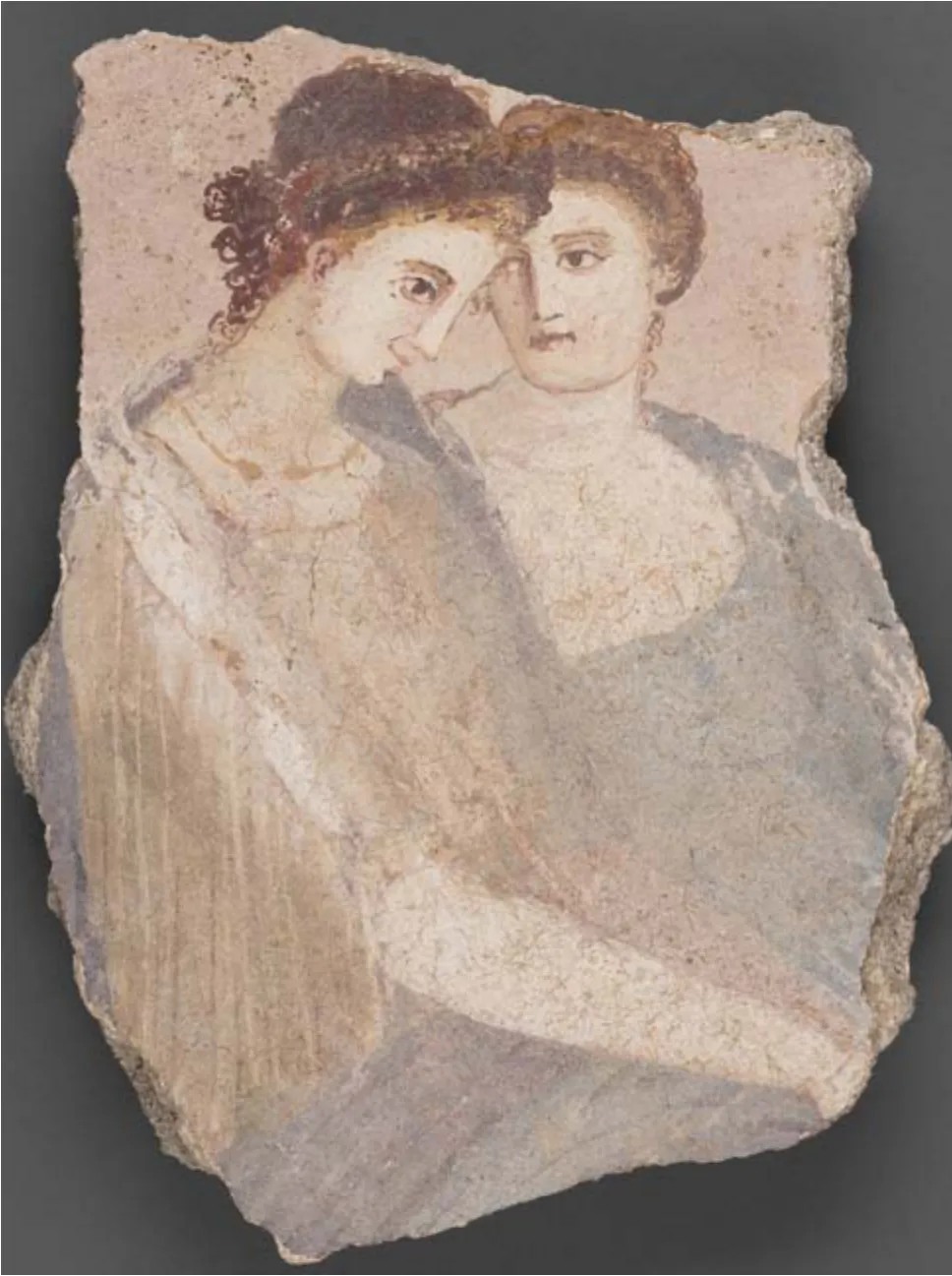
壁畫,繪有兩位年輕羅馬女性身穿衣料透明輕薄的服裝(羅馬,公元1—75年)。現藏于洛杉磯保羅·蓋蒂博物館。(圖片來源:蓋蒂開放內容項目)Frescoes of two young Roman women dressed in light garments (Rome, AD 1-75),collected at the J. Paul Getty Museum in Los Angeles. Photo credit: Open Content Program, J. Paul Getty Museum.
《絲綢之路上的文化互動專題集:紡織與服裝》分為5個部分,分別聚焦紡織品生產中的材料、技術、圖案、社會角色和交流;所收錄的22篇文章則邀請了來自丹麥、俄羅斯、英國、美國、加拿大、意大利、韓國、印度、日本、埃及、加納、中國等15個國家的30位紡織服裝領域作家,從不同角度解讀、闡釋絲綢之路上紡織材料、技術、圖案、藝術、文化、功能性的發展歷程及沿線的交流。
其中有著名的喬吉奧 · 列略,他是英國華威大學世界歷史與文化教授,是《棉的全球史》的原文作者,還有來自加拿大多倫多皇家安大略博物館的策展人莎拉 · 菲、大英博物館的策展人汪海嵐,有意大利比薩大學亞洲史克勞迪奧·扎尼爾教授,有埃及開羅伊斯蘭藝術博物館的副館長穆罕默德 · 阿布都-薩拉姆,有牛津大學古代藝術學教授彼得·斯圖爾特等。
眾多作者專業且配合積極。寫作期間(2020年底—2021年)正值新冠病毒在歐美肆虐之時,在歐洲地區的一些作家受到了很大影響。其中在倫敦的桑樹專家彼得 · 寇斯曾告訴我,他的作者合同要晚些才能交,由于他和他的家人感染新冠,目前只能在家隔離,無法出去打印文章。所幸之后他們都得以痊愈。在意大利的史克勞迪奧·扎尼爾教授和他夫人曾經告訴我,在一段時間內無法通過郵件聯系上他們,因為他們年紀比較大,在城市里居住感染病毒的風險比較大,因此他們搬去了沒有網絡的鄉下。我說沒關系,我有事情會發郵件,你們有網絡了回復我就可以。最后,他們都盡力排除萬難,為這本書的完成作出了不可替代的貢獻。
2.明確區縣民宗僑臺等部門合署辦公的具體規定。厘清區縣黨委統戰部與民族宗教部門、臺辦、僑辦、外辦、僑聯等合署辦公的職責職能,對機構設置、人員配備包括部門歸屬、科室設置、人員職數等作出具體規定。在區縣民族宗教部門同統戰部合署辦公后,應明確將民族宗教部門保留在政府序列,并配足執法人員,確保其執法資格不受影響。
讀者們還可以注意到本書的另外一個特點,就是插圖精美豐富。這也是主編們和聯合國主管對于這一項目的要求,涉及到紡織品和服裝,只有豐富清晰的圖片才令人信服,因此要求每位作者必須配5至10張圖,并且盡量自己解決版權問題。雖然圖片版權的申請極其繁瑣,但所有的作者和主編都在共同努力,幫助解決。其中曾經遇到過一些圖片無法獲取授權的情況,作者們也都非常積極地想辦法去更換圖片。
參考文獻編寫中的一個“小插曲”也令我印象深刻。按照聯合國教科文組織出版物的規定,參考文獻中只出現作者的姓,省略名字。因此,聯合國教科文組織的審校團隊在審校過程中把原來作者的名字都刪除了,只保留了姓。但作為總主編之一的瑪麗-路易斯 · 諾施很快發現了問題,并提出,女性作者在紡織品研究領域的學術地位是非常重要的,如若省略名字只保留姓,那就無法直觀地體現這一點。后來針對這個問題,我們專門跟聯合國教科文組織的出版部進行商討,最終決定在這本書里做一個特例—保留作者的名字。雖然這只是一個細節,但卻能夠體現出來一位女性學者對于學術的嚴謹、對于爭取女性研究人員地位的態度。
彼得 · 弗蘭科潘說:“總體而言,本卷是絲綢之路上一切事物的見證,更凝練了世界各地博物館、機構及研究中心的一流學術成果。”正如聯合國教科文組織社會和人文科學部助理總干事加布里埃拉·拉莫斯(Gabriela Ramos)在前言中提到的:“希望這本引人入勝的書能夠成為專家和普通讀者的寶貴資源。本書將進一步加深我們對紡織與服裝這一重要主題的理解,并有助于實現專題集更遠大的目標,即加強我們對這些文化交流及其當代遺產的共識。”
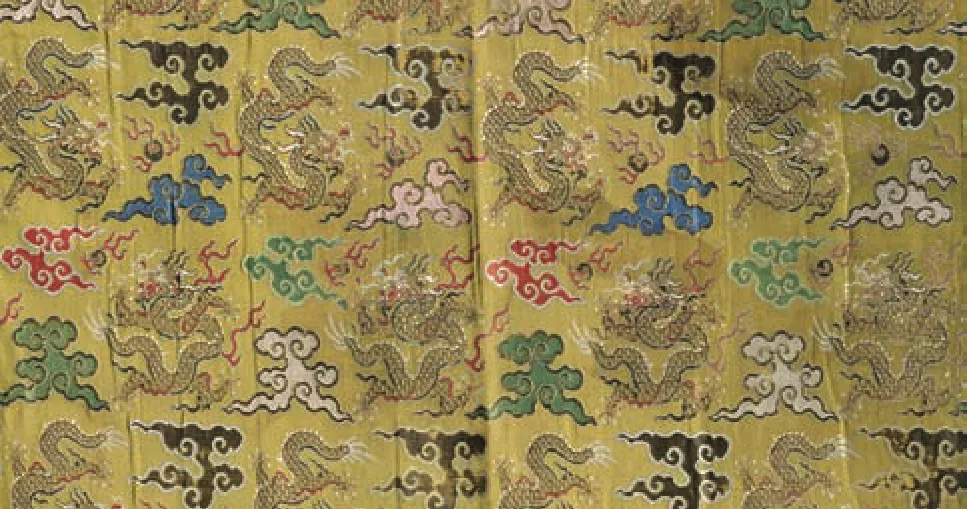
明黃地五彩云龍妝花緞(17—19 世紀)。現藏于中國絲綢博物館。Bright yellow multi-colored cloud dragon pattern satin (17-19 centuries),collected at the China National Silk Museum.
Born in China, Belongs to the World
By Li Jinfang
The Silk Roads have been woven with silks. Thousands of rolls of silk cloth like cicada wings form a magnificent picture scroll, showing the evolution and spread of textiles, but also the romantic encounters between Chinese and foreign cultures. The Silk Roads contain too many memories in the long history about textiles. Now, a book reproduces the stories of human civilization along the Silk Roads, and readers can now read the anecdotes of cultural exchanges and mutual learning along the Silk Roads.
On July 8, 2022, with the opening of the third Silk Road Week, it was officially announced that Thematic Collection of the Cultural Exchanges along the Silk Roads: Textiles and Clothing(English edition), a volume co-produced by the UNESCO and the China National Silk Museum would soon be published.
Many renowned scholars have joined in the endeavor. Zhao Feng, honorary director of the China National Silk Museum,and Marie-Louise Nosch, president of Royal Danish Academy of Science and Letters, served as the book’s chief editors. Peter Frankopan, celebrated British historian and author of The Silk Roads: A New History of the World penned the preface for the book. As Frankopan said, “They [the contributors] will take us to different corners of the globe: from Java to West Africa, from Scandinavia to the Philippines” and the volume will lead readers to experience the unique charm of the Silk Roads, which started out in China and fanned out across the world.
The Thematic Collection of the Cultural Exchanges along the Silk Roads book series is a project that the UNESCO has long been preparing and planning. On May 31, 2017, UNESCO held an international expert conference on the “Interactive Atlas of Cultural Interactions along the Silk Roads” in Beijing. A total of 18 themes, including philosophy, architecture, agriculture,language and literature, as well as medicine, were selected, with the hope of publishing a book on each topic to fully explain the context of these elements along the Silk Roads. Zhao Feng, then director of the China National Silk Museum, was invited to the meeting, where it was agreed that “silk” should be selected as a pilot project.
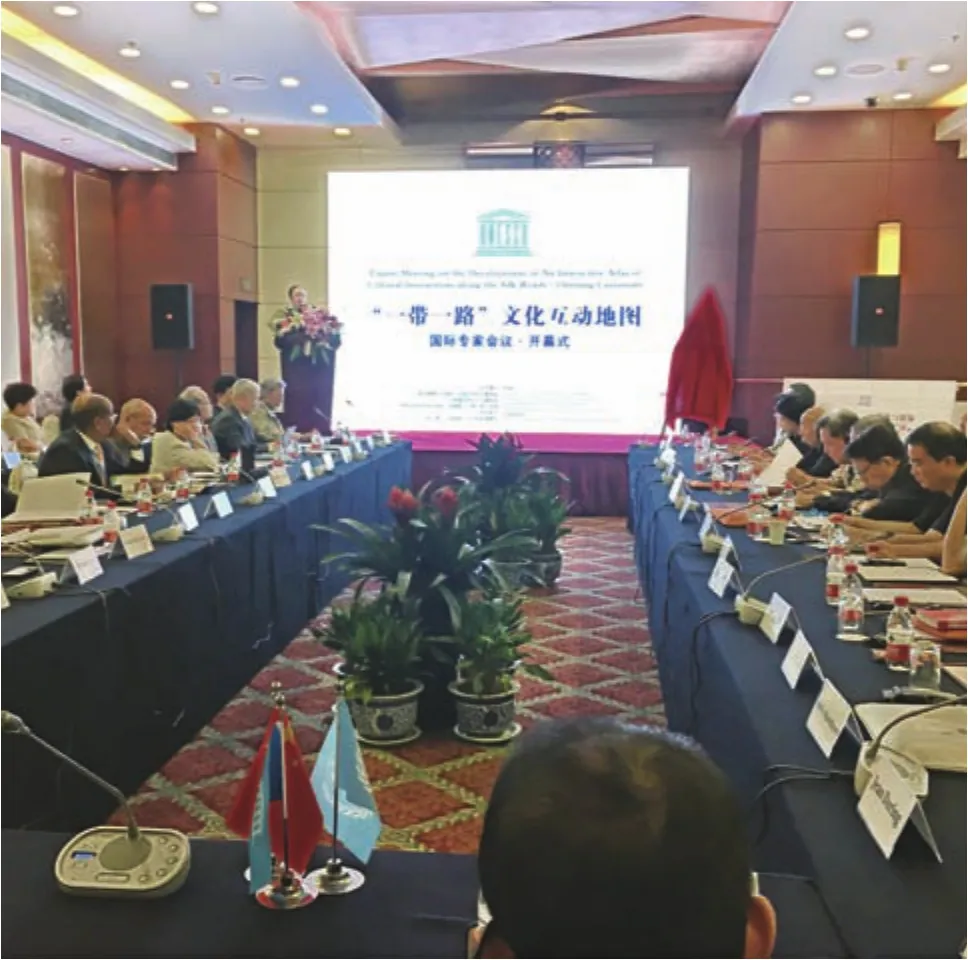
2017年5月,聯合國教科文組織在北京召開“一帶一路文化互動地圖”國際專家會議。UNESCO experts gather for the “Interactive Atlas of Cultural Interactions along the Silk Roads” conference in Beijing in May 2017.
After the project was kickstarted, the UNESCO chose the China National Silk Museum as its publishing partner. On the one hand, the UNESCO Silk Roads Program, the main department responsible for the series, has maintained close cooperation with the China National Silk Museum for many years. More importantly, as the largest silk museum in the world, the China National Silk Museum has carried out many cooperations with other textile museums, the textile departments of comprehensive museums and scientific research institutions around the world. In April 2020, the UNESCO and the China National Silk Museum officially signed a co-publishing agreement.
From the very beginning, the two sides made it very clear what the book should be like: “authoritative, broad, general”.“Authoritative” means that the book should be at the very top and bring together the research results of leading textile experts from all areas of the world, focusing on the Silk Roads. “Broad” refers to the broad and vast fields involved, tracing textile categories along the Silk Roads, exploring ancient and modern, China and overseas.As Frankopan noted in the preface, “We will learn about silk,of course, but we will also discover a seemingly endless number of other textiles and fabrics, including cotton, wool and plantbased materials, such as flax, hemp, ramie and other bast fibers.”“We will learn how patterns, dyes and fashions were important elements of imitation, influence and exchange, as well as why,when and where particular designs and motifs were adopted and how they evolved in their new settings.” “General” refers to the book being accessible to the general public, scholarly enough yet not too academic as to be obscure.
When publishing a book, the first thing to consider is its editors (authors, contributors) and content. When choosing the former, taking into account factors such as regional variation, the UNESCO and the China National Silk Museum invited Marie-Louise Nosch, president of Royal Danish Academy of Science and Letters and professor in ancient history at the University of Copenhagen, as one of the chief editors. She is the author and editor of numerous books on ancient textiles, and has been friends with her co-chief editor Zhao Feng, for many years.
It was from the end of 2020 and 2021, when COVID-19 was sweeping across Europe, when the writing took place. Some European authors were greatly affected. Peter Coles, a mulberry expert, had to hand in the agreement later than the agreed date because he and his family had caught the virus and during isolation, he couldn’t print out the copy at home. Fortunately,they all recovered.
According to the UNESCO publications guidelines, only an author’s last name should appear in a reference entry, while the first name is omitted. As a result, the editorial team removed the given names of all authors in the references in the “Further Reading” section during the review process. But Marie-Louise Nosch, the co-chief editor, quickly noted a problem: some female authors would not have their original family names shown.With the important contributions that women scholars in textile research have made, it would be counterintuitive to do so. Later,an exception was made for this book: all the authors’ full names have been kept.
As Frankopan commented, “Taken as a whole, this volume is not just a testament to the Silk Roads, it is also a look at the world class scholarly work taking place in museums, institutions and study centers around the world.” In the foreword, Gabriela Ramos, assistant director-general for social and human sciences of UNESCO, wrote, “I hope this fascinating volume will act as a valuable resource for the expert and general reader alike. It will further knowledge on this important topic and contribute to the wider goals of the Thematic Collection to deepen our collective understanding of these cultural exchanges and their contemporary legacy.”
猜你喜歡
小獼猴智力畫刊(2022年3期)2022-03-29 01:09:44
金橋(2022年2期)2022-03-02 05:42:52
化工管理(2021年7期)2021-05-13 00:45:12
小太陽畫報(2020年4期)2020-04-24 09:28:22
知識經濟·中國直銷(2018年4期)2018-04-18 12:04:49
童話王國·原創版(2016年4期)2016-11-23 16:06:06
兒童故事畫報·智力大王(2015年11期)2016-01-27 00:55:01
中國洗滌用品工業(2015年9期)2015-02-28 19:03:06
幼兒智力世界(2009年5期)2009-07-22 10:12:30
流行色(2005年4期)2005-04-29 00:44:03