宋人愛體育
2022-06-30 14:17:13蔣庭依
文化交流 2022年6期
蔣庭依


最近,劉畊宏的《本草綱目》毽子舞突然成為微博熱搜,許多人都加入到跳操的行列里來,為生活增添不少樂趣。其實,人們對體育運動的熱愛是亙古不變的,時光若退回到千年以前,在富庶繁華、文明得到高度發展的南北宋時期,也可以體驗各種有趣而精彩的體育項目和體育活動,那時候人們對于體育運動的熱衷與創造,一點都不遜色于現代人。
蹴鞠:古代足球比賽
“蹴鞠場邊萬人看,秋千旗下一春忙。”陸游的這首詩道出了宋代最重要的體育運動之一“蹴鞠”,它又名“蹋鞠”“蹴球”“蹴圓”“筑球”“踢圓”等。《史記》中有道:“臨淄甚富而實,其民無不吹竽鼓瑟、彈琴擊筑、斗雞走狗、六博蹋鞠者。”這是中國古籍中最早的關于古代蹴鞠運動較為具體可信的記載。可見,在戰國時期,蹴鞠就受到了人們的歡迎。
蹴鞠有“設球門”和“不設球門”之分。據《東京夢華錄》記載,宋代進行單球門蹴鞠比賽時,場地上設一高三丈許的“球門”(又稱風流眼),參賽者分為兩隊人馬,分別著“紅錦襖”和“青錦衣”這兩種不同顏色的隊服,使用“擊”“踢”等方式使球進入風流眼。獲勝方,“拜舞謝恩,以賜錦共披而拜也”;而輸掉的一方,則只能“球頭吃鞭,仍加抹搶”。
不設球門的蹴鞠形式,從原有的競技性蹴鞠的基礎上發展而來。它通常由一人獨踢或兩人、多人對踢,激烈程度減輕,技巧性增強,女性也特別適合參與。百姓們只需要尋找到都城中的一塊林蔭地,便能開展比賽。于是,男子們盡情地在賽場揮灑汗水,以博得傾心女子一笑,女子們也不甘示弱,組成“宋代娘子足球隊”。
宋代蹴鞠不僅形成了較為完善的規則技術,與其有關的產業發展也日臻成熟。各種專門制作鞠的手工業作坊誕生,鞠的工藝水平從原來8片皮縫制升級為由10片或12片牛皮縫制的充氣鞠。此外,宋代還形成了專門的蹴鞠組織——齊云社,又稱“圓社”。它是由民間蹴鞠愛好者自發組織而成的社團,有詞贊云:“若論風流,無過圓社。”齊云社每年會組織一次全國性的比賽——山岳正賽,以對蹴鞠者進行技術等級的評定。對于蹴鞠比賽的賽制規則、場地大小和設施,齊云社都有嚴格的規定,入會的會員也必須遵守嚴格的社規,如“齊云戒文”“十緊要”“十禁戒”“十不踢”“十不賽”等。
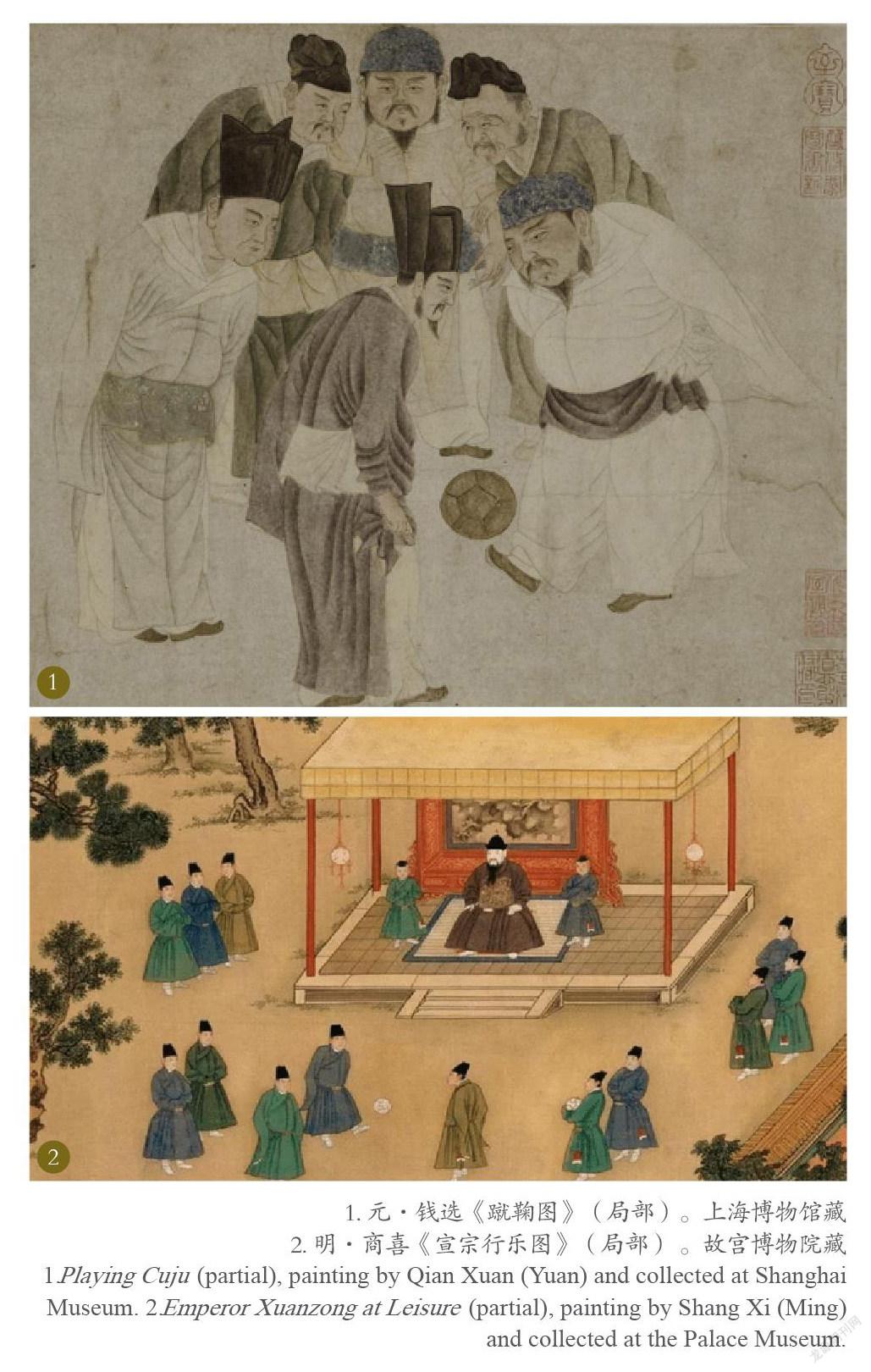
宋代是蹴鞠運動發展的鼎盛時期。宋代皇室甚至還將其作為隆重節日的表演內容。《宋史》記載,宋代皇帝在接見外交使臣時將蹴鞠作為表演項目,成為一種外交禮儀。《宋史 ·? 樂志》中提到的“每春秋圣節三大宴”,其中一項表演就是蹴鞠。宋太祖趙匡胤和宋太宗趙匡義都酷愛蹴鞠,元代畫家錢選臨摹的《宋太祖蹴鞠圖》就形象地描繪了宋太祖、宋太宗和幾位近臣蹴鞠的情景。
在宋代,不論是王侯將相,還是平民百姓,皆“以蹴鞠為樂”。
宋代相撲:女子角抵是特色
中國古代所謂的“相撲”運動起源于春秋時代的“角抵”“爭交”,這是一種帶有武術性質的民間游戲:人們戴著有角的面具互相比武、斗力。到了宋代,相撲融入更多技巧,演變為一種兼具競技性和娛樂性的綜合運動。據《東京夢華錄》記載:“軍頭司每旬休按閱內等子、相撲手、劍捧手格斗。”宮廷每隔一段時間都要在全國范圍內廣搜強勇之人,訓練他們成為專業的相撲手,以用于軍事。除此以外,相撲還是宋代宮廷宴會娛樂的壓軸節目。《夢粱錄》卷三《宰親王南班百官入內上壽賜宴》中也有記載 :“第九盞進御酒。左右軍即內等子相撲。……宴罷,群臣入殿,謝恩退。”“內等子”是宋朝宮廷的職業相撲手,在宴會上,他們通過表演相撲來助興。
除了專業相撲隊外,民間相撲也有極為繁盛的發展,《夢粱錄》又有云:“瓦市相撲者,乃路岐人聚集一等伴侶,以圖摽手之資。”從中可以看出,沒有正規編制的相撲者會在民間活動,他們的主要演出場所就是勾欄瓦肆,并且以此謀生。此外,市井街巷的相撲表演也熱鬧非凡,有“小兒相撲”“喬相撲”“女子廝撲”等各種新奇的形式。這些相撲藝人都有自己的藝名,比如男的叫周黑大、曹鐵拳、鐵板沓,女的叫賽關索、囂三娘、黑四姐……
宋代的女子相撲可以說是一大特色。在古代,女子們被束縛于封建禮教的“三從四德”中,,鮮有機會拋頭露面,更不必說在賽場上像男子那樣搏斗。而宋代相撲場上的這些女子們,輕裝上陣,在賽場上扭胯送腰、摩拳擦掌,為激烈的角逐更添一份獨特風韻。宋代社會開放的風氣可見一斑。
馬球和捶丸:起源于帝王貴族運動
宋代王珪在《宮詞》中描繪宋代女子表演馬球風姿時寫道:“內苑宮人學打球,青絲飛轡紫花騮。朝朝結束防宣喚,一樣真珠絡控頭。”馬球又稱“擊鞠”“打毬”,起源于東漢時期,興盛于唐宋。曹植《名都篇》提到:“連騎擊鞠壤,巧捷惟萬端。”《明皇擊球圖》則展示了大唐盛世中唐玄宗與嬪妃、大臣打馬球的恢宏場景。
一直沿襲到北宋,馬球仍然是一種帝王貴族之間的時髦運動。據《金史 · 禮志》記載,“球狀小如拳,以輕韌木枵其中而朱之”,宋代的馬球大致相當于成年人的拳頭大小,有木制和皮制的兩種。從《宋史 · 禮志》的記載中可了解當時打馬球的規則:打球分兩隊競賽,以“承旨”守門。每隊人數無定額,少則兩人,多則數百人;兩隊所穿服裝不同,便于識別;兩隊待球擲至球場中央開始比賽,單球門賽以球打入球網為勝,雙球門賽,將球打入對方球門為勝。
《宋史 · 禮志》記載了宋太宗與諸王大臣們打馬球的場面:“帝擊球,教坊作樂奏鼓。球既度,嗚鉦、止鼓。帝回馬,從臣奉觴上壽,貢物以賀。賜酒,即列拜,飲畢上馬。帝再擊之,始命諸王大臣馳馬爭擊。旗下擂鼓。將及門,逐廂急鼓。球度,殺鼓三通。球門兩旁置繡旗二十四,而設虛架于殿東西階下。每朋得籌,即插一旗架上以識之。帝得籌,樂少止,從官呼萬歲。群臣得籌則唱好,得籌者下馬稱謝。凡三籌畢,乃御殿召從臣飲。”
北宋時期,女性馬球運動也有了較大發展。宋徽宗時組建了宮廷女子馬球隊,每到節日時會組織表演,讓百姓觀賞。后來也逐漸形成了宮廷女子馬球隊每年春天在金明池匯演的定例。明媚的春日,在位于汴京城新鄭門外的金明池,女子馬球比賽從百戲中脫穎而出。女子們頭扎軟巾,腰束玉帶,足登馬靴,在賽場上“控馬攀鞍事打球,花袍束帶競風流”,她們香汗淋漓的背影成為一道亮麗的風景,男子們看了也只得甘拜下風。D94A8715-4AD3-479C-A711-AC227A050FCC
捶丸最開始也是一種“貴族運動”,它在皇室貴胄中流行,并逐漸在民間發展。宋太宗每年都會舉行捶丸活動,在捶丸活動開始時,無論是大臣還是民間藝人都會上臺表演捶丸技藝。“捶”即擊打,“丸”即小球,到了宋代,捶丸的游戲規則由兩隊競賽變成了依次擊球的非對抗性比賽。
宋代體育專著《丸經》中曾這樣描述這項運動:“天朗氣清,惠風和暢,飯飽之余,心無所礙,取擇良友三三五五,于園林清勝之處,依法捶擊。” 宋人捶丸對場地的選擇十分講究,一般會選擇有山有水有綠植的地方。因此這種運動被一些人戲稱為“宋朝高爾夫”。
此項競賽人數不宜過多,3至10人最佳,球必須用“擊”,“挑”“刮”“推”“撥”等皆視為違規。最重要的是遵守捶丸比賽的宗旨:“捶丸之式,先習家風,后學體面。折旋中矩,周旋中規。失利不嗔,得雋不逞若喜怒見面,利口傷人,君子不與也。”可以簡單概括為“比賽第二,友誼第一”。據傳宋徽宗酷愛捶丸,《丸經集敘》中記載他的球棒“碾玉綴定,飾金緣邊”,令旁人羨煞。
除了這些體育運動之外,宋代許多體育活動也得到高度發展。
踏索與上竿:高難度高風險體育項目
踏索,顧名思義是一種高空走繩運動,又名走索、上索,其最大的特點就是驚險、刺激。表演之人必須掌握平衡之術,將百來斤重的身體穩穩地控制在懸空的繩索上來回移動,偶爾一個小小的搖晃,都能令底下的觀眾倒吸一口涼氣,正所謂“閃然欲落卻收得,萬人肉上寒毛生”。
踏索表演者們技藝高超,由此一種比踏索更高難度的“跳索”應運而生,要求表演者在繩索上旋轉、跳躍,甚至翻個跟頭。他們健步如飛,借助繃緊后的繩子的彈力表演各類花式動作。即使兩個人相對而走至“狹路相逢”處,也能“肩相切而不傾”,從容應對。這樣的場景被記錄在《文獻通考 · 樂二十》之中:“漢世以大絲繩系兩柱頭閑,相去數丈,兩倡對舞,行于繩上,對面道逢,肩相切而不傾。”
挼曲子:媲美現代踢踏舞
早在宋代,其實就有了可與現代踢踏舞相媲美的“挼曲子”。在勾欄瓦肆里,經常可以看到眾多女子正翩翩起舞,她們精神飽滿,步伐整齊,動作不徐不疾,恰到好處。
《東京夢華錄》的《宰執親王宗室百官入內上壽》寫道 :“每遇舞者入場,則排立者叉手,舉左右肩,動足應拍,一齊群舞,謂之‘挼曲子。”簡而言之,挼曲子是一種節奏感極強的伴舞,在正式舞蹈表演開始之前,舞者們穿上亮麗的裙衫華麗登場,并作舞一段,其目的是為了調動現場的氣氛,類似于現代人所說的“暖場”。在一片歡呼雀躍之中,年輕貌美的姑娘們兩手叉腰,聳動著左右肩膀,雙腳跟隨著音樂的節拍,快速而有節奏地在地上畫圈、摩擦、打擊。她們的身體在空中劃出好看的弧度,翩然的衣袖隨之飛舞。觀眾們一會兒被她們曼妙的身姿所吸引,一會兒又驚嘆于復雜而嫻熟的舞步技巧,目不暇接。
龍舟競渡和水秋千:水上運動人氣高
宋代的龍舟競渡,也稱“爭標”,一般在清明節前后舉行。《東京夢華錄》記載,參加競渡的龍船五花八門,有小龍船、虎頭船、飛魚船、鰍魚船。眾小船圍繞著金碧輝煌的大龍船排列陣式,“旋羅”“海眼”“交頭”陣相交替,如眾星拱月,最后各船列成一排,向終點標桿急馳競速,爭奪到錦標者為勝。
在宋代,還有一種特色的水上運動——水秋千,它是中國古代水上體育活動之一,始見于宋代,在百戲之中獨具風姿。朱翌曾寫詩《端午觀競渡曲江》回憶宋代表演水秋千的盛景:“卻憶金明三月天,春風引出大龍船。二十余年成一夢,夢中猶記水秋千。”
水秋千是古代的一種跳水運動形式,因它是以秋千作為跳水板,所以難度比起現代的跳水更高。在表演之前,需在水面置兩艘大船,中間搭建秋千架。在喧天的鑼鼓聲中,表演者按次序登上秋千,他們奮力地蕩動秋千,以使秋千蕩至最高處——與秋千架的橫梁齊平,此時猛然脫手,借秋千回蕩之力躍入空中,在空中翻著跟斗,然后如燕子般輕靈地落入水中。
這種高難度的水秋千運動每年只有一次,和龍舟競賽在同一天進行。每逢這天,汴京城內便人聲鼎沸,連皇宮中的宮女都爭相登上樓閣,撩開珠簾,屏息凝聲地等待著水秋千表演者騰空而起,上演驚險又刺激的一幕,以飽眼福。
Sports in the Song Dynasty
By? Jiang Tingyi
The recent smash hits by Chinese singer Liu Genghong — fitness videos posted by him on Douyin, the Chinese version of TikTik — have reignited peoples interest in workout and exercise. In fact, peoples love of sports has never changed throughout history. For example, if we could travel back to a thousand years ago in the Song dynasty (960-1279), we would enjoy all kinds of interesting and exciting sports and physical activities. At that time, peoples enthusiasm for sports was at least equal, if not more so, to ours today.
Cuju: Mother of Modern Football
“Ten thousand spectators gather around the cuju pitch, busy through the spring under swings and flags.” Thus written Lu You (1125-1210), one of the foremost poets in the Song dynasty, on one of the most important sports of the period. Cuju, which literally means “to kick” (cu) and “a type of leather ball” (ju), is also alternatively known as taju, cuqiu, tiyuan, among other names. It is believed to be the earliest known recorded game of football. Shiji, or Records of the Grand Historian, published during the Han dynasty (202 BC-220 AD), describes the game as being quite popular in one of the states during the Warring States (475-221BC) era.D94A8715-4AD3-479C-A711-AC227A050FCC
The game was generally played in two ways, with goalposts and without goalposts. According to Dongjing Menghua Lu, or The Eastern Capital: A Dream of Splendor, a book on the history and customs of the Song capital, the cuju games were generally played between two sides, one dressed in red and one in black, with goalposts as high as 10 meters. The winning side would be awarded prizes such as fine silks while the losing side was faced with punishment.
While the game had been played since the Warring States period, it was during the Song dynasty that cuju became a more formalized sport, with a set of mature rules and even spawning a whole industry around it. For example, the craft of making ju, or the leather ball, was more developed and stringent. Instead of eight pieces, 10 or 12 pieces of cowhide were sewn together to produce a leather ball before being filled with air. Many workshops specialized in the production were born, which sold various brands of the leather balls. In addition, an organization called Qiyun She (or Qiyun Association) similar to todays football associations was also formed, and people who played cuju at the time were enthusiastically joining the association, as a national tournament was organized by it every year. Indeed, members of the association had to strictly follow its rules and regulations, which asked them to show respect and integrity and not to engage in such vices as gambling or fighting.
Cuju was so popular in the Song dynasty that it was usually dubbed its “national game”. According to the History of Song, the royal court even made the game part of the performances for visiting foreign delegations. Emperor Taizu Playing Cuju, a painting by Qian Xuan (1239-1299), shows the scene in which Emperor Taizu of Song (927-976), Emperor Taizong of Song (939-997) enjoying the game with courtiers.
Xiangpu in the Song: A Game for Ladies to Play too
Xiangpu in ancient China was a wrestling sport that was first born in the Spring and Autumn period (770-476 BC), which had been known as juedi or zhengjiao. It is a folk game which had incorporated elements of martial arts in it: people wearing horned masks competed with each other. In the Song dynasty, xiangpu evolved into a comprehensive sport with more emphasis on skills, making it both competitive and entertaining. At regular intervals, the imperial court would scour the country for talents and train them to become professional xiangpu wrestlers in the military. Moreover, xiangpu was also the grand finale for banquet entertainment in the Song court.D94A8715-4AD3-479C-A711-AC227A050FCC
Apart from professional xiangpu teams, folk xiangpu was equally popular. In fact, many xiangpu players performed wrestling as a form of entertainment to earn a living.
A big feature of the sport at the time was the wide participation of women. While women playing in sports, especially those that required bodily contact and light clothes such as xiangpu, had not been unseen before the Song dynasty, it became much more common during the period. In a way, it showed the elevated status of women as well as the enlightened attitude of the Song society towards them.
Maqiu and Chuiwan: Sports for the Royals
Maqiu, or polo, also known as jiju and daqiu, first emerged in the Eastern Han (25-220) period and gained much popularity in the Tang and Song eras. Maqiu remained largely a sport among the royals until the Song dynasty, when cleared rules were devised. Two teams dressed differently would compete in a maqiu match, with an unspecified number of players on each team, ranging from two to a few hundred. They would kickstart a game when the maqiu ball was dropped in the middle of the court. In a match only one goal, the team that first put the ball in the net won while in a double-goal match, the team first putting the ball in the other team's goal won. Like xiangpu, women competed in maqiu games as well in the Song dynasty.
Similar to maqiu, chuiwan was a royal sport in the beginning, too, which gradually spread to the general population over time. The chuiwan games are remarkably similar to modern golf. About three to 10 players used a number of clubs (up to 10 in chuiwan, 14 in golf), with holes dug on different types terrains, marked by colored flags. These players were required to abide by strict etiquette and rules on honesty, with penalties for cheating. Chuiwan balls were of different sizes and made of wood.
In addition to the above games, many sports in the Song Dynasty were highly developed as well.
For example, there was tiaosuo, which was walking on a tightrope at a certain height. Risky to the performers yet exciting to the spectators, tiaosuo performances included such moves as jumping, gyrating and even somersaulting. There was the popular nuo quiz, which was a type of dance quite like todays tap dance. Then there were also the dragon boat racing, which was usually held around the Qingming Festival or the Tomb-Sweeping Day, and the unique Song sport shui qiuqian. The latter was an activity in which two boats would be stationed on a lake or a body of water with a set of qiuqian (swing wood boards) erected in between. Players would then swing on the boards, usually as high as the beam of the qiuqian, and jump into the river, not unlike todays diving.D94A8715-4AD3-479C-A711-AC227A050FCC