50年“撿”出一座漁業博物館
2022-06-30 21:36:33林上軍
文化交流 2022年6期
關鍵詞:博物館
林上軍

倘徉在舟山岱山島東沙古鎮古街上,循著古漁鎮清悠的石板路,兩邊的街鋪小吃,讓人聯想起兒時的記憶。
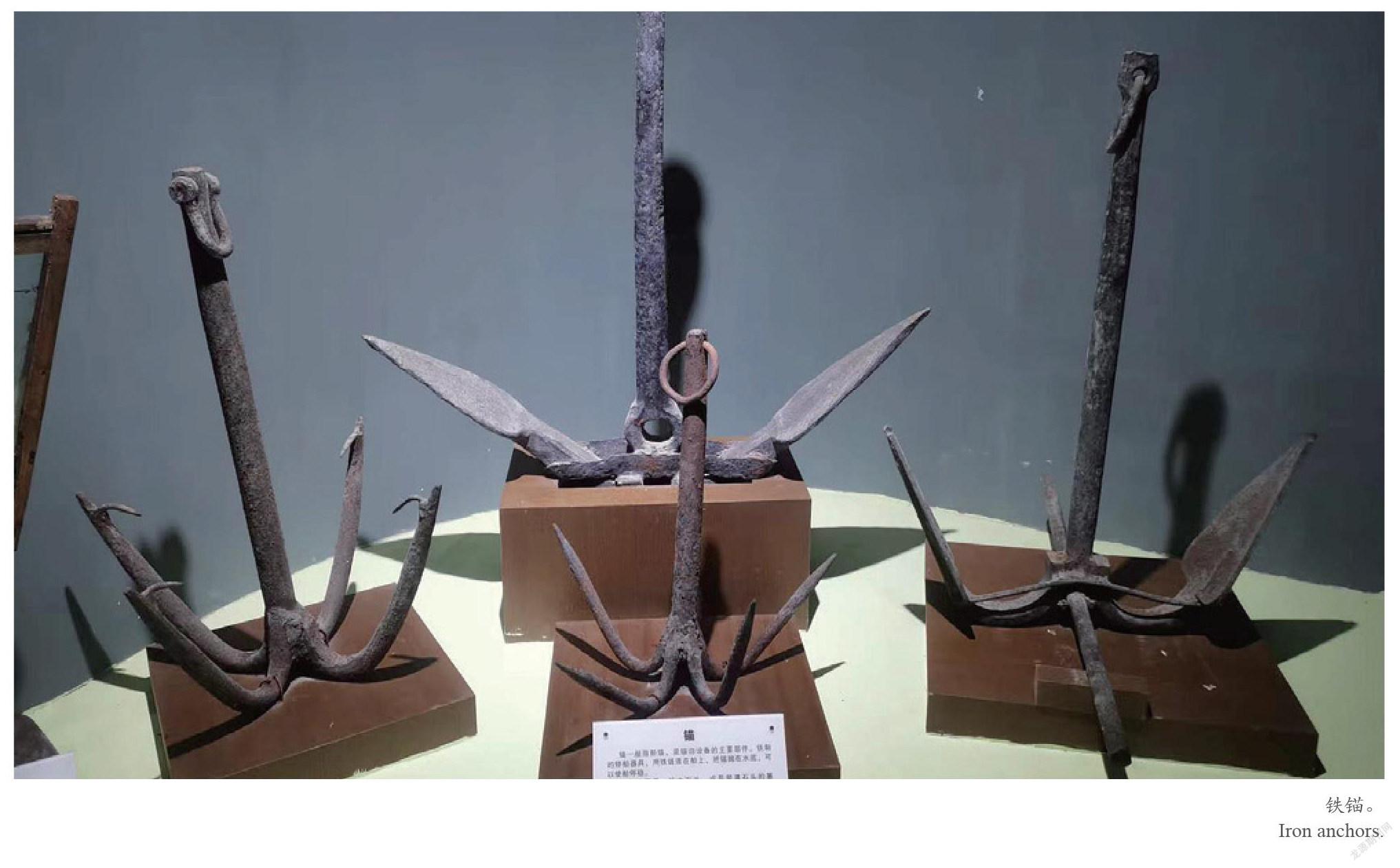
不知不覺,一座掛有“中國海洋漁業博物館”匾額的老式民宅赫然展現于眼前。穿過廳堂,整潔的院落放置著原汁原味的漁業工具:粗大的漁網纜繩、牽拉網具的伏地虎、用于敲打桐油石灰的石錘。
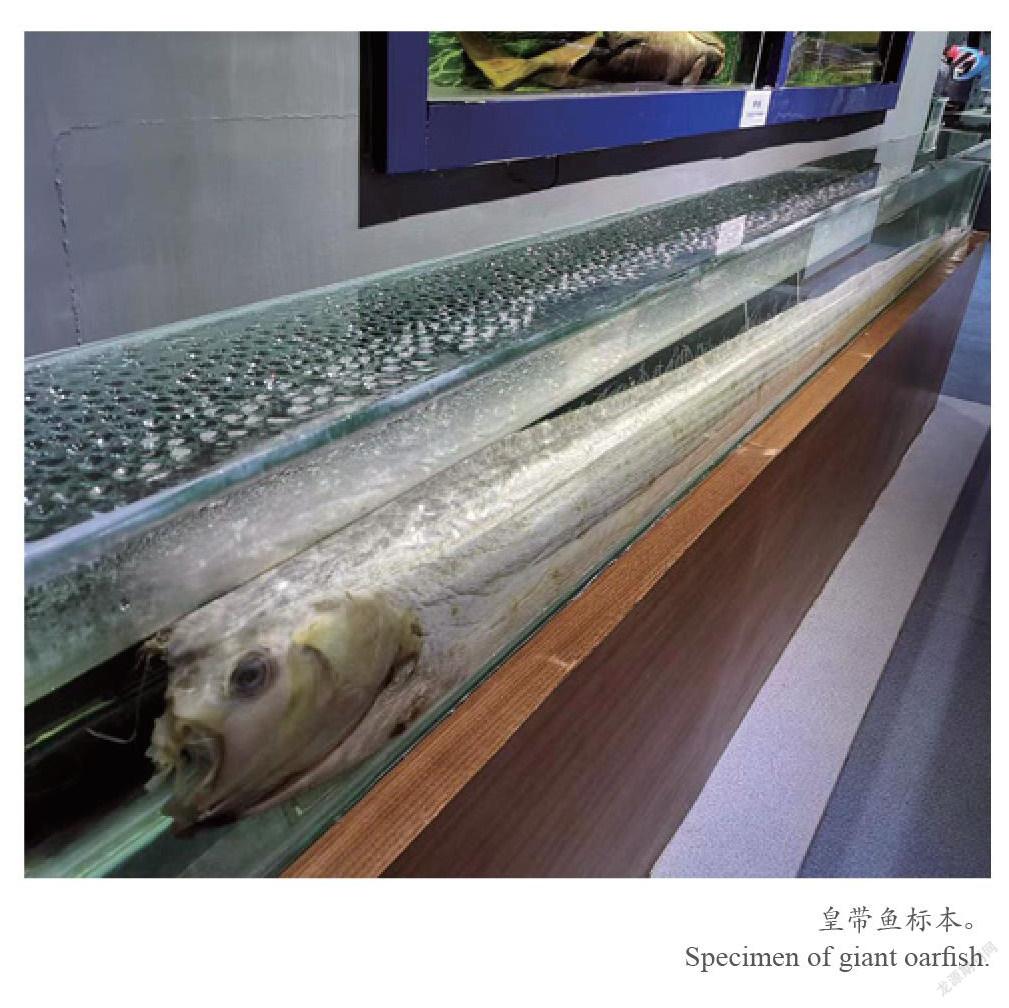
古色古香的展館內,栩栩如生的海洋生物標本琳瑯滿目,難得一見的大馬鮫魚、皇帶魚、海豹、翻車魚、中華鱘、海龜等,還有大型海獸骨骼如須鯨下額骨、鯨魚頭蓋骨、鯊魚脊椎骨,以及貝類、藻類、珊瑚標本等。移步展廳,一艘艘木帆大捕船、機帆船、燈光圍網船的模型撲面而來,漁家生活用品、民俗場景、漁民服飾展示,又令人感覺仿佛步入曾經的海島漁村。
中國海洋漁業博物館,已經成為古鎮一個主要旅游景點。2004年,當地政府利用一座民國時期的四合院民居改建成了這座博物館。館內展品有1600余件,展品類別有魚類貝類標本、漁業生產用工具、漁船儀器、漁民服飾等,物件配以文字、圖片說明,整個陳列既是一部海洋文化演變史,更是一部鮮活的海洋漁業發展史。博物館產品除個別外,絕大多數均由一個地地道道的漁民趙行法個人收藏積累而來,現與岱山縣政府合作運行,供游客免費參觀。
近幾年,漁博館年均接待游客量近10萬人次。作為博物館創辦人,舟山市岱山縣高亭鎮閘口一村老漁民趙行法50年來靠“撿”,硬是“撿”出了一個漁業博物館。
趙行法年逾花甲,出生于一戶貧困的漁民家庭,他12歲那年,作為家里主要勞力的父親在海上作業時落海身亡,家庭經濟狀況雪上加霜,當時窮得連給早年去世的奶奶入葬的錢都沒有。趙行法14歲輟學,與母親拉手拉車搬運水泥、紅磚,從東沙泥峙至高亭,每天2車,有時3車,每天勞動時間達11小時至18小時,其中艱辛難以用文字表述。他17歲時,春節后便下海捕魚,在漁船上做了兩年多“火漿囝”(漁船上炊事員),因表現突出,他被提升為船上大管輪(輪機長助手)。
隨著漁船設備的持續更新,漁業資源的不斷變化,小學畢業的趙行法感覺到,與漁有關的設備投入大、淘汰快,如果不及時收藏保留,下一代人就無法知曉無法了解,漁文化就會斷層,東海漁場、中國漁業、舟山漁村的積淀就無從談起。于是,他在艱辛的勞作之余做起了有心人。
在博物館二樓,他指著一木舵跟筆者說,這種木舵原先只有木帆船才有,后延用到木質機帆船。20多年前,他在岱山縣高亭鎮某漁船老大遺棄的漁業村角落看到一扇完整的木舵,覺得應該收藏,于是拿出300元錢,托木舵主人的哥哥轉買下來收藏。想不到數月后,木舵不見了,估計是被原主人“偷去”了。他設法尋找后發現,果真是被這位小心眼的原主人“偷”了回去,原主人認為,該木舵一旦被作為文物收藏,是要讓趙行法發財的。為了避免不必要的矛盾激化,他沒有與該木舵原主人爭執,但下決心要收藏該物件。于是他在舟山市內漁區四處打聽,哪里還有這類物品。近一年后,有人終于向他提供信息,說嵊泗綠華島有這類物件。他馬上托人用小船裝過來,買價300元,運費600多元。而當時他一年的收入才數千元。
“這條大馬鮫魚是花費3000多元買來的。”他指著長2.50米、重達125公斤的一條栩栩如生的馬鮫魚標本回憶道 :2004年年初,縣政府正在動員趙行法將原先陳列館“海曙樓”展藏的漁業文化系列整體搬遷到東沙古漁鎮,創建“中國海洋漁業博物館”。他從《舟山晚報》看到,普陀沈家門魯美魚粉廠收購了一條75公斤重的馬鮫魚。他迅速通過媒體記者打聽到這家冷庫相關人員的聯系方式。對方見他求魚心切,討價六七千元,他一算,僅防腐等標本制作就要花上萬元,于是討價還價。因為手頭資金緊張,一下子沒有談妥。幾天后,有人告訴他,岱山一冷庫還有比這更大的馬鮫魚,他喜出望外,果然有一條125公斤重的馬鮫魚,他決定不計代價也要買下該條巨型馬鮫魚。好在該老板沒有漫天要價,只收了3000元,但加上標本制作等費用,最后仍耗資上萬元。該事件經岱山電視臺新聞報道后,感動了大家,縣里認為,在“海曙樓”漁文化展藏品已決定搬遷東沙配合政府創建“漁博館”的時候,趙行法還自己耗資上萬元收藏漁標本,確實不容易。為此,安排縣委辦公室管小軍副主任專門看望趙行法,并撥付縣長基金1萬元予以獎勵,使趙行法深受鼓勵。
“這條叉尾帶魚是中國現存三條樣品中的第二條,并且是最完整的。雖然個體小,但很有特色,很珍稀,難得一見。”他指著魚類標本一一介紹說,這條皇帶魚,長3米,重16公斤。“當時我還哭過。”他說,由于在冷庫保存時冰凍很硬,拿出來要制作標本時帶魚頭部兩條長須及部分頭部粉碎、脫落了,無法修復。“心疼啊,否則樣子還要好看。”
1995年,他在自造房屋160多平方米的家里率先建起個人藏品展覽館,名曰“海曙樓”,著名經濟學家、上海文史館官員朱龍湛先生專程從上海來岱時歷時20多天為他設計布置了展館。
1997年,香港回歸祖國之年,岱山縣高亭鎮政府打造了一艘10來米長的木質漁船模型,以示慶賀。一年多后,有漁村干部提議把該船模送到廟宇放置。他聞訊向宋忠道鎮長要求由“海曙樓”收藏并獲得同意,后用專門制作的近2米長的另一艘船模進行置換。現在漁業博物館內有多艘船模,就是他這樣一艘艘積累起來的。
在一個角落里,筆者發現有三只木制大桶。趙行法說,這桶是過去漁民用來放腌制后曬干的魚鲞的,現在民間已經找不到了。為了其中的一只木桶,他曾連續三四年去一戶漁民家中請求賣給他。開始時,這戶人家的媳婦和婆婆,相互推脫,不舍得賣。經過幾年數次上門,婆媳倆終于答應。另外一條漁民出海穿的龍褲,也是他連續三年上一個老漁民家用50元錢加一塊新布置換而來的。
隨著趙行法收藏名氣日響,當地一些漁民也經常會給他捎帶一些物件、寶貝。如漁業博物館鎮館之寶——幾條長5米多的鯨魚顎骨,就是鄰村漁民專門從漁場給他裝運回來的。
進入21世紀初,岱山縣規劃建造十大海洋文化系列博物館。漁業博物館是落戶東沙古鎮的。“漁博館”里的展品基本上就是“海曙樓”原展藏品中的涉漁物件。這意味著,他辛辛苦苦近50年積累的物件,免費供觀眾參觀學習。他認為這實現了他的收藏初心。3EE94A63-B282-4387-979C-06BC6E49070F
1986年至1992年,每年的8月中旬至12月中旬,趙行法在擔任閘口一村駐上海漁場辦事處負責人時,協調漁船的魚貨銷售等服務工作,結識了許多文化名人,這為他收集各類物件開拓了文化視野。這些德高望重的科學家、藝術家等,如浙江大學原副校長王啟東教授,第三軍醫大學原校長,中國工程院院士程天民教授,前中國駐印度大使、中國徐福研究會原會長李連慶教授,全國政協常委、中國科學院資深院士楊槱教授,中國科學院院士馮士筰教授等都曾為博物館創建給予支持,并蒞臨指導。他們對趙行法弘揚中國優秀傳統漁文化之舉給予了高度贊賞。
趙行法還當了近40年村干部,從村主辦會計干起,先后擔任村委會副主任、村委會主任。在村民全力配合下,在各級領導的支持下,閘口村從經濟薄弱村變為當地屈指可數的富裕村。近10年時間,該村老年社員的“退休生活補助費”從10年前的5000元(夫妻倆,下同)提高至目前的15000元。村級集體固定資產從40年前的負債到10年前的近億元,到目前的純資產超兩億元。他本人先后獲評岱山縣勞動模范、全國模范人民調解員、海洋文化名人等。
村里富了,村民口袋鼓起來了,但他自己由于購買各種涉漁老物件、魚類標本等,目前還負債數十萬元。盡管如此,他依然尋找一切機會繼續收集各類漁業物件。2021年,他又花費3萬多元,從一家收購站淘來了制冰企業用的液壓機,從船廠買來正要被拆解的漁船柴油機等漁文化藏品充實漁博館,而這筆費用占了他年工資收入的三分之一多。
一轉眼,中國漁業博物館已經設立18年了,它已經成為岱山乃至舟山最有底蘊、最具特色的地標之一。10多年前,一位領導在參觀漁業博物館后曾這樣評價:“這個博物館物件盡管都是個人收集的,但其味道及文化內涵不遜于那些投資數千萬元的漁業科普館。”這個評價,是對這位老漁民幾十年如一日致力于弘揚中國優秀傳統漁文化工作而不懈努力的高度肯定。
A Fishery Museum? “Picked Up” in 50 Years
By? Lin Shangjun
In the ancient town of Dongsha on the Daishan Island, Zhoushan, the snacks along the clean and leisurely flagstone roads of the ancient fishing town are reminiscent of your childhood. Here, an old-fashioned residential building is impressive with a plaque of “China Marine Fisheries Museum” on the wall. Across the hall, authentic fishing tools are displayed in the neat courtyard: thick fishing nets and cables, and stone hammers for beating tung oil lime … Inside the quaint exhibition hall, there are a wide range of lifelike marine specimens and large marine animal bones. Further into the showroom, youll find models of wooden sail fishing boats, motorsailers and light luring seine boats. In addition, fishermens daily necessities, folk scenes and fishermens garment display remind you of a former fishing village on the sea.
China Marine Fisheries Museum, reconstructed from a Republican-era courtyard dwelling by the local government in 2004, has become a major tourist attraction in the ancient town. The more than 1,600 exhibits, including fish and shellfish specimens, fishery production tools, fishing gear, fishermens clothing, are accompanied by captions and pictures. The whole display is not only a history of marine culture, but also a vivid narration of the development of marine fisheries. Except for a few exhibits, most of them are collected and accumulated by Zhao Xingfa, a genuine fisherman. Operated in cooperation with the county government and provided to the public for free, the museum has received nearly 100,000 tourists annually in recent years. Its founder Zhao Xingfa is an old fisherman from Zhakou village, Gaoting township. Over the past 50 years, he has just “picked up” a fisheries museum.3EE94A63-B282-4387-979C-06BC6E49070F
Born in a poor fishermans family, Zhao is now over 60 years old. When he was 12, his father, the bread earner in the family, died while working at sea, making the familys economic situation even worse. He couldnt afford to bury his grandmother. At the age of 14, he dropped out of school and endured untold hardships in making a living by carrying cement and red bricks on carts along with his mother. They worked 11 to 18 hours a day to finish two or three cart rounds. His fate changed at the age of 16 when he started to work on a fishing boat. Due to his outstanding performance as a cook in the next two years, he was promoted to be the second engineer (assistant to the chief engineer).
With the continuous updating of fishing equipment and the constant change of fishery resources, Zhao, who finished only elementary school, felt that the equipment related to fishing was invested in large sums but would be sifted out quickly. Without being collected and saved in time, it would be impossible for the next generation to know and understand it and the local fishing culture wouldnt be passed down. Therefore, he decided to do something.
On the second floor of the museum, pointing to a wooden rudder, he said that this kind of wooden rudder was originally only available for wooden sailboats, but was later extended to wooden motor sailboats. The purchase price was 300 yuan ($44.85) and the transport expense was more than 600 yuan, while he earned only a few thousand yuan a year. “This big mackerel cost more than 3,000 yuan,” pointing at the 2.50-meter-long, 125 kg specimen, he recalled. In early 2004, he was overjoyed to learn about a 125-kilogram mackerel in a Daishan cold storage. He decided to buy the giant mackerel regardless of its price. Though the seller only charged 3,000 yuan, with the costs of specimen making, the final cost stood at 10,000.
“This frostfish is the second of the three samples preserved in China, and it is a complete fish. Though small, it is very unique and rare,” Zhao pointed to the fish specimens and introduced them one by one. “This oarfish is three meters long and weighs 16 kilos. The two long whiskers and part of the head of the oarfish were crushed and fell off when it was taken out of the cold storage to make a specimen, which could not be repaired. It would look better otherwise.”
In 1995, he took the lead in setting up a personal collection exhibition hall of more than 160 square meters called “Haishu Building” in his home. Mr. Zhu Longzhan, a famous economist and an official with the Shanghai Museum of Culture and History, made a special trip from Shanghai and spent more than 20 days designing and arranging the collection for him.3EE94A63-B282-4387-979C-06BC6E49070F
In 1997, to celebrate Hong Kongs return to China, the local government of Gaoting township created a 10-meter-long wooden model of a fishing boat. Someone proposed to send it to a Buddhist temple. Zhao asked the mayor of the town for permission to collect it in his Haishu Building, and exchanged it with another ship model which was nearly two meters long. Now there are many ship models in the museum.
In a corner lie three wooden barrels, used by fishermen to keep salted and sun dried fish in the past, which can no longer be found in an ordinary household now. For one of the barrels, he asked a fisherman for three to four years in a row to make the purchase. A pair of dragon trousers worn by fishermen was exchanged for 50 yuan plus a piece of new cloth after he “nagged” the owner for three consecutive years.
As Zhao became more and more famous with his collections, local fishermen often brought him something valuable. For example, the jawbones of several whales with a length of more than five meters were captured and shipped back from the fishing ground by fishermen in the neighboring village when they were trawling.
In the 21st century, Daishan county plans to build ten marine culture museums. China Marine Fisheries Museum is the earliest one located in Dongsha, based on the fishing-related exhibits in the original collection of the Haishu Building. From mid-August to mid-December in 1986 to 1992, Zhao, in charge of Shanghai Fisheries Office of Zhakou No. 1 Village, met many cultural celebrities when he coordinated fish sales, who all highly appreciated his efforts to carry forward Chinas traditional culture of fisheries. This has broadened his vision for collection.
Zhao has also been a village cadre for nearly 40 years. With the joint efforts of cadres and villagers, both the village and the villagers have become rich. However, he still owes hundreds of thousands of yuan for purchasing old fishing objects and fish specimens. Nevertheless, he continues his collection by all means. In 2021, to enrich his collections, he invested over 30,000 yuan — which is more than a third of his annual salary — on a hydraulic machine and a diesel engine taken from a fishing boat. The only thing he regretted was that some young cadres failed to pay enough attention to historical and cultural value of these relics. Zhao believes that the vitality of the museum comes from the accumulation of collections with rich historical heritage value. Some collections cannot be purchased with money.
It has been 18 years since the establishment of the China Marine Fisheries Museum and the museum has become the most profound and unique landmark in Daishan and even Zhoushan. It marks a milestone of the old fishermans dedication to the promotion of Chinas fine traditional fisheries culture in these decades.3EE94A63-B282-4387-979C-06BC6E49070F
猜你喜歡
金橋(2022年6期)2022-06-20 01:35:58
好日子(2022年3期)2022-06-01 06:22:06
今日農業(2022年4期)2022-06-01 06:12:38
小獼猴智力畫刊(2022年3期)2022-03-29 01:09:44
金橋(2022年2期)2022-03-02 05:43:00
金橋(2022年2期)2022-03-02 05:42:52
小太陽畫報(2020年4期)2020-04-24 09:28:22
走向世界(2018年11期)2018-12-26 01:12:44
中外文摘(2017年20期)2017-09-30 06:40:48
童話王國·原創版(2016年4期)2016-11-23 16:06:06