抹不去的藏北那曲記憶
2022-06-08 14:30:17季葉海
文化交流 2022年5期
季葉海
藏北那曲獨特的自然、人文景觀,為人熟知的仍然屈指可數(shù)。格拉丹東、當惹雍錯、野牦牛、象雄文明……很多旅人和攝影者聞所未聞。只要你踏進那曲這塊神秘的土地,看見最原始的風貌,你就會終生難忘。
長江問源
“我住長江頭,君住長江尾。日日思君不見君,共飲長江水。”這首抒寫“長江頭”的詞,總會讓人對長江源頭充滿無限遐想。隨著人們生活條件的提高,如今去那曲自駕游的人越來越多,許多人乘著夏季來臨實現(xiàn)了探訪長江源的夙愿。
我們的越野車從那曲出發(fā),沿青藏線北上至100道班300多公里的路程,都是水泥柏油馬路,比較輕松。轉折點就在這兒,從100道班附近一條不太顯眼的土路向西,就是通往格拉丹冬的唯一道路。這段路有90多公里,主要是草甸、沙地。放眼望去,光禿禿的山丘,千瘡百孔的草甸,顯得十分的荒涼。據(jù)當?shù)叵驅Ы榻B,這一帶過去是一片綠油油的草場,常常可以看見各種野生動物在慢悠悠地吃草漫步,現(xiàn)在草場減少了,沙地多了,野生動物也離得越來越遠了。
沿途有一條河叫尕爾曲,彎彎曲曲,不知從何而來,河床一段寬一段窄的,一路上要多次從河床上跨過來跨過去。如果沒有向導,面對這樣的曲折之路一定會迷路。這個時節(jié),河面的冰層已經開始融化,流水夾雜著冰塊和泥沙。面對尕爾曲,真叫人不敢相信,這就是長江上源之水?如此渾濁?河床沖刷得像被挖掘機肆虐過一樣。
經過90公里的土路,顛簸了4個多小時,終于來到了長江源頭格拉丹冬。傍晚的天空突然刮起了大風,下起了小雪,格拉丹冬主峰隱藏在云霧之中,面目難辨,讓大家感到非常的失望。
我們把車子開到再也不能前行的地方停下,并就地扎營。
夜幕降臨,風停了,雪止了。舉頭遙望夜空,夜空是多么的爽朗,星星特別大、特別多,好像伸手可及。環(huán)顧四周,是高聳的雪山和寒光四射的冰川,我不禁哆嗦了一下。站在這樣的荒原上,我的腦子突然空白一片,飄飄然的感覺仿佛不是在人間。這里根本沒有人間燈火,只有那冰川的點點融水,在萬籟俱靜的天地里,流水聲顯得格外清晰,這便是母親河長江的最初乳汁啊,它從我的耳孔穿過,流進我的心田,一種自豪感頓時油然而生。
我們都躺在一頂大帳篷里。但是,我翻來覆去就是睡不著覺。漸漸地,我的頭開始疼了起來,翻一個身,呼吸都感到吃力,這是我在西藏近3年來從沒有過的難受感覺。我知道,這里海拔5300多米,氣溫在零下10度左右,薄薄的一頂帳篷怎能御寒,高寒缺氧是誰也改變不了的。心想,這個晚上我一定要熬過去,明天是再也不住帳篷了。天還沒亮我們都起床了,一看,帳篷上滿是霜花,被頭已經發(fā)硬,杯子里的水全結成了冰。互相一問,原來誰都沒有睡著。
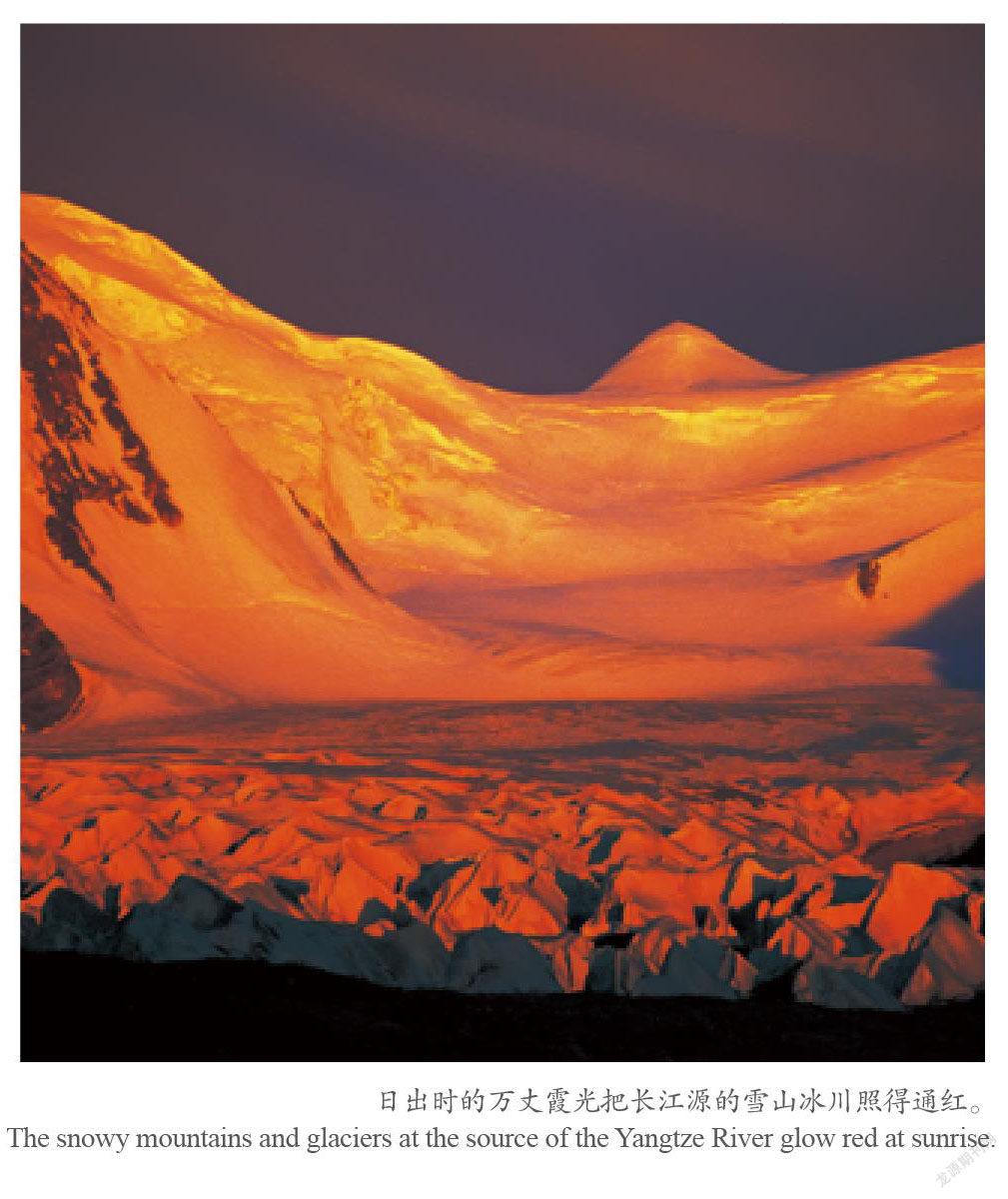
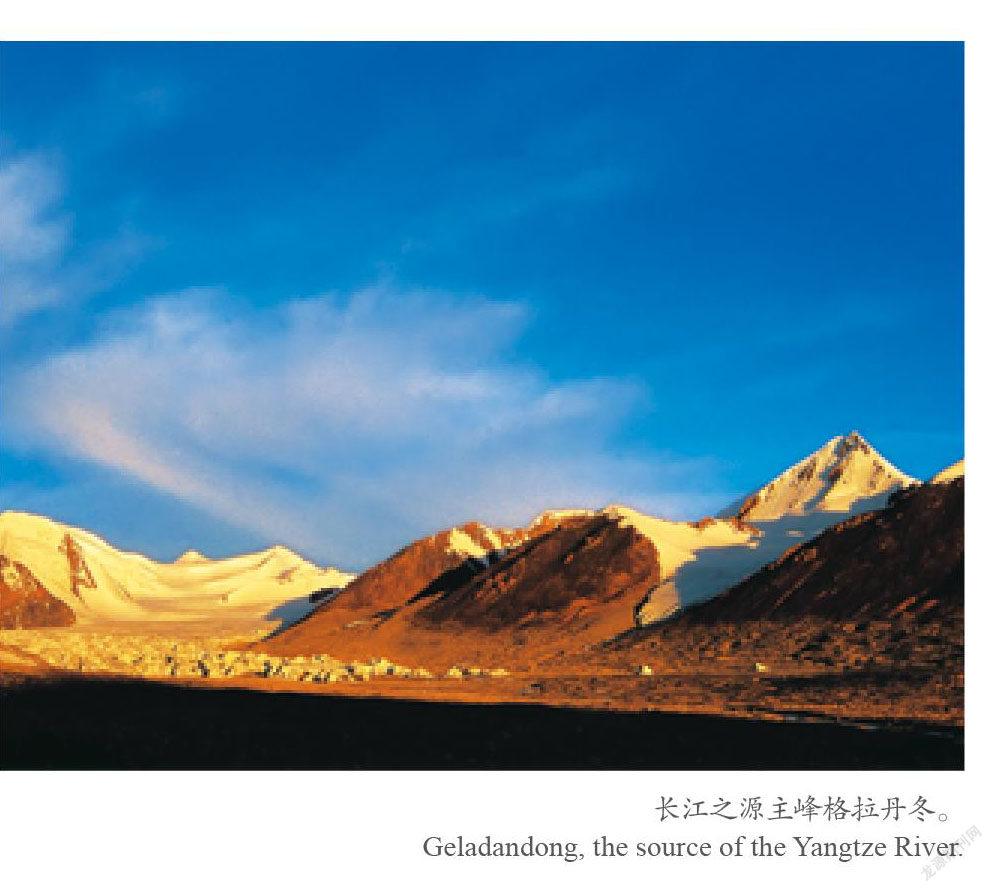
帳篷邊是我選定的最佳拍攝位。日出時的萬丈霞光把格拉丹冬雪山冰川照得通紅,我拍到了理想的照片。
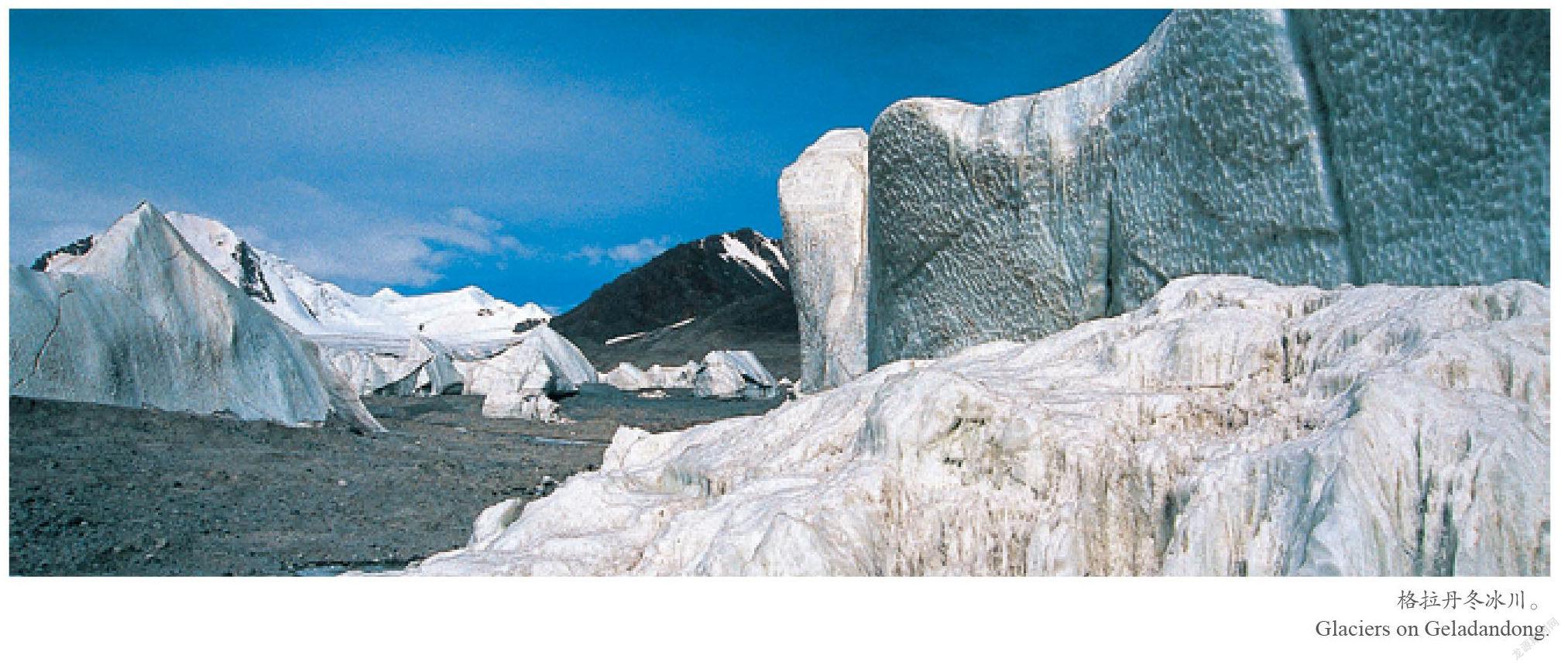
吃過早飯,我們走近冰塔林,與長江源來了一次親密接觸。路上,向導指著巖石裸露的地表對我說:“這附近我小時候看到的都是冰川,現(xiàn)在融化光了。”研究表明,由于全球氣候變暖,長江源有的冰川最多每年退縮50余米,速度驚人。我把鏡頭對準了正在消融的冰川,心中不免產生一絲絲的悲涼……
雪山把我召喚,雪水滌蕩心靈。去格拉丹冬攝影,實際上是完成了一次心靈對自然的朝圣。
遭遇野牦牛
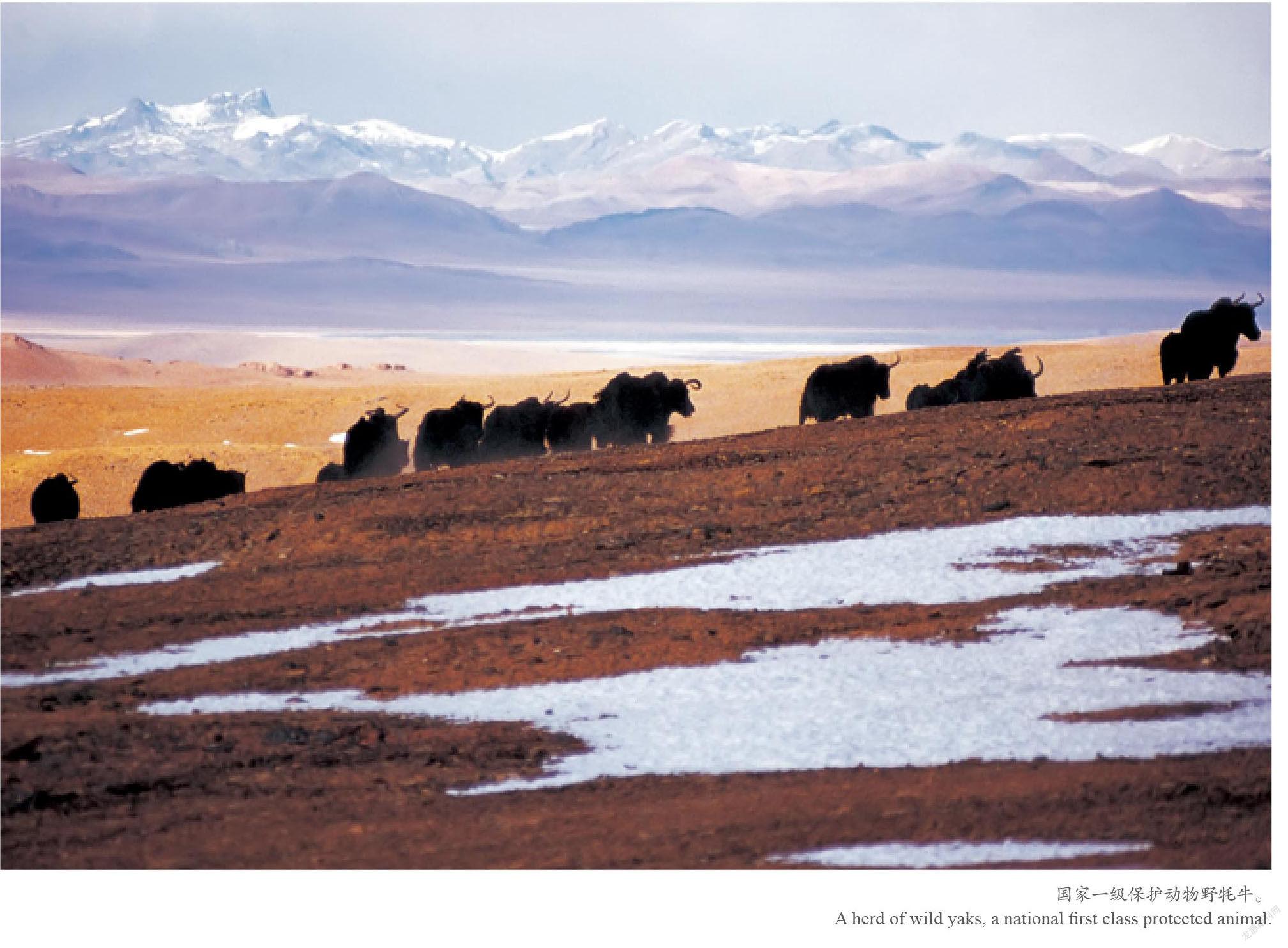
第一次遭遇野牦牛是在雙湖西北部。那天,我們從雙湖出發(fā),經過嘎措鄉(xiāng),在一望無際的荒原里向北行駛了5個小時。司機說,我們已經到了可可西里無人區(qū)邊緣了。“可可西里,野生動物的樂園!”但為什么就是一直沒有遇見野牦牛呢?我心里猶豫不決,回去還是繼續(xù)尋找?正當我焦慮之時,突然發(fā)現(xiàn)對面山腳有兩個移動的黑點。向導用望遠鏡看了看,興奮地對我說,是野牦牛!頓時,我有一種發(fā)現(xiàn)新大陸的激動,他們也露出了笑容,因為每一個藏族群眾都喜歡看野牦牛,野牦牛代表著一種雄性的力量之美。
越野車沿著山脊毫不猶豫地開了過去,兩個黑點似乎感覺到我們的聲息,跑得越來越快了。油門踩到了60碼的速度還是追趕不上,只能拍到它的背影,我仍不甘心。忽然,眼前出現(xiàn)一個小山丘,我腦子一激靈,對駕駛員說:“別死追了,我們從左邊走,繞過去或許能正面撞見。”果然,轉了半個小山包,我們和野牦牛形成了迎面相向的格局,野牦牛突然看到迎面而來的汽車,一時愣在了那兒,我們也不敢貿然靠近。就這樣,雙方對峙了兩三分鐘,我抓住時機連忙按下快門。才拍上兩張,野牦牛似乎回過神來了,豎起尾巴,一臉惱怒,徑直朝我們奔來,我說:“不要慌,再讓我拍一張。”司機哪里聽我的,話音未落已調轉車頭逃命。司機說,野牦牛力大無比,可以掀翻卡車,我們的越野車自然不在話下了。這下,我們和野牦牛發(fā)生了角色互換,野牦牛怒氣沖沖地在后面緊追不舍,我們膽戰(zhàn)心驚地在前面逃。大概經過三四分鐘的生死時速,野牦牛或許已不再感到我們是危險了,或許對我們沒有興趣了,于是放棄了追趕。
拍完這些照片,我不得不停下來思考一個問題:羌塘草原的野生動物之所以能夠存活下來,是因為它們選擇了有利的地形保護著自己的繁衍生息,但在現(xiàn)代人類文明面前,它們又是那樣的無奈。如果沒有全人類的共同呵護,野生動物的天堂很快就會變成它們的刑場。
尋找香巴拉
香巴拉,藏族人心目中理想的居住王國,那里風景優(yōu)美,那里沒有痛苦,猶如陶淵明筆下的世外桃源。香巴拉,你在哪里?
尼瑪縣有人說要帶我去一個地方,那就是香巴拉,它的名字叫文部。
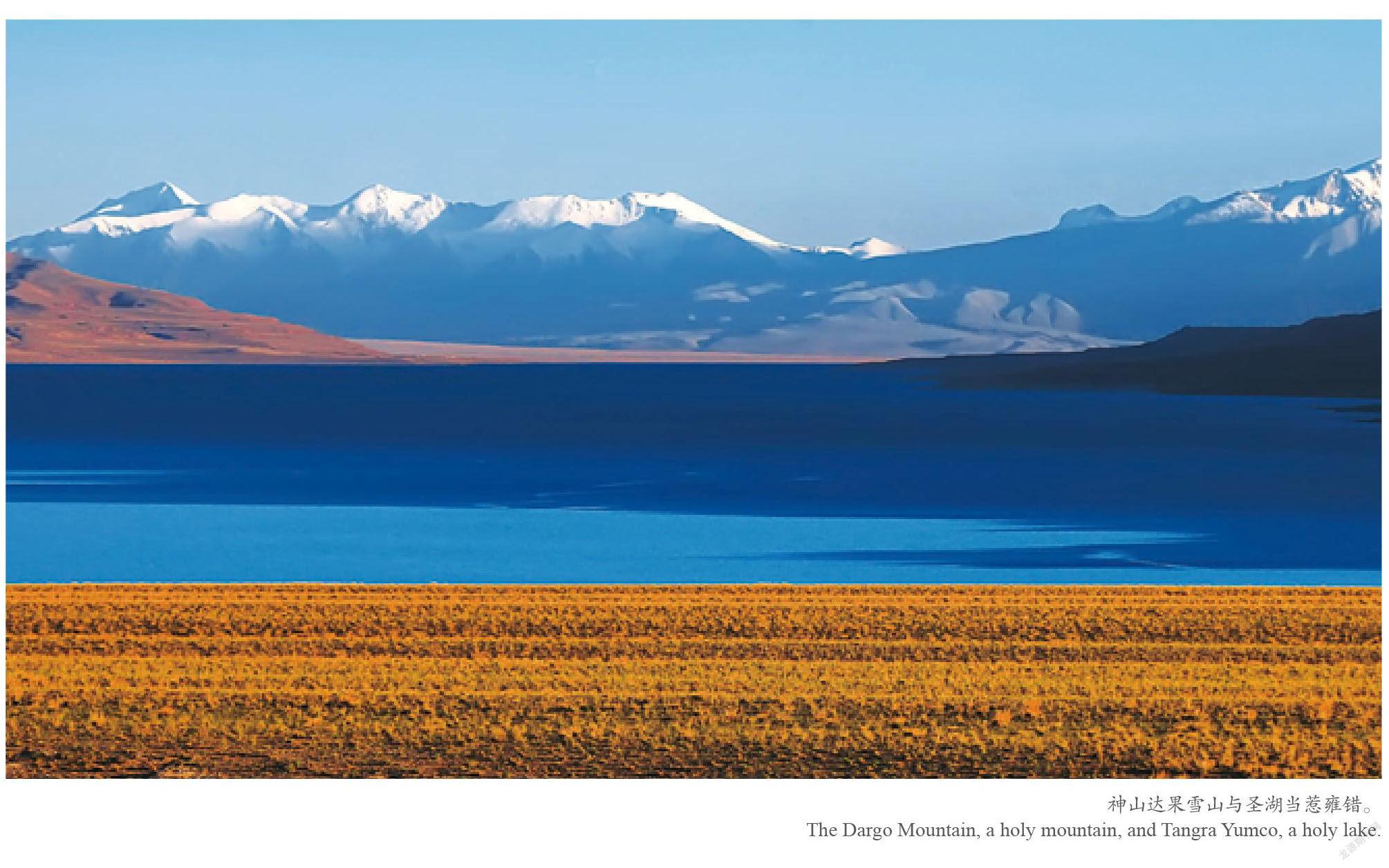
文部鄉(xiāng)有兩個村莊,村莊都依神湖當惹雍錯而建,遠方是白雪皚皚的達果神山。這山這湖都是苯教信徒心目中的神山神湖。我到達文部的那天,恰恰看見一位頭裹紅紗巾的少女,趕著一群綿羊,站在當惹雍錯旁的草地上,正抬頭仰望著遠方,遠方的達果神山。我無法猜測她的思想,但我看見的是一幅多么美妙的天然畫卷!多么意味深長的人生風景!
晚上,這里既沒有自然界的蟲鳴聲,也沒有人世間的喧嘩聲。我靜靜地聽著,74歲老村民丹巴珠扎給我講述神湖的傳說:當惹雍錯湖底中央有一座宮殿,宮殿四周都響著悅耳的鈴聲,有很多動物嬉戲其間。宮殿里有一座用叫作“阿瑪勒格”的寶石制作的寶座,寶座上刻有大象、龍、鳳等圖案,寶座上面還有一座用水晶雕琢的十三層寶塔……正因為湖底有這么一座宮殿,所以為人們所朝拜,成為神湖。
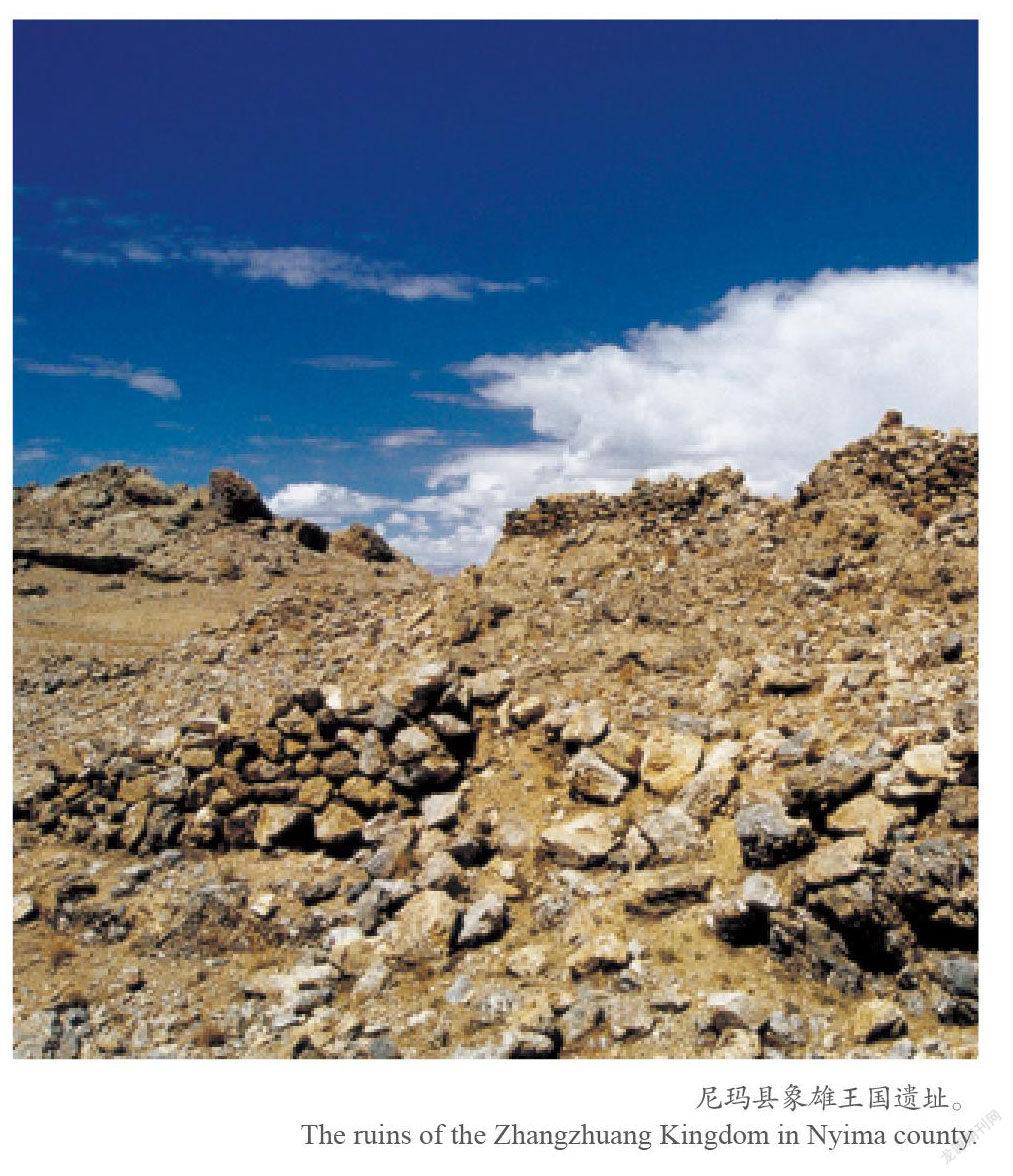
文部附近的瓊仲,傳說是象雄王國的遺址。丹巴珠扎聽說我要去探訪象雄遺址,興致勃勃地為我講起象雄的傳說 :象雄王國的第一個國王叫勒威國王,那時有12萬戶,現(xiàn)在的阿里也屬其管轄,稱作西邊。皇宮就建在瓊仲山上,就在離我們村不遠的當惹雍錯畔。皇城附近住著1萬戶居民,他們以從事農業(yè)勞動為主……這是一個頗有誘惑力的傳說,老人的敘述,使我一睹為快的愿望更加急切了。
瓊仲山離村莊約15公里,汽車不能通行,只有步行,或者騎馬。第二天,我們早早就準備好了馬匹和食物,決定去探個究竟。我們一直沿著湖岸穿行,湖面寬闊,湖水湛藍,晴朗的天氣給人以很通透的感覺,大家興致高昂。經過3個小時,終于到達了瓊仲山。
瓊仲山朝向當惹雍錯的一邊是懸崖,落差有200多米。山上怪石嶙峋,巖壁上一毛不長。山腳有一些并不茂盛的小草,在草叢和碎石間,成群的藏雪雞、奔跳的野兔自由自在地嬉戲著、歡唱著。在山背,我們仔細地尋覓著遺址的痕跡,終于發(fā)現(xiàn)幾段矮矮的墻腳和一片土墻。我們無法斷定它是不是象雄王國的遺址,但它確實是人工留下的痕跡,看著墻腳被風蝕的石頭,它們應該有不短的歷史。據(jù)說,也曾有一個外國專家來過,但這里畢竟太偏遠了,傳說也太久遠了,所以有定論的文字幾乎沒有。這樣一個地方,至今仍讓我難以忘懷,常常叫人浮想聯(lián)翩。
回到文部,已是日薄西山。驀然發(fā)現(xiàn)湖邊一片綠油油的東西閃著光亮,原來是青稞。在海拔4530米的地方能種植青稞,西藏只有文部,而且在湖邊還有一片小樹林。
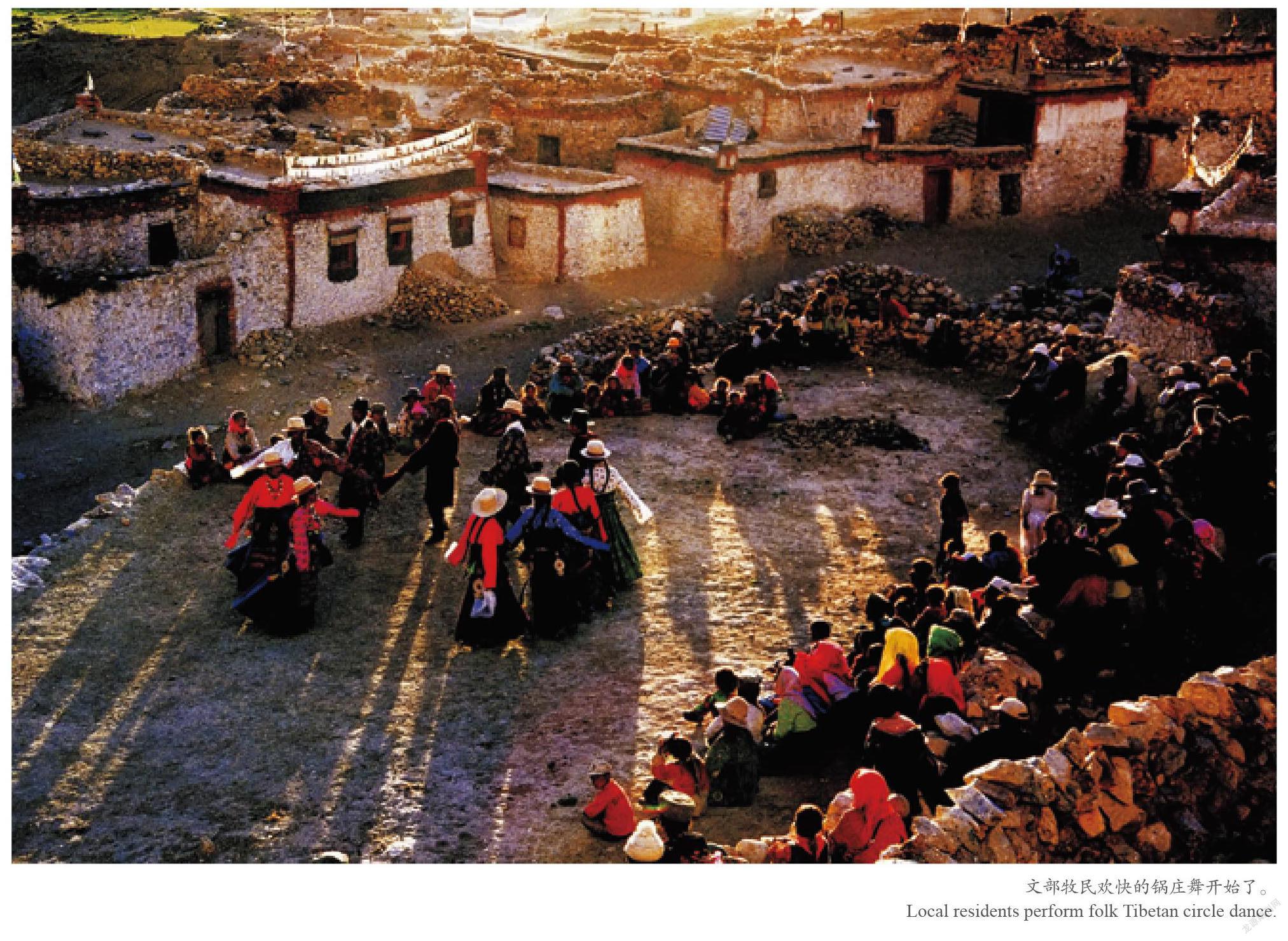
在村頭,一批牧民扛著鋤頭從山上下來,他們正要登記當天勞動的工分。勞動結束,歡快的鍋莊就要開始了。在一塊平坦的空地上,很快聚集了許多牧民。你聽,一個男聲領唱,一片女聲接應;你看,長袖子甩了起來,身子也扭了起來。沒有器樂,但節(jié)奏鮮明;沒有換場,但高潮迭起。能歌善舞是藏族群眾的的天性,過去,我只看過舞臺表演的節(jié)目,而歌舞作為他們生活的一部分,那天是第一次耳聞目睹。不多久,他們都出汗了,但他們卻越跳越有勁,越跳越動情。晚霞是一幅絢麗的背景,天地是自由揮灑的舞臺……
這就是香巴拉,傳說與歷史碰撞,夢幻與現(xiàn)實交錯,日子就這樣流淌,快樂就這樣來臨。
香巴拉,不必尋找。
Unforgettable Nagqu in Northern Tibet
By Ji Yehai
Among all the unique natural and cultural scenes of Nagqu in northern Tibet, only a handful are well-known. Geladandong, Tangra Yumco, wild yak, Zhang Zhung civilization ... there are just too many things the travelers and photographers have not heard of. However, once you set foot in the mysterious land of Nagqu and see the landscape in its most original way, you will never be able to erase it from your memory.
Nowadays, more people choose to go to Nagqu on self-drive tours to fulfill their long-cherished wish of visiting the source of the Yangtze River in summer.
The off-road vehicle took us from Nagqu and went northward along the Qinghai-Tibet route to the No.100 daoban (railway maintenance squad) for over 300 kilometers. These are concrete tarmac road, a relatively easy drive so far. From the No.100 daoban, the turning point, we continued our trip on a humble dirt road to head for the west, which is the only road to Geladandong. This section of the road is more than 90 kilometers, mostly meadows, sand and bare hills, looking very desolate. According to the local guide, this area used to be a lush green meadow, where all kinds of wild animals were often seen strolling and grazing leisurely. But now the meadow has shrunk, giving way to sandy land and pushing wild animals farther and farther away.
After 90 kilometers of bumpy ride for more than four hours, we finally arrived at the source of the Yangtze River, Geladandong. It was evening, and suddenly it went all windy and snowy. The main peak of Geladandong, as a result, was obscured by thick clouds, which made everyone feel very disappointed. We then got back in the car and drove on until we could no longer proceed, and stopped to camp on the spot.
The night fell, and both the wind and snow stopped. Looking up, the night sky appeared so bright and the stars particularly large and numerous, as if they were within easy reach. I looked around, seeing the towering snow mountains and cold glaciers, I could not help but shiver a little. My mind suddenly went blank, as I was standing in such a wilderness but felt like floating into the air. There was no artificial light at all, only drops of water gurgling from melting glaciers. In the world of tranquility, the sound of flowing water is particularly clear. This little creek of the Yangtze River, the origin of our mother river, flew into my heart and filled me with a sense of awe.
We were all lying in a big tent. However, I kept tossing and turning, unable to fall asleep. Gradually I felt a headache and found it difficult to turn over or even breathe, which was the most terrible moment I ever experienced since my past three years in Tibet. Knowing that the altitude here was more than 5,300 meters and the temperature was about minus 10 degrees Celsius, I understood how little our thin tent could do in keeping us warm, and nothing could be done about the lack of oxygen here. The next day we all got up before dawn and found the top of the tent fully covered with frost. It turned out that none of us had any sleep.
Near the tent there was a good spot for taking photos, and I got the ideal one as the glacier bathed in the red light of the sunrise. After breakfast, we approached the ice tower forest to have a close look at the source of the Yangtze River. On the way, the guide pointed to the bare surface of the rocks and said to me, “when I was a child, glaciers were seen around here, yet now they are melting away.” I turned my lens on the melting glaciers, and my heart could not help but feel a tinge of sadness.
The first encounter with wild yaks was in the northwest of Shuanghu. That day, we started from Shuanghu, passed through Garco, and drove north for five hours in the vast stretches of wilderness. The driver said we had reached the edge of the uninhabited area of Hoh Xil, “a paradise for wild animals”. But why hadn’t we met any wild yaks? I was indecisive about whether to go back or keep searching. Suddenly I found two moving black dots at the foot of the mountain in the opposite direction. The guide looked through his binoculars and excitedly announced that it was the wild yaks!
Our SUV drove along the ridge without hesitation, yet the two wild animals seemed stirred and ran increasingly faster. We pushed up to 60 kilometers per hour but still couldn’t catch up. I could only capture a view of their back with my camera, and that was not enough. Just then a small hill appeared in front of me and an idea flashed into my mind. I quickly said to the driver, “Maybe we stop chasing from behind. Surpass from the left side, and we will meet them head-on.” We drove around the hill and, just as expected, found ourselves heading towards the wild yaks, which suddenly froze for a moment after seeing the oncoming car. But we did not dare to get closer either. During the two or three minutes when both sides stood motionless, I seized the opportunity to hurriedly press the shutter and took two quick shots.
After taking these photos, I had to stop and think about one question: the wild animals in the Qiangtang Grassland have survived because they have chosen a favorable terrain to protect their prosperity. However, in the face of modern human civilization, they are so helpless. Without effective protection from human beings, the paradise of wild animals will soon become their graveyard.
Shambhala is the ideal kingdom for Tibetans to live in, a place of beautiful scenery. It is like a paradise, where there is no pain. But where is it exactly?
Someone from Nyima county took me to a place called Wenbu, and I felt it is like Shambhala. The day I arrived at Wenbu, I happened to see a red-scarfed young girl herding a group of sheep. She was standing in the grassland looking up at the mountain in the distance. What a wonderful scene of nature and life!
At night, there was neither the sound of insects nor the noise of the human world. I listened quietly as a 74-year-old villager told me some fascinating legends of the sacred lakes and mountains. I couldn’t resist my curiosity and visited a mountain called Qiongzhong Mountain the next morning, on a horse back. It took me three hours to get there. The historical mysteries there were impressively unforgettable, and I felt the trip so worth the trouble.
Back in Wenbu, it was already sunset. At the head of the village, a group of herdsmen came down from the mountain carrying hoes, finishing the day’s labor. And that was when a cheerful ritual was about to begin. Many herdsmen soon gathered in a flat open space, surrounded by singing from men and women. No instrumental music or change of scene, there was just a mass of people dancing and singing, continuously bringing the atmosphere to a climax. In the past, I had only watched stage performances. That day was my first time to enjoy off-stage singing and dancing, or rather, the joyous daily life of local people.
I guess I have already found Shambhala, a place where legend meets history, dream alternates with reality, and happiness is always there to stay.