杭州的宋代石窟有多厲害?
2022-03-28 22:31:31李儼嬌
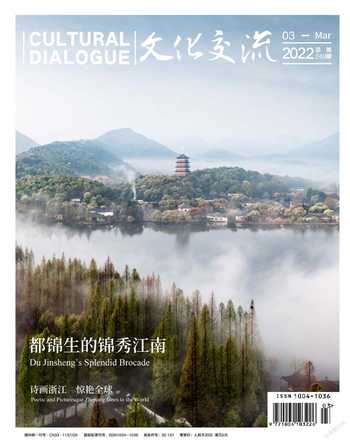
文化交流 2022年3期
李儼嬌


中國是世界上石窟寺保存數量最多、時間跨度最大的國家。這些雕鑿于崖壁間的不朽精靈,穿越千年的時光,歷久彌新——
甘肅敦煌莫高窟、山西大同云岡石窟、河南洛陽龍門石窟、甘肅天水麥積山石窟等四大石窟,皆是以中國佛教文化為特色的巨型石窟藝術景觀。
杭州的石窟,也占有一席之地。通過它們,我們能從中感受到古代工匠震撼人心的精湛技藝,窺見中國古代社會的世俗日常與人間煙火。
常青與杭州飛來峰之緣
近日,由四川大學藝術學院教授常青撰寫、浙江古籍出版社出版的《中國石窟簡史》讀書會,在杭州曉風 · 明遠book舉行。在這場以 “杭州宋代石窟造像的主要成就”為主題的讀書會上,常青向在場讀者和通過直播觀看的網友們展示了杭州宋代石窟造像的獨特魅力,以及杭州造像題材對中國乃至整個東亞地區的重大貢獻。
新疆、甘肅、陜西、山西、河北、河南、四川、浙江、江蘇……專業從事中國佛教藝術研究的常青,去過國內所有著名的石窟。但杭州,依然給他留下了深刻的印象,尤其是杭州宋代石窟造像的魅力,以及與杭州飛來峰石窟之緣分,讓他至今說起來依然是滔滔不絕。
“杭州是全世界最漂亮的城市”。常青說,他有20多只珍藏的檔案袋,這20多只袋匯成一部“中國石窟簡史”。
幾只牛皮紙檔案袋,封面手寫“資賢寺摩崖造像”“寶成寺”等。將近24年后,常青終于打開了這些袋子。
那是2017 年左右的事情了。
那天的讀書會上,常青說起了這些檔案袋的故事。陪他走過40多年的袋子里“珍藏”的石窟造像,有的已經消失,有的漸漸變老。好在袋子里的數據、測繪、照片永遠不會改變,它們匯成了一本“簡史”:中國石窟簡史。
“我一直喜歡石窟。”
1990年,北京大學考古系碩士研究生常青,結束了在龍門石窟研究所三年的實習工作。他和他的導師、著名考古學家宿白聊起這里的見聞和發現。
宿白說,有機會的話,你就往外走。
論文答辯,對面坐著答辯委員會主席徐蘋芳——著名考古學家。1983年和1987年,中國社會科學院考古研究所與地方文物部門合作,先后組建了臨安考古隊和揚州考古隊,徐先生任隊長。1991年至1993年,常青在杭州參與了臨安城遺址的考古發掘。
常青知道杭州有很多石窟,跟隊長李德金說 :我能不能利用周末時間調查一下石窟?李德金說可以。他又跟徐蘋芳匯報,我想對石窟調查一下,因為我一直喜歡石窟。
去中國社科院考古所報到時,徐蘋芳對他說,我們沒有石窟調查的工作,都是考古發掘的工作,你必須得參加一個隊。常青說,我不喜歡寫考古發掘的文章,要寫文章,我還是寫石窟的。徐蘋芳說 :好。
畢業后,雖然不再做田野發掘,但田野考古的研究與考察方法,深深影響著常青對石窟寺的研究。考古學的斷代方法,主要是依據地層的疊壓與打破關系。這種關系也往往可以在石窟寺的雕刻與壁畫中見到,完全可以用來為石窟寺斷代。正是利用這種方法,常青寫成了對炳靈寺169窟塑像與壁畫分期的文章。炳靈寺石窟第169窟,是我國目前所知最早的一個紀年洞窟(420年)。
這是他第二次來杭州,第一次來是三年前,去了飛來峰。
太漂亮了,和他在北方看到的石窟完全不同,他隱隱知道,如果將來要研究飛來峰,那是另一個完全不同的體系,在常青眼中,那是與北方石窟完全不同的漂亮。數年后,他的博士論文的研究對象正是杭州飛來峰造像。
“三個最早”羅漢造像與杭州之緣
在讀書會上,常青說,“杭州是我的第三故鄉”。在杭州石窟造像中,常青多次強調最重要當數飛來峰造像。它的地位,可以用三個“最早”來形容——
現存最早的五百羅漢造像。五百羅漢,唐代以后,在全國各地均有流行。常青認為,五百羅漢的起源地可能就在杭州。相傳吳越錢镠曾在天臺山建五百羅漢殿,這是文獻記載最早的五百羅漢造像,可惜早已無存。雖然杭州飛來峰青林洞的羅漢造像只有120余尊,但卻是目前較完整地保存下來的最早的五百羅漢造像,從很多造像題記中可以看出,其塑造年代在北宋,基本完成于1000—1003年。
現存最早的一組石雕十八羅漢像。十六羅漢,主要依據唐玄奘翻譯的《法住記》,流傳于唐代,后來中國人又創造了兩位羅漢,形成十八羅漢。杭州飛來峰煙霞洞內,保存有我國現存最早的一組石雕十八羅漢像。長期以來,對于十八羅漢的名字眾說紛紜,煙霞洞內的這組羅漢像多帶有題記,對于十八羅漢名稱可謂起到了正本清源的作用。
全國最早的布袋與十八羅漢造像。飛來峰的標志——雕刻于南宋時期的布袋和尚與十八羅漢造像,是全國最早的、公認最好的,同時也是全國唯一的布袋和尚與十八羅漢造像。這里也是杭州很多“80后”小時候的打卡地點。
實際上,杭州的石窟造像均雕鑿于唐代以后,主要完成于公元10至14世紀的五代、宋、元時期。它們雖不及龍門、云岡、敦煌等地的石窟那樣宏偉與年代久遠,卻是研究中國10世紀轉型期以后佛教藝術史不可或缺的重要資料。
“如果我們說,不能全面掌握杭州造像,就無法真正了解中國10世紀以后佛教藝術的發展脈絡,也絕不是夸張之辭。”常青說,這是由杭州在中國晚期佛教史上的重要地位決定的。杭州曾是五代十國時期佛教最為發達的吳越國的首都,宋代最大的佛教宗派禪宗的中心,第二大宗派天臺宗的兩個中心之一,在宋代復興的華嚴宗的中心,也是元代江南佛教的中心。
杭州歷史地位的重要性,決定了它的造像藝術在五代宋元時期的重要性,決定了它在題材、圖像、風格方面必然對其他地區產生過或多或少的影響。也正是這樣崇高的地位,決定了宋代杭州城內分布有很多寺院,寺院中保有眾多珍貴的藝術品。遺憾的是,這些藝術品今天大部分都已湮滅,人們能看到的,只有保存在西湖周邊群山中的石窟造像。
除了飛來峰,杭州現存南宋造像還集中在寶石山、將臺山南觀音洞、棲霞嶺黃龍洞、紫陽山開寶仁王寺。杭州有南宋紀年的造像,則僅存于南觀音洞。
除了已提及的飛來峰南宋大肚布袋和尚像,杭城中的另一個著名標志,就是仁王講寺遺址。開寶仁王寺(又稱仁王講寺)摩崖造像位于杭州市上城區紫陽山南麓白馬廟巷內,坐北面南依石崖雕就,是原寺院的一個組成部分。這里原來有一座開寶仁王寺,是繼承了北宋首都東京汴梁開寶寺的仁王院于紹興五年(1135年)在杭州興建而成的,主要服務于南宋皇室。如今寺院已經沒有了,只留下三龕造像。
常青說,石窟藝術史上很多的題材,比如唐以后流行的很多題材,在杭州發現得最早。如十八羅漢、五百羅漢……或許這些題材原本就在杭州起源,然后再擴散到全國。
作為宋韻傳播智庫成員的常青,他對石窟的研究一直在路上,中國重要的石窟造像他幾乎全部跑遍。當年的20多個有關石窟考古的袋子,一個個打開了,接下來,常青說“也就是說,第一手調查資料基本都用完了,現在,我需要新的調查。我經常想,我這一輩子到底什么是最大的快樂?我想,似乎都是在盼望著哪一天我去哪看看。”
The Magnificence of Hangzhou’s
Song Dynasty Grottoes
By Li Yanjiao
Collectively known as the “Four Great Grottoes” in China, the Mogao Grottoes in Dunhuang, Gansu province, the Yungang Grottoes in Datong, Shanxi province, the Longmen Grottoes in Luoyang, Henan province, and the Majishan Grottoes in Tianshui, Gansu province feature distinct Buddhist art and culture, as well as giant caves and statues.
In fact, China holds the largest number of cave temples in the world, with the longest historical span.
While not as famous as those four, Hangzhou is also a major site when it comes to ancient caves, through which we can get a glimpse of the stunning skills of ancient craftsmen, and the daily life of ancient Chinese society.
At a recent event held in Hangzhou’s Xiaofeng Bookstore, Professor Chang Qing of the Arts College of Sichuan University introduced the unique charm of the Song dynasty (960-1279) grottoes in Hangzhou to both onsite readers and those who watched through live streaming, as well as the great contribution the statues in these grottoes made to China and even the whole East Asia region.
The event, themed “Major Achievements of Song Dynasty Caves and Statues in Hangzhou”, focused on Chang’s new book A Concise History of Grottoes in China, published by Zhejiang Ancient Books Publishing House.
From Zhejiang to Xinjiang, from Gansu to Jiangsu, from Shanxi to Shaanxi, from Hebei to Henan, and Sichuan where Chang teaches, he has visited all the well-known grottoes in China. Indeed, Chang has amassed so much materials on the grottoes he has been to that he has deposited them — survey data, maps, photos — into more than 20 archive bags, culminating in a final product A Concise History of Grottoes in China.
For Chang, who specializes in the study of Chinese Buddhist arts, Hangzhou, as well as its striking Buddhist caves and statues, left an indelible mark.
“I have always been fascinated by grottoes,” Chang said.He was enrolled in the prestigious Peking University in 1981, majoring in archeology for his undergraduate studies before pursuing a master’s degree in the same subject at the university. After graduation, Chang first worked at the Longmen Grottoes Institute and then joined a team of archaeologists for the excavation of the ruins of Lin’an city, capital of the Southern Song (1127-1270) between 1991 and 1993.
It was during this period that Chang began to study the many Buddhist caves located around Hangzhou’s Feilai or Flying Peak in his spare time. To Chang, the beauty and appeal of these caves, and the statues, sculptures and paintings in them, were entirely different from those he had seen in northern China. At the time, he already had the vague idea that if he were to conduct in-depth research on them, he would also resort to a drastically different system, as opposed to how he studied their northern counterparts. Years later, Chang’s Ph.D. dissertation would actually focus on the statues and sculptures in these caves.
“Hangzhou is the most beautiful city in the world,” Chang said. “It is also my third hometown.” While the Buddhist statues on the Feilai Peak are not the only ones dating back to the Southern Song dynasty — there are also those on the Baoshi Hill, Jiangtai Hill and Ziyang Hill, they are the most important ones in Hangzhou. Their importance is characterized by a number of “earliest”, according to Chang, who is also a member of the recently established think tank dedicated to the popularization of Song dynasty culture.
First, the earliest surviving statues of the “500 Arhats”. The images of 500 Arhats started to gain popularity after the Tang dynasty (618-907), and they may well have originated in Hangzhou. Indeed, many themes in the history of grotto arts, such as those popular after the Tang dynasty, were first discovered in Hangzhou, and Chang believed that they were first born in Hangzhou before spreading across the country.
According to historical documents, Qian Liu (852-932), founder of the Wuyue kingdom (907-978) built a hall housing the 500 Arhats in the Tiantai Mountains, the earliest written record of the 500 Arhats statues. Unfortunately, they have long disappeared. Although only 120 of the 500 Arhat statues survive in the Qinglin Cave of the Feilai Peak, they are the earliest ones that have been well preserved. The inscriptions on these statues indicate that they were sculpted in the Northern Song dynasty (960-1127), completed roughly between 1000 and 1003.
Second, the earliest surviving stone statues of the “18 Arhats”. Followers of the Guatama Buddha, the “18 Arhats” were originally 16, who became known in the Tang dynasty, after the monk Xuanzang (602-664) translated Fa Zhu Ji, or Record on the Duration of the Law, Spoken by the Great Arhat Nadimitra, into Chinese. The number was increased to 18 later. In the Yanxia Cave of the Feilei Peak is a group of China’s earliest “18 Arhats” statues. For a long time, opinions differed as to the names of the arhats, and the inscriptions on these statues have offered invaluable evidence.
Then, the earliest statues of the Maitreya Buddha (Laughing Buddha), carved during the Southern Song dynasty (1127-1279), can also be found in the Feilai Peak.
In fact, the grottoes in Hangzhou were carved after the Tang dynasty, largely during the 10th to the 14th centuries. While not as grand and ancient as the grottoes in Longmen, Yungang and Dunhuang, they are indispensable to studying the transition of China’s Buddhist arts after the 10th century.
“It is no exaggeration to say that if we cannot fully understand the Hangzhou statues, we cannot truly understand the development of Buddhist arts in China after the 10th century,” said Chang. As the capital city of the Wuyue kingdom, where Buddhism was most dynamic at the time, Hangzhou was also the center of Chan (Zen) Buddhism in the Song dynasty, one of the two centers of the Tiantai sect, the center of the Huayan sect as well as the center of Buddhism in Jiangnan (south of the Yangtze River) in the Yuan dynasty (1206-1368).
Hangzhou’s historical status means that it has more or less influenced the other regions in terms of themes, images and styles when it comes to Buddhist statues and sculptures. Although there were numerous monasteries and temples in Hangzhou during the Song dynasty, in which were housed many precious works of art, unfortunately, most of them have been lost, and only the cave statues in the mountains surrounding the West Lake have been preserved.
“My first-hand investigation materials are basically used up,” said Chang, referring to the 20-odd archive bags he had collected. “Now, I need a new investigation. I often wonder what is the greatest happiness in my life? I guess it is the expectation of where I’m going to next.”
猜你喜歡
科學大眾(2023年17期)2023-10-26 07:38:38
幼兒畫刊(2022年11期)2022-11-16 07:22:36
敦煌研究(2021年6期)2021-09-03 03:05:59
中國交通信息化(2021年4期)2021-07-21 09:23:34
紫禁城(2020年8期)2020-09-09 09:38:28
陶瓷科學與藝術(2019年3期)2019-07-26 00:44:32
傳媒評論(2017年12期)2017-03-01 07:04:58
汽車與安全(2016年5期)2016-12-01 05:21:55
看天下(2016年24期)2016-09-10 20:44:10
中華手工(2015年5期)2015-05-11 19:10:38