發(fā)展數(shù)字化工程,實(shí)現(xiàn)航天裝備數(shù)字化
2021-12-23 11:19:42周凡利陳立平
導(dǎo)彈與航天運(yùn)載技術(shù) 2021年6期
趙 民,周凡利,陳立平,張 冶
(1. 中國(guó)運(yùn)載火箭技術(shù)研究院,北京,100076;2. 蘇州同元軟控信息技術(shù)有限公司,蘇州,215123; 3. 中國(guó)運(yùn)載火箭技術(shù)研究院研究發(fā)展部,北京,100076)
0 Introduction
Model Based System Engineering (MBSE) has evolved into a methodology for research and development in complex engineering systems since its initiation in 1990. With the emergence and extensive application of Modelica[1]and SysML[2], systematic design and simulation has come into maturity, offering methods and tools to support system-wide forward design and simulation verification. This paves the way for equipment system digitalization. In 2018, the U.S. Department of Defense issued the “Digitization Engineering Strategy”[3]for “product digitalization” and “process digitalization”, ushering MBSE into a new stage of digital engineering and equipment development into a digital era.
In 2021, in China's 14th Five-Year Plan and 2035 long-term goal outlines, the Central Government of China puts forward a goal of building a digital China by promoting the digital industry and accelerating the digitization transformation of conventional industries. In response, China Aerospace Science and Technology Corporation (CASC) has launched a Digital Aerospace initiative with the aim of promoting the coordinated development[4]of a digitization aerospace industry in terms of products, R&D, and management. As an emerging technological innovation in the wake of the extensive application of IT and internet in this information age, digitization underpins the future intelligent technology revolution, especially industrial intelligence. Digitization innovation begins withequipment digitalization, including digitalization of equipment itself and its R&D and manufacturing process. Equipment digitalization holds the key to the Digitization Aerospace initiative.
Spacecraft like missiles and rockets are the foundation and guarantee of national defense and the aerospace industry. Through its digitization engineering strategy, the United States has achieved the “construction is correct” in the development of weaponry and aerospace equipment, and achieved digitization of entire R&D process, improving the efficiency by five times[5]. This reminds us that the R&D of China's spacecraft must go digitalization to improve efficiency and shorter lead times so as to raise their competitiveness in the international market. As an emerging technology innovation, equipment digitalization is supported by industrial software, models and data. Admittedly, we are still lagging behind in these respects. We must be sober-minded and set our objectives to catch up with advanced technology. We must seize this historic opportunity to upgrade China's spacecraft equipment comprehensively.
This paper focuses on equipment digitalization for spacecraft. First, the evolution of equipment digitalization and its current status in the aerospace industry are reviewed; then development objectives and key factors for equipment digitalization are analyzed with a focus on building an enabling ecosystem for autonomous and controllable digitization engineering of spacecraft; finally, conclusions.
1 Evolution of Equipment Digitalization and Its Current Status in the Aerospace Industry
1.1 Features of Equipment Digitalization and Digitization Models
According to the Digitization Engineering Strategy[3]issued by the US Department of Defense, equipment digitalization mainly refers to product digitalization and process digitalization. Product digitalization means to deliver digitized weaponry to armed forces, while process digitalization means digitization engineering running through the entire life cycle of a system. In this paper, we deem that equipment digitalization has three features: hierarchical digital model delivery, system-wide digital simulation and verification, and digital modeling throughout the whole process.
Hierarchical digital model delivery: It means while achieved delivery and assembly consistence of a hierarchical system, each and every physical object, from component to stand-alone machine, from subsystem to system, must be consistent with its corresponding digital model in the process of equipment R&D and manufacturing, which given by the equipment digitalization.
System-wide digital simulation and verification: It means that in a hierarchical system, each and every physical object, from component to stand-alone machine, from subsystem to system, must have its corresponding digital model to support simulation and verification. And system-wide digital simulation and verification can be realized through the final assembly of system-wide digital models.
Digital modeling throughout the whole process: It refers to that digital models can continually evolve, integrate with each other and adapt to the effective process throughout the whole life cycle of equipment, from requirement definition, concept, system design, product design, manufacturing, testing, validation and maintenance. This is to address the isolation between the software and models in different stages.
Modeling is the very core of equipment digitalization. Digital modeling can be defined from different perspectives. From the perspective of model connotation, INCOSE MBSE believes that a system model is made of requirement model, function/behavior model, structure/component model, performance model and other engineering analysis models like quality, reliability, cost, etc[6]. From the perspective of MBSE process stages, MBSE provides conceptual definitions of requirement model, functional model, logical model and physical model[7]. From the perspective of stages and carriers in aerospace practice, CASC has put forward a concept of six types of models, including requirement, function, product, engineering, manufacturing and implementation[4]. Based on this six-type concept, this paper puts forward a definition of digitization model system and elaborates on it in section 2.
1.2 Evolution of equipment digitalization
Centering on software and modeling, equipment digitalization has evolved from the design simulation for a component or a single domain to the multi-domain integrated design simulation for the whole system, from the autonomous design simulation for different levels to the cross-level collaborative design simulation, from the decentralized modeling simulation for different stages to the modeling simulation throughout the whole process. At present, the multi-domain integrated design simulation for a whole system has progressed to the model application verification stage; the cross-level collaborative design simulation has completed the pilot stage, while the model integration throughout the whole process is still in continuous exploration and development.
Before 2000, digital design and simulation mainly focused on a component or a single domain, with CAD, CAE, CAM, etc. Those are as representative industrial software for design, simulation and manufacturing. System-wide, co-simulation or process integration was achieved by integrating a finite number of professional software or processes. After 2000, new generation of system-wide design and simulation software, such as SysML-based system design software, and Modelica-based system simulation software, has been widely used, providing new tools for system design, and bringing changes in conventional professional simulation software. Digital design and simulation from component level to system level is shown in Fig. 1.
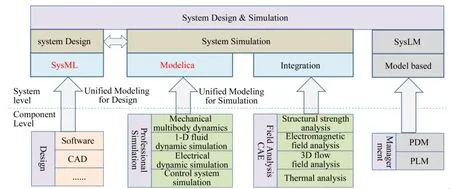
Fig.1 Digital Design and Simulation from Component Level to System Level
1.3 Current Status and Weaknesses of Aerospace Digitization
Through 60 years of self-reliant development and continuous innovation, China has established a complete and autonomous industrial system for aerospace engineering, and made a raft of theoretical breakthroughs and practical achievements. Remarkable progress has been made in the implementation of major space projects such as the new launch vehicle, the lunar probe and manned spaceflight, and a complete system engineering technology structure has been established. In recent years, in order to implement the aerospace digitization strategy and build a powerful aerospace industry, CASC has launched a series of key projects such as “Intelligent Aerospace Engineering”, “Digital Institute No.1” and “Digital Space Station.” These efforts to promote the comprehensive digitalization have achieved initial results[4].
Several decades of accumulated expertise and exploration of digitalization in recent years have built up a good foundation and strength for CASC:
a) System engineering theory, methodology and supporting system for complex systems;
b) A knowledge and expertise base with proprietary intellectual property rights;
c) A digital analysis validation base built up in decades;
d) A solid industrial foundation for information networking and digital manufacturing;
e) A strict quality control system;
f) An initial intelligent manufacturing system for aerospace products ;
g) Full digitized development of typical models or major projects has been initially implemented.
That said, we still a have long, hard journey to go in equipment digitalization in the context of the new generation of digitization technology:
a) Document-based systems engineering still dominates the work mode, while model-based systems engineering and fully digitization R&D are still in the exploration and pilot stage.
b) Professional simulation verification has been widely used, and multidisciplinary integrated simulation, system-level simulation verification and optimization have been piloted in several places, but they have yet to be fully promoted. Model simulation verification has yet to be made in a systematic way.
c) Digitalization has been done respectively in the design, validation, manufacturing, and integration testing of the system, but model-based end-to-end integration and modeling adaptation in different stages are inadequate throughout the whole process.
d) As on-site processing and testing data fail to inform the system design promptly, problems cannot be found until the product is physically integrated, or even until flight tests. Therefore, a closed-loop of design, manufacturing and testing needs to be built.
e) As accumulated digital models are insufficient, a unified, validated reusable model system has yet to be established. The experimental and operational data are not fully exploited yet to rectify the simulation mode.
f) The core software of the digitization tool platform is imported, and the accumulation of knowledge model data is bound with foreign platforms. Such a strong external dependence may lead to hidden security risks.
2 Development Objectives for Spacecraft Equipment Digitalization and Digitization Engineering System Building
2.1 Development Objectives for Spacecraft Equipment Digitalization
In view of the trend of digitization technology evolution, the long-term goal of building a digital aerospace industry and the above-mentioned weaknesses of aerospace equipment digitalization, we put forward the development objectives for spacecraft equipment digitalization: Focusing on aerospace business process, building on the digital modeling of equipment system, creating a digitization engineering system which are both model-driven and data-driven, fostering an enabling ecosystem for autonomous and controllable digitization engineering, delivering hierarchical digital modeling, system-wide digital simulation and verification, digital models integration through the whole process.
Aerospace business process: Digitization technology evolution leads to productivity evolution. As a combination of productive forces and production relations, aerospace business must be adapted to the development of digitization technology, namely, the existing R&D and manufacturing must be updated to form a fully digitized process.
Digital system modeling: According to the definition of CASC[7], digital system modeling is made of modeling of requirement, system, product, engineering, manufacturing and twin modeling. Requirement modeling describes the itemized requirement and framework of the system requirement. System modeling illustrates the function or behavior and functional architecture of a system, which is used for multidisciplinary simulation and verification. Product modeling depicts the three-dimensional structure composition and geometric assembly or electronic structure composition of a system. Engineering modeling shows the professional performances of a system for special field analysis. Manufacturing modeling describes the system manufacturing process for process simulation. Twin modeling refers to a combination of models of system function, product structure, engineering performance, manufacturing process, and requirement analysis, models that are interconnected with physical real data.
Digital model delivery: From the component to stand-alone machine, subsystem to system, each and every hierarchical digital model must be delivered consistent with its corresponding physical object so as to enable a consistent digital assembly. The system modeling management and digital coordination are cross-level, cross-discipline, cross-scale and cross-stage.
Digital simulation verification: Digital simulationverification is provided throughout the whole process in the whole system, from the component to stand-alone machine, subsystem to system, covering the full range, whole-field and all factors. A computational simulation engine will be built on the basis of cross-level, cross-discipline, cross-scale and mechanism-data integration for spacecraft.
Digital model integration: Based on the unified standards and model architecture, a closed-loop of design, manufacturing and testing will be built through stage-based modeling evolution, model conversion, and interface integration. Such a closed-loop will enable digital model integration throughout the whole system, from the modeling of requirement, system, product, engineering, and manufacturing to the twin modeling.
2.2 Digitization Engineering System with Both Model-driven and Data-driven processing for Spacecraft
An important goal of space equipment digitalization is to build a digitization engineering system driven by both model and data which based on the existing expertise and digitization bases of aerospace system. A digitization engineering system consists of standards, digitization industrial software, digital model system, product data accumulation and model-data integration.
Standards include the basic standards and standards for system modeling, model verification, model application and so on. The basic standards include the design modeling language standard, simulation modeling language standard, data exchange standard, etc. System modeling standards include the model architecture standard, model definitions standard, the model development standard and reuse standard and so on. Model verification standards include the model test and validation standards, etc. Model application standards incorporate the standards for following stages: scheme demonstration, system design, integration test, operation and maintenance.
Industrial software underpins the implementation of equipment digitalization. At present, various industrial software tools are usually aimed at a certain aspect in system engineering activities such as requirement analysis, function/behavior analysis, architecture synthesis, design validation and verification. Accordingly, we have software tools for requirement management, functional analysis and architecture design, system modeling and co-simulation, model collaboration and management.
The modeling system mainly refers to the above-mentioned six types, among which the system modeling holds the key. It defines the interface relationship between various systems and between modules through standardized interfaces, and it defines the model architecture of the model library through top-down system architecture analysis, so as to form an object-oriented, unified model library for multi-level, multi-domain aerospace systems. It also supports bottom-up model integration application, enabling the reuse of system design experience and the rapid verification of system design schemes.
Product data include data of requirement, design, simulation, test and telemetry in the whole process of product development, for which data management and data analysis must be provided. With the development of big data technology, data modeling can be built on big data through machine learning.
Mechanism models, mainly built on mathematical principles of objects, are commonplace in the model system. But two deficiencies stand out in mechanism models: first, it is difficult to establish an accurate mathematical model for some complex physical processes; second, the principle and structure of some models are easy to determine, but model parameters are difficult to obtain. With big data-based product data, data modeling can be built to make up for deficiencies of the mechanism model, and calibrate parameters of the mechanism model. The fusion of mechanism model and data model is the key technology of equipment digitalization.
3 An autonomous and Controllable Digitization Engineering Ecosystem for Spacecraft
In the above-mentioned digitization engineering system of spacecraft which driven by both model and data, to establish standards is the groundwork, industrial software development is the bedrock, model systembuilding is the core, and product data accumulation helps build up value. The integration of modeling and data leads the way to intelligent digital spacecraft. As a leading player with advanced technology, innovation strength and great influence, and in considering of support-guarantee function of spacecraft for national security and the aerospace industry, CASC will take the responsibility, which is: building on the state major innovation projects and key models, CASC will make concerted efforts to develop a new generation of autonomous and controllable digitization industrial software and model libraries for spacecraft, foster as an enabling digitization engineering ecosystem for spacecraft, which will support the digitized R&D of key models, covering the entire system, whole scope, full process, and all the elements.
3.1 To Develop New Generation of Autonomous and Controllable Digitization Industrial Software for Spacecraft
We will seize the historical opportunity of digitalization reformation, foster and promote new system-level design and simulation industrial software, and develop innovative software for digital twin applications. Traditional specialized simulation software will be promoted by system modeling and simulation software development. And we will develop new generation of computing engine for digital modeling and simulation and formulate a reliable underlying framework for next-generation autonomous and controllable digitization industrial software for spacecraft. Driven by the major innovation projects and key models, and relying on the underlying autonomous and controllable digitization platform, we will establish a task force for model digitalization, tap our accumulated expertise in aerospace system engineering, make collaborative efforts to create a next-generation autonomous and controllable digitization platform that supports the system design, simulation, verification, model integration, virtual experiment, operation, maintenance, and collaborative R&D between upstream and downstream for spacecraft equipment. The example of digital twin application innovation software is shown in Fig. 2.
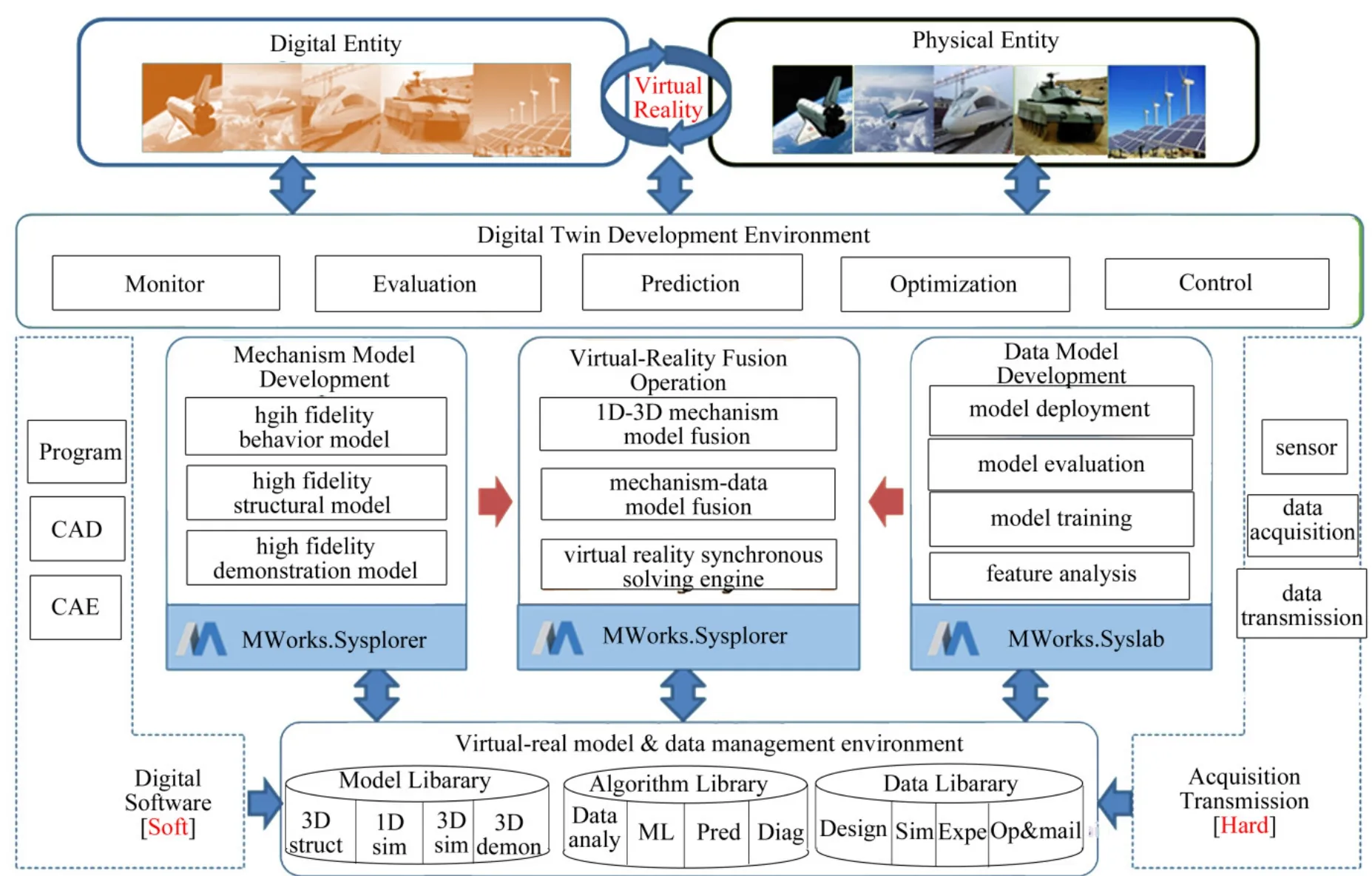
Fig.2 Digital Twin Application Innovation Software Example
3.2 To build an Autonomous and Controllable Model base System for Spacecraft
A standardized, unified, verified and reusable modeling system is the core of equipment digitalization. Among the six types of modeling, the system function modeling holds the key to the building of a model systemthat covering the entire system, whole scope, full process, and all the elements. Based on spacecraft, including missiles and launch vehicles, we will build a basic equipment model libraries and product model libraries with cross-field unification, cross-level coordination and cross-stage integration.
Establishing the basic missile model library: The basic missile model library covers all kinds of basic missile equipment models, including the flight control system model library, power system model library, flight dynamics model library, atmospheric environment model library, motor system model library, flexible body model library, etc. The product model library includes the guiding subsystem model, flight control subsystem model, steering subsystem model, missile body dynamics subsystem model, power supply subsystem model, warhead subsystem model and whole missile system model.
Establishing the basic launch vehicle library and the model library: the basic library covers all kinds of basic equipment models, including model libraries for the control system, navigation system, power system, separation system, structure system, etc. The model library includes models for control subsystem, navigation subsystem, power subsystem, separation subsystem, structure subsystem and the system model for the whole rocket.
3.3 Cultivating a collaborative ecosystem for digitization engineering
Based on the unified planning, standards, and framework for spacecraft equipment digitalization, we will foster an ecosystem for upstream and downstream model equipment digitalization, and a supply chain for platforms and tools. We will cultivate an ecosystem which synergize resources of enterprises, universities and research institutes. With all the efforts above, we will create collaborative ecosystem for spacecraft equipment digitalization which covering the entire system and whole process of spacecraft.
A collaborative ecosystem for upstream and downstream of model equipment digitalization: Based on unified standards, unified architecture, unified platform, unified model, we will make concerted effects to promote digitalization and digital delivery for upstream and downstream of model equipment.
An ecosystem for platform tools supply chain: Based on unified standards, unified architecture, unified interfaces and unified platforms, we will organize domestic competitive industrial software suppliers to provide basic tools, and team with model digitalization team to develop ecosystem for platform tools.
Ecosystem building on resource synergizing of enterprises, universities and research institutes: Centering on the building of knowledge model library and APPs, we will organize universities and institutes to carry out joint development, application promotion of knowledge library under the unified standards and unified platform.
4 Conclusions
Digitization is an emerging technology that changes productivity. Like other technological revolutions, it will permeate every corner of society, promote corresponding changes in production relations, and bring about digitization transformation. Equipment digitalization has come to the fore in this transformation. Compared with our foreign counterparts, we are still lagging behind in the development of industrial software, knowledge-model accumulation and in-depth application. We will take this rare opportunity to push forward our equipment digitalization, strengthen our R&D capacity and improve R&D quality for China’s spacecraft. On the one hand, we will enhance our digitization foundation through the implementation of national major aerospace projects and key models development. This paper proposes that we should develop a new generation of autonomous and controllable digitization industrial software, build the autonomous and controllable equipment model libraries, and cultivate an enabling ecosystem for equipment digitalization that support the digitalization and digitization transformation of business processes of spacecraft.
About the Authors
趙 民(1965-),男,博士,研究員,主要研究方向?yàn)轱w行器總體設(shè)計(jì)。
Zhao Min (1965-), male, phD, researcher, mainly focuses on the overall design of aircraft.
周凡利(1976-),男,博士,高級(jí)工程師,主要研究方向?yàn)榛谀P偷南到y(tǒng)工程、多領(lǐng)域物理系統(tǒng)和多體動(dòng)力學(xué)的統(tǒng)一建模與仿真。
Zhou Fanli (1976-), male, phD, senior engineer, mainly focuses on model-based systems engineering, unified modeling and simulation of multi-domain physical systems and multi-body dynamics.
陳立平(1964-),男,博士,教授,主要研究方向?yàn)閿?shù)字化設(shè)計(jì)、多領(lǐng)域物理系統(tǒng)的統(tǒng)一建模與仿真和幾何約束求解。
Chen Liping (1964-), male, phD, professor, mainly focuses on digital design, unified modeling and simulation of multi domain physical systems and geometric constraint solving.
張 冶(1979-),男,高級(jí)工程師,主要研究方向?yàn)閿?shù)字化設(shè)計(jì)與知識(shí)工程。
Zhang Ye (1979-), male, senior engineer, mainly focuses on digital design and knowledge engineering.
猜你喜歡
體育科技文獻(xiàn)通報(bào)(2022年3期)2022-05-23 13:46:54
計(jì)算機(jī)應(yīng)用(2022年2期)2022-03-01 12:33:42
遼金歷史與考古(2021年0期)2021-07-29 01:06:54
計(jì)算機(jī)應(yīng)用(2021年4期)2021-04-20 14:06:36
計(jì)算機(jī)應(yīng)用(2021年1期)2021-01-21 03:22:38
小哥白尼(神奇星球)(2020年7期)2021-01-18 05:07:16
科技傳播(2019年22期)2020-01-14 03:06:54
娃娃樂園·綜合智能(2019年7期)2019-08-26 09:38:48
民用飛機(jī)設(shè)計(jì)與研究(2019年4期)2019-05-21 07:21:24
小學(xué)生導(dǎo)刊(低年級(jí))(2016年8期)2016-09-24 07:43:42