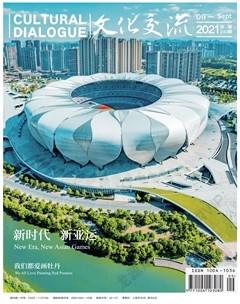
節儉亞運:55個競賽場館中新建的僅12個
2021-12-08 14:43:51
文化交流 2021年9期

節儉亞運:即充分利用現有場館設施,做到能改不建、能修不換、能租不買、能借不租;探索市場開發機制創新,尤其是民營資本進入的機制創新,努力通過市場開發方式解決辦賽主體資金。
上城區體育中心(原江干區體育中心)坐落于杭州CBD錢江新城,東靠之江路,西臨富春路,地鐵公交都可直達。
這里有體育場、全民健身活動中心、網球中心,設施好且價格實惠,工作日部分時段還免費開放,是周邊居民運動健身的第一選擇。
杭州2022年亞運會,上城區體育中心體育場將承擔起足球比賽任務,為全面滿足賽事要求并兼顧賽后綜合利用,從2019年4月起,體育場就進入提升改造期,涉及競賽場地、觀眾區域設施、賽事功能用房、賽事專用系統、媒體及轉播區、安保設施、配套設施等工程。
作為杭州市中心一處重要的場館群,該提升改造建設將杭州亞運會的“節儉”辦賽理念體現在改造工作的每一處細節。
“體育場是露天的,常年風吹日曬雨淋。在前期的摸底工作中,我們將看臺上1.4萬張座椅全部拆下仔細檢查了一遍,驚喜地發現,從2009年建造時就安裝的這批座椅,過了11年竟然沒有一張是破損的,本著節儉辦賽原則,就繼續用啦!”原江干區體育中心后勤部主任田坤生說,為了不浪費寶貴的水資源,他們還在足球場草坪下方安裝了一整套雨水收集裝置,可將過多的天然降水自動收集至雨水收集池,進行循環凈化后再次利用。
事實上,杭州亞運會在籌辦伊始就將綠色節儉的辦賽理念落實在籌建的方方面面。
杭州亞組委在2020年度亞運場館及設施建設工作會議上就明確提出,在滿足賽事要求的同時,更著眼長遠利用。一是倡導“能改不建”的理念:目前,57個競賽場館(含2個亞殘運會獨立場館)中新建的僅12個,其他的都為改建、臨建場館;二是要求賽時賽后共謀劃。賽時為賽事,賽后為城市:85%以上的比賽場館確定了賽后運營單位,承接各類大型體育、文化、商貿、展覽、娛樂活動,為城市和市民留下亞運遺產。整個奧體中心也已經明確賽后運營單位,如主體育場“大蓮花”未來將會作為城市地標、國際賽事和大型群眾性活動的主要承接地;三是設施器材細籌劃:根據場館賽時器材指導手冊,按照“開發優先,能借不租,能租不買”的原則,協同各場館做好器材的租借、采購。
能改不建
現在的上城區體育中心體育場外部目前設置了一圈圍擋,內部施工有序進行中。
體育場的草坪在6月初種下新草,經歷過梅雨季的雨水后長勢喜人,遠遠望去已是一片翠綠,新的塑膠跑道還在鋪設階段。
據介紹,上城區體育中心體育場的改造工程目前已完成70%以上的進度,符合年初制訂的計劃。
原江干區體育中心后勤部主任田坤生年近七旬,退休后又被返聘,負責體育場的亞運會改造提升現場工作,他每天戴著安全帽在工地穿梭。
從2003年江干區體育中心(現劃至上城區)一期開建起,田坤生就參與其中,“別看現在這一片那么熱鬧,2003年、2004年那會兒這里連房子都沒有,我是看著體育中心一點點造起來的。很多學校的校運動會都放到這里開。”
田坤生說,該體育中心體育場投用的第一年,就參與協辦了中國(杭州)國際龍獅邀請賽,當時的場面別提有多熱鬧了。
場館建設中有很多地方都在踐行著辦賽理念。足球比賽場地對草坪要求很嚴格,為了達到洲際比賽的標準,上城區體育中心派人先后前往上海、江蘇、廣東等地,對多個體育場及草場調研學習草坪種植、草種選擇經驗。
后期施工中,從草坪噴灌到排水層、中粗砂層、種植層設置,層層把關,嚴格按照洲際賽事比賽場地要求。
此外,上城區體育中心在改造提升工程中還加入建設杭州亞運會亞運博物館的內容(計劃200平方米)。該博物館屆時將展出亞運“遺產”,亞運會后將向市民開放,真正做到全民共享亞運。
改造完成后,上城區體育中心有望成為錢江新城又一標志性建筑。杭州亞運會期間,這里將聚集中外來客欣賞高水平足球賽事;后亞運時代,這里也會是市民最喜愛的現代化、智能化全民健身場所。
全民共享
占地701畝的拱墅區運河體育公園場館群是杭州亞運會乒乓球、曲棍球和霹靂舞比賽的承辦地,是杭州市重點打造的一處以全民健身為主題,集亞運記憶、運河文化、體育培育為一體的綜合性公園項目,建成后將成為杭州市最大的體育公園。
項目所在地由祥符橋村、花園崗村和方家埭村組成,區域內河道縱橫,綠樹成蔭。隨著杭州主城區不斷擴大,這里早在十多年前便已成為拱墅區的一處城中村改造項目。因其得天獨厚的自然條件,改造之初便被定位為公園,發揮“城市綠肺”職能。2015年,隨著杭州市獲得第19屆亞運會的承辦權,該區域的項目改造融入體育元素便被提上議程。
“在設計上,我們想把項目打造成既能滿足承辦亞運會比賽需求,又能在賽后滿足人們對于健身需要的一處場所,同時‘城市綠肺的功能還不能丟。”杭州市拱墅區城中村改造指揮部的蘇方聲說,公園在建設規劃過程中就已經為賽后改造留有余地,從而更好地讓場館服務于全民健身。
同時,為了減少項目建設對原河道生態環境的影響,項目最大范圍保留了原有的北莊河、永興河走向。“不破壞場地與周邊原有水系的關系,維持原有水文條件并加以利用,保護區域生態環境。”蘇方聲說。
項目進展順利,以良渚遺址玉器“琮”為造型的乒乓球館、油紙傘造型的曲棍球場均已經基本完工。
節能施工
西子湖畔、黃龍洞旁,作為浙江省曾經規模最大、功能最全的體育綜合體,黃龍體育中心的區位優勢可謂得天獨厚。然而作為亞運改造項目中規模最大、面積最廣的工程,這樣的優勢也就成了劣勢,改造產生的大量建筑垃圾如何處理成為一大難題。
傳統處理方式一般是先將建筑垃圾裝至工程車內,再由工程車直接運至郊外堆放。黃龍體育中心處于鬧市區,周圍交通較為擁堵,除去早晚高峰和夜間施工,每天留給建筑垃圾外運的時間只有10小時。除此之外,根據工程進度要求,建筑垃圾處理時間不能超過一個月,如果為了滿足項目實際進度要求,大量機械工作產生的噪音也將對周圍居民造成困擾。
浙江一建黃龍體育中心亞運會場館改造工程項目經理金天紅說,在考慮到傳統方法的諸多弊端后,項目部在綜合對比之后,決定采用移動反擊式破碎站對建筑垃圾進行破碎循環利用。
“移動反擊式破碎站可以將建筑垃圾破碎至需要的粒度,移動篩分站會自動根據物料粒徑大小進行分類,而且距離設備超過50米,工作時產生的噪音不超過70分貝。”金天紅說,廢鐵等金屬也會被單獨分揀出來,經過處理后的建筑垃圾,既可以作為干混砂漿、抹灰砂漿原料,也可以作為混凝土免燒磚原料,不僅環保、節能、綠色,還能實現建筑垃圾場內轉運,大幅度提升工程進度。
Economical Asian Games
Economical Asian Games: Make full use of existing venues and facilities, and follow the principle that “unless absolutely necessary, renovation instead of new construction, repairment instead of replacement, renting instead of buying and borrowing instead of renting”; explore mechanisms of market innovation, especially the introduction of of private capital, and try to obtain enough funding through market.
Shangcheng Sports Complex (formerly Jianggan Sports Complex), is located in Hangzhous CBD area, the Qianjiang New Town, to the east of Zhijiang Road and the west of Fuchun Road, where the subway and buses can directly reach.
In the complex, there is a stadium, a national fitness center, a tennis center, with good facilities and affordable prices. It is open for free during some hours of the working day, making it the first choice for nearby residents to exercise and keep fit.
A number of football matches of the 2022 Asian Games in Hangzhou will be played at the stadium of the Shangcheng Sports Complex. To fully meet the requirements of the event and considering the post-event comprehensive utilization of the venue, since April 2019, workers have been renovating and upgrading the stadium, including the competition area, the audience area facilities, the media and broadcasting area, the security facilities and others.
As an important venue in the center of Hangzhou, this renovation project is an epitome of Hangzhous commitment to run an “economical” Asian Games.
“The stadium is roofless, exposed to sunlight and rain all year round, but during our inspection before renovation work started, we found to our delight that none of the 14,000 seats on the grandstand was damaged, even though they were installed in 2009,” said Tian Kunsheng, former director of the logistics department of the sports complex. “In line with the principle of being economical, we decided to continue to use them.” Tian said that to save water, they also installed a set of rainwater collection devices under the lawn of the football field, which can automatically collect excessive rainwater in to collection tanks for recycling and purification.
Covering an area of 701 acres, the Gongshu Canal Sports Park will host the events of table tennis, field hockey and breakdancing in the Asian Games. When completed, it will be the biggest sports park in Hangzhou, which will serve as a fitness center, a training venue as well as a place showcasing the culture Asian Games and the Grand Canal.
The site of the project sits at the three villages of Xiangfuqiao, Huayuanggang and Fangjiadai, where rivers crisscross and trees grow in abundance. “In terms of design, we hope to make it into a place that can meet both the requirements of the Asian Games and peoples fitness needs after the games, while still retaining its function as an ‘urban green lung,” said Su Fangsheng, who is working on the renovation project. Meanwhile, to reduce the impact of project construction on the ecological environment of the rivers, the project has only made minimum alteration to their original courses.
Situated next to the West Lake and the Huanglong Cave, the Huanglong Sports Center used to be Zhejiangs biggest sports complex with the most comprehensive functions and enjoys unique geographical advantages. However, as the largest and most extensive renovation project for the Hangzhou Asian Games, such advantages have become disadvantages, and how to deal with the sizeable amount of construction waste generated during the renovating process has become a thorny issue.
The traditional way of disposal is to first load the construction waste into the engineering vehicle, and then transport it directly to the suburbs for stacking. Huanglong Sports Center is in downtown, and traffic in the surrounding area is not ideal for waste transportation. Indeed, there are only 10 hours for outbound transportation every day. In addition, according to project schedule, the time spent for construction waste disposal should not exceed one month, to meet which also means more noise for nearby residents.
Considering the downside of the traditional disposal method, the project department decided to apply the mobile crushing station to break and recycle the construction waste, according to Jin Tianhong, project manager for the renovation project.
“The mobile crushing station can break the construction waste to the required particle size and the mobile screening station will automatically sort the material as per the particle sizes,” said Jin. “The noise generated during operation is not more than 70 decibels.” Jin said. Waste iron and other metals will also be separately sorted out, and the construction waste, after treatment, can serve as the raw materials for dry mortar and plastering mortar, as well as concrete bricks.
猜你喜歡
科學大眾(2023年17期)2023-10-26 07:38:38
幼兒畫刊(2022年11期)2022-11-16 07:22:36
北方建筑(2021年6期)2021-12-31 03:03:54
中國交通信息化(2021年4期)2021-07-21 09:23:34
文苑(2020年10期)2020-11-07 03:15:36
現代裝飾(2020年6期)2020-06-22 08:43:12
現代裝飾(2020年4期)2020-05-20 08:55:08
傳媒評論(2017年12期)2017-03-01 07:04:58
汽車與安全(2016年5期)2016-12-01 05:21:55
看天下(2016年24期)2016-09-10 20:44:10