
China’s Accomplishments in Hitting Poverty Alleviation Targets Grabs World Attention
2021-11-26 02:51:26ByAudreyGuo
China’s foreign Trade 2021年1期
By Audrey Guo
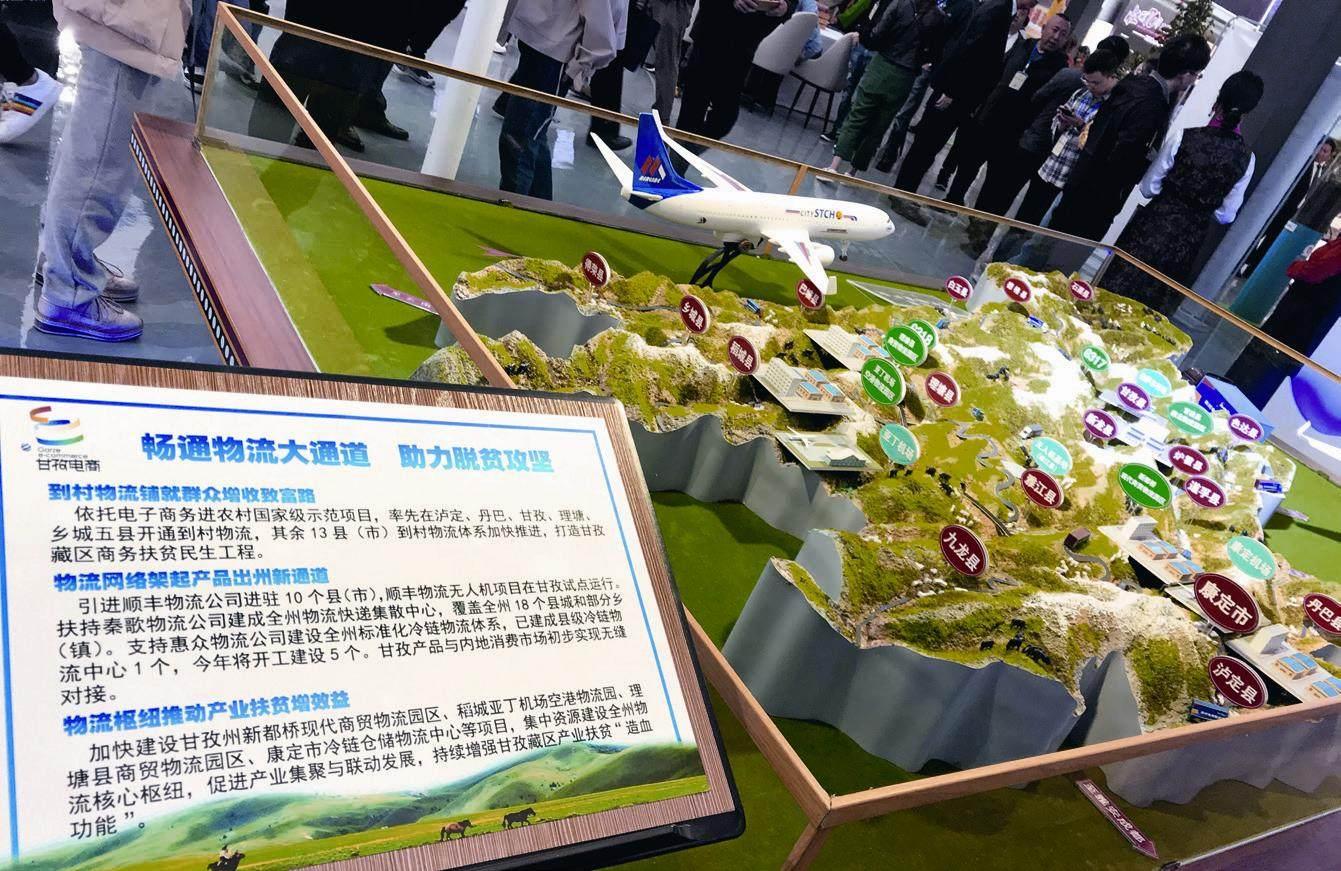
On November 23, 2020, Guizhou Province announced that its last nine poverty-stricken counties had officially been lifted out of poverty, signaling that all the 832 counties across the country have now been removed from Chinas poverty list.
China has accomplished its poverty alleviation targets for the new era after eight years of continuous effort. All the impoverished people in rural areas have now been lifted out of poverty according to the current standards. As all the poverty-stricken counties have been removed from the poverty list, both absolute poverty and regional poverty have been eliminated. This means that approximately 100 million people have emerged from poverty, which is a prominent contribution to the alleviation of world poverty.
Chinas great achievements in poverty alleviation have special significance in this unconventional year.“The creation of poverty takes a long time, and the elimination of poverty cannot be completed in one day.” Poverty alleviation requires extreme hard work, which is not helped by the fact that such difficulties have been compounded by the COVID-19 pandemic. President Xi Jinping said, during a symposium on securing this decisive victory over poverty alleviation, that“it was the CPC Central Committees promise to the Chinese people that by all poverty in rural areas would be eliminated by the end of 2020. Such promises must be fulfilled without any concessions or flexibility”.
Chinas road to poverty alleviation has won recognition
The Philippine Daily Inquirer reports that despite the negative impact caused by the COVID-19 pandemic, Chinas forest tourism seen steady recovery. In recent years, China has been encouraging the development of eco-friendly tourism and has also offered strong policy support for this. The forest tourism has helped lift many people in the hinterland out of poverty. In 2018, many of Chinas 1.475 million impoverished people with a registration record increased their personal income through forest tourism. The income for each household increased by RMB 5,500 on average.
In practice, China raised and implemented the strategy of precise poverty alleviation and formed a road to poverty alleviation with Chinese characteristics. UN Secretary-General António Guterres said that precise poverty alleviation is the only way to help the most impoverished people and achieve the 2030 sustainable development targets which have been set.
Former World Bank President Robert Zoellick said that it is unquestionable that this is a great leap in the history of world poverty reduction. Chinas efforts have greatly facilitated the achievement of the world poverty reduction target related to the millennium development goals.
China has taken multiple measures to alleviate poverty, such as planning economic construction, building a solid industrial basis, promoting infrastructural connectivity, increasing input in education, medical services and employment, and improving the social security system. James Lynch, director-general of the East Asia Regional Department of the Asian Development Bank, said that China has been developing economically at a past pace over the past few years and has worked out effective poverty alleviation policies. It has mobilized all strata of society to engage in poverty alleviation and has become a source of knowledge for other developing countries in many areas, especially in terms of its effective and innovative practices in poverty reduction.
“If you want to get rich, build roads first;” “if you want to help people get rich, make them confident and smart at first;” “pilot trials before wide promotion.” Chinas experiences and knowledge have won recognition by many people from other countries.
Jordans Ad-Dustour reports that China has eliminated the poverty of its entire rural population under existing standards, which was a largescale and significant project related to the benefits of grass-root farmers.
Mushahid Hussain Sayed, chairman of the Senate Committee on Foreign Affairs of the Senate of Pakistan, said that Pakistan can borrow three key messages from Chinas experiences of poverty alleviation: first is the focus on agricultural development; second is the promotion of vocational training, in order to allow more people to learn skills and get a job; and third is to empower women, so that women can become an important part of social productivity.
Sharing knowledge with other countries
Chinas success in achieving poverty alleviation targets has made international society realize the significance of Chinas poverty-fighting experiences for the world. Victoria Kwakwa, the World Banks Vice President for the East Asia and Pacific Region, said that Chinas knowledge of fighting poverty has become invaluable for the rest of the world. In terms of achieving the poverty reduction targets set by the UN by 2030, the world countries have different performances. This is why the World Bank will cooperate with countries like China, in order to enhance its knowledge and capabilities and offer development experiences to other countries.
The Belt and Road Initiative has made tangible contributions to the reduction of world poverty. According to a report by the World Bank, the Belt and Road Initiative is estimated to have lifted 7.6 million people out of extreme poverty and 32 million people out of medium-level poverty.
Russian Newspaper published an article detailing Chinas involvement in many poverty-reduction projects in many developing countries. China has organized training and exercised technology-aided demonstration projects in developing countries such as Laos and Cambodia, in order to pass on its experiences about poverty alleviation through shared practices.
The China-Cambodia Poverty-Reduction Demonstration Project was organized under the framework of a poverty reduction technology-aided demonstration project for East Asia. This project framework covers six poverty-stricken villages in Cambodia, Laos and Myanmar. Hengzhentian, Deputy Director of the Rural Economic Development Department of the Rural Development Ministry of Cambodia, said that Chinas experts came armed with the technology and experience to alleviate poverty. More importantly, they brought the concept of “labor creating wealth” to the people of Cambodia.
Nalintun, Director of the Laos office of the China-Laos Poverty-Reduction Cooperation Demonstration Project, said that the project will improve local peoples skills, raise incomes and achieve sustainable development through the establishment of strong production management mechanisms. The residents of Bansuo Village have a fresh mental attitude which has allowed local development to enter a new phase.
Officials from Thailands Khon Kaen Province worked out a plan for poverty reduction in local regions after an on-site visit and learning in China. The plan includes sending staff to villages, working in pairs, to seek solutions; as such, Khon Kean Province selected and sent more than 700 government officials to villages for poverty reduction work. These officials regard the impoverished households as their own families, and offer precise aid solutions after undertaking thorough research. After one year of poverty reduction work, approximately 79% of Khon Kaen Provinces 1,174 deeply impoverished households have shaken off the shackles of poverty. Khon Kaen Provincial Governor Somsak proudly said that the paired assistance model for poverty reduction has been recognized by the Thai government. It will be promoted across the whole country after it has proved fully successful.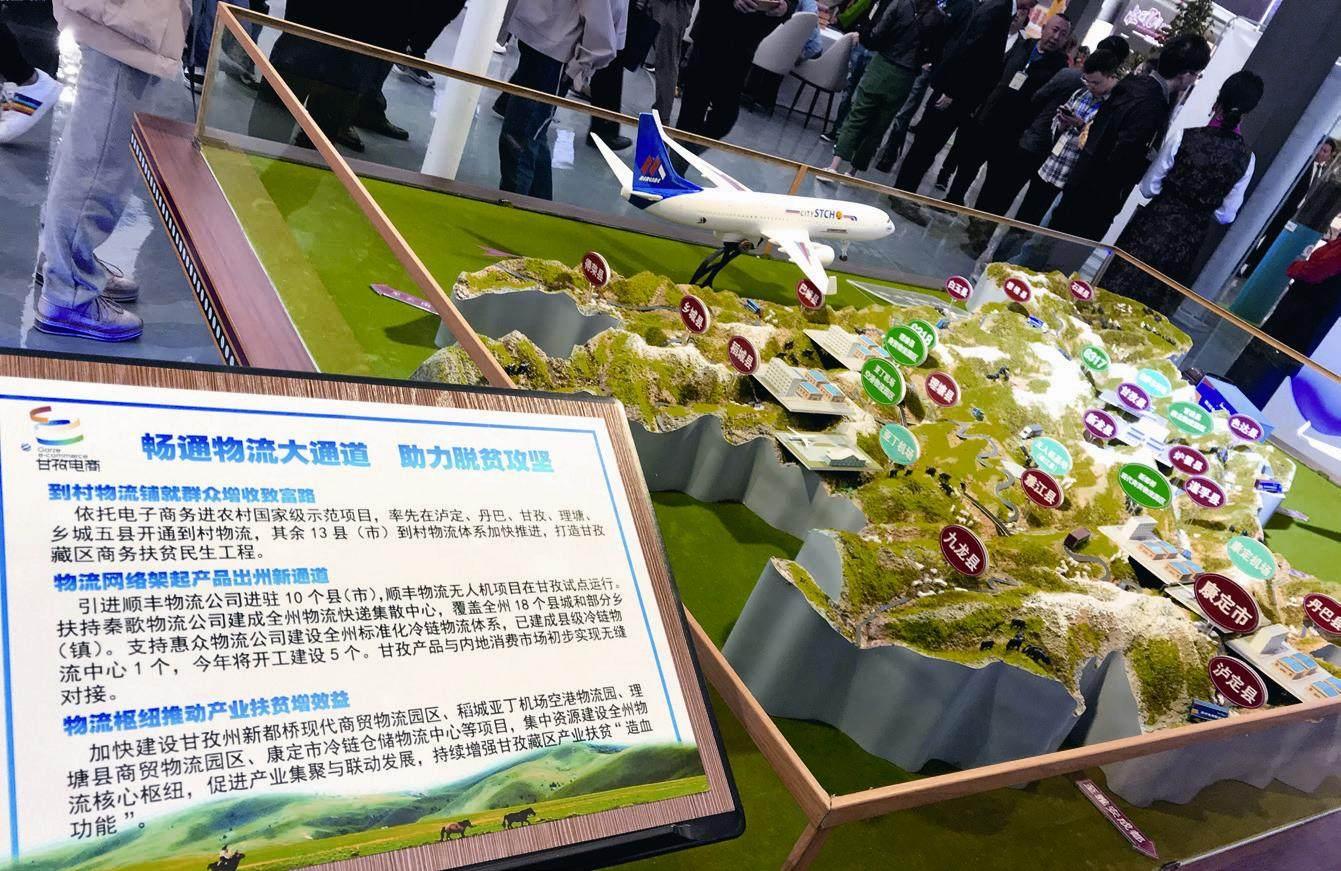
Nasser Bushiba, President of the Morocco Africa-China Cooperation and Development Association, has visited China many times and has collected data on many cases of poverty alleviation. According to the saying,“If you want to get rich, build roads first.” New roads facilitate rural peoples travel and the sale of agricultural products; some large-scaled supermarkets have provided sales channels for the fruits, vegetables and meat products of impoverished regions; this philosophy was used to combine the tourism industry with the distinct agricultural industry to make villagers of Conghua, Guangdong get rich. Nasser said that Chinas success and experiences in fighting poverty have great value of reference for many less-developed countries in the world.
Network-based poverty alleviation achieves big accomplishments
On its website, Switzerlands New Zurich Newspaper published a deep survey report entitled China Shakes Off Poverty Through Livestreaming, which detailed how going online has triggered a change in consumption habits and has brought about tremendous opportunities for Chinas rural regions. The report mentioned that in recent years, livestreaming has become widely popular in China, and this has helped people living in impoverished regions to open up new sales markets through livestreaming promotions: “Going online has produced a new perspective on development for Chinas rural regions.”
The recent China Network Development Statistics Report released by CNNIC shows that telecommunications have become an important method for alleviating poverty during the 13th Five-Year Plan period. Telecommunications also facilitate precise poverty alleviation and ensure the accomplishment of poverty alleviation targets by helping more impoverished people get access to external information, opening up new sales channel for agricultural products, and offering good education to young people in the hinterland.
It is also important to enhance policy guidance and leverage the power of telecommunications in poverty alleviation. Since the start of the 13th Five-Year Plan period, the Office of the Central Cyberspace Affairs Commission has been working with the National Development and Reform Commission and the State Council Leading Group Office of Poverty Alleviation and Development to make and implement the Action Plan on Poverty Alleviation Through Telecommunications, and has published the working points for poverty alleviation through telecommunications for a fourth consecutive year since 2017. This requires coordination between various departments and cooperation between higher government and at the grass-root level, in order to promote the poverty alleviation through telecommunications to a higher level and achieve tangible effects.
This also requires wide network coverage in rural villages. By the end of 2020, the Telecom Universal Service Pilot Program had enabled more than 130 thousand villages to gain access to network and had constructed tens of thousands of 4G base stations. Approximately one third of these 4G base stations are located in impoverished villages. The percentage of access to fiberoptic internet among impoverished villages has risen from less than 70% at the start of the 13th Five-Year Plan period to 98%; the percentage of access to broadband among deeply impoverished villages rose from 25% to 98%, reaching the target of 90% or above required by the 13th Five-Year Plan guidelines.
The rapidly-growing e-commerce in rural regions stimulates the consumption market. By the end of 2020, e-commerce has reached a total of 832 impoverished counties. The total sales achieved through rural telecommunications has increased from RMB 180 billion in 2014 to RMB 1.79 trillion. “Livestreaming + e-commerce” and other new industry models have also boomed. Telecommunications have also extended new business models to rural regions. The mobile phone has made livestreaming the focus of new agricultural activity, bringing convenience to consumers and also facilitating the selling of premium agricultural products.
Digital villages are being built and public services are being improved. The level of digitization of education, medical services and other public services in rural villages has been rising. The poverty alleviation information system has now been basically established. Monitoring and assistance services for people returning to poverty or newly becoming impoverished have been improved by way of information technology. Long-distance medical services now cover all the hospitals in the impoverished counties nationwide. Basic financial services now cover 99.2% of all the administrative villages in China.
Netizens have a strong enthusiasm for engagement. As poverty alleviation through telecommunications continues to develop, netizens have a better knowledge of and deeper engagement with telecommunication-based poverty alleviation. By December 2020, approximately 53.9% of netizens saw the “promotion of agricultural products from poverty-stricken areas” on the internet, up by 5.9 percentage points from March 2020. Approximately 75.2% of netizens acknowledge that the e-commerce can facilitate the sale of agricultural products for impoverished people.

- China’s foreign Trade的其它文章
- The Ongoing Year Will Be Much Better than 2020 in All Senses
- Making Digital Platforms Work for Asia and the Pacific
- Chinese High-Net-worth Individuals Have the Highest Confidence in the Future Economy of China
- Modern Tea Becomes Popular in the Capital Market
- China’s Consumption Market on the Road to Recovery
- China Enhances Financial Support for Major Foreign-Funded Enterprises