夢回宋朝
2021-01-09 11:41:38馬璠
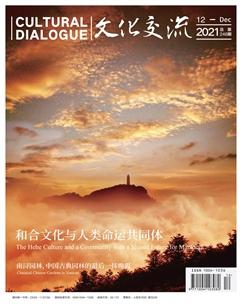
文化交流 2021年12期
關鍵詞:歷史
馬璠
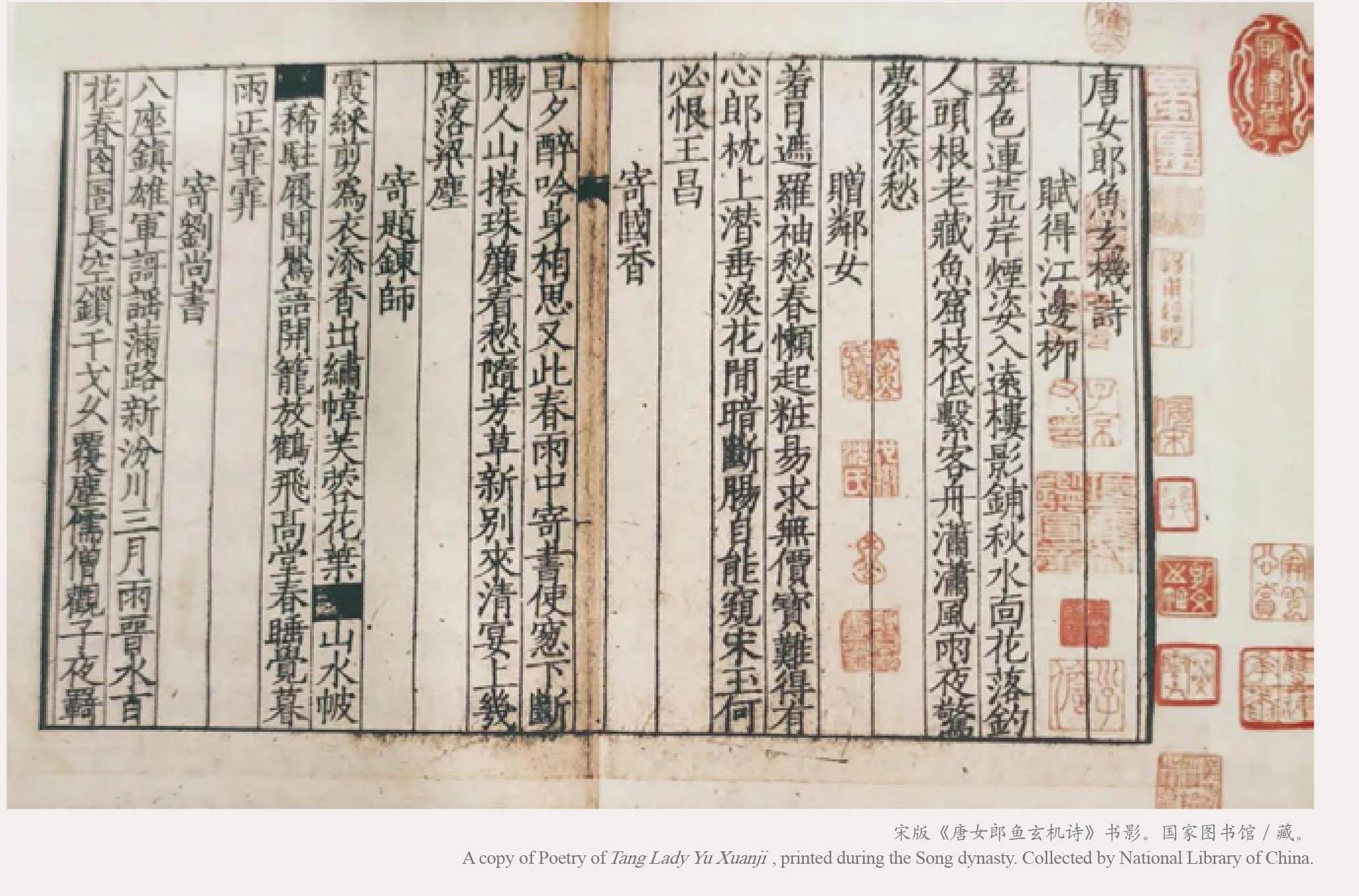
唐朝和宋朝往往并稱“唐宋”,這兩個朝代毫無爭議是中國封建社會發展的頂峰,樹立了中國傳統政治、經濟和文化的標桿,令后世景仰艷羨不已。但具體地講,人們對這兩個朝代的印象是大不相同的。唐朝自不必說,國人長久以來都有“夢回大唐”的情結,總想再次感受文化鼎盛、開放自信、萬邦來朝的盛唐氣度。
但對于宋朝,人們的看法卻有些復雜。宋代經濟文化發達不假,但大家總覺得這個朝代不像唐朝那么強盛、雍容、大氣。這不奇怪,宋朝國祚雖延續三百一十九年,但多數時候對遼、金、西夏忍氣吞聲,中間還被生生“腰斬”,徽、欽二帝被金人擄走,客死他鄉;宋室被迫南渡之后,不思復土中原,卻把“杭州作汴州”,偏安一隅。中國歷史上這種“兩截”朝代的后一截給人的感覺往往是乏善可陳、日薄西山,進而影響了整個王朝的形象。
老百姓都知道,南宋有大奸臣秦檜構陷岳飛,令人扼腕嘆息。北宋也好不到哪里去,開國沒多久不就有潘仁美陷害楊家將嗎?到了北宋末年,不是還有高俅等奸臣官逼民反逼出了水泊梁山一百單八將嗎?更不用提“北宋六賊”這種扎堆出現的奸臣。仿佛有宋一代,對外滿是畏縮忍讓、納貢求和、茍且偏安,對內盤剝民力、朋黨傾軋、民怨沸騰……
趙宋歷史果真如此不堪嗎?
這恐怕是因為我們對宋朝歷史的認識和解讀多數來源于評書、戲曲、小說、電視劇,而不是《宋史》《宋會要》等歷史典籍。我們都習慣于看熱鬧的故事,以至于把演義當成真正的歷史。看故事的我們能一口氣說出好多宋代的文臣武將、才子佳人的名字,不論有些人物是否真實存在過。然而故事里的宋朝皇帝們的形象卻很模糊,我們好像對宋朝的皇帝認識得不多,除了知道“稍遜風騷”的宋太祖叫趙匡胤之外,我們還能立即說出一兩個其他皇帝的名字嗎?
演義故事極大地掩蓋了宋朝的真實形象,特別是趙宋皇室的真實形象。
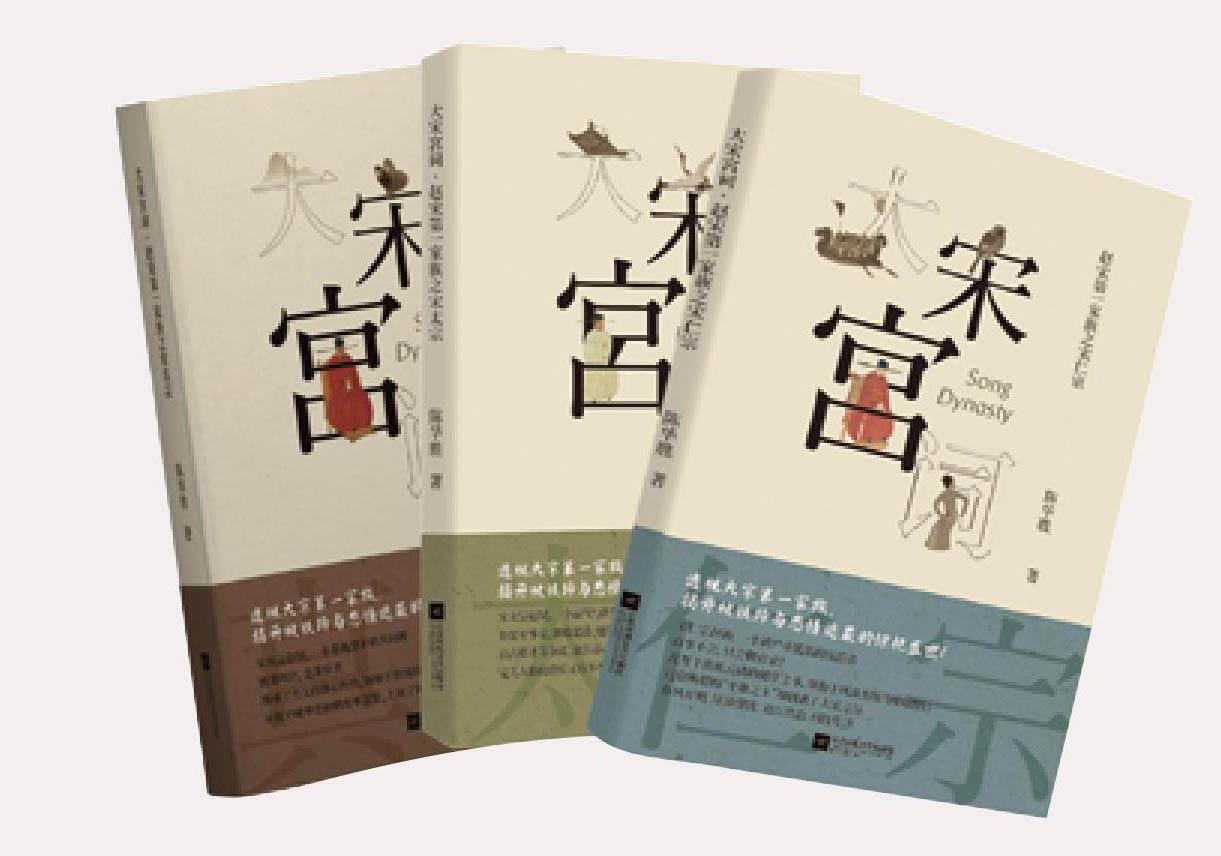
好在陳華勝的新著《大宋宮詞 · 趙宋第一家族》系列為我們還原了一千年前趙宋皇室面臨的內憂外患,揭秘了帝王家的愛恨情仇。讀完書,深感酣暢淋漓,好久沒有這樣不忍釋卷地讀新書了。
這部叢書目前暫時出了三本,分別講述了宋太宗、宋真宗和宋仁宗三位皇帝的鮮活故事,勾勒了大宋王朝前一百年風云變幻的歷史輪廓。讀罷便可知道,宋朝開頭的這幾位皇帝雖不及秦皇漢武的雄才大略,可也絕不是演義故事里的昏庸無能之輩。
我們先粗略地回顧一下這三位皇帝的“關鍵詞”。
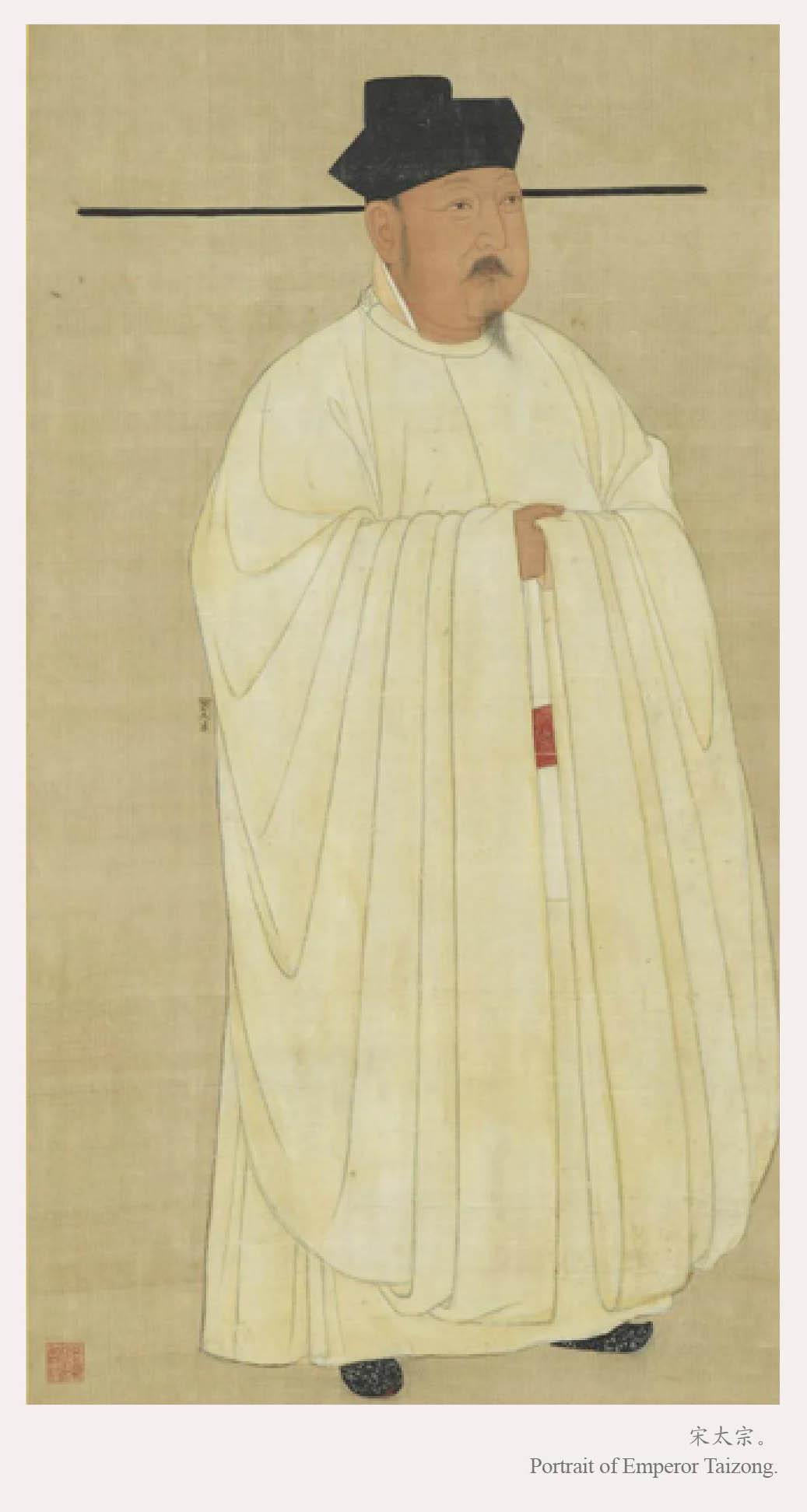
宋太宗:“燭影斧聲”“雍熙北伐”
宋太宗趙光義的關鍵詞是“燭影斧聲”和“雍熙北伐”。和唐太宗明刀明槍殺兄上位不同,趙光義的篡位是一場偷偷摸摸的謀殺,只留下了一宗謎案。
不過趙光義上位之后,倒是一心想做唐太宗那樣的圣主明君,降伏了剩余的割據政權之后,還想收復燕云十六州。結果大家都知道,雍熙北伐失敗,趙光義腿部中箭,倉皇回撤。不過,打不過遼國倒不能完全歸咎于趙光義“不知兵”,他哥哥在兵變立國之后,立即“杯酒釋兵權”,從根本上變革了帝國的軍事制度,使“將不識兵,兵不識將”,目的是避免武將們也把黃袍披到自己身上。
簡單地說,當時宋朝的戰爭機器不如遼國的好用。
宋真宗:“澶淵之盟”“天書封祀”
宋真宗趙恒的關鍵詞是“澶淵之盟”和“天書封祀”。即位之初,趙恒勤政治國,開創了“咸平之治”。后來面對遼敵犯邊,本來對邊事挺謹慎的他,架不住人忽悠,于是熱血上頭,決定御駕親征。然而,除非是李世民那樣貨真價實的軍事家皇帝出征,否則御駕親征的象征意義一定大于實際意義。趙恒雖說喜歡排兵布陣,但他不是伯父趙匡胤那樣的武將出身,而是和平環境里成長起來的守成之君,出征的結果不難預料。
不過,趙恒的腦子不是一根筋,打不過可以談。用可以負擔的歲幣換取和平,雖不得已,但也不失為務實之舉。何況這段和平維持了一百一十九年之久,對大宋的繁榮至關重要。雙方其實都不想打仗,“澶淵之盟”的訂立不僅避免了生靈涂炭,也節約了巨額的軍費開銷。雙方還在邊境互市,宋朝對遼國一直保持貿易順差,歲幣的錢也就賺回來了。軍事斗爭是人類斗爭的最高形式,但根源都能歸結到最底層的經濟因素,能用適合的經濟手段解決政治爭端而不訴諸武力,是政治家的智慧。這當然是后人從大的歷史發展格局上評價“澶淵之盟”的,但在當時這被很多人說成是喪權辱國的“城下之盟”。
和平的環境促進了經濟的繁榮,趙恒一方面有點飄飄然,另一方面也想從“澶淵之盟”的陰影中走出來,心想著做些什么以挽回顏面,但他選擇的是自欺欺人的封建迷信活動——天書封祀。他自導自演了天書降臨的祥瑞,并以此為依據舉行了封禪大典,“一國君臣如病狂然”。這樣做的后果當然是勞民傷財,也砸了“封禪”這個中國古代最高級別祭禮的品牌,后世帝王再不屑于此。
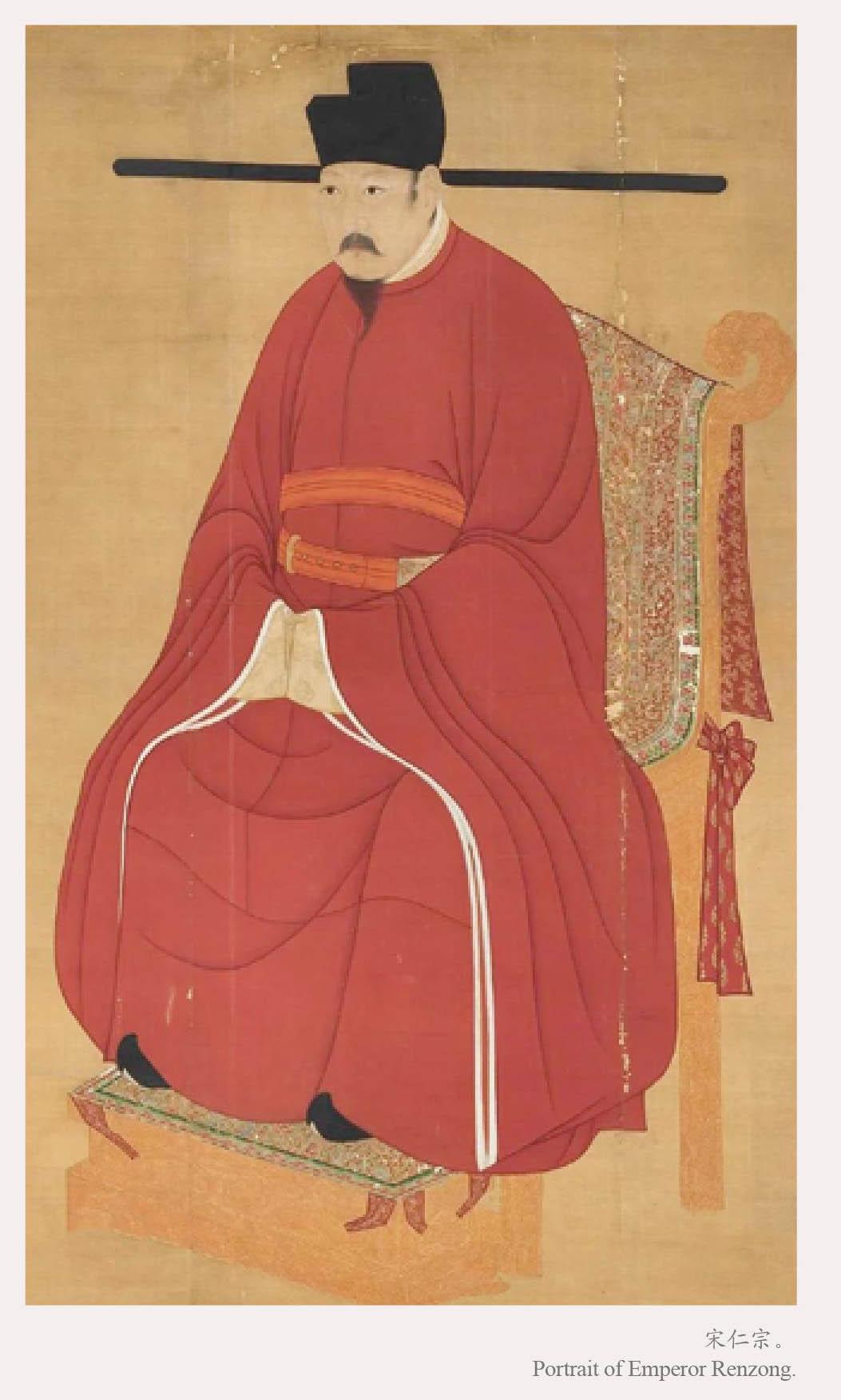
宋仁宗:“仁宗”
宋仁宗趙禎的關鍵詞就是他的廟號“仁宗”。他是歷史上第一位“仁宗”,獲得了儒家價值觀的最高贊譽,可見當時士大夫對他的喜愛。他在即位之初還是由太后劉娥垂簾聽政的時候,就把政治斗爭的殘酷看得清清楚楚,把朋黨之爭對社稷的危害想得明明白白,所以仁宗一朝始終在防范廟堂之上形成尾大不掉的利益集團。
但仁宗對士大夫是寬容的,他遵從了太祖“不殺士人”的祖訓,對大臣的處理以組織調整居多,而不搞肉體消滅。言官諫官可以放心上書言事,不必擔心有性命之憂。蘇轍在試卷中指責皇帝怠政,仁宗卻依然點了他的卷子;蜀中有不得志的老秀才寫反詩,仁宗看了反而給了老頭兒一個官做;幾個后宮佳麗想要升遷加俸,仁宗寫了手諭,結果外廷說不能執行——圣旨居然都不好使了。以封建社會的標準來講,這些故事實在是令人難以置信。
趙禎做了四十二年皇帝,宋人對他的評價是“百事不會,只會做官家”。只會當皇帝,這何嘗不是對一個帝王的最高贊譽?
三位皇帝共同的關鍵詞:文治
這三位皇帝共同的關鍵詞又是什么呢?應該是“文治”。重文抑武是宋朝開國者定下的國策,這一國策被后世幾個皇帝忠實繼承下來。盡管北宋初年因為統一江山的需要,還南征北戰幾十年,但自“澶淵之盟”之后,總體上的和平成為那個時代的主流,百姓盼望已久的太平日子終于降臨了。我們回望那個時代,會發現那幾乎是中國古代社會里讀書人日子最好過的時代。朝廷廢除了科舉的許多限制條件,擴大錄取規模,更多的平民子弟可以通過科舉正途實現階級躍遷。文人士大夫在相對寬松的政治氛圍中創造了令后世難以企及的文化成就。
與“文治”相伴的,是貴族門閥的衰落,以及平民化時代的到來。在太平的年代,只要不折騰,社會經濟肯定會迅速發展的,隨之而來的是各種創造層出不窮。最值得一提的是宋代印刷術的全面成熟,這是文字資料廉價化、平民化的物質基礎。如果沒有廉價圖書的刊行,恐怕也沒那么多平民子弟買得起書、讀得起書,也就不會有大規模的平民入仕。宋代不光印書,還印報紙、布告、傳單、紙幣……儼然一個“現代”社會。
在封建時代,這樣的社會的出現在很大程度上得歸功于趙宋皇帝們的“不折騰”。
中外史學界對宋朝的看法是大有出入的。比如錢穆說:“宋室內部之積貧難療,宋代對外之積弱不振,始終擺脫不掉貧弱的命運。”而法國學者謝和耐卻說:“十三世紀的中國其現代化程度是令人吃驚的……在人民日常生活方面,藝術、娛樂、制度、工藝技術等方面,中國是當時世界上首屈一指的國家。”十三世紀已經是南宋末年了,居然還得到如此高的評價。通過走近真實的歷史,大家會更加了解到,我們雖然在近代有過貧弱,但我們祖上真實地“闊過”,那種“闊”不是暴發戶式的,而是貴族式的。
這個貴族就叫“中華民族”。
《大宋宮詞 · 趙宋第一家族》正是意欲為我們解讀宋朝的真實歷史。相信這部書為我們講述的趙宋皇室的故事不會止步于前期這幾位帝王,期待后面的帝王也能在陳華勝沉穩大氣而又機智幽默的語言中和我們見面。
(作者系科普作家、歷史愛好者)
A Journey Back to the Song Dynasty
By? Ma Fan
Often referred to in combination as “Tang Song”, the Tang (618-907) and Song (960-1279) dynasties were the undisputed Golden Ages in ancient Chinese history. They set the standards for China’s traditional politics, economy and culture, and have been admired and envied by later generations. However, the perceptions of the Chinese public on the two dynasties are markedly different.
Most, if not all, speak of dreaming to return to Tang dynasty, to have a taste of the cosmopolitan, the open and the magnificent empire. But their attitude, when it comes to the Song dynasty, is quite ambivalent. It is true that the Song dynasty was economically and culturally developed, but in the public minds, it was still not as powerful and majestic as the Tang. It is true that the Song dynasty lasted for 319 years, even 20 years longer than the Tang dynasty, but most of the time, it had to tolerate the humiliations and insults from the Liao (907-1125), the Jin (1115-1234) and the Wester Xia (1038-1227). Not to mention the fact that Emperor Huizong (1082-1135) and Emperor Qinzong (1100-1161) were captured by the Jin troops and died in captivity.
After the imperial court was forced to move to the south, no serious attempt was made reclaim the lost land. Instead, Hangzhou was chosen as the new capital for the newly established Southern Song (1127-1279). Throughout Chinese history, when a dynasty was “cut in two halves”, it is often regarded as weak.
The average people all know the infamous traitor Qin Hui (1090-1155) who framed and persecute the patriotic general Yue Fei (1103-1142); the notorious Pan Renmen, a fictional character based on Pan Mei (925-991), who caused the death of the brave generals of the Yang family; and Gao Qiu (?-1126), the villain-in-chief in Outlaws of the Marsh …
But was the Song dynasty really that disappointing?
The reason for such a biased perception is most probably down to the fact that people’s knowledge about the Song dynasty largely comes from plays, novels, TV dramas, rather than from the more serious sources such as the History of Song. People all love fictionalized stories and indeed tend to treat them as facts. It won’t be a surprise that many wouldn’t be able to name any Song emperors, except perhaps its founding emperor Zhao Kuangyin (927-976).
“The Emperors of the Song Dynasty” series by Chen Huasheng comes in very handy. It has vividly presented the true stories of the Song emperors, and, in the process, taken the reader on a journey back to the Song dynasty. Currently in its third installment, the series has so far focused on three emperors, Emperor Taizong (939-997), Emperor Zhenzong (968-1022) and Emperor Renzong (1010-1063), the second to the fourth emperor of the dynasty.
Now a recap of the three emperors’ history through some “keywords”.
For Zhao Guangyi, Emperor Taizong, the keywords were “sound of axe in dim candlelight” and “Yongxi Northern Campaign. Unlike his Tang counterpart, who killed his brother in broad daylight, Zhao Guangyi is said to have murdered Zhao Kuangyin surreptitiously before ascending the throne. Once on the throne, Taizong worked hard and strived to be “an enlightened ruler”. He attempted to take back the Sixteen Prefectures of Yan and Yun during the third year of the Yongxi era of his reign (hence Yongxi Northern Campaign). It not only failed, Taizong himself was shot in the leg by an arrow. But in all fairness to him, it wasn’t Taizong’s incompetence; the Song military power had been severely weakened when his brother Taizu founded the Song dynasty.
For Zhao Heng, Emperor Zhenzong, the keywords are “Chanyuan Treaty” and “Heavenly Texts”. Zhao Heng was diligent once his reign started, and a series of policies helped the economy prosper and the political system further stabilized. On the other hand, faced with invasion from the Liao on the north, he decided to lead the military personally. When the two sides fought to a standstill and no one seemed to score any decisive victories, they worked out a treaty and signed it at Chanyuan, the first large city across from the Yellow River. For the next 119 years, the Song paid annual tribute of silk and silk in exchange for peace, which undoubtedly contributed to Song’s rapid development. Indeed, neither side wanted war, and the treaty helped Song save on hefty military expenses. Moreover, Song’s trade surpluses with the Liao would soon earn back its tribute. Nevertheless, the treaty was met with strong opposition back in the Song territory and considered a big humiliation. To save him from criticisms, coupled with economic prosperity, Zhao Heng later resorted to such a ruse as the discovery of the so-called Heavenly Texts and conducted sacrificial ceremonies to glory him and the Zhao family, a costly and unrewarding exercise in the end.
For Zhao Zhen, Emperor Renzong, the keyword was “Renzong”, or “Benevolent Ancestor”, his posthumous title. He was the first “Renzong” in Chinese history, the highest honor Confucianism could bestow upon a ruler, which showed how much he was loved by scholar-officials then. From the very beginning, Zhao Zhen clearly discerned the harm factionalism could bring to his court and the country at large. Therefore, one of his primary goals was to prevent the formation of any big interest groups. However, he didn’t turn to brutal force to achieve it; Zhao Zhen was magnanimous with scholar-officials, for he never ordered any killed even when they spoke out against him or his policies. Indeed, some were promoted because their criticisms. “[He] could do nothing except for being an emperor”. Zhao Zhen was thus summed up by the Song people. Isn’t it the highest compliment an emperor could receive?
What did the three emperors have in common? It was “rule by civil means (as opposed to force)”, which was the national policy laid out by the founding emperor and had been faithfully observed throughout the Song dynasty. Indeed, after the “Chanyuan Treaty”, the Song people had enjoyed peace for a very long time. Social development and economic boom followed, with an increasing number of innovations such as printing and paper currency. It was the best time for Chinese scholars, as myriad of limitations on taking the imperial examinations were abolished and more commoners were allowed, further spurred by the popularization of printing.
Historians differ in their views when it comes to the Song dynasty. To the Chinese historian Qian Mu (1895-1990), “The Song dynasty was internally afflicted with entrenched problems, and externally weak, and it was never able to shake off the destiny of being a feeble empire.” But for the French sinologist Jacques Gernet (1921-2018), “Thirteenth-century China is striking for its modernism … In the spheres of social life, art, amusements, institutions and technology, China was incontestably the most advanced country of the time.” Perhaps what we, the general Chinese public, need now is to examine history as it is, use it to strengthen the national character and work tirelessly towards national rejuvenation.
猜你喜歡
小天使·一年級語數英綜合(2022年2期)2022-03-30 11:38:17
環球時報(2022-03-16)2022-03-16 12:17:18
作文大王·笑話大王(2019年8期)2019-09-09 07:34:21
全體育(2016年4期)2016-11-02 18:57:28
小天使·四年級語數英綜合(2016年9期)2016-10-09 22:40:45
科普童話·百科探秘(2015年6期)2015-10-13 07:21:18
科普童話·百科探秘(2015年9期)2015-09-22 07:36:52
科普童話·百科探秘(2015年8期)2015-08-14 07:13:06
科普童話·百科探秘(2015年7期)2015-07-25 07:42:53
科普童話·百科探秘(2015年5期)2015-05-26 07:28:14