
秘境之眼
2020-09-26 11:34:52周華誠
文化交流 2020年9期
周華誠
我希望上山,看看那些紅外相機。我想起塔可夫斯基在《時光中的時光》里的一句話:“一個人必須獨處,貼近自然,貼近動物和植物,與之相觸相通。”一個人只有在獨處時,才更貼近自己的內心;而貼近自然,貼近動植物,其實也正是發現自我、尋找自我的過程。在這一點上,塔可夫斯基說得很有道理。
那些叢林里的相機,對于動物們來說意味著什么?陪伴,抑或是危險?紅外相機一只只掛在原始森林的樹干上,它們成為秘境之眼,不動聲色地觀察著萬物生靈。對于人類來說,幸虧有這么一種高級設備,否則對于叢林深處的秘密,一定無法更好地了解。相機掛在樹上,如果有動物們經過就被自動激活,記錄下鏡頭前的一切。
我聽說有一個非常有意思的攝影比賽——中國自然保護區紅外相機攝影比賽。我覺得有意思之處在于,這樣的攝影作品,被攝模特是動物,攝影師也應當是它們自己,是它們輕輕走過鏡頭,搔首弄姿或是氣宇軒昂,將生命中最精彩的一瞬展現出來,才誕生了那樣的照片。如果鏡頭是一面鏡子,動物們應當知道,當它在看鏡頭時,鏡頭也在看它,這是一種雙向的注視。
從古田山出來,我徑自去了縣城,想要找到紅外相機數據中心,看一看相機鏡頭里的故事。
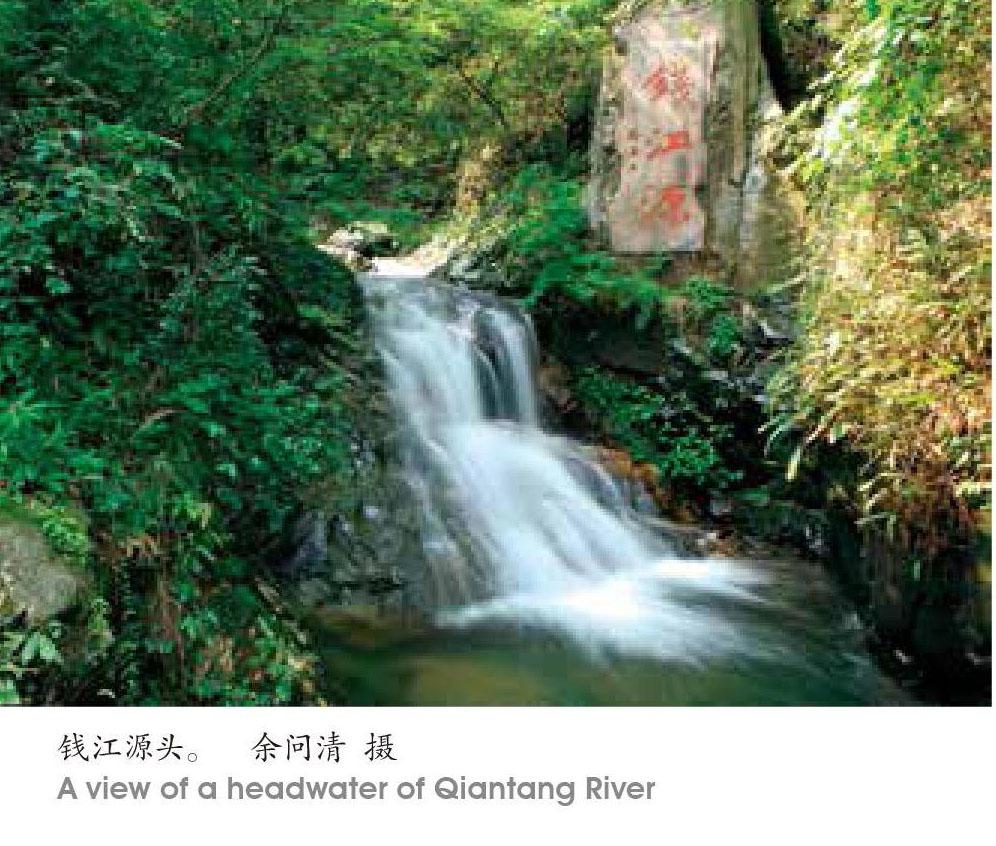
這些年的開化小城,越來越像一個“秘境”,這是我心理上的直覺,也并非夸張——這里的自然保護區,許多年來擁有其獨特的神秘氣息;在漫長的自然保護的基礎上,后來成為“錢江源國家公園”。
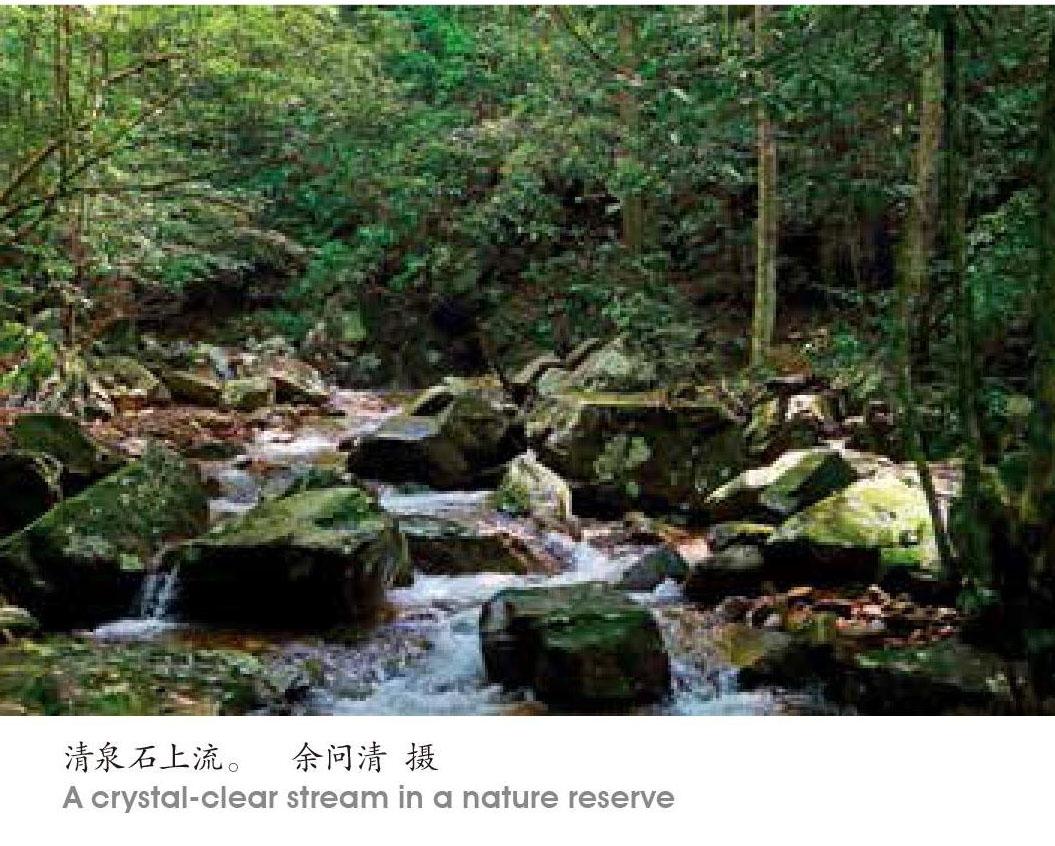
要知道,這是長三角經濟發達地區唯一的試點區。其面積也足夠廣闊,幾百平方公里的區域,大片原始低海拔中亞熱帶常綠闊葉林,各種動植物資源,具有全球意義的科研價值和保護價值,是一座生物的基因庫。
2004年12月開始,中科院植物研究所開始在古田山國家級自然保護區建設大樣地,正式與古田山合作開展科研工作。也就是從那時候起,很多“科研農民”加入了隊伍,協助科學家做很多工作。其中在森林深處,按照科學家的部署,安裝紅外相機,及時更換電池并取回數據卡片,就是其中非常重要的任務——按照工作要求,在全域布設269個紅外相機,實現生物多樣性綜合監測和網格化管理。
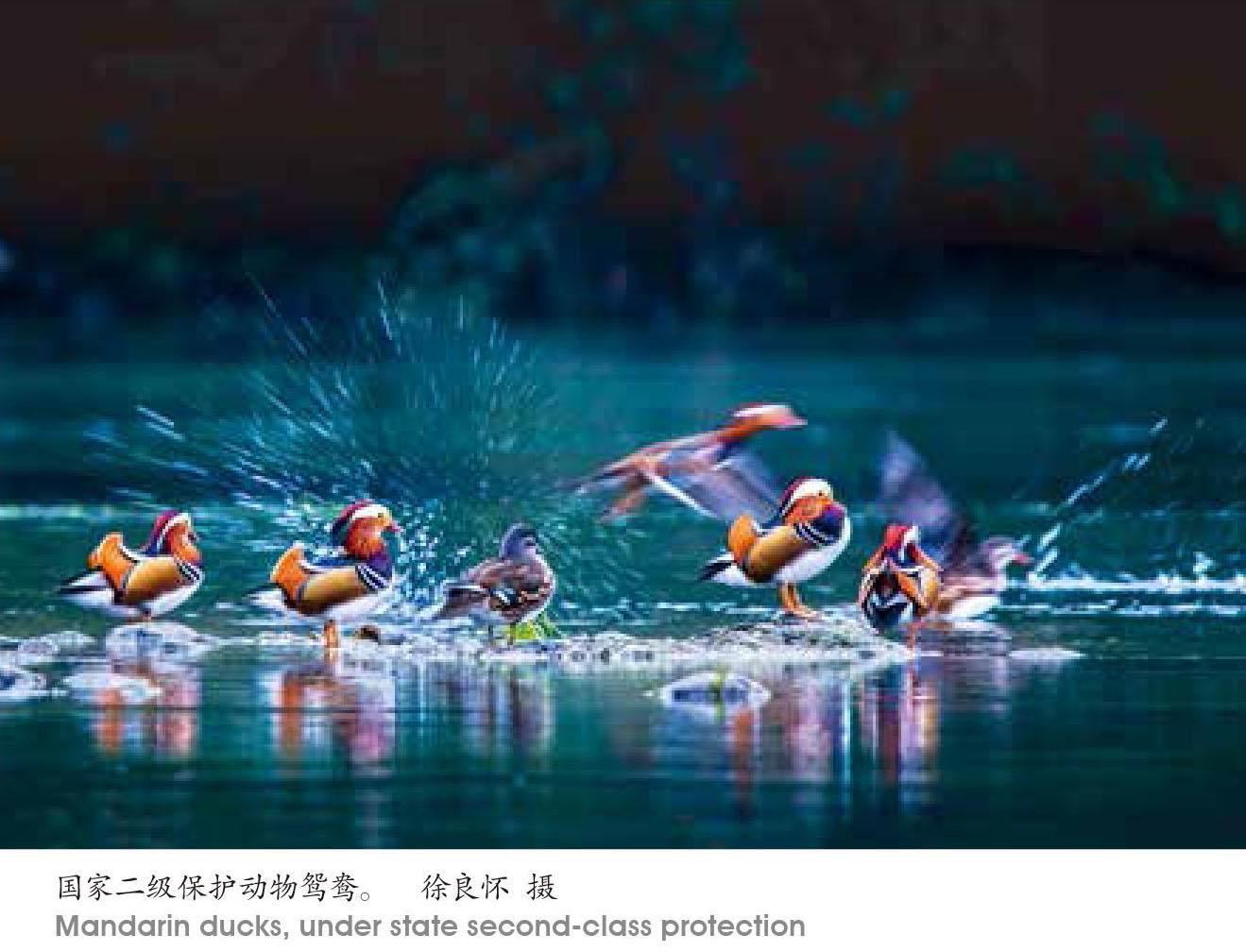
那些秘境深處的“眼睛”,日夜不停,拍到了數以百萬計的圖片與視頻。其中,就有我國特有的世界珍稀瀕危物種、國家一級重點保護野生動物白頸長尾雉、黑麂,國家二級重點保護動物白鷴、黑熊、小靈貓等珍稀保護動物的珍貴鏡頭。
“有一種喜悅離人群最遠,離星空最近”,我很認同這樣一句話。有時候人群是危險的。我估計持此種意見的人為數不少。當然,叢林也是充滿危險的,甚至可以說是危機四伏。看看《動物世界》就知道,那是一個信奉弱肉強食的叢林法則的地方。如果把你丟到原始森林里去,你能活到第幾集?對于這樣的問題,我會拒絕回答。
但是這不妨礙我窩在溫暖的沙發里,觀看這樣的紀錄片——11月,國家公園的林子里還掛著不少獼猴桃,它們在秋風中散發著成熟和略微發酵的甜蜜香氣。一頭剛成年的黑熊出現了,它毛色發亮,身形壯碩,大搖大擺地出現在鏡頭中。它先是觀望,然后試探著去摘取果實,發現夠不著,最后爬上一棵粗大的灌木,成功地摘到了獼猴桃。
中華鬣羚出現在視線中。這種棲居在森林中的獸類,“屬牛科,是亞洲東南部熱帶、亞熱帶地區的典型動物之一,主要活動于海拔1000~4400米針闊混交林、針葉林或多巖石的雜灌林”。這是網上的資料——我在看紀錄片的時候,常常會停下來,去查一些資料,這是與普通的消磨時間式的觀影不一樣的方式,就好像通過鏡頭去認識一位朋友一樣。
你看吧,這只鬣羚像一頭牛一樣咀嚼食物,但它吃得很不安心——這獨來獨往的隱秘行者,仿佛對世界時刻保持著警惕,它知道盡管叢林中自己的很多天敵猛獸已然消失多年,但它并非可以安枕無憂。這個世界,原來就不存在所謂的安全感,只有不斷奔跑,不讓自己停下來,才有最大的安全感。
再看看這一家子,這一小片開闊地帶,剛好成為它們的游樂之地。這是公猴、母猴和小猴,小猴頑皮貪玩,一開始就蹦蹦跳跳,毫無顧忌;大公猴天生具有戒心,四面觀察,很快它就發現一個類似于眼睛一樣的東西在對著它,說不定它還看見了“眼睛”后面的眼睛——它敏感地發現這是被人布設之物。它過來對著“眼睛”試探性觀察,撩手,拍打,很快發現沒有危險性,但它依然不放心,就企圖把相機拆下來。它的動作幅度越來越大,拍打使得相機鏡頭左右劇烈晃動。
但是相機依然牢牢地固定在樹干上。這是一個不具有反抗能力的物體,這也是一個逆來順受的家伙,而且一聲不吭。聰明的公猴很快發現了端倪,它已認定這東西不具有攻擊性,對于這場游樂活動也不構成任何威脅,它放心了。它坐下來,開始逗小猴玩耍。看得出來,這是一個美滿的家庭。
我看視頻看得津津有味。事實上,我知道每一次回收后的存儲卡,攜帶的數據都是海量的。那些儲存著森林秘密的小卡片,被統一歸置到信息中心,然后由專人復制到電腦中,從頭到尾一張一張耐心地觀看。
我很好奇監控調取者的心態,是獵奇還是偷窺?蝴蝶從鏡頭中飛過,蛇也從鏡頭前滑過,這些小動物基本上不會引起鏡頭的特別關注。但是那些身形巨大的野獸,只要從鏡頭視野里穿過,哪怕穿越動作迅速,停留時間短暫,也會被鏡頭捕捉下來。坐在監控屏幕前,按下播放按鈕的那位小伙伴,他夜以繼日,以“快進”或“慢放”的節奏,察看著過去幾個月叢林里發生的一切。
他必須克服很多事情,比如枯燥無聊,比如腰酸以及眼澀。但是總有一些驚喜在等著他。叢林里總有一些你意想不到的事情在發生,比如弱肉強食,比如危機四伏,比如緩慢流淌的時光,比如突如其來的一場情愛,就這樣近在咫尺,發生在鏡頭前。而你,唯有屏息凝神,看著一切在“眼皮子”底下發生。
這是一場跨越物種的交流——還有什么比這個更有趣的呢?
Infrared Cameras Capture Wonders of Nature
By Zhou Huacheng
Located in Kaihua County in western Zhejiang, Gutian Mountain was inscribed as a nature reserve in 1975 by the provincial government. In 1979, the nature reserve was officially approved by the State Council as one of the 45 nature reserves at the provincial level across the country. The reserve expanded in 1998 and was upgraded to the national status in June 2001.
Now the nature reserve is part of the Qiantang River Headwaters National Park covering an area of several hundred square kilometers. With an evergreen primitive broad-leaved forest and a relatively full range of fauna and flora, the park is the only one of its kind in the south of the economically developed Yangtze River Delta. Its scientific value cannot be overestimated.
In December 2004, the Institute of Botany under the Chinese Academy of Sciences launched a research project in partnership with the nature reserve. A number of local residents were hired to assist scientists. These local assistants helped install 269 infrared cameras in the whole nature reserve. Rural assistants are tasked to change batteries and data cards at regular intervals. An infrared camera takes snapshots when it detects something alive passes in front. The 269 cameras form a network for monitoring wildlife in the 13.68-square-kilometer Gutian Mountain and for figuring out the regional biological diversity.
Since 2004, the cameras have garnered several millions of photos and video clips. Captured in these visual images are rare birds and animals including the Elliots bar-backed pheasant, the black deer, the silver pheasant, the black bear, Capricornis milneedwardsii, and the small Indian civet. These images are precious, painting a picture of the fauna in Gutian Mountain.
All the digital images are now stored at the Infrared Camera Data Center located in the county capital of Kaihua. All the memory cards are regularly harvested from the separate locations across the nature reserve. They are sent to the center and copied into a computer system. Then a researcher at the center will review these photos and short movies one by one. Small creatures such as a butterfly or a snake are often brushed aside after a brief examination, but big creatures are examined repeatedly to make sure what they are and what they are doing because in some cases they appear and disappear from the cameras point of view suddenly. The researcher needs to fast-backward, fast-forward, and replay again and again.
Best photos and videos created out of infrared cameras in nature reserves across the country are now presented at a national competition. The first competition took place in 2018. About 2,000 snap shots and short movies from infrared cameras installed in over 200 nature reserves were presented. Some pictures are so brilliant and amazing that one just cannot imagine that they were from cameras motionless in the wild and waiting for exciting moments. These infrared cameras are like human eyes and enable people to peep into the mysterious wonders of nature.
