空氣污染下,越南經濟該何去何從?
2020-07-30 14:07:35唐南渡
中國-東盟博覽(政經版) 2020年7期
關鍵詞:污染
唐南渡
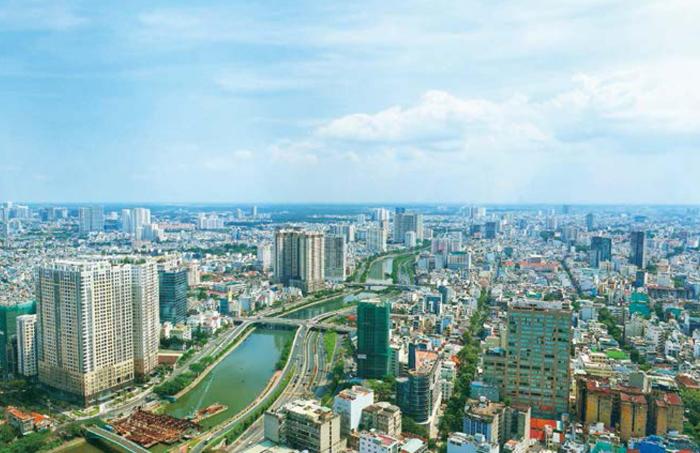
近年來,越南經濟發展突飛猛進,已經成為東南亞經濟增長速度最快的國家,但隨之而來的是日益嚴重的環境污染問題。在越南胡志明和河內甚至長期出現霧霾現象,空氣污染指數已經達到了會影響人體健康的等級,情況不容樂觀,這兩市已身處東南亞污染最嚴重城市的排行榜之列。
細顆粒物(PM2.5)是越南最令人憂心的大氣污染物。2019年,河內只有8天的PM2.5含量低于國家標準。胡志明市的空氣質量也堪憂,只有36天低于國家標準。其他時候,這些城市數以千萬的人口都暴露在嚴重污染的空氣中。
細顆粒物對人體健康危害特別大,它們可以深入肺部和心血管系統,導致中風、心臟病、肺癌、慢性阻塞性肺病和呼吸道感染等疾病。在每年冬春季節空氣污染周期中,越南呼吸道病患大量增加。
據統計,越南死亡率最高的十大疾病中,有6種與空氣污染引發的呼吸道疾病有關。平均而言,空氣質量低于世界衛生組織的標準會使預期壽命縮短1年,每年造成的損失約占GDP的5%。越南每年因空氣污染導致的醫療支出等直接費用和勞動生產率下降等間接費用造成的經濟損失約百億美元。那么,越南應如何作為才能否擺脫“先發展、后治理”的怪圈?
污染源頭何在?
造成空氣污染的原因是多樣的,交通是造成這種污染的主要原因之一。越南是繼印度、中國和印尼后,摩托車購買量最多的國家,但國內卻沒有相關的驗車排氣制度。目前,越南有360萬輛汽車和5800萬輛摩托車,主要集中在大城市。其中很多是老舊車輛,排放控制技術有限。它們造成日常交通堵塞,并排放大量空氣污染物,有許多舊公共汽車和摩托車排放的黑煙明顯可見。
同時,不合理的城市規劃加劇了越南的交通問題。市中心的高層建筑如雨后春筍般涌現,每一棟都有數千居民,給已經超載的道路基礎設施帶來巨大壓力。除了尚且可行的公交車隊外,沒有任何公共交通系統。在大城市里,空曠綠地的存在被視為一種奢侈。
另一個原因是商業和住宅建筑工地的灰塵。成千上萬的建筑工地遍布滿載沙子和水泥的卡車,造成了永久性的沙塵暴。城市內部的舊工業場地和污染空氣的設施,如煤炭發電廠、水泥和鋼鐵制造廠,使空氣污染惡化。數以萬計的城市居民使用的固體生物質炊具以及河內城郊收割后的秸稈燃燒,對空氣造成了嚴重污染,在10月至2月的旱季尤為嚴重。當今的生活垃圾管理仍然有限,固體垃圾多以填埋為主,不能保障衛生。
如何撥開霧霾見天日?
環保部門已經制定了短期解決方案,包括對新車排放標準進行更嚴格的規定,改善交通管制,對建筑工地和運輸卡車實施粉塵管理措施,加強對工業排放的監測,禁止城市使用木炭爐。雖然這些措施可能幫助解決越南部分污染問題,但并非長久之計。
第一,政府應改善和加強城市規劃將大大減少空氣污染。河內和胡志明市擁有大量的高層建筑,目前需要留出更多的開闊綠色空間。政府辦公樓、大學和醫院等人口稠密的設施可以遷移到郊區,如搬遷朗東燈泡廠等老工業區可以減少有害的空氣污染物。此外,應盡快建成公共交通系統以及開發新系統,實施綠色建筑規范和電網回購,促進節能和太陽能建筑的發展。
第二,鼓勵使用新能源汽車可以減少空氣污染。為舊車交易提供補貼,對新車實行高稅收可以鼓勵淘汰陳舊和污染嚴重的車輛。這還將有助于解決分配效應問題,因為舊車車主往往來自低收入家庭。政府還可以出臺扶持政策來推廣電動汽車,比如只允許在市中心地區使用電動汽車,并降低電動汽車制造商的所得稅,使其價格更實惠。
第三,考慮到污染者付費的原則,政府對污染物的定價應合情合理。修訂環境保護稅收條例以更好地針對柴油和煤炭等污染燃料征稅。進行碳定價有利于減少碳基產品的消費和生產,促進低碳經濟,緩解空氣污染和氣候變化,二者長期影響著越南經濟和社會安全。
第四,平穩有效過渡到可再生電力系統有助于緩解空氣污染和氣候變化。太陽能和風能的電網回購和反向拍賣等扶持政策,將保持近期太陽能發電熱潮的勢頭,這讓越南成為東南亞太陽能發電安裝的第一大國。鑒于在太陽能、風能和河外水力發電方面的巨大潛力,越南可能會制定更為雄心勃勃的可再生能源目標。
最后,化石燃料補貼改革不僅可以減少污染燃料的使用,還可以把每年空余的6.12億美元(相當于越南國內生產總值的0.3%)化石燃料補貼用于衛生、教育和環境保護等其他福利活動。
現在正是通過修訂《環境保護法》優先考慮這些潛在措施的時候。該法計劃于2020年底由國民議會批準,相信政府通過審慎監管,定能扭轉越南的污染問題。
·來源:《東亞論壇》
·編譯:陳志瑩
A recent World Bank report on the impacts of COVID-19 provides sobering reading for the region. It states that “significant economic pain seems unavoidable in all countries”.
Indonesias finance minister has said the best-case scenario for Indonesia is 2.3% economic growth, the lowest in 21 years. The worst case was for the economy to contract by 0.4%.
While an economic slowdown seems unavoidable, this is a window to leverage the power of the internet and accelerate the pace of digitalization to help mitigate risks. Indonesias digital economy, the largest in Southeast Asia, is valued at US$ 40 billion. By 2025, the number could reach US$ 133 billion, a leap from just US$ 8 billion five years ago. Maintaining this growth trajectory will be crucial to help enable a rapid economic rebound when the pandemic threat is over.
The path to that growth is a balanced and proportionate policy and regulatory environment that takes a long-term view.
The national E-commerce policy, GR80, will play a crucial role across Indonesias economy and society. The plan is for a comprehensive framework designed to regulate E-commerce, define E-commerce services and develop regulatory and licensing requirements for E-commerce providers. The policy also outlines the responsibilities of providers in areas such as consumer rights, payments, advertising and dispute resolution.
A recent digital economy report highlighted online travel, ride-hailing and E-commerce as the brightest lights behind Indonesias internet economy. Indonesian E-commerce itself is forecast to reach US$ 21 billion in total value this year, or 52% of Indonesias current US$ 40 billion digital economy. By 2025, E-commerce is anticipated to comprise two-thirds of the countrys digital economy.
Indonesias young, growing and digitally savvy population has among the worlds highest social media and mobile-usage growth rates, which are critical drivers of E-commerce adoption. Underpinning this growth are Indonesians micro, small and medium enterprises (MSMEs). These enterprises are crucial to the economy, and they also comprise virtually all online sellers. They have helped improve socio-economic outcomes for millions of Indonesians and have created new markets domestically and abroad.
A platform like Tokopedia has over 7 million digitized microbusinesses operating across its platform; 86.5% are first-time entrepreneurs, and no matter the location across the vast archipelago, the marketplace is no longer the confines of their desa (village).
Government initiatives to digitize MSMEs are well underway, but more must be done to ensure E-commerce policy can enable the sectors full potential. The government is right to drive this. However, the current approach outlined in the regulation could hurt investment, undermine competition, stifle growth and lead to less choice and higher costs for Indonesian consumers.
Implementation regulations for GR80 are currently being drafted. Vital areas need resolving to enable E-commerce to unlock opportunity and growth.
Indonesias E-commerce sector is at a nascent stage, with expenditure a relatively low 3% of total retail, compared to 16% for China and 12% for the United States. To capture this significant value, Indonesian MSMEs need simple and clear rules. These rules should be applied consistently and not create additional burdens that could restrict the ability for MSMEs to scale operations and trade.
GR80 mandates such as having global players establish a physical in-country presence will serve as a market access barrier. Local consumers and businesses will face limited choice and increased costs if international companies are forced to limit their offerings to Indonesians as a result of these requirements.
A premature tax burden will disproportionately impact MSMEs who rely on E-commerce to reach new customers, suppliers and markets. It may also push local sellers back into informal channels, inhibiting their growth and hence likely reducing the future tax base. Guidance from international organizations like the Organization for Economic Cooperation and Development (OECD), whose proposals on digital economy taxation are due at the end of 2020, will ensure Indonesia is at pace with global economies.
An inclusive, fair and transparent approach, in alignment with other sectoral regulations, will ensure all businesses can participate in global export and trade opportunities. An increased burden at a country level will make it more difficult for Indonesian companies to export, and for global innovations and services to be imported.
Cross-border data flow is core to global business and supply chains. Restrictions proposed by GR80 would remove the ease of doing business and deter investments into the development of high-value digital products in-country. These restrictions will also thwart the competitiveness of Indonesias unicorns in the global playing field and cripple start-ups trying to internationalize.
Productivity and growth will also suffer if local companies cant leverage technology like cloud-powered software, data analytics and artificial intelligence, which require data flow for processing.
E-commerce comprises diverse businesses models and sectors. The significant growth forecast for Indonesias digital economy is not the exclusive preserve of unicorns and E-commerce start-ups. Farmers looking to sell overseas, hotels managing bookings, sole traders banking online and a myriad of other transactions rely upon and interact with the digital economy.
The intention behind GR80 is right. How it is currently structured can and should be urgently improved. The implications of implementing the GR80 framework without wide stakeholder consultation will likely create barriers for MSMEs trying to digitalize and innovate in this difficult time. Inclusive feedback from domestic and foreign players will help future-proof Indonesian E-commerce.
That significance is underlined by President Joko? Widodos ambition to make Indonesia ASEANs digital powerhouse. To that end, national digital policies must be practical, give consumers more choice and control, create an even playing field and align with international best practices and standards.
Indonesia will rebound more robust than ever. Making the right policy decisions now, in times of crisis, will be crucial for both the speed of the recovery and Indonesias long-term prosperity alike.
· Source: The Jakarta Post
猜你喜歡
小學科學(學生版)(2021年8期)2021-08-30 09:16:18
小學科學(學生版)(2021年7期)2021-07-28 06:44:32
小學科學(學生版)(2020年6期)2020-08-13 07:47:12
當代陜西(2019年7期)2019-04-25 00:22:18
領導決策信息(2018年26期)2018-10-12 02:18:26
新高考(英語進階)(2017年10期)2017-12-23 09:14:50
食品界(2016年4期)2016-02-27 07:36:15
都市麗人(2015年5期)2015-03-20 13:33:49
裝備環境工程(2015年4期)2015-02-28 01:20:10
江蘇年鑒(2014年0期)2014-03-11 17:09:46