越地繒紗紋樣新?海上東風又一春
2020-06-21 15:08:40鄭海燕
文化交流 2020年6期
鄭海燕
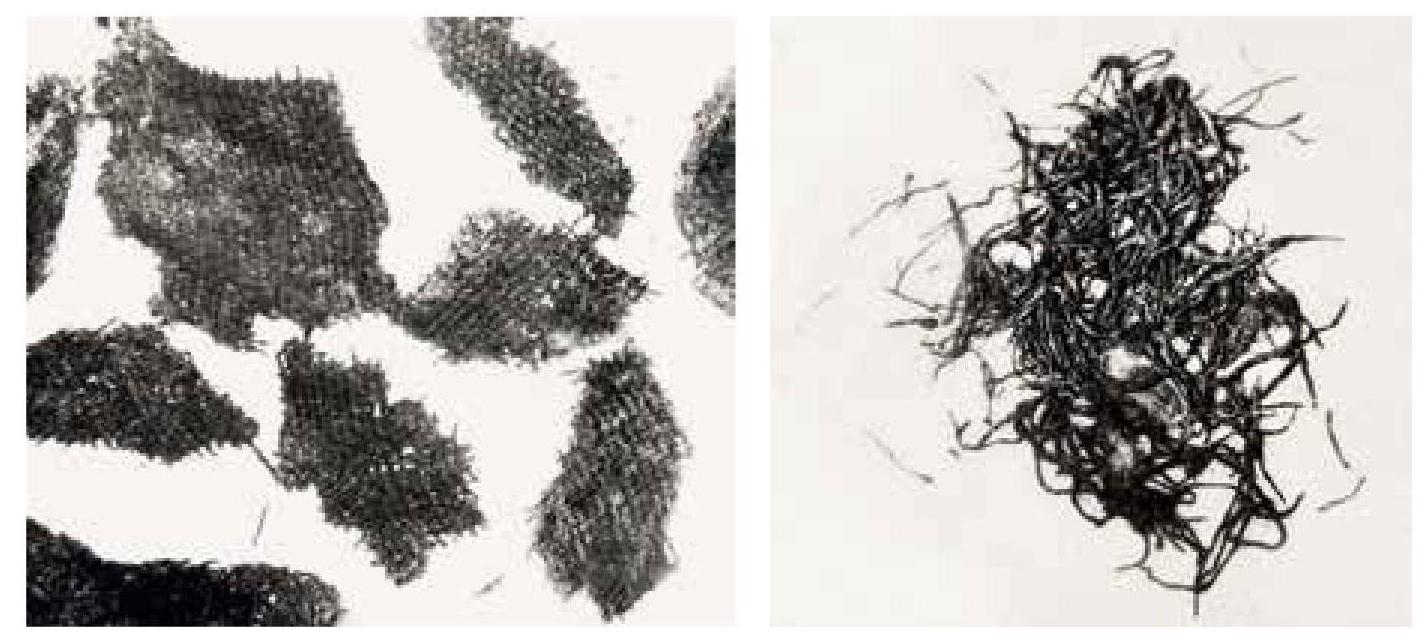
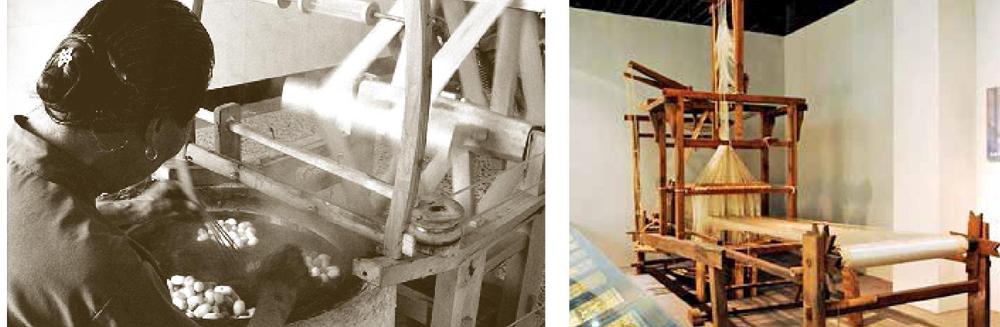

吳興歷來有“魚米之鄉、絲綢之府”的美譽。在中國古代的歷史上,包括今天吳興區在內的湖州,其絲綢(包括生絲)行銷海外、風靡亞歐,主要是在明清兩朝,這些往事與“一帶一路”中的海上絲綢之路有著緊密的聯系。
首先,先講講湖絲的質量。在明代中葉,全國蠶絲業的重心已移向湖州一帶,湖州除了成為國內產絲的中心,其質量同樣聞名全國。絲織業發達的蘇州、南京等地所用蠶絲,主要仰仗湖絲;福建漳州的紗絹、廣東的粵綢、粵緞等名優特產,必用湖絲。史料中有“蠶絲之貢,湖郡獨良”的記載。如明代茅瑞徵在其撰寫的《禹貢匯疏》中記載道:“蓋是時,絲利遍于齊魯間,今獨湖絲最著。”明代人吳珫編輯的《三才廣志》中又云:“湖絲產湖州,纖作之用,甲于天下。”明朝宋應星的《天工開物》中說:“湖絲所織者,羅面千石不損,若他方黃絲所為,經百石而已朽也。”
那么為何湖絲的質量高?據專家們研究,因為從明中葉到清前期,我國的蠶桑生產的區域已相對縮小,集中于杭嘉湖地區,尤其是以湖州周邊一帶,蠶桑生產最為發達,是國內外絲織原料的主要供應地。杭嘉湖地區所生產的蠶絲之所以品質優良,除了當地的氣候條件適宜于桑樹生長外,明清時這一帶桑樹栽培技術高、桑葉葉質好,是湖絲優質的基礎;養蠶技術精細,能保證蠶健康生長,是湖絲品質優良的一個重要因素;而繅絲水平的提高,更是湖絲品質優良的一個關鍵。
明代時,湖絲貿易已十分發達,湖絲開始行銷海外,且有明確的史料可以證明歐洲人也能買到湖絲。據有關專家研究,包括湖絲在內的中國絲織品,在明中葉以前主要是通過官方指定的一些對外口岸出口(如廣州)。在洪武(1368~1398年)到弘治(1488~1505年)年間,東南沿海居民的海上走私貿易,還只是偷偷摸摸地進行,進入16世紀以后,東南沿海居民的海上走私貿易開始頻繁發生,發展到后來,絲綢在浙江成為民間直接與歐洲人進行交易的主要商品。明代嘉靖年間,屬于今天舟山的雙嶼港(當時屬寧波),一度成為東亞地區最活躍的走私貿易中心,很多葡萄牙人開始在雙嶼港與中國人進行交易,直到嘉靖二十七年(1548年)雙嶼港這個走私貿易中心被明朝官兵完全摧毀。請看如下史料,《明史·朱紈傳》記載:“初,明祖定制,片板不許入海。承平久,奸民闌出入,勾倭人及佛郎機諸國入互市。閩人李光頭、歙人許棟踞寧波之雙嶼為之主,司其質契。”明朝人鄭舜功受明朝政府派遣赴日本考察,撰寫了《日本一鑒》,書中記載:“嘉靖庚子(十九年),繼之許一(松)、許二(棟)、許三(楠)、許四(梓),勾引佛郎機國夷人,絡繹浙海,亦市雙嶼、大茅等港。”這里的佛郎機國夷人就是指葡萄牙人。可見,雙嶼港這個走私貿易中心中,一項重要的交易商品就是湖絲,而葡萄牙人顯然是在雙嶼港買到湖絲的。
另一個包括湖絲在內的中國絲織品出口海外的窗口就是澳門。據史料記載,葡萄牙人租居澳門后,便以澳門為支點建立了多條國際貿易航線,做起了海上貿易中轉生意。他們將明朝的絲織品、瓷器等商品通過澳門銷往世界各地,再帶回大量的白銀充實明朝的國庫,主要航線有澳門——馬六甲——果阿——好望角——里斯本,還有澳門——長崎(日本),澳門——馬尼拉等。
湖絲在明代出口海外,還有一個重要的渠道商就是福建人。據明代王世懋所撰寫的《閩部疏》所載,“閩人貨湖絲者,往往染翠紅而歸織之”,福建人以“湖絲”為原料,將其加工成絲織品,加工完成后,閩人再予以出售。
當然,湖絲也會直接作為商品進行出口,如明代嘉靖年間,福建泉州地區的海上貿易十分活躍,嘉靖年間黃堪的《海患呈》中即說:“有日本夷船數十只,其間船主水梢,多是漳州亡命,諳于土俗,不待勾引,直來圍頭、白沙等澳灣泊。四方土產貨,如月港新線、石尾棉布、湖絲、川芎,各處逐利商民,云集于市。”圍頭即在今天的泉州境內。
而據相關歷史記載,南洋是湖絲銷給歐洲人的一個重要的中轉區域。成書于萬歷四十五年的《東西洋考》中記載道:“大泥,……華人流寓甚多,趾相踵也。舶至,獻果幣,如他國。初亦設食待我,后來此禮漸廢矣。貨賣彼國,不敢征稅。惟與紅毛售貨,則湖絲百斤,稅紅毛五斤,華人銀錢三枚。”這個大泥國即是現在的泰國南部北大年府一帶,當時有很多華人在此貿易,而紅毛在明時主要是稱歐洲的荷蘭人,當時荷蘭人在大泥國也設有貿易站。從此條史料可見,明代時湖絲也已經通過南洋的貿易中轉站出售給歐洲人了。
再如明代徐光啟在《海防迂說》中曾指出:“于是有西洋番舶者,市我湖絲諸物走諸國貿易。若呂宋者,其大都會也,而我閩、浙、直商人,乃皆走呂宋諸國,倭所欲得于我者,悉轉市之呂宋諸國矣。”
明末給事中傅元初在《請開洋禁疏》中說:“是以,中國湖絲百斤值銀百兩者,至彼得價二倍”,這里的“彼”即主要指呂宋。可見,當時的呂宋(今菲律賓境內)也是湖絲遠銷出口的一個重要中轉站。徐光啟寫《海防迂說》時,呂宋已被西班牙所占領(1571年,西班牙占領了呂宋島,時徐光啟虛齡9歲),可見通過呂宋,湖絲也已銷售給了歐洲人。
It was during the Ming (1368-1644) and the Qing (1644-1911) dynasties that raw silk from Huzhou became a big international trade. Raw silk from Huzhou dominated the market largely because of its super quality. In the middle period of the Ming, Huzhou became the national center of sericulture. Suzhou and Nanjing, two important textile-manufacturing powerhouses in Jiangnan, bought large quantities of raw silk from Huzhou simply because of its super quality. Silk fabric producers in Fujian and Guangdong also relied heavily upon the raw silk supply from Huzhou.
Hangzhou-Jiaxing-Huzhou Plain in the north of Zhejiang became the number one national sericulture center essentially because of the advanced techniques used in cultivating mulberry trees, rearing silkworms, and reeling silk from cocoons.
This explains why raw silk from Huzhou sold so well on the international market from the 14th century on. Research indicates that Europe was a major buyer of raw silk from Huzhou in the Ming Dynasty.
In the early decades of the Ming, raw silk was exported to overseas buyers largely through the ports officially designated for international trade such as Guangzhou. However, smuggling was rampant in Chinas southeast. In the 16th century, Zhejiang became a center of raw silk from Huzhou between private businesspeople and European traders. The private business people smuggled raw silk to the European traders and raw silk was then shipped to the overseas market. Shuangyu, an island in Zhoushan Archipelago, became an international trade entrep?t. It was built and governed by Portuguese traders who first arrived, and were followed by Spanish and Japanese traders. The smugglers paradise was destroyed in 1548 by the Chinese government. For decades, Shuangyu Port in Zhoushan was a major export channel through which raw silk products from Huzhou were shipped to European destinations.
Another major trade center for raw silk export during that time was Macao. Portuguese traders set up a number of international trade routes in Macao, shipping silk products and porcelains to various destinations across the world and brought silver dollars back to China. The major routes included a route from Macao to Lisbon via Malacca, Goa, Cape of Good Hope, a route from Macao to Nagasaki, Japan, and a route from Macao to Manila.
Traders of Fujian played a key role in selling Huzhou silk to the overseas market. A book written in the Ming Dynasty reveals some traders in Zhangzhou, a city in Fujian, were gangsters and traded with Japanese businesspeople. The book documents raw silk from Huzhou among the trade items.
The Southeast Asia also played a key role in shipping silk goods to Europe. Luzon in the Philippines was a transship port of silk trade between China and Europe. Traders from China shipped silk and other goods to the states on Luzon first. Then buyers went there to buy and ship their goods to further destinations. Another key transship port in Chinas silk trade with foreign countries was in Pattani, a city on the east coast of the Malay Peninsula, near the mouth of the Gulf of Thailand. Chinese traders did business with Hollanders there. A book written in 1617 by a Chinese scholar documents raw silk from Huzhou was a major commodity that changed hands at Pattani. Based on these historical accounts, it can be reasonably deduced that Huzhou silk was shipped to Europe during the Ming Dynasty.