松針/椰糠基質(zhì)中微生物菌劑和微量元素對辣椒苗期生長的影響
2020-06-08 15:38:13豆丹張宇羅學(xué)剛楊洋
湖北農(nóng)業(yè)科學(xué)
2020年4期
豆丹 張宇 羅學(xué)剛 楊洋
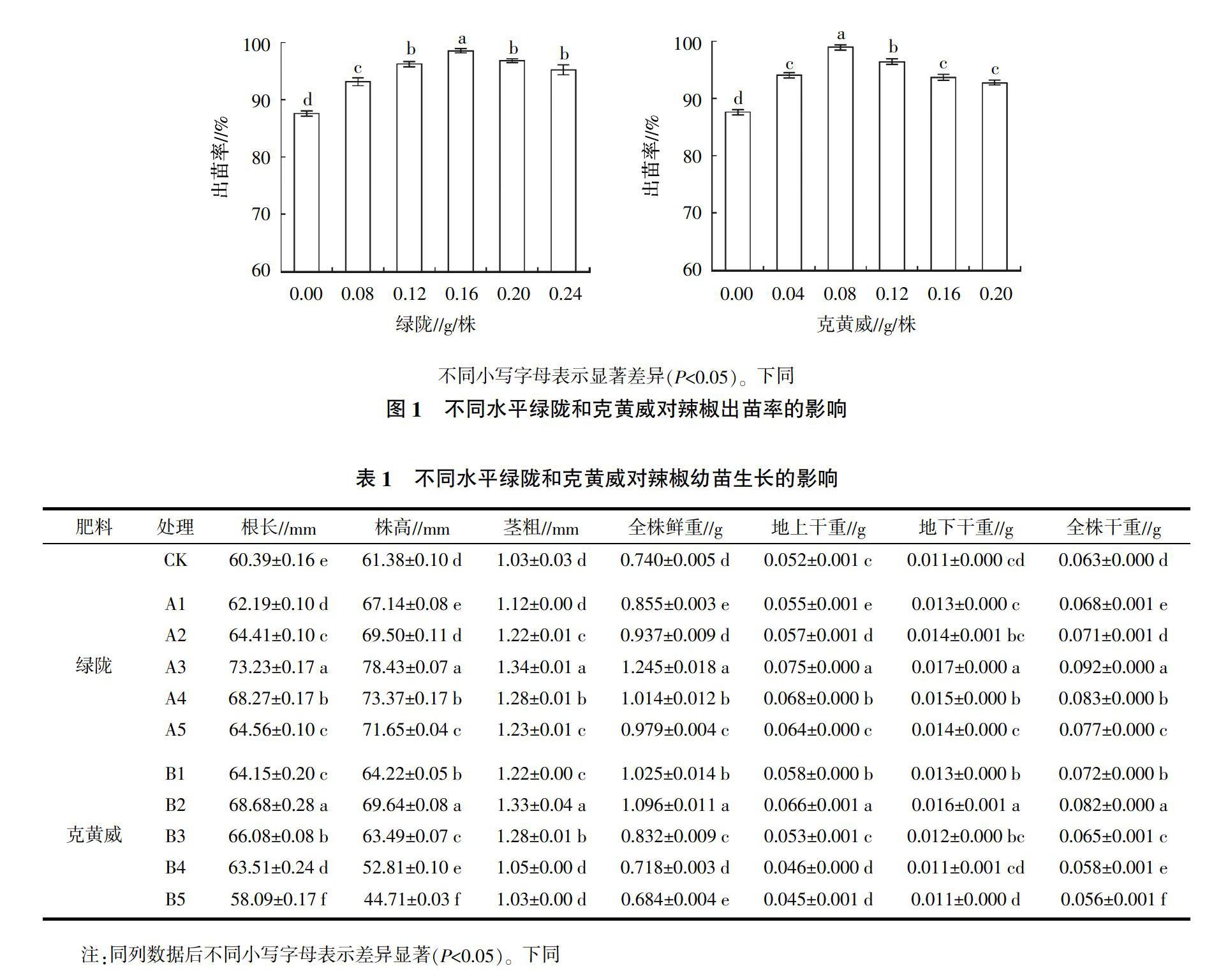
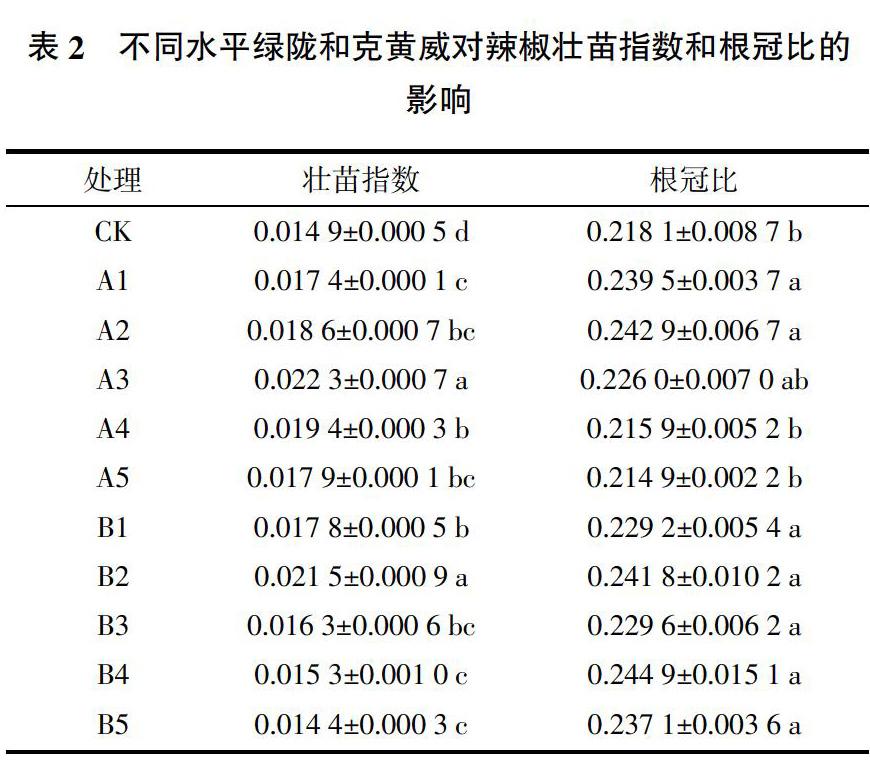
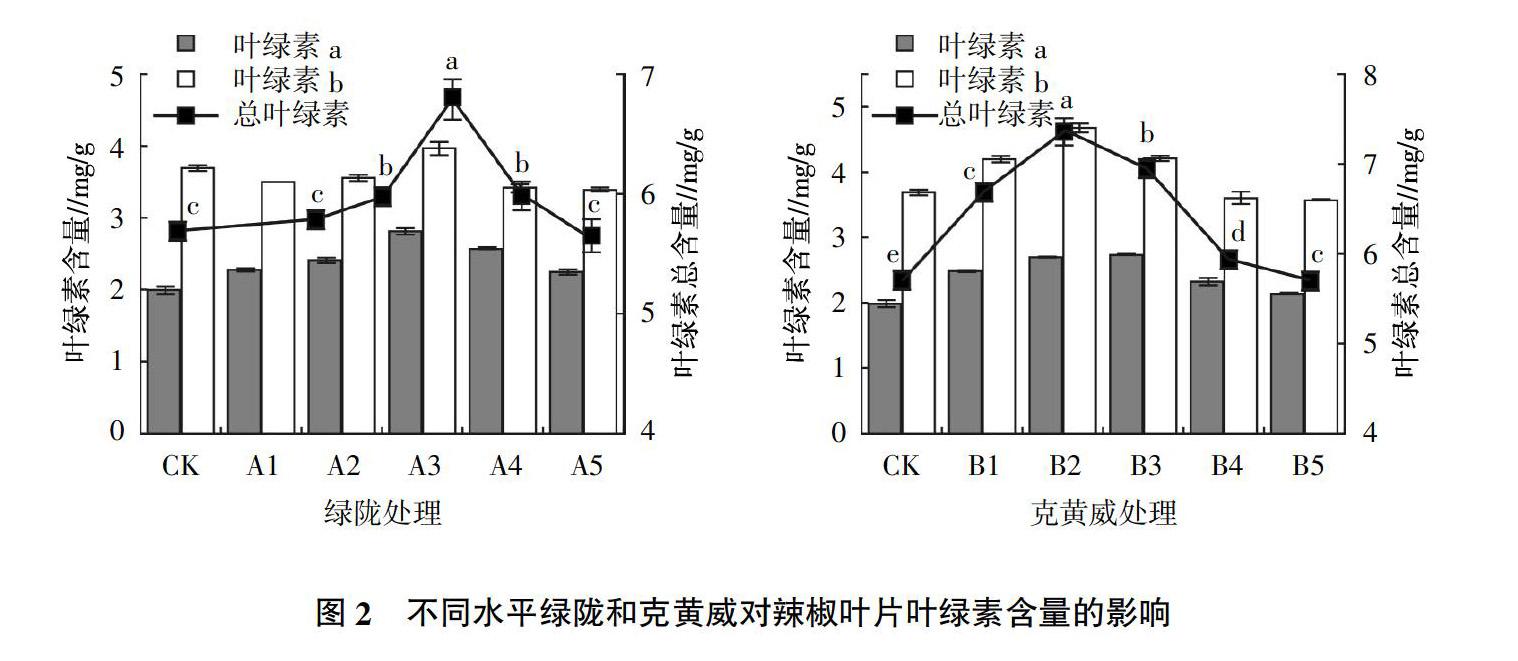
摘要:針對松針/椰糠基質(zhì)分解不充分自身缺乏養(yǎng)分和微量元素,不足以滿足辣椒苗期生長需求的問題,通過育苗盤試驗(yàn),研究添加不同微生物菌劑和微量元素對辣椒苗期幼苗生理特性、葉綠素含量及葉綠素?zé)晒馓匦缘挠绊憽=Y(jié)果表明,在綠隴0.16 g/株(A3)和克黃威0.08 g/株(B2)處理下辣椒幼苗生長效果最好,各生理指標(biāo)與對照相比都顯著提高,其中壯苗指數(shù)和根冠比分別增加49.66%、11.37%和44.30%、10.87%;葉綠素含量和PIabs較對照分別提高19.17%、34.76%和29.41%、32.37%。松針/椰糠基質(zhì)中添加綠隴和克黃威可促進(jìn)基質(zhì)分解,有利于辣椒萌發(fā),補(bǔ)充苗期營養(yǎng),對PSII系統(tǒng)有較大影響,可促進(jìn)幼苗光合作用等生理生長進(jìn)程。
關(guān)鍵詞:辣椒;微生物菌劑;微量元素;幼苗生長;生理生化指標(biāo)
中圖分類號:S641.3;S317? ? ? ? ?文獻(xiàn)標(biāo)識碼:A
文章編號:0439-8114(2020)04-0035-07
Abstract: In terms of Pine needle/coconut matrix is not fully decomposed and lacks nutrients and trace elements, which is insufficient to meet the growth requirements of seedlings of Capsicum annuum L.. The effects of different microbial agents and trace elements on the physiological characteristics, chlorophyll content and chlorophyll fluorescence characteristics of Capsicum annuum L. seedlings were studied by seedling tray test. The results showed that under the treatment of Lvlong 0.16 g/plant(A3) and Kehuangwei 0.08 g/plant(B2), the growth of Capsicum annuum L. seedlings was the best, and the physiological indexes were significantly improved compared with the control. The seedling index and root-shoot ratio increased by 49.66%, 11.37% and 44.30%, 10.87%, respectively. The chlorophyll content and PIabs increased by 19.17%, 34.76% and 29.41%, 32.37%, respectively. The addition of Lvlong and Kehuangwei to the pine needle/coconut matrix could promote the decomposition of the matrix, which was beneficial to the germination of Capsicum annuum L. and supplement nutrition at the seedling stage. It had a great influence on the PSII system and promoted the physiological growth process such as photosynthesis of the seedlings.
Key words: Capsicum annuum L.; microbial product; trace elements; seedling growth; physiological and biochemical indicators
無土栽培技術(shù)的發(fā)展對集約化育苗有重大意義[1],在蔬菜栽培中育苗是非常重要的一個(gè)環(huán)節(jié),培育出的幼苗質(zhì)量直接影響了蔬菜后期的生長發(fā)育、產(chǎn)量和品質(zhì)。而在無土栽培中育苗基質(zhì)的質(zhì)量和養(yǎng)分的合理配施都是影響幼苗質(zhì)量的關(guān)鍵因素[2]。松針、椰糠等有機(jī)基質(zhì)不僅具有固定作物的作用,還含有豐富的營養(yǎng)成分。但是直接利用松針或椰糠的傳統(tǒng)無土栽培方式存在養(yǎng)分轉(zhuǎn)化釋放不穩(wěn)定,造成作物苗期養(yǎng)分不足、生長受限等不良現(xiàn)象,通常無土栽培都需要不斷從外部補(bǔ)充營養(yǎng)液等養(yǎng)分保證作物正常生長。在現(xiàn)代農(nóng)業(yè)的持續(xù)發(fā)展下,蔬菜種植的規(guī)模不斷擴(kuò)大,因化肥過量造成的土壤和作物污染等諸多不足,促使有機(jī)生態(tài)型無土栽培技術(shù)的深入研究[3]。……
登錄APP查看全文