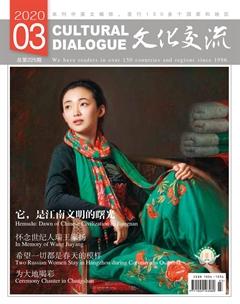
希望一切都是春天的模樣
2020-03-18 16:38:47王曦煜宋元直
文化交流 2020年3期
王曦煜 宋元直

新年剛開始,新冠肺炎疫情牽動了世界各國人民的心。“山川異域、風月同天”“豈曰無衣、與子同裳”,這一曾經鑒證中外友誼的美好詩篇,在疫情形勢嚴峻的今天,被不斷刷屏。外國友人以各種不同的方式,為中國加油。
Podareva Anastasia來自俄羅斯的中部城市梁贊,她有個很好聽的中文名叫唐曦蘭。
Semenyuk Anastasia來自離貝加爾湖最近的城市伊爾庫次克,她叫娜斯佳,喜歡聽大家叫她“小佳”。
自新型冠狀病毒感染的肺炎疫情發生以來,這兩位名叫Anastasia的90后俄羅斯姑娘留守在西子湖畔,不約而同地寫下中文詩歌,為杭州、為武漢、為中國加油。
手寫一封溫暖的信
1月30日晚,浙江理工大學的學生宿舍里,95后俄羅斯姑娘唐曦蘭打開自己的電腦,寫下了一首詩和一封信,收信人則是“杭州”。
在信中,她這樣寫道——
我在中國已經生活了七年,但是一直沒有意識到中國真正的“力量”。
由于最近在中國發生的疫情,我親眼見證了這個國家如何在磨難時刻團結起來,面對困難,所以我特別想對中國政府和中國人民表示欽佩。
我在杭州留學已經有六年的時間,直到今天也一直住在這座美麗的城市。
最近很多人問我:“你是否要回家?留在這里生活會更艱難些。”
我個人認為,無論問題多大,也無論發生什么危險,也不要因為害怕而逃跑。
有時候,“恐懼”是因為我們內心不夠強大,因為“沒有信心”,所以我們不那么鎮定。
但是,面對問題,一定要有信心和決心,在我們人生的路上,擁有勇敢的心,就能抵抗生命中的無常和不安。
盡管我們的生活中也許會有荊棘,但只要相信,大家都會渡過難關。
中國是一個有著五千年歷史的偉大國家,以充滿力量的精神,觸動了全世界人們的心,即使遭遇困難也永不絕望。
中國培養出了很多優秀的專家,目前站在疫情防控的最前線,體現出不可思議的勇氣。盡管我在中國生活的時間不算很長,但她已變成我的第二個故鄉,中國人的精神像俄羅斯人的精神一樣,似乎已經成為我血脈里流淌的一部分。
親愛的中國朋友們,我相信大家未來光明,全世界都支持你們,作為一位俄羅斯人,想祝你們一切順利,永遠保持充滿希望和信心的狀態。
我們一起同行!
中國加油!
為何想到要寫這樣一封信?
唐曦蘭說,朋友圈里都是關于疫情的消息,有些她感覺不是那么樂觀,所以就想到寫封信。
“寫信是我的一種表達方式,我覺得寫信比較溫暖吧。”她說,“我就想寫點鼓勵性的話,表達我對中國人積極應對疫情的支持。全世界都在支持中國,中國一定可以的。”
唐曦蘭本名叫Podareva Anastasia,中文名是一位教中國古代文學的老師取的,意思是大唐晨曦中的一朵蘭花。
從2014年來到杭州,唐曦蘭已經在這里度過了六年多時光。
2013年,高中畢業后的她獨自到中國吉林長春學了一年漢語,隨后成功申請到了浙江理工大學本科讀書的機會。目前她是浙江理工大學2017級藝術與設計學院藝術學理論專業研究生。
唐曦蘭特別喜歡中國的傳統文化,總是抓住一切機會和詩、詩人們打交道。最開始她嘗試在幾個微信公眾號、雜志和報紙上投稿,作品小有名氣之后,她開始走入中國的詩人圈,參加一些線下的詩朗誦活動。她加入浦江詩會,認識了更多業內優秀的前輩,比如著名的俄羅斯文學作品翻譯家、詩人汪劍釗。她在上海黃浦區圖書館里舉辦了個人詩展,還登上過《中國詩詞大會》等節目的舞臺。比起聽到表揚,她更希望聽到別人的建議,“我希望知道我的詩里缺少什么。”
唐曦蘭也非常喜歡杭州和西湖。她說,站在西湖邊,遙望遙遠的故鄉,又催生了她另外的詩意。
今年,原本有朋友邀請她去金華浦江的村子里過年,體驗下中國鄉村的年味,但是疫情起來后,這個計劃不得不取消。她說稍微有些遺憾,但以后還有機會。
過年這些天,唐曦蘭就待在學校的留學生宿舍。
“因為當時有通知盡量不要外出,所以我和幾個留學生朋友前些天去超市買了一大堆食物,這些天就在宿舍自己做飯吃。”她說,“以前生活和學習節奏都很快,幾乎沒時間自己做東西吃,都是在學校或外面吃一點解決,現在自己做做飯,感覺味道還不錯。”
疫情發生后,身處異鄉的她害怕過嗎?
她笑著說自己剛開始有點擔心,但是后來發布的消息很及時很透明,防治工作也都在有序展開,她感覺也沒有什么可以太擔心的,只要每個人注意防護,一定能過去的。
家人那段時間也每天打電話給她,不過她說,“我家人從來沒有叫我回去,因為中國應對疫情的新聞,俄羅斯的電視里每天都會有播放,我們家里人都比較放心。”
假如
唐曦蘭
假如我是一朵晨曦中的花,
江南街頭上聽著細細的雨。
這些年頭里愛上這片熱土,
隨著勇敢中國人民共同成長。
假如我是一朵飄逸的云,
從遠方的梁贊飛來西湖邊,
用北方姑娘的純情和火辣,
送給中國一顆滾燙的心。
假如我是一只俄羅斯丹鳳,
用一雙夢想的翅送來青春。
擁有著東方女孩子的情懷,
獻給中國一縷明媚的陽光。
疫情過后最想吃餃子
“今年春節,家家戶戶討論的都是/曲線怎么樣?拐點有沒有到?/家里的口罩夠不夠?/外面的陽光燦爛,家里的空氣很郁悶……”
今年是娜斯佳來中國的第6個年頭,她在杭州讀書、工作。熱鬧是她對中國最深的印象,這個春節,她看到了空曠、安靜的一面。
娜斯佳是浙江大學新聞傳播專業2018屆研究生,畢業后留在杭州工作至今。從貝加爾湖畔到西子湖畔,這個俄羅斯姑娘在杭州工作、扎根,深深融入了杭州這座城市。
娜斯佳回俄羅斯過了元旦新年后,熱愛中國的她又回到杭州,準備和朋友過春節,結果遇上了疫情。隔離在家的她寫了一首詩歌,為武漢加油。
在詩里,她寫道:“希望中國人民快快回到原來的狀態/希望小孩子都能背書包出門/希望爺爺奶奶都在廣場上跳舞/這樣,我又可以吃到樓下阿姨做的熱乎乎的餃子了/這樣,人們看到我又會說,小佳,好久不見了……”
娜斯佳的中文說得很好。從2009年讀高中時接觸中國文化以來,她學習中國語言文化已經11年了。她在莫斯科國立語言大學學習中文,2015年畢業后又到浙江大學學習新聞傳播。
她為了學習中文,讀了不少中國詩歌,徐志摩、汪國真是她喜歡的中國詩人。
對詩歌,娜斯佳情有獨鐘。在中學時,她就熟讀普希金、葉賽寧的詩,經常參加詩歌朗誦。到中國后,她開始讀中文詩,學習用中文寫詩,也經常參加朗誦活動。中俄兩種文化在她身上的交融,為她的詩歌增添了獨特的色彩。
2018年,她以原創詩歌《俄羅斯的心,中國的夢》代表浙江大學參加了第七屆留學生朗誦比賽,獲得了一等獎的好成績。
為了讓詩歌寫得更好,在深入了解中國文化的同時,她積極地融入中國城市的生活。她生活的社區里很多人都跟她成了朋友。無論是樓下餃子店的阿姨,還是廣場上跳舞的爺爺奶奶,還有小區里放學的小孩子們,大家都很喜歡她,“大家都叫我小佳。”
小佳希望疫情早日結束,能早日再跟大家在路上打招呼,去樓下餃子店阿姨那里吃餃子。那時——
“人們看到我又會說,小佳,好久不見了/你還那么漂亮,我就會高興得直點頭/連聲說謝謝/心里,樂開了花。”
期待武漢勝利
娜斯佳
打開窗戶看外面的世界,很安靜的樣子
看不到每天早上吵醒我的車流
看不到阿姨做的熱乎乎的餃子
中國的武漢出大事了,我們都只能待在家里
今年春節,家家戶戶討論的都是
曲線怎么樣?拐點有沒有到?
家里的口罩夠不夠?
外面的陽光燦爛,家里的空氣很郁悶
不過,電視里一看到白衣天使累倒在急救室
我的眼淚,忍不住就下來了
我作為熱愛中國的俄羅斯人
很期待,武漢又變成個武漢子
變成個勝利者
希望中國人民快快回到原來的狀態
希望小孩子都能背書包出門
希望爺爺奶奶都在廣場上跳舞
這樣,我又可以吃到樓下阿姨做的熱乎乎的餃子了
這樣,人們看到我又會說
小佳,好久不見了
你還那么漂亮
我就會高興得直點頭
連聲說謝謝
心里,樂開了花
After the outbreak of COVID-19 in late January, Podareva Anastasia and Semenyuk Anastasia, two Russian women (they are not relatives), opted to stay in Hangzhou.
Podareva Anastasia
Podareva Anastasia is from Ryazan, a city about 120 miles southeast of Moscow. Among her Chinese friends, she is Tang Xilan, a name given by her tutor at Zhejiang Ligong University based in Hangzhou. On the evening of January 30, she wrote a letter in Chinese at her dorm. The letter is addressed to Hangzhou, the city where she is.
What she says in the letter is as follows: I have been in China for seven years, but I wasnt fully aware of Chinas real power. Due to the outbreak of the novel coronavirus pneumonia, I have been witnessing how the whole nation gets united to outface challenges in such a difficult time. Id like to express my appreciation and admiration to Chinese government and people. I have been studying as an international student in Hangzhou for six years and I am living in this beautiful city. In these days I have been asked many times if I want to go home and I have been advised that I would run into many challenges if I continue to stay in Hangzhou. I will not flee out of fear no matter how tremendous the challenges can be and no matter what risks and dangers lurk ahead. Sometimes, fear dominates simply because we are not mentally strong enough. Sometimes we are not so confident simply because we are not calm. But we must have confidence and determination in face of challenges. We must have a brave heart to confront uncertainties and anxieties. China is a great country with a history of thousands of years, with a powerful spirit that amazes the world and never gives up in face of trials and difficulties. China has a strong troupe of experts who are courageously battling the coronavirus. China has long since been my second home even though I havent lived long in the country. Like the Russian spirit, the Chinese spirit is now in my heart and soul. My dear Chinese friends, I believe the future is bright and the whole world stands together with you. As a Russian, I wish you success and hold fast to hope.
Asked why she penned the letter, she replied she made up her mind to write the letter after seeing some bad news in the circle of her friends. “Writing a letter is my way of communication. I believe a letter is a way to convey a warm and upbeat feeling. I wanted to write some encouraging words to express my support to Chinas battle against the coronavirus. China will triumph with the support of the whole world!”
She had been invited to celebrate the Spring Festival in a village in Pujiang County in central Zhejiang, but she cancelled the plan and decided to stay indoors at the dorm after international students on the campus were notified of the situation and citys emergency response to the spread of the vicious contagious pneumonia. With a great quantity of food bought from a supermarket and now stored at the dorm, she and some international students now spend time at the dorm. She was a little bit worried at first, but after learning more about the situation, she is now calm. Pay attention to self protection and everything will be okay, she firmly believes. Her family in Russia isnt worried too. They watch Chinas battle against the coronavirus on TV at home and know what is going on in China. They are sure she is okay in Hangzhou.
Semenyuk Anastasia
Semenyuk Anastasia has been in China for six years. After finishing a postgraduate course in journalism in 2018 at Zhejiang University, she now works in Hangzhou. The Spring Festival in January 2020 amended her previous impression of China. China is full of bustle, excitement and noise, but this Spring Festival, China showed her another facet: empty streets.
She is from Irkutsk, the grand gateway to Lake Baikal, which is merely 70 kilometers away. She celebrated the New Years Day with her family and friends in Russia and came back in early January to Hangzhou in order to celebrate the Spring Festival, which fell on January 24 this year, with her friends in Hangzhou. The outbreak of the novel coronavirus aborted the plan.
Semenyuk Anastasia has been studying the Chinese language and culture for eleven years. She majored the Chinese language at Moscow State Linguistics University and studied journalism for three years at Zhejiang University from 2015 to 2018. She speaks Chinese fluently. And she reads Chinese poetry. Her favorite modern Chinese poets include Xu Zhimo and Wang Guozhen. Her passion for poetry blossomed while she was in middle school. Her favorite Russian poets are Alexander Pushkin and Sergei Esenin. She participated in many poem recital competitions. After she came to China, she began to write poems in Chinese. Both Russian literature and Chinese literature add a special touch to the poems she has written. In 2018, she took part in a poetry competition for international students on behalf of Zhejiang University. Her poem ?won the first prize.
That explains why she has written a poem to support Chinas epic battle against the coronavirus outbreak. The poem is titled . The last stanza of the poem reads: “I hope China will be back to normal soon, children go to school and elderly people can dance heartily in public squares, and I can have Jiaozi downstairs. And friends will see me again and say Anastasia how beautiful you are and I will happily agree and say thank you, my joy knowing no bounds.”
猜你喜歡
科學大眾(2023年17期)2023-10-26 07:38:38
幼兒畫刊(2022年11期)2022-11-16 07:22:36
音樂天地(音樂創作版)(2022年1期)2022-04-26 13:51:10
中國交通信息化(2021年4期)2021-07-21 09:23:34
人大建設(2020年5期)2020-09-25 08:56:22
快樂作文(1.2年級)(2020年8期)2020-09-10 07:22:44
北極光(2020年1期)2020-07-24 09:04:04
文苑(2020年4期)2020-05-30 12:35:48
37°女人(2020年5期)2020-05-11 05:58:52
傳媒評論(2017年12期)2017-03-01 07:04:58