床突旁動(dòng)脈瘤頸內(nèi)動(dòng)脈近端阻斷策略數(shù)值模擬及其臨床應(yīng)用
2019-12-19 02:07:13王明
軟件
2019年11期
王明
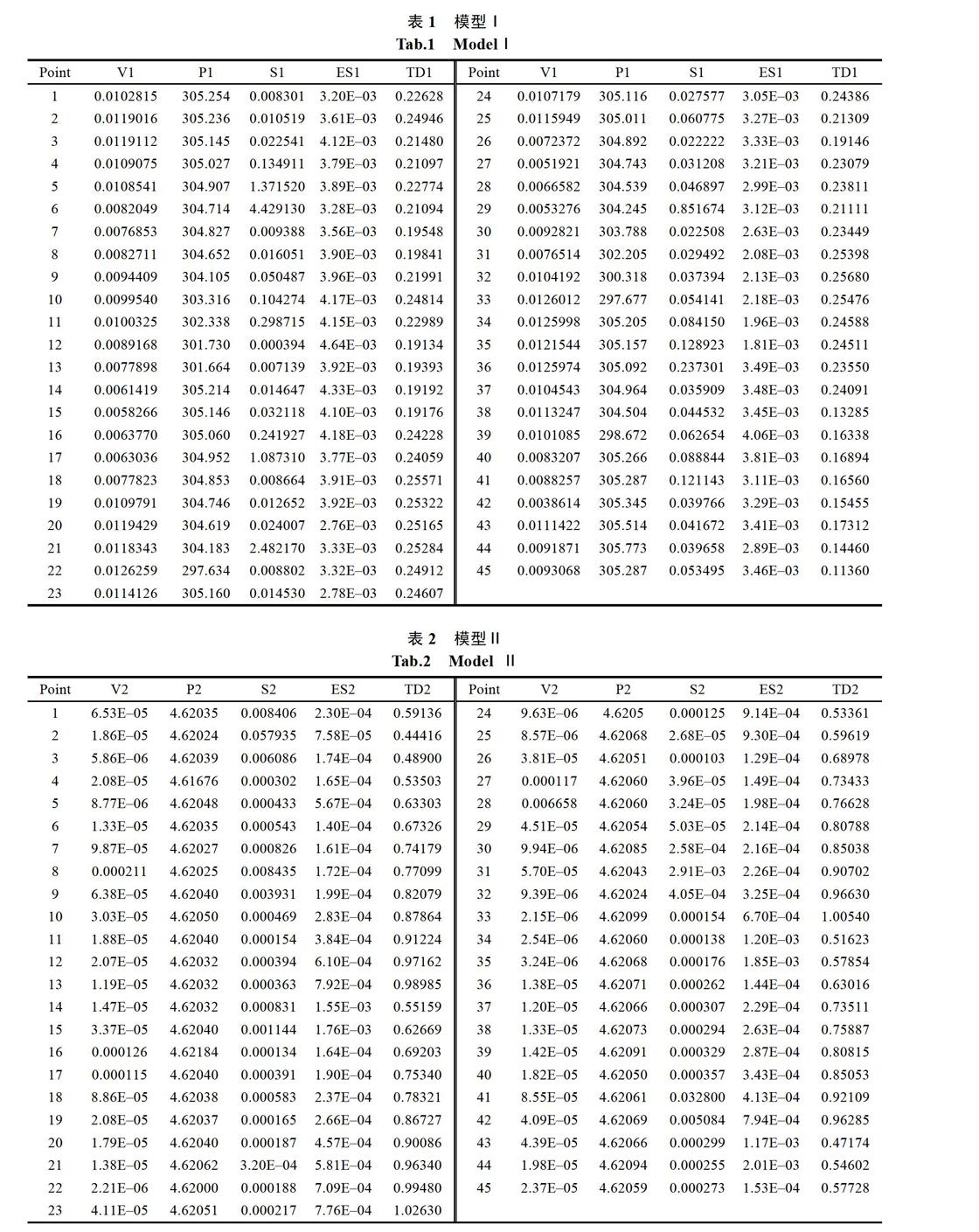
摘? 要: 探討床突旁動(dòng)脈瘤頸內(nèi)動(dòng)脈近端阻斷策略的血流動(dòng)力學(xué)參數(shù)的變化和特征,為手術(shù)方式的選擇提供指導(dǎo)。方法: 利用一例床突旁動(dòng)脈瘤患者的DICOM影像數(shù)據(jù),通過(guò)MIMICS、3-matic、Geomagic Studio、Spaceclaim、DesignModeler、Meshing等軟件建立頸內(nèi)動(dòng)脈近端阻斷前后的動(dòng)脈瘤及動(dòng)脈瘤壁有限元模型,用Fluent、Transient Structural進(jìn)行流固耦合計(jì)算求解。采用數(shù)值模擬與統(tǒng)計(jì)學(xué)分析頸內(nèi)動(dòng)脈阻斷前后的動(dòng)脈瘤血流動(dòng)力學(xué)參數(shù)及動(dòng)脈瘤壁的應(yīng)力應(yīng)變。計(jì)算出頸內(nèi)動(dòng)脈阻斷前后模型的血流動(dòng)力學(xué)參數(shù)及動(dòng)脈瘤壁的應(yīng)力應(yīng)變參數(shù),統(tǒng)計(jì)學(xué)結(jié)論顯示脈阻斷前后模型參數(shù)存在顯著性差異。用本項(xiàng)目所構(gòu)建的床突旁動(dòng)脈瘤的有限元模型可有效分析不同模式下的動(dòng)脈瘤血流特征,為臨床治療中手術(shù)方方案的設(shè)計(jì)提供指導(dǎo)。
關(guān)鍵詞: 床突旁動(dòng)脈瘤;雙向流固耦合;近端阻斷策略;數(shù)值模擬
【Abstract】: Purpose: The aim of this project are to investigate the changes and characteristics of hemodynamic parameters of proximal carotid artery occlusion strategy for cavernous sinus aneurysm, and to provide guidance for the selection of surgical methods. Methods: DICOM image data of a patient with cavernous sinus aneurysm were used to establish the finite element model of aneurysm and aneurysm wall before and after proximal occlusion of the internal carotid artery by using MIMICS, 3-matic, Geomagic Studio, Spaceclaim, DesignModeler, Meshing and other software. Fluid-solid coupling calculation was performed with Fluent and Transient Structural.The hemodynamic parameters of aneurysm and the stress and strain of aneurysm wall before and after internal carotid artery occlusion were analyzed by numerical simulation and statistics. Results: The hemodynamic parameters of the model and the stress-strain parameters of aneurysm wall before and after internal carotid artery occlusion were calculated. Statistical results showed that there were significant differences in the parameters of the models. Conclusion: The finite element model of cavernous sinus aneurysm constructed in this project can be used to effectively analyze the blood flow characteristics of aneurysms in different modes, and provide guidance for the design of surgical procedures in clinical treatment.
【Key words】: Cavernous sinus aneurysm; Bidirectional fluid-solid coupling; Proximal block strategy; The numerical simulation
0? 引言
腦動(dòng)脈瘤是一種嚴(yán)重的腦血管疾病,其破裂概率為1%[1],床突旁動(dòng)脈瘤占顱內(nèi)動(dòng)脈瘤的3-5%,占頸內(nèi)動(dòng)脈瘤的14%[2-3]。床突旁動(dòng)脈瘤的形成與床突旁內(nèi)分支、血管硬化、自發(fā)性或外傷性血管夾層有關(guān)[4]。目前研究認(rèn)為,壁面切應(yīng)力、壓力、血流速度等血流動(dòng)力學(xué)參數(shù)與動(dòng)脈瘤形成、發(fā)展、破裂有著密切的關(guān)系。顱內(nèi)常規(guī)動(dòng)脈瘤的治療技術(shù)已經(jīng)非常成熟,但對(duì)于海綿竇、床突旁及基底動(dòng)脈動(dòng)脈瘤等復(fù)雜動(dòng)脈瘤,采用直接夾閉或栓塞都非常困難。因此通過(guò)改變動(dòng)脈瘤局部血流動(dòng)力學(xué)狀態(tài)包括血流速度大小、沖擊方向或通過(guò)減少瘤內(nèi)的血流以促成血栓達(dá)到治療目的成為一種間接處理動(dòng)脈瘤的策略。……
登錄APP查看全文