自適應時間窗心磁源重構的方法研究
2019-12-19 02:07:13潘寶君朱俊杰
軟件
2019年11期
潘寶君 朱俊杰
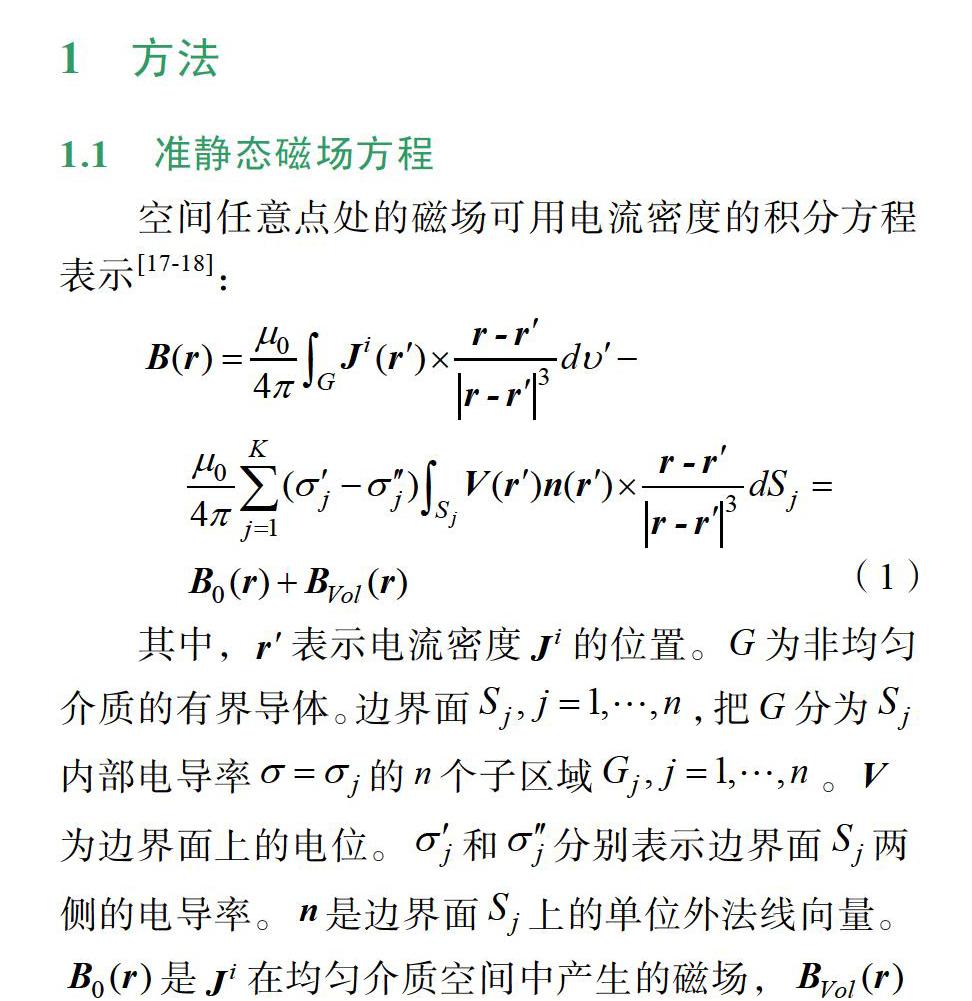
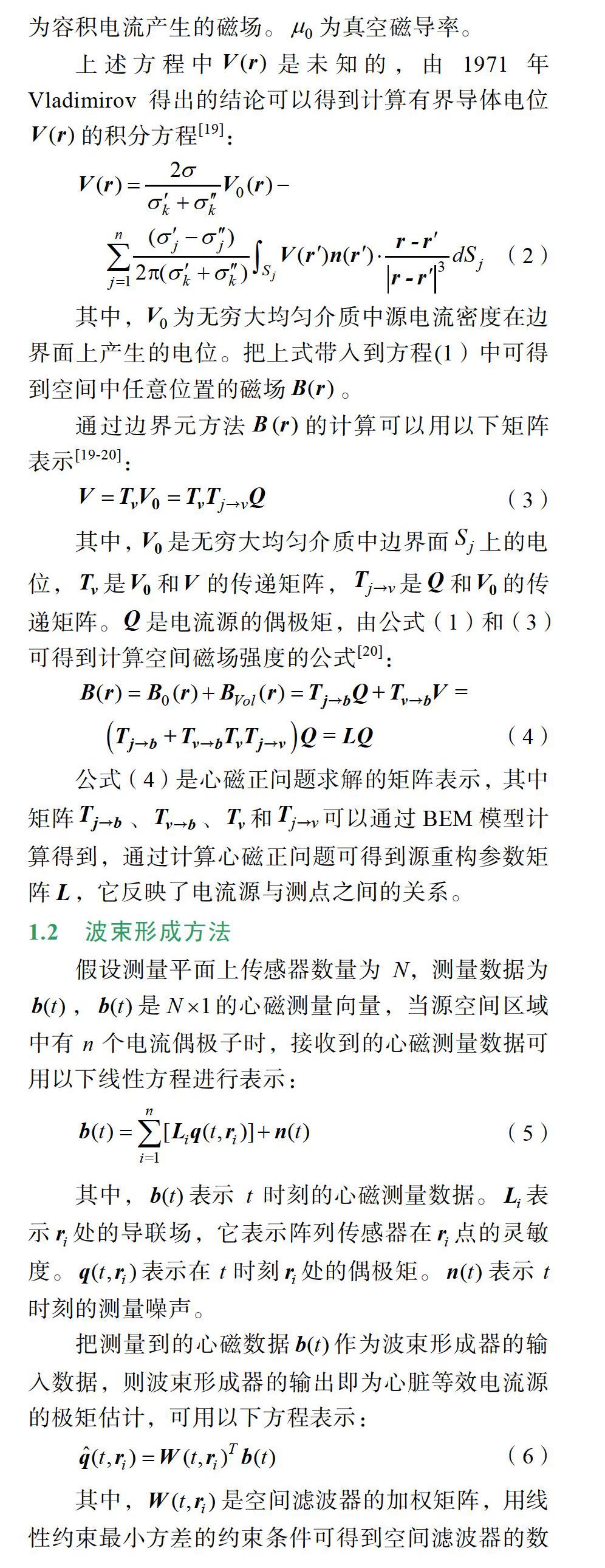
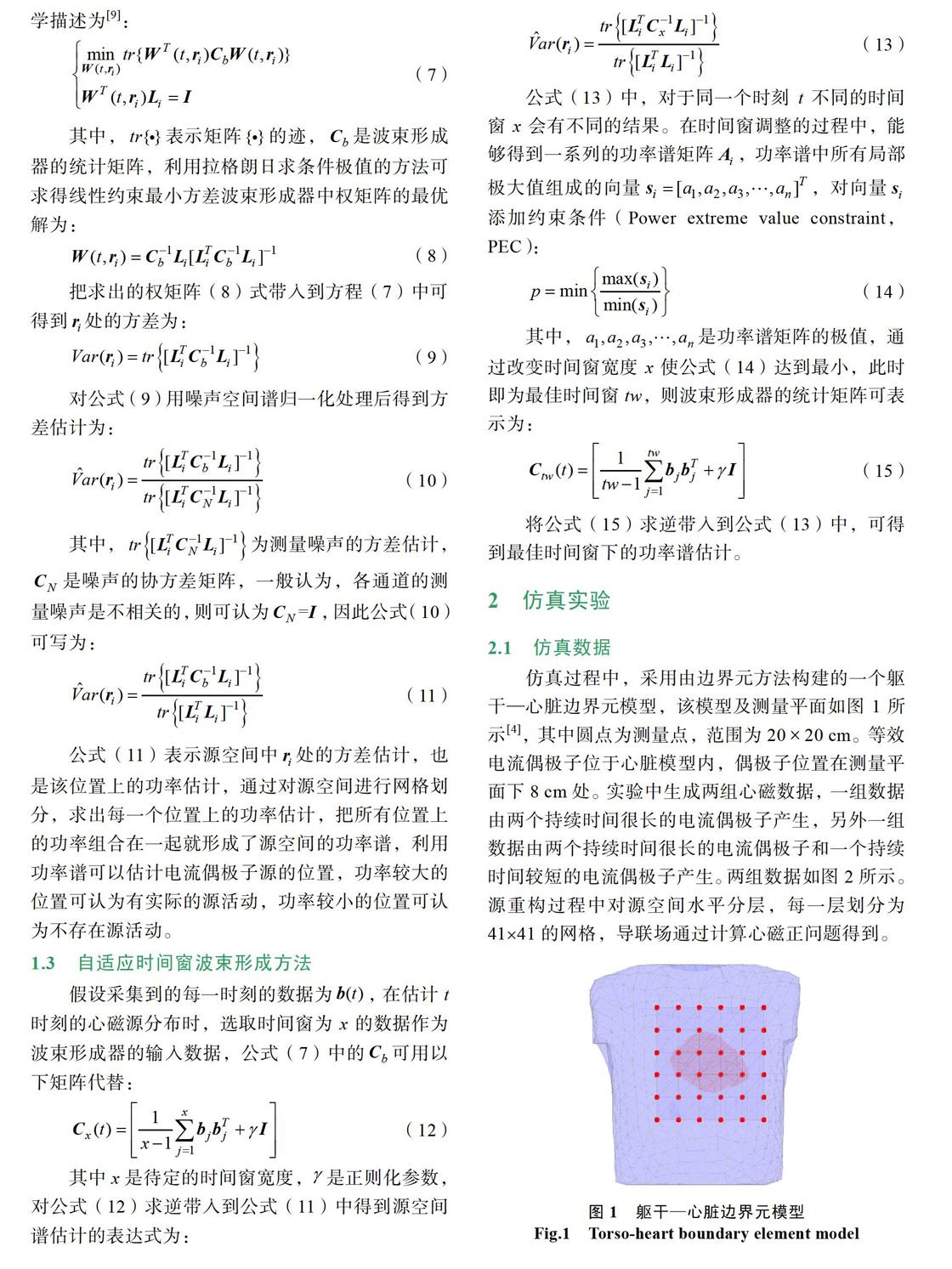
摘? 要: 在使用線性約束最小方差(LCMV)波束形成器重構心臟磁場電流源的研究中,為了解決時間窗過大或者太小造成心臟電流源遺漏的問題,文中提出一種自適應時間窗波束形成的心磁源重構方法。該方法通過不斷的調整時間窗得到相應的功率譜,然后求出功率譜中所有的局部極大值,當局部極大值中的最大值和最小值的比值達到最小時,此時對應的時間窗為源重構的最佳時間窗。在仿真實驗中,用固定時間窗和自適應時間窗波束形成方法分別對兩個和三個電流偶極子產生的心磁數據進行了重構,結果表明,自適應時間窗波束形成方法在兩種情況下都具有較好的源重構能力。
關鍵詞: 心磁源重構;波束形成;線性約束最小方差;逆問題;心磁源成像
【Abstract】: In the study of reconstructing the cardiac magnetic field current source using the linear constrained minimum variance (LCMV) beamformer, in order to solve the problem that the current source is missing due to too large or too small time window, an adaptive time window beamforming is proposed. Cardiac magnetic source reconstruction method. The method obtains the corresponding power spectrum by continuously adjusting the time window, and then finds all local maximum values in the power spectrum. When the ratio of the maximum value and the minimum value in the local maximum value reaches a minimum, the corresponding time at this time The window is the best time window for source reconstruction. In the simulation experiment, the cardiac magnetic data generated by two and three current dipoles are reconstructed by fixed time window and adaptive time window beamforming method respectively. The results show that the adaptive time window beamforming method is in two. In all cases, there is better source reconstruction capability.
【Key words】: Magnetocardiography source location; Beamforming; Linear constrained minimum variance; Inverse problem; Magnetocardiography source imaging
0? 引言
利用超導量子干涉儀測量技術,可以通過無創傷、非接觸且無外加激勵的方式測量到人體心臟胸腔表面的磁場信號[1-3]。如何利用測量的心臟磁場數據重構心臟的電流源分布是現階段心臟電活動逆問題研究的主要任務之一,很多研究學者對心臟的電活動做了深入的研究 [4-8],其目的是獲取心臟內部電活動信息輔助診斷心臟疾病。
波束形成器是一種常被用于心磁圖和腦磁圖源重構中的成像方法。早在1988年,Van Veen就對波束形成器進行了深入的研究[9]。1997年Van Veen等人首次將波束形成的方法引入到腦電的研究中[10],此方法的引入為腦電的研究開辟了新的途徑。2001年Sekihara提出了信號子空間特征投影的方法,并將此方法應用到腦磁的研究中,研究表明該方法可
登錄APP查看全文