
近零能耗建筑地源熱泵檢測方法研究
2019-09-10 20:28:40杜曉輝原瑞增賈云飛李展
河南科技
2019年35期
杜曉輝 原瑞增 賈云飛 李 展

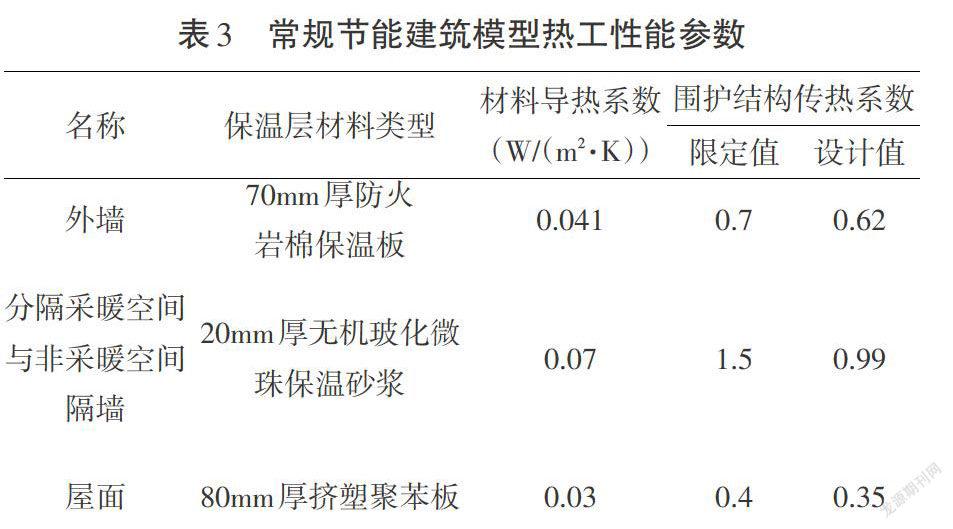
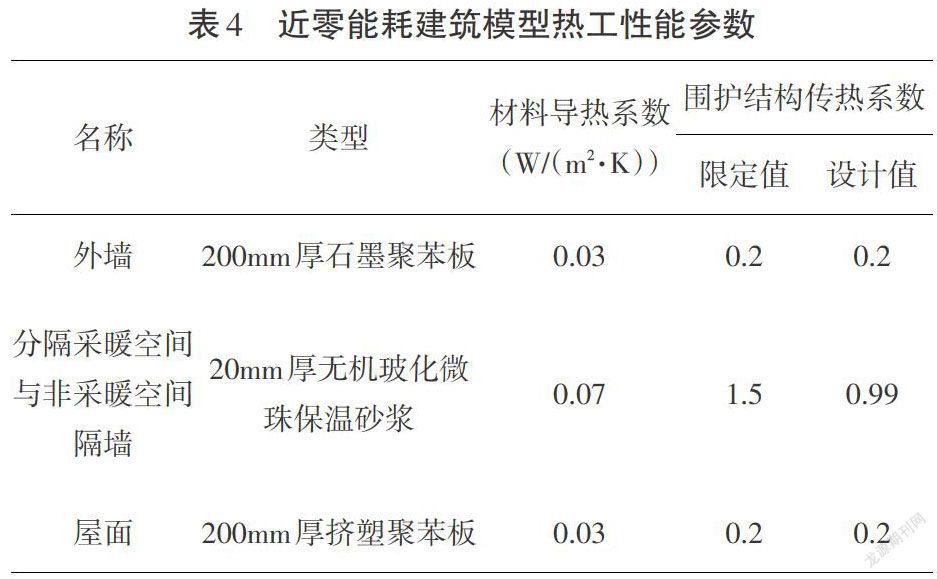
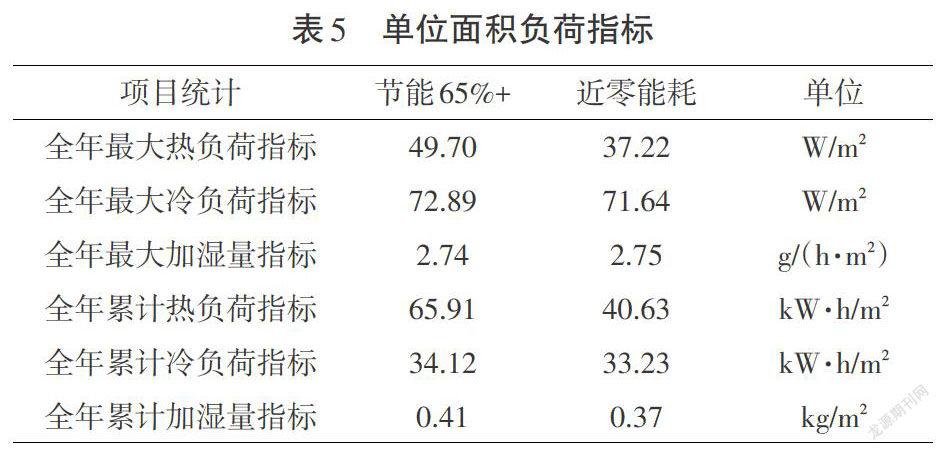
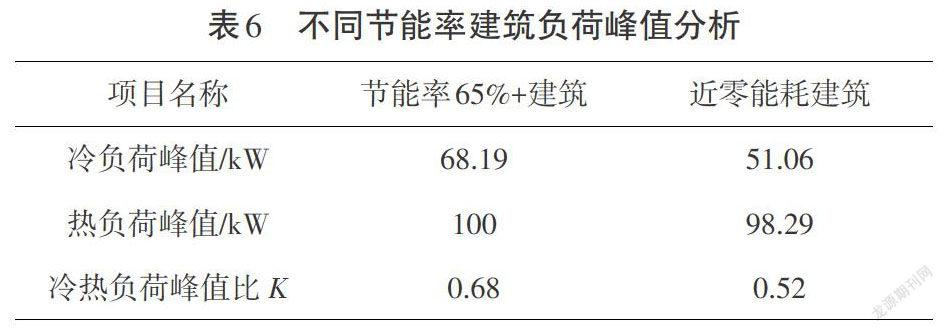
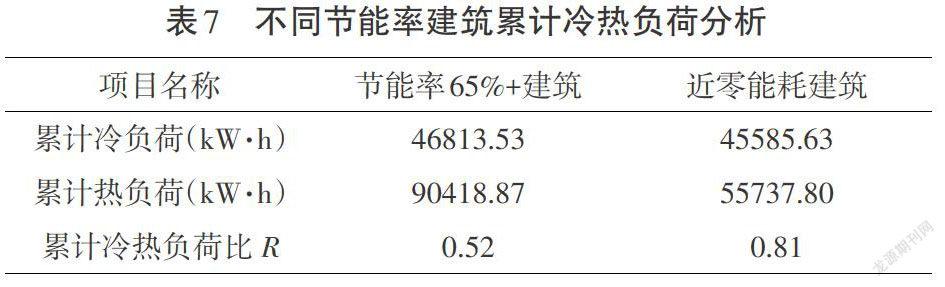
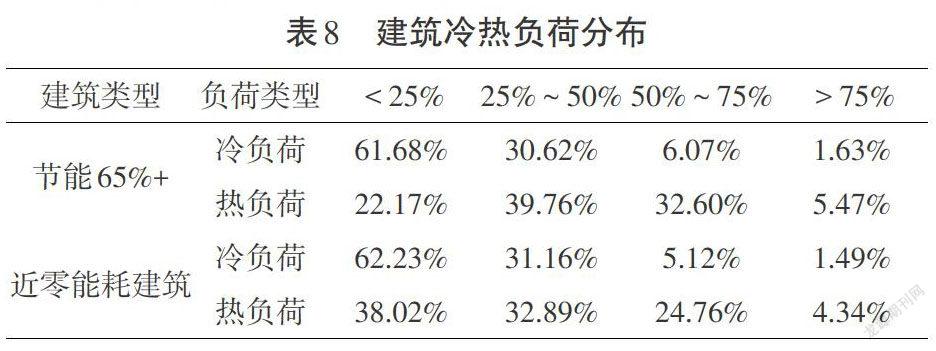
摘 要:以寒冷地區某居住建筑為例,本研究通過DEST軟件建立近零能耗建筑與常規節能建筑模型,對比分析其建筑冷熱需求差異及其對空調系統的影響,并結合現有地源熱泵系統檢測方法,探討了適用于近零能耗建筑的地源熱泵性能檢測方法。
關鍵詞:近零能耗建筑;地源熱泵系統;性能檢測
中圖分類號:TU831 文獻標識碼:A 文章編號:1003-5168(2019)35-0144-04
Discussion on Research Method of Ground Source Heat Pump
Detection Method for Near-zero-energy Consumption Buildings
DU Xiaohui1 YUAN Ruizeng2 JIA Yunfei2 LI Zhan2
(1. Henan Penghui Industrial Co., Ltd.,Zhengzhou Henan 452485;2. Henan Provincial Academy of Building Research,Zhengzhou Henan 450053)
Abstract: Taking a residential building in a cold area as an example, this study used DEST software to build a model of near-zero-energy buildings and conventional energy-saving buildings, compared the differences in building cooling and heating requirements and their impact on air conditioning systems,and discussed the performance detection methods of ground source heat pumps that are suitable for buildings with nearly zero energy consumption by combining with the existing detection methods of ground source heat pump systems.
Keywords: near-zero-energy buildings;ground source heat pump system;energy efficiency test
隨著建筑節能相關標準體系的逐漸完善,我國目前己實現建筑節能“三步走”的目標,現階段,新建建筑全面實現相對節能率65%,部分城市開始試點實行節能率75%。2007年開始,我國與德國在建筑節能領域開展合作,開展被動式超低能耗建筑技術研究并相繼建成大量超低能耗綠色建筑示范工程。
隨著《近零能耗建筑技術標準》(GB/T 51350—2019)的發布,我國已經基本建立自有的近零能耗建筑標準體系,既和1986—2016年貫徹的30%、50%、65%“三步走”建筑節能發展路線相銜接,又和我國2025年、2035年、2050年中長期建筑能效提升目標有效關聯。其中,充分利用可再生能源,以最少的能源消耗提供舒適的室內環境,是近零能耗建筑的一大特點。
目前,我國可再生能源主要集中在太陽能及地源熱泵技術的應用。而考慮節能性和經濟性等因素,地源熱泵的使用受到地質條件、埋管面積、建筑負荷等因素的制約[1-3]。隨著建筑節能標準的提升,建筑能耗持續降低,地源熱泵系統在更高節能標準建筑中的應用發生改變。調研發現,現階段針對地源熱泵系統在近零能耗建筑中的研究主要集中在不同形式復合系統的可行性及運行策略研究方面[4-6],對系統的應用效果以及評價方法研究較少。……
登錄APP查看全文
猜你喜歡
工業設計(2022年8期)2022-09-09 07:43:20
北方建筑(2021年6期)2021-12-31 03:03:54
軍民兩用技術與產品(2021年10期)2021-03-16 06:05:30
北京測繪(2020年12期)2020-12-29 01:33:58
文苑(2020年10期)2020-11-07 03:15:36
現代裝飾(2020年6期)2020-06-22 08:43:12
家庭影院技術(2017年9期)2017-09-26 03:41:45
海峽科技與產業(2016年3期)2016-05-17 04:32:12
少兒科學周刊·兒童版(2015年6期)2015-11-24 03:49:38
