一項重大又危險的發明
2018-08-30 02:37:38ByMartha王新倉譯注
瘋狂英語·新策略 2018年8期
By Martha/王新倉(譯注)
◆語篇導讀
隨著科技的日新月異和人類生活的大幅改善,越來越多的便捷的高科技產品問世了,“無人駕駛汽車”就是其中的一種。雖然此項新技術還處于研發之中,但很多人對其寄予厚望,然而我們也應該清醒地意識到:凡事都有兩面性,“無人駕駛汽車”給人們帶來的更多的是便利還是災難?
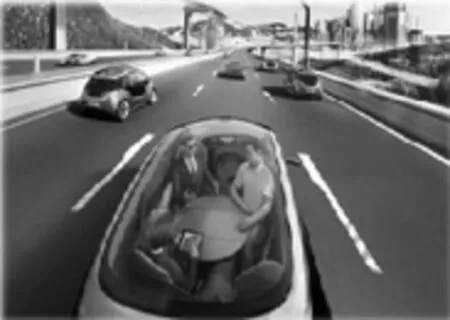
Have you ever seen a car without a driver? It sounds crazy,but these computer-driven driverless cars will soon be filling roads near you.Companies like Google and Tesla have been inventing and testing these cars,and the technology is there—they just need to see if they’re worth the money,work out insurance issues(保險問題),and run final tests to check if they can run with human-driven cars on the road.
So how do they work?The cars have sensors all around which can find other cars and obstacles in the road.Sensors on the wheels also help when parking,so the car knows how far it is from the kerb or other parked cars.Road signs are read by cameras,and satellite navigation systems are used so the car knows how to get to your destination.All you have to do is type in the address! Finally,a central computer system takes in all the infor-mation it receives from the sensors and cameras and processes this to work out when to accelerate,brake and turn.
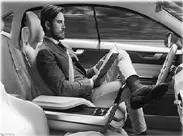
Sound like your idea of heaven? Sitting back,looking out of the windows and even watching a film or reading a book while ‘driving’would be possible with this new technology.You wouldn’t have to worry about remembering directions to where you’re going.In addition(此外),they would also drive more safely than people.
However,there are many shortcomings of driverless cars.If a child ran into the road,would the computer choose to hit the child or turn suddenly and possibly kill the car’s passengers? In addition,some legal problems will need solving.Should children,or drunk people,be allowed in a driverless car by themselves?Or would there need to be a responsible adult with a driving license in the car at all times?
◆詞語積淀
sensor/'sens?(r)/n.傳感器;探測器
obstacle/'?bst?k?l/n.障礙;干擾
kerb/kз?b/n.道沿;路邊石
navigation/,n?v?'ge??n/n.航行;航海
destination/,dest?'ne??n/n.目標;目的地
process/'pr?uses/v.加工;處理
accelerate/?k'sel?re?t/v.加快;加速
responsible/r?'sp?ns?bl/adj.盡責的;懂道理的
◆典句賞析
1.It sounds crazy,but these computer-driven driverless cars will soon be filling roads near you.這聽上去很瘋狂,但是這種電腦駕駛的“無人駕駛汽車”將會遍及我們的周圍。
sound這里作為連系動詞,形容詞crazy作其表語;在后一個分句中,these computer-driven driverless cars是句子的主語。
【即時嘗試】這聽上去很可笑,但這是事實。
2.All you have to do is type in the address!你所要做的就是輸入地址。
句子中的you have to do是定語從句,修飾先行詞all,關系代詞that在從句中作賓語,已經被省略。
【即時嘗試】你所要做的就是更加努力地學習。
3.Or would there need to be a responsible adult with a driving license in the car at all times?或者是否需要有駕照并有責任感的成人一直坐在這種車上?
there would need to be...是there be句型,意為“將有必要……”,其中need是實義動詞;at all times是常見的介詞短語,意為“一直,始終”。
【即時嘗試】這將有必要讓他來一趟,解釋他的理由。
譯文助讀
你見過無人駕駛的汽車嗎?這聽上去很瘋狂,但是這種電腦駕駛的“無人駕駛汽車”將會遍及我們的周圍。像谷歌和特斯拉這樣的公司一直在研發和測試這種汽車,此種技術已出現——他們只需看看是否有價值、涉及的相關保險問題,以及做最后的測試來檢驗這種汽車是否能與人工駕駛的車輛在公路上并行。
那么這種汽車是怎么工作的呢?車全身安裝有能夠探測路上每個方向的車輛或障礙物的傳感器,安裝在車輪上的傳感器在停車時也能起作用,因此車能感知到它距離道沿或其他所停的車的距離。路標上裝有攝像頭,運用衛星巡航系統,所以“無人駕駛汽車”知道怎樣到達目的地。乘坐人所要做的就是輸入地址,最后,一臺中樞電腦系統吸收傳感器和攝像機傳來的全部信息,加工后輸出加速、剎車和轉向燈等指令。
是不是聽上去像是天方夜譚?坐在后排,乘坐人可以領略窗外的風景,甚至看電影或看書,而汽車在新科技的操縱下行駛,你不必擔心你辨不清方向。此外,它的駕駛比人類更安全。
但“無人駕駛汽車”還有諸多不足:例如,如果行駛途中突然路上有名小孩,電腦是選擇撞上小孩呢?還是急轉彎呢?如果急轉彎,這有可能對乘坐人造成傷害。另外還有一些法律問題需要解決——小孩子或者醉酒者是否可以獨自乘坐“無人駕駛汽車”?是否需要有駕照的并有責任感的成人一直坐在這種車上?
猜你喜歡
閱讀與作文(英語高中版)(2020年3期)2020-03-03 14:08:42
汽車與安全(2019年9期)2019-11-22 09:48:03
文苑(2019年20期)2019-11-16 08:52:38
閱讀與作文(英語高中版)(2019年11期)2019-09-10 07:22:44
學生天地(2019年29期)2019-08-25 08:52:26
小主人報(2018年11期)2018-06-26 08:52:18
北極光(2018年12期)2018-03-07 01:01:58
兒童時代·快樂苗苗(2017年7期)2018-01-24 18:28:45
作文大王·低年級(2016年4期)2016-04-18 00:24:37
決策探索(2014年21期)2014-11-25 12:29:50