熱軋并酸洗的高強度鋼板的試制
2017-12-07 02:12:13孫成錢時曉光劉仁東
上海金屬 2017年6期
關鍵詞:力學性能
孫成錢 董 毅 時曉光 韓 斌 劉仁東 張 宇
(鞍鋼集團鋼鐵研究院,遼寧鞍山 114009)
熱軋并酸洗的高強度鋼板的試制
孫成錢 董 毅 時曉光 韓 斌 劉仁東 張 宇
(鞍鋼集團鋼鐵研究院,遼寧鞍山 114009)
通過1 780 mm熱連軋機熱軋和1 700 mm酸洗機組酸洗,試制了一種高強度鋼板。研究了試制鋼板的顯微組織和力學性能。試驗結果表明,鋼板的顯微組織由鐵素體和貝氏體組成,其抗拉強度高于630 MPa,屈服強度達到500 MPa以上,斷后伸長率大于20%。對試制鋼板進行了預應變處理,測定了經過預應變的鋼板的力學性能。發現,隨著預應變率的增大,鋼板的橫向和縱向抗拉強度及橫向屈服強度也增大;當預應變率<2.0%時,隨著預應變率的增大,鋼板的縱向屈服強度先降低后增大,但變化幅度很小;鋼板的橫向和縱向斷后伸長率均隨著預應變率的增大而降低。
鐵素體 貝氏體 熱軋 酸洗 力學性能 預應變
熱軋酸洗鋼板是在熱連軋機上熱軋,隨后經酸洗機組酸洗去除氧化鐵皮,其表面質量和性能介于熱軋鋼板和冷軋鋼板之間,可部分替代熱軋鋼板和冷軋鋼板[1- 4]。目前,鋼鐵市場行情嚴峻,熱軋酸洗鋼板的表面質量比熱軋鋼板好,在保證表面質量和使用性能的前提下,可使用戶降低生產成本,對于鋼鐵企業來說,也是確保盈利的產品之一。
本文通過1 780 mm熱連軋機熱軋和1 700 mm酸洗機組酸洗,試制了一種高強度鋼板,研究了鋼板的顯微組織和力學性能。
1 試制鋼板的化學成分和試制工藝
1.1 化學成分及試制工藝
試制鋼板的化學成分見表1。

表1 試制鋼板的化學成分(質量分數)Table 1 Chemical composition of the trial- produced steel plate (mass fraction ) %
試制的鋼板在1 780 mm熱連軋機上熱軋,隨后在1 700 mm酸洗機組上酸洗試制。試制工藝路線為:鐵水預處理→轉爐冶煉→爐外精煉→連鑄→加熱→軋制→層流冷卻→卷取- 開卷- 酸洗- 卷取。具體工藝參數為:將厚度為230 mm的連鑄坯加熱至1 220 ℃,保溫約2.5 h后熱軋,精軋的終軋溫度為880~900 ℃,鋼板出精軋機組后以大于50 ℃/s的冷速冷卻至560~600 ℃卷取,然后鹽酸酸洗。成品鋼板的厚度為3.5 mm。
1.2 顯微組織和力學性能檢測
鋼板經熱軋及酸洗、卷取后,沿其縱向切取試塊并制備金相試樣和拉伸試樣,檢測鋼板的顯微組織和力學性能[5]。
2 結果與分析
2.1 顯微組織
試制鋼板經熱軋及酸洗后的顯微組織見圖1。由圖1可知,鋼板的顯微組織主要由鐵素體和貝氏體組成。
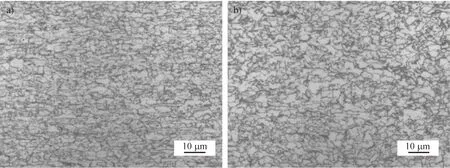
圖1 試制鋼板(a)頭、(b)尾部的顯微組織(4%硝酸酒精腐蝕)Fig.1 Microstructures at (a) head and (b) tail of the trial- produced steel plate (etched by 4% Nital)
2.2 力學性能
對3.5 mm厚的試制鋼板取樣檢測力學性能,拉伸試樣為縱向試樣,結果見表2。
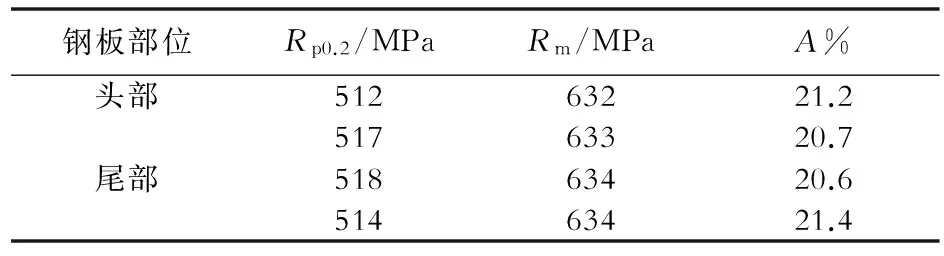
表2 試制鋼板的力學性能Table 2 Mechanical properties of the trial- produced steel plate
由表2可知,試制鋼板的力學性能良好,抗拉強度大于630 MPa,屈服強度達到500 MPa以上,斷后伸長率大于20%。
2.3 預應變試驗
首先在拉伸試驗機上分別對鋼板預拉伸至0、0.2%、0.5%、1.0%、1.5%、2.0%、3.0%的總應變(簡稱預應變),卸載再拉伸至試樣斷裂,最終測定不同預應變條件下試制鋼板的強度和斷后伸長率的變化,結果見表3和圖2。
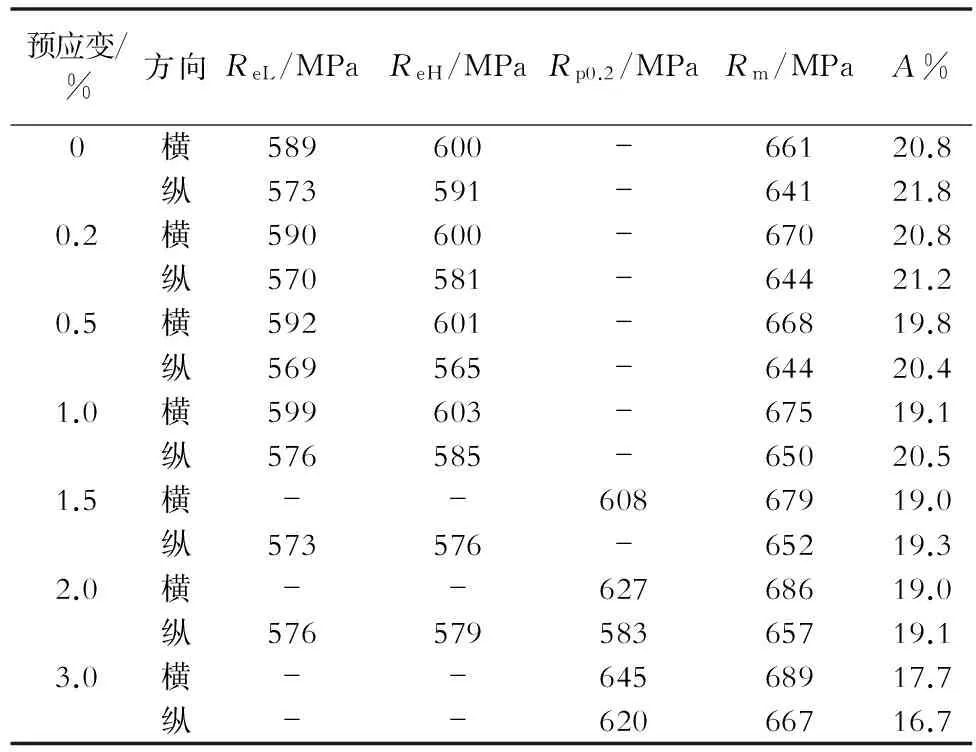
表3 經預應變的試制鋼板的力學性能Table 3 Mechanical properties of the trial- produced steel plate pre- strained to different extents
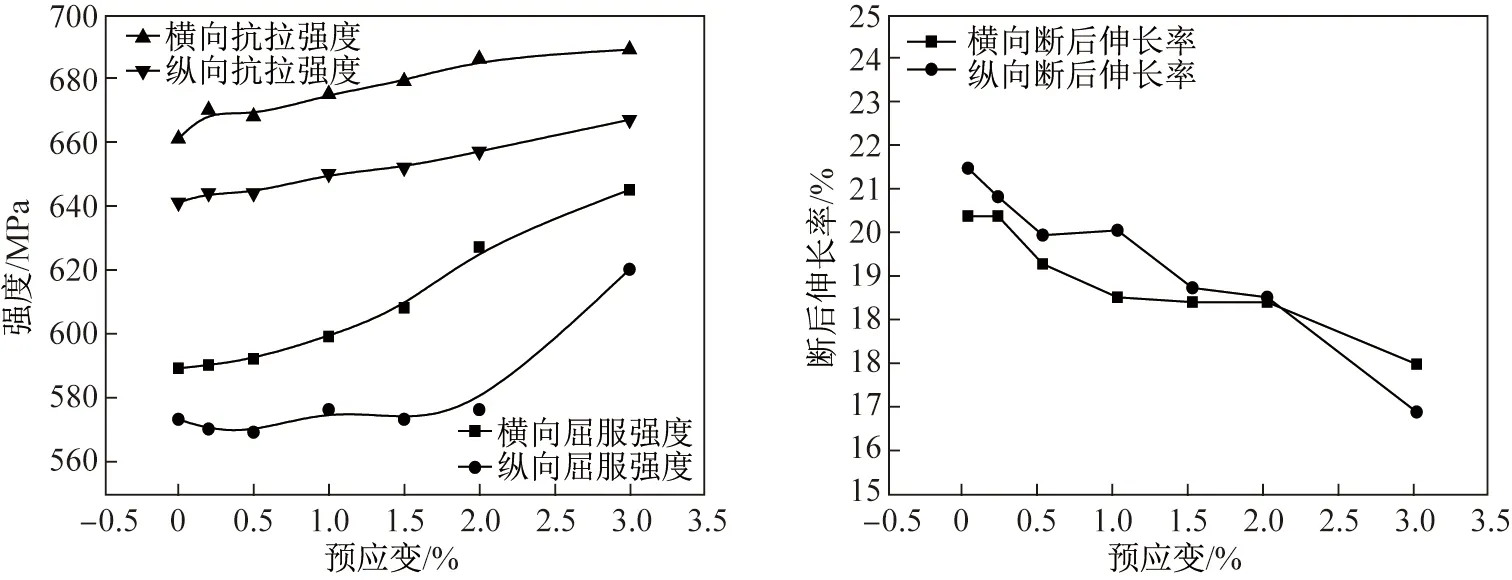
圖2 試制鋼板的(a)強度和(b)斷后伸長率隨預應變率的變化Fig.2 Variation of (a)strength and (b)elongation with pre- strain rate for the trial- produced steel plate
由圖2(a)可知,隨著預應變率的增大,鋼板的橫向、縱向抗拉強度和橫向屈服強度均增大。當預應變率<2.0%時,隨著預應變率的增大,縱向屈服強度先降低后增大,但變化幅度很小。圖2(b)為鋼板的橫向和縱向斷后伸長率隨著預應變率的變化,可見,鋼板的橫向和縱向斷后伸長率均隨著預應變率的增大而降低。
3 應用
試生產的鋼板已在某汽車廠成功沖壓成汽車零件,如圖3所示。
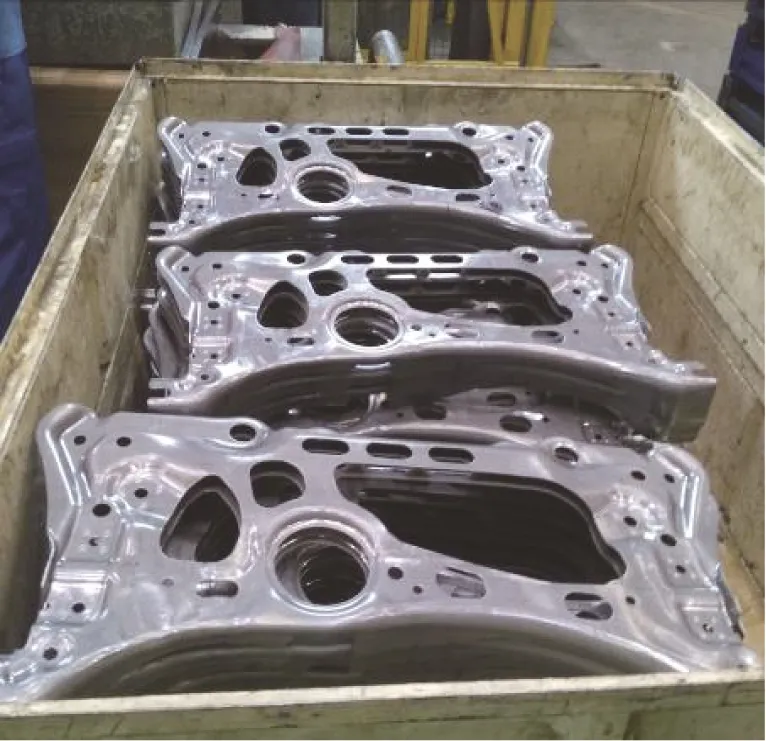
圖3 用試制鋼板沖壓的汽車零件Fig.3 Automotive parts made from the trial- produced steel plate by stamping
4 結論
(1)通過1 780 mm熱連軋機熱軋和1 700 mm酸洗機組酸洗試制的高強度鋼板,其顯微組織主要由鐵素體和貝氏體組成,抗拉強度大于630 MPa,屈服強度達到500 MPa以上,斷后伸長率大于20%。
(2)隨著預應變率的增大,鋼板的橫向、縱向抗拉強度和橫向屈服強度均增大;當預應變率<2.0%時,隨著預應變率的增大,鋼板的縱向屈服強度先降低后增大,但變化幅度很小;鋼板的橫向和縱向斷后伸長率均隨著預應變率的增大而降低。
[1] 所文升,李紅翠.熱軋酸洗板的開發[J].山西冶金,2012,5(1):32- 34.
[2] 陳永和,周銘,顧衛偉.國內外酸洗熱軋板的生產及發展[J].上海金屬,2007,29(5):71- 81.
[3] 范細忠,楊旭,郭寶安,等.1580線熱軋酸洗板質量控制[J].鞍鋼技術,2015(3):53- 57.
[4] 汪建威.壓縮機用熱軋酸洗板沖壓開裂原因分析及對策[J].安徽冶金科技職業學院學報,2016,26(3) :22- 24.
[5] 方圓,陽代軍,張宏艷,等.汽車大梁鋼510L沖壓開裂原因分析[J].熱加工工藝,2012,41(3):169- 172.
收修改稿日期:2017- 09- 05
AHigh-strengthSteelPlateTrial-producedbyHot-rollingfollowedbyPicking
Sun Chengqian Dong Yi Shi Xiaoguang Han Bin Liu Rendong Zhang Yu
(Ansteel Group Iron and Steel Research Institute, Anshan Liaoning 114009, China)
A high- strength steel plate was trial- produced by hot- rolling in a 1 780 mm hot tandem mill followed by pickling in a 1 700 mm pickling line. The trial- produced steel plate was subjected to microstructural survey and mechanical property measurements. The results showed that the steel plate exhibited microstructure composed of ferrite and bainite, and tensile strength more than 630 MPa, yield strength more than 500 MPa, and elongation more than 20%. From measurements of mechanical properties of the trial- produced steel plate which underwent pre- strain, it was discovered that as the pre- strain rates increased so too did the transverse and longitudinal tensile strength, and transverse yield strength of the steel plate. With the increase of pre- strain rate that was less than 2%, the longitudinal yield strength first decreased and then increased slightly, and the transverse and longitudinal elongations first increased and then decreased,for the trial- produced steel plate.
ferrite,bainite,hot- rolling,pickling,mechanical property,pre- strain
孫成錢,男,工程師,碩士,主要從事金屬材料加工及熱處理和汽車用鋼研制開發,Email:ag_scq@163.com
猜你喜歡
材料與冶金學報(2022年2期)2022-08-10 09:15:46
云南化工(2021年11期)2022-01-12 06:06:14
山東冶金(2019年3期)2019-07-10 00:54:00
中國鑄造裝備與技術(2017年3期)2017-06-21 11:33:46
中國塑料(2016年6期)2016-06-27 06:34:16
西安工程大學學報(2016年2期)2016-06-05 12:25:17
中國塑料(2015年12期)2015-10-16 00:57:14
中國塑料(2015年9期)2015-10-14 01:12:26
中國塑料(2015年4期)2015-10-14 01:09:18
焊接(2015年9期)2015-07-18 11:03:53