
所有一切,現(xiàn)在就要!
2017-06-06 08:02:33ByOmMalik
英語學(xué)習(xí) 2017年5期
By+Om+Malik
今年是iPhone誕生的第十個年頭。自問世以來,iPhone已贏得無數(shù)忠實用戶。究竟是什么原因讓iPhone在短短10年里成為億萬“果粉”密不可分的生活必需品?我們習(xí)以為常的生活習(xí)慣發(fā)生了怎樣的改變?iPhone與其他智能手機將走向何方?未來世界又會因智能手機發(fā)生怎樣的巨變呢?
On January 9, 2007, the iPhone was announced.“Apple is making the phone do all things a computer does,” I wrote that day, adding,“While I am not suggesting that this replaces our notebooks or desktops for crucial productivity tasks, the iPhone (if it lives up to its hype1) is at least going to decrease our dependence on [them].” That, at least, turned out to be right. I am writing these words using the iPhone 7 Plus.
What I didnt see—and could hardly have imagined—was how quickly we would not only adopt smartphones but become entirely dependent on them. According to estimates from the research firm eMarketer, in 2017 there will be 2.3 billion smartphone users worldwide, accounting for about 53.1 per cent of the total number of mobile-phone users—a smartphone tipping point2, according to Cathy Boyle, a mobile analyst with eMarketer.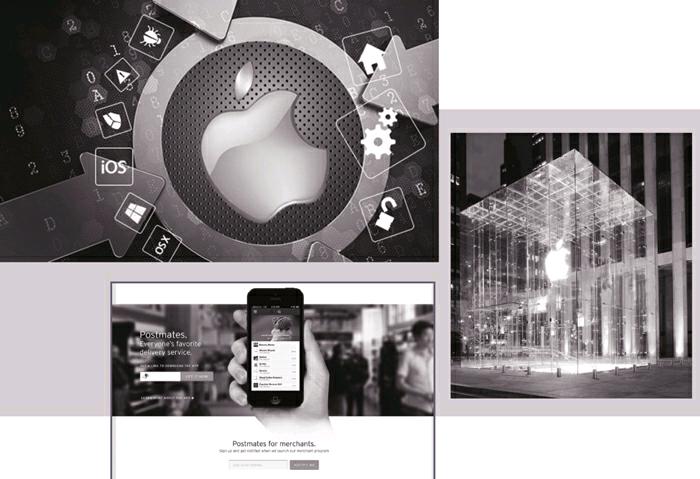
Over the December holidays, I tried but failed to live without my iPhone. With will power, I could tune out socialmedia apps like Twitter and Facebook, but other daily tasks, like calling a cab or ordering food, were a hassle.3 I called some of my favorite San Francisco restaurants, and they referred me to services like Postmates and Caviar;4 they had stopped delivering orders on their own. It seems that I have become accustomed to a certain behavior: tap the screen, open an app, and do something—listen to Spotify, adjust a Nest thermostat,5 check the number of steps Ive walked. Your new DJI Mavic drone needs the iPhone.6 We can barely find our way anywhere without G.P.S.-enabled maps on our phones. From our cars to our connected devices, the iPhone is a key to everything, for now and for the near future. In a recent survey of 1,003 Americans by the Boston Consulting Group, a third of the respondents said that they would rather give up sex for a year than lose access to their mobile device. At the recently concluded Consumer Electronics Show, in Las Vegas, although Amazons Alexa might have attracted the most buzz7, the importance of the iPhone and other smartphones was undeniable. Many wearables and devices within the Internet of Things,8 like a connected hairbrush or adjustable light bulbs, still need to be controlled via app.
Cornerstone technologies (such as the steam engine and the internal-combustion9 engine), when coupled with the right user experience (the passenger-carrying environment within trains, ships, cars, and planes, for example), can act like time machines.They re-factor how we conceive of distance, place, and time. They blur the near and distant, making everything faster, which then has a behavioral and societal impact. Each cornerstone technology makes the world a bit more convenient, quicker, and a bit more unsettling.
The iPhone—and all smartphones—redefined how we think about time and place. They have sped up our world. Before computers became pocket-size, we had to log on to the network on our laptops (or struggle with Treo or BlackBerry) to get to a Web site. The friction10 of that process kept certain services, from on-demand grocery delivery to online banking, from evolving in scale and effectiveness. The iPhone and its descendants11 removed the friction, and now everything is available with only a tap. Those objects have turned us into even more of an instant-gratification society.
I remember waiting for the morning newspaper. Now vital news is a tweet, flowing through the network and making its way to us almost immediately. A decade ago, it was O.K. to call and then wait 20 minutes for a cab. Today, if our Uber12 is more than two minutes late, we are irritated by the delay. Finding a partner, too, has been reduced to a swipe left or a swipe right.13 “Everything, now!” is our societys motto.
The iPhone also gave birth to a whole range of new capabilities. Prior to the iPhone, mobile phones had very few chips. The demand for gyrometers, accelerometers,14 digital cameras, touch capabilities, and other such sensors didnt really exist. After the iPhone, it is hard to find a phone that doesnt have these, as well as others. Stand-alone components have seen their prices decline rapidly, and as a result you see small robots, drones, and many other such devices making it to the market.
The race between Apple and Google (and Qualcomm15) has turned todays mobile phones into computing powerhouses, and the chips inside them have made it possible to do difficult tasks on mobile, such as editing videos and playing video games. These unintended consequences of the iPhone are what the former Wired editor-in-chief and author Chris Anderson calls the “smartphone dividend16.”
From health care to transportation, the iPhone has touched and changed nearly everything. At the launch of the iPhone, one mobile analyst quipped17 that the mobile world would be split into two phases—before iPhone and after iPhone. A decade in, we can safely say that assuming only the mobile world would be transformed was thinking too small.
2007年1月9日,第一代iPhone發(fā)布。“蘋果公司正在讓手機實現(xiàn)電腦的所有功能”,當(dāng)天我寫道,并補充說明,“雖然我不是想暗示iPhone會取代筆記本電腦或者臺式電腦完成一些至關(guān)重要的工作,但起碼iPhone(如果iPhone廣告沒有言過其實的話)會減弱我們對電腦的依賴。”在這一點上,至少我說對了。此刻我正用iPhone 7 Plus寫下這些文字。
但我沒有預(yù)計到——也很難想象到——在這樣短的時間里,我們不僅接受了智能手機,而且變得完全離不開它們了。據(jù)調(diào)查公司eMarketer估計,在2017年,世界范圍內(nèi)的智能手機用戶將達到23億,占手機用戶總數(shù)的53.1%。供職于eMarketer的手機行業(yè)分析師凱西·波義耳認(rèn)為,這是智能手機的臨界點。
12月假日期間,我試圖過一過沒有iPhone的生活,但失敗了。在努力克制自己的情況下,我可以不用推特和臉書之類的社交軟件,但其他諸如打車、叫外賣等日常需求則成了大問題。我給一些我在舊金山最喜愛的餐廳打電話叫外賣,他們卻讓我使用Postmates和Caviar訂餐,因為店家自身已經(jīng)不提供外送服務(wù)了。我似乎已經(jīng)習(xí)慣了某種行為模式:輕輕點一下屏幕,打開某個軟件,然后干些什么,比如用Spotify聽聽音樂,調(diào)一下Nest溫控器,查查我走過的步數(shù)。你的新款大疆Mavic無人機需要iPhone。要是沒有手機上的GPS導(dǎo)航我們幾乎找不著路。從汽車到我們使用中的各種設(shè)備,iPhone是一切的鑰匙,現(xiàn)在如此,不久的將來也一樣。最近,波士頓咨詢公司向1,003個美國人進行的一項調(diào)查顯示,三分之一的受訪者表示他們寧可一年沒有性生活,也不愿忍受沒有手機的生活。在最近閉幕的美國拉斯維加斯消費電子展上,亞馬遜推出的Alexa語音助手可能是最受關(guān)注的,但iPhone和其他智能手機的重要性也不可否認(rèn)。物聯(lián)網(wǎng)下的許多可穿戴設(shè)備與裝置,比如有聯(lián)網(wǎng)功能的梳子或者可調(diào)控的燈泡,仍然需要通過手機軟件來控制。
起到奠基作用的技術(shù)(比如蒸汽機和內(nèi)燃機),一旦配上合適的用戶體驗(比如火車、輪船、汽車和飛機上的載客環(huán)境),就會產(chǎn)生時光機一般的作用。這些技術(shù)重構(gòu)了我們對距離、空間與時間的理解,模糊了近與遠的差別,讓一切變得更加迅速,從而給人們的行為和社會產(chǎn)生影響。每一項奠基技術(shù)在為世界多提供一點便捷的同時也帶來了一絲不安。
iPhone和其他智能手機重新定義了我們對時間和空間的理解,為我們的世界加速。在電腦變成小到可揣進口袋之前,我們必須用筆記本電腦(或是艱難地用Treo手機或黑莓手機)聯(lián)網(wǎng)才能瀏覽網(wǎng)站。聯(lián)網(wǎng)過程的繁瑣讓某些服務(wù)——從即時商品配送到網(wǎng)上銀行——無法在規(guī)模上和效率上發(fā)展起來。iPhone系列和其他智能手機解決了這個難題,如今一切都易如反掌,只需輕輕一點。這些產(chǎn)品讓我們朝“即時滿足”型社會更進了一步。
我還記得等待晨報的經(jīng)歷,而如今任何重大新聞只需要通過一條推特消息,幾乎瞬間就穿越網(wǎng)絡(luò)呈現(xiàn)在我們眼前。10年前,叫車等上個20分鐘還可以接受;如今,要是優(yōu)步約車遲到了兩分鐘,我們就會不耐煩了。找對象現(xiàn)在也簡化到只需要向左滑或是向右滑。“所有一切,現(xiàn)在就要”成了我們當(dāng)下社會的口號。
iPhone也催生出一系列新的性能。iPhone問世之前,手機只有非常少的芯片,所以基本不需要陀螺儀、加速計、數(shù)碼照相機、觸碰功能元件和其他這種類型的傳感器。但iPhone問世之后,就很難找到一臺沒有裝置這些或者其他元件的手機了。獨立元件的價格大幅下降,因此小型機器人、無人機和其他此類設(shè)備才得以走向市場。
蘋果與谷歌(還有高通公司)之間的競爭讓今天的手機具備強大的計算能力,而手機內(nèi)置的芯片讓我們可以在手機上處理復(fù)雜的任務(wù),比如編輯視頻以及玩電子游戲。這些iPhone無意間帶來的結(jié)果被《連線》雜志前主編與供稿人克里斯·安德森稱為“智能手機紅利。”
從醫(yī)療保健到交通出行,iPhone已經(jīng)幾乎涉及并改變了所有領(lǐng)域。在iPhone發(fā)布之初,有位手機行業(yè)分析師曾打趣道,手機世界會分為兩大時期:iPhone前和iPhone后。10年過去了,我們可以放心地說:認(rèn)為只有手機世界會被改變未免也太不敢想了。
1. hype: 大肆的廣告宣傳。
2. tipping point: 臨界點。
3. tune out: 關(guān)掉,不理睬;hassle:麻煩,困難。
4. Postmates: 美國同城按需快遞公司,還提供送餐服務(wù);Caviar: 一個在線訂餐網(wǎng)站。
5. Spotify: 全球最大的正版流媒體音樂服務(wù)平臺;Nest thermostat: Nest恒溫器,是美國Nest Lab智能家居設(shè)備商推出的具有自我學(xué)習(xí)功能的智能溫控裝置,用戶可用手機對其進行遠程遙控。
6. DJI: 大疆,成立于2006年,是全球領(lǐng)先的無人機研發(fā)和生產(chǎn)商;drone: 無人機。
7. buzz: 騷動。
8. wearable: 可穿戴設(shè)備;Internet of Things: 物聯(lián)網(wǎng),指把任何物品與互聯(lián)網(wǎng)相連接,進行信息交換和通信,以實現(xiàn)智能化識別、定位、跟蹤、監(jiān)控和管理的一種網(wǎng)絡(luò)。
9. combustion: 燃燒。
10. friction: 摩擦力。
11. descendant: 后代,派生物。
12. Uber: 優(yōu)步,是美國硅谷的一家科技公司,主打叫車app及自動駕駛汽車。
13. 此處應(yīng)指的是社交軟件Tinder。Tinder會根據(jù)地理位置為用戶推薦附近的異性,這些推薦都是根據(jù)用戶在Facebook上的共同好友、興趣等眾多因素分析而來。用戶對推薦人選感興趣則右滑,否則則左滑。兩人同時感興趣才可以開始發(fā)送消息。
14. gyrometer: 陀螺儀;accelerometer:加速計。這兩個元件都可以檢測到用戶常見的操作設(shè)備的動作移動,加速計可以檢測到線性的變化,比如晃動手機,陀螺儀則可以更好的檢測到偏轉(zhuǎn)的動作,手機里的很多體感游戲控制都會用到,比如運動類游戲、飆車游戲等等。
15. Qualcomm: 美國高通公司,是全球3G、4G與下一代無線技術(shù)的領(lǐng)軍企業(yè),并致力于引領(lǐng)全球5G之路,目前已經(jīng)向全球100多位制造商提供技術(shù)使用授權(quán),涉及世界上所有電信設(shè)備和消費電子設(shè)備的品牌。
16. dividend: 紅利。
17. quip: 說俏皮話。
猜你喜歡
紅領(lǐng)巾·萌芽(2022年9期)2022-11-24 05:55:58
中國特種設(shè)備安全(2022年6期)2022-09-20 02:52:28
英語文摘(2020年5期)2020-09-21 09:26:30
趣味(語文)(2018年8期)2018-11-15 08:53:00
電子制作(2018年11期)2018-08-04 03:26:08
商用汽車(2016年11期)2016-12-19 01:20:16
商用汽車(2016年6期)2016-06-29 09:18:54
商用汽車(2016年4期)2016-05-09 01:23:12
工業(yè)設(shè)計(2016年12期)2016-04-16 02:52:00
創(chuàng)業(yè)家(2015年5期)2015-02-27 07:53:25

- 英語學(xué)習(xí)的其它文章
- 斯人已逝,幽思長存
- 酷酷地說(5)
- 中華文化術(shù)語選篇
- 微言天下
- 這句名言應(yīng)該如何譯?
- 《米其林情緣》