Yahoo: selling off the Company’s Flagging Internet Businesses
2016-02-29 11:08:30
中國經貿聚焦·英文版
2016年1期
Yahoo could use the simple truth rather than a complex report from consultants. The internet company has hired McKinsey for advice on which businesses to invest in, and which to sell or shut down. Its unclear, though, what management consultants can do to arrest the companys descent that a procession of chief executives hasnt already tried.
Marissa Mayer has been Yahoos boss for three years. Thats longer than her five predecessors lasted, and each served between 2005 and 2012. While Mayer has tried to inject some excitement into the company by investing in mobile, video and social technologies, the results have done little more than increase revenue. Net income next year will be roughly half what it was in 2012, analysts project.
Yahoos plan to redouble its efforts in internet search may not help much. Google already dominates in that area but is worried about searchs future, given that Facebook is siphoning away a big chunk of internet advertising. That bodes ill for Yahoos ability to make money where Google has concerns.
Wall Street has lost faith as well. Yahoos biggest asset is its $32 billion stake in Chinese e-commerce firm Alibaba, a figure that equals Yahoos total market capitalization. The company does own an $8 billion stake in Yahoo Japan and has a few billion dollars in net cash on its books. The market seems to assume, however, that Yahoos plans to spin off its Alibaba shares in a tax-free deal will fail – and that the companys rump business is essentially worth nothing.
The biggest problem may be that technology companies – and especially internet firms – are awfully tough to turn around. Talented engineers are in demand, and its unlikely the struggling Yahoo can match Google paychecks, Facebooks grand ambitions or startupsability to stir excitement with bleedingedge technology.
Working at Yahoo also comes with the real risk of being laid off. That may be why Mayer has asked top executives to commit to stay with the company for another three to five years.
Yahoos Board Debates Selling Core Business
Yahoos board is debating selling some of its core assets.
The board will meet to review the plan for its spinoff of $32 billion in Alibaba shares and possibly debate selling Yahoos core online businesses. The board has received letters from multiple shareholders in recent days regarding the plan.
Ivan Feinseth, chief investment officer of Tigress Financial Partners, said that if Yahoo was to sell its main growth operations — the mobile, video, native advertising and social media (Mavens) units — all that would remain would be the poorly performing Internet search business. Selling both Mavens and the search unit would mean “there would be nothing left of the company,” he said.
“I dont know why anybody would want to buy a line of business thats in decline and has stiff competition from Google and Microsoft,” Feinseth said, referring to the search and “paid click advertising” unit. Alibaba itself could be interesting in buying the Mavens business, he added.
Mark Tinker, head of Framlington Equities Asia at AXA Investment Managers, said that other than Alibaba, Yahoos businesses were not particularly enticing.
“All of these U.S. Internet giants are struggling to access the 670 million Chinese that are online, and obviously Alibaba is a key part of that,” Tinker said. “If you spun off that, what have you got left? Youve got something that cant compete with other big players.”
He said investors should view Yahoo stock as a restructuring proposition, not a growth one.
Yahoo Chief Executive Marissa Mayer is in the fourth year of her turnaround effort at the struggling online company, which faces headwinds ranging from the departure of key executives to uncertainty over whether the massive Alibaba spinoff will qualify for tax-free status.
The Internal Revenue Service has refused to give Yahoo an assurance that the deal would not incur a tax bill when it moved the Alibaba stake into separate entity called Aabaco. Yahoo paid $1 billion in 2005 for a 40 percent stake in the Chinese internet giant.
Meanwhile, net revenue has fallen from $5.4 billion in 2008 to a projected$4 billion this year, while headcount was at 11,500 in September, down 32 percent from when Mayer was hired in July 2012.
Adding to Mayers difficulties, activist investor Starboard Value has asked Yahooto drop plans to sell its Alibaba stake and offload its core search and display advertising businesses instead. And in November, Standard & Poors cut its unsolicited rating outlook on Yahoo to negative from stable, citing prospects for poor revenue growth and higher costs for acquiring traffic.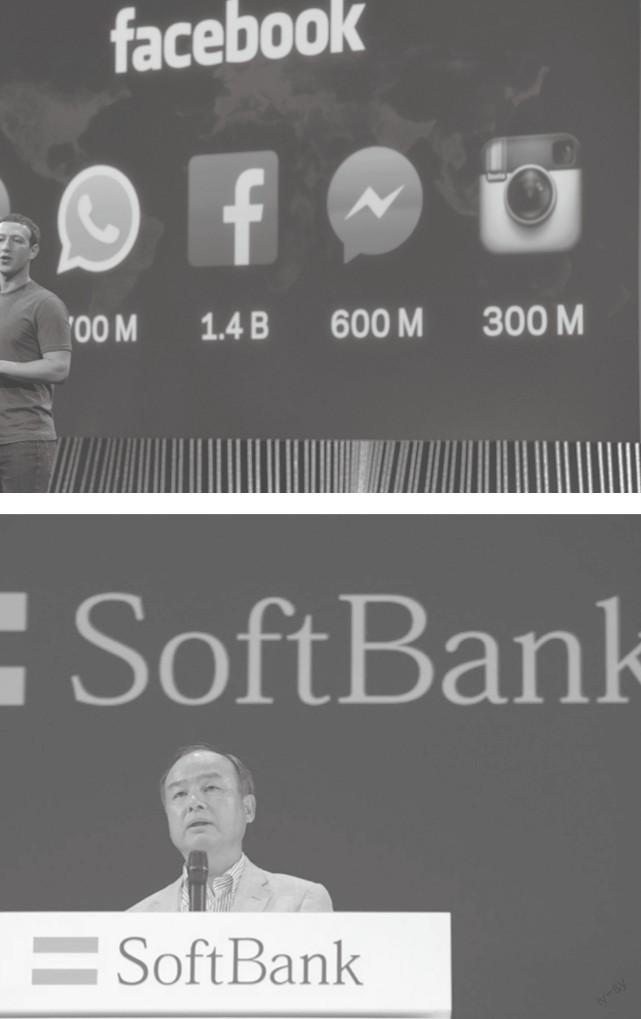
The best buyer for Yahoos core internet business ——Alibaba?
Yahoos board will meet to consider what was once a little more than a farfetched activist investor fantasy—the sale of its core internet business.
This raises an important question: What exactly is Yahoos core internet business?
The answer might surprise some Yahoo detractors. Despite investorsdisappointment with CEO Marissa Mayer, and the fact that the market has considered the companys core business“worthless” for years now, Yahoo still commands one of the largest internet audiences in the world, with over 1 billion worldwide users. For none other than Alibabas Jack Ma, who has been pushing into the media business in mainland China and beyond, a Yahoo purchase would allow the company to leapfrog every global news provider except Reddit and CNN.
Importantly for Alibaba, which has been trying to grow its online shopping platforms and its own browser outside China, Yahoo currently has 59 different local sites, most of them in local languages, that provide hard news, entertainment, and local stock prices, and command active, engaged audiences. Yahoo.com is one of the top 10 websites in fast-growing online markets like Indonesia, the Philippines, and Mexico.
Globally, Yahoos websites draw more users than everyone but Google, Facebook, Youtube, and Chinese search engine Baidu, according to Alexa. Even in the US, where investors have poured money into alternate news media and social networking sites from Business Insider to Snapchat, Yahoo is a leading internet player—and, potentially interesting for Alibaba, commands millions more users than Amazon:
At the bare minimum, buying up the platform that Yahoos billion global users interact with would allow Alibaba to get its shopping platforms, with local language translations, in front of new potential customers via advertisements, special local offers, and promotions. It would also help Alibaba build up a new corral of non-Chinese corporate clients who are trying to expand into ecommerce. (Unlike Amazon, Alibaba makes its money from advertisements on its shopping platforms, not the merchandise sold itself.)
But Alibaba has proven much more savvy than offering “the bare minimum” to its own Chinese users. Its also rolled out brand-new loan products, for instance, and helped make mobile payments ubiquitous, while moving aggressively into entertainment—all of which Ma might be eager to take global. Yahoos 11,000 employees present plenty of other upsides for Alibaba, too, including a pool of hundreds, maybe thousands, of engineers—perhaps just the kind of talent Alibaba was looking for this year.
Yes, theres plenty of downside to such a combination, from culture wars to integration mishaps (not to mention the fact that neither company has ever expressed interest in such a deal). The political push back to the combination could be considerable, depending in part on how much control Alibaba would want over Yahoos news content. In the most extreme scenario, a deal could open the door for the Chinese government to spread propaganda far beyond its recent engagement with Facebook and Twitter.
On the plus side for Ma, though, judging by the fact that investors recently valued Yahoos core business at less than nothing, a deal would likely come with a pretty attractive price tag.
Alibaba Unlikely to Pursue Yahoos Core Business, Yahoo Japan Stake.
Chinese e-commerce company Alibaba Group Holding Ltd. is unlikely to pursue U.S. Internet portal Yahoo Inc.s flagging core business, according to a person familiar with Alibabas thinking.
Buying Yahoos core Internet business, should it be offered for sale, isnt attractive given the difficulties successive managers have had in turning it around, the person said. Alibaba isnt interested in Yahoos stake in Yahoo Japan Corp. either, the person said.
In addition, Alibaba would only be interested in repurchasing Yahoos 15% stake in Alibaba if it came at a steep discount that raised earnings per share, the person said.
Yahoos board is holding a series of meetings to consider selling off the Internet businesses. Among its options, Yahoo is weighing how to make the most of its stake in Alibaba, currently valued at more than $30 billion, and its 35% stake in Yahoo Japan, now valued at roughly $8.5 billion.
Given its stake in Alibaba, Yahoos strategic review raised the option for the Chinese company to come in and buy back its shares and, potentially, purchase other parts of Yahoo. It is unclear whether Alibabas interest in these assets could change over time. For now, the person familiar with Alibabas thinking said the company is passing.
Regarding Yahoos core business, the person said Alibaba has little interest in striking a deal for an operation that has floundered in recent years. Yahoo has experienced a decline in sales of its desktop display advertising and has been eclipsed by younger competitors such as Facebook Inc. and Google Inc. The companys management faces investor pressure to consider alternatives to the current turnaround attempt.
For Alibaba, the person said, buying Yahoos stake in Yahoo Japan is unattractive because it would amount to a minority position in a business controlled by Japans SoftBank Group Corp., the largest shareholder. SoftBank owns a 43% stake in Yahoo Japan.
Yahoo is discussing the possibility of a spinoff of its core Internet business. Who are potential buyers and what does the future for CEO Marissa Mayer look like?
Using cash to buy back Yahoos Alibaba stake would likely weaken Alibabas balance sheet and limit its ability to do strategic deals elsewhere, the person said. In its most recent earnings report, Alibaba said it had $16.6 billion in cash, cash equivalents and short-term investments.
Three years ago, Alibaba bought about half of Yahoos then-40% stake in a deal valued at roughly $7.6 billion, with the backing of Chinas sovereignwealth fund China Investment Corp. and a clutch of private-equity firms.
If Yahoo proceeds with spinning off its Alibaba stake, the potential tax consequences of buying the spun-off company would likely deter Alibaba, the person said. Yahoo was unable to get the U.S. Internal Revenue Service to sign off on a tax-free plan to spin off its Alibaba shares, raising the risk that the agency could later challenge the spinoffs tax-free status.
Yahoo seems likely to have a number of suitors. Companies expected to explore a purchase if Yahoo decides to sell include Verizon Communications Inc. and Barry Dillers IAC/InterActiveCorp., people familiar with the matter said. Others might be interested in pieces of Yahoo, if they become available, including News Corp, owner of The Wall Street Journal, and magazine publisher Time Inc., according to executives familiar with the situation. Privateequity firm TPG Capital has also looked at buying various media properties within Yahoo, said a person familiar with the matter.
In deploying its own cash hoard, Alibaba has been investing aggressively to fend off competition domestically from rival Internet company Tencent Holdings Ltd. and competing ecommerce retailer JD.com Inc. It has poured money into logistics and efforts internationally to bring more overseas merchandise to Chinese consumers.
Alibaba has also shown a growing appetite for snapping up control of media platforms. In November, it agreed to buy Chinese online video provider Youku Tudou , in which it already owned about a one-fifth stake, in a deal valuing the video company at roughly$4.4 billion. The e-commerce company is in talks to purchase a controlling stake in SCMP Group Ltd. of Hong Kong, publisher of the South China Morning Post newspaper, according to people familiar with the discussions. The South China Morning Post is Hong Kongs largest local English-language newspaper.
登錄APP查看全文