活動(dòng)期類風(fēng)濕關(guān)節(jié)炎患者血脂特征分析
2014-08-08 01:01:09蔣毅王四坤陳蘇胡曉軍孫躍玲
疑難病雜志 2014年5期
關(guān)鍵詞:血脂
蔣毅,王四坤,陳蘇,胡曉軍,孫躍玲
活動(dòng)期類風(fēng)濕關(guān)節(jié)炎患者血脂特征分析
蔣毅,王四坤,陳蘇,胡曉軍,孫躍玲
目的觀察活動(dòng)期類風(fēng)濕關(guān)節(jié)炎(RA)患者血脂特征及其臨床意義。方法選取活動(dòng)期RA患者(活動(dòng)組)40例、非活動(dòng)期RA患者(非活動(dòng)組)36例與健康對(duì)照組30例, 同時(shí)對(duì)受試者血清總膽固醇(TC)、三酰甘油(TG)、高密度脂蛋白膽固醇(HDL-C)、低密度脂蛋白膽固醇(LDL-C)、載脂蛋白A1(ApoA1)、載脂蛋白B(ApoB)及C-反應(yīng)蛋白(CRP)、 類風(fēng)濕因子(RF)、紅細(xì)胞沉降率(ESR)進(jìn)行檢測(cè)。結(jié)果與健康對(duì)照組比較,2組RA患者HDL-C、ApoA1顯著降低(P<0.01),ESR、CRP、RF升高(P<0.01),且活動(dòng)組較非活動(dòng)組變化更明顯(P均<0.01),而TC、TG、LDL-C、ApoB 3組間比較差異無統(tǒng)計(jì)學(xué)意義(P﹥0.05);HDL-C、ApoA1與CRP、ESR、RF均呈顯著負(fù)相關(guān)(r=-0.634、r=-0.901、r=-0.485,r=-0.625、r=-0.520、r=-0.236,P<0.05或P<0.01);TC、TG、LDL-C、ApoB與疾病活動(dòng)性無明顯相關(guān)(P﹥0.05)。結(jié)論活動(dòng)期RA患者體內(nèi)HDL-C、ApoA1顯著降低,這種變化與RA病情活動(dòng)密切相關(guān)。
關(guān)節(jié)炎,類風(fēng)濕;血脂;炎性因子
類風(fēng)濕關(guān)節(jié)炎(rheumatoid arthritis, RA)是一種以侵犯關(guān)節(jié)滑膜、軟骨及骨骼肌肉等組織并以關(guān)節(jié)疼痛、腫脹和畸變?yōu)橹饕R床表現(xiàn)的自身免疫病。RA的基本病理改變?yōu)殛P(guān)節(jié)滑膜組織的炎性反應(yīng), 炎性因子釋放進(jìn)入全身血液循環(huán),作用于消化系統(tǒng)、循環(huán)、血液系統(tǒng)等多個(gè)關(guān)節(jié)外組織,導(dǎo)致全身多個(gè)器官系統(tǒng)病變。近年來多項(xiàng)研究顯示RA患者心血管疾病發(fā)病率明顯高于普通人群[1]。現(xiàn)觀察活動(dòng)期RA患者血脂水平變化特征及其臨床意義。
1 資料與方法
1.1 臨床資料 2012年1月—2013年1月我院診治RA患者76例,均符合美國(guó)風(fēng)濕病學(xué)會(huì)1987年修訂的RA分類標(biāo)準(zhǔn),同時(shí)符合下列其中4項(xiàng)者即可診斷為活動(dòng)性RA[2]:(1)休息時(shí)關(guān)節(jié)痛超過4~5個(gè)以上關(guān)節(jié);(2)晨僵持續(xù)1 h以上;(3)5個(gè)以上關(guān)節(jié)腫脹;(4)關(guān)節(jié)壓痛數(shù)超過5個(gè)以上;(5)紅細(xì)胞沉降率(魏氏法)>25 mm/h(男)或30 mm/h(女)。分為活動(dòng)期RA(活動(dòng)組)患者40例,非活動(dòng)期RA(非活動(dòng)組)患者36例。2組均排除患有嚴(yán)重心、肝、腎等重要臟器疾病和血液、內(nèi)分泌系統(tǒng)疾病者。另設(shè)健康對(duì)照組30例,均為身體健康、無明顯器質(zhì)性疾病者,3組在性別、年齡、血壓、體質(zhì)量指數(shù)、血糖、肌酐、血壓等方面比較無顯著性差異(P﹥0.05),具有可比性。見表1。

表1 3組一般情況比較
1.2 觀察項(xiàng)目及方法 受試者于清晨空腹采取靜脈血5 ml,迅速分離血清進(jìn)行檢測(cè)。
1.2.1 血脂和脂蛋白測(cè)定: 總膽固醇(TC)用一步酶法測(cè)定,三酰甘油 (TG)用二步酶法測(cè)定,低密度脂蛋白膽固醇(LDL-C)、高密度脂蛋白膽固醇(HDL-C)用一步直接法測(cè)定,載脂蛋白A1(ApoA1)、載脂蛋白B(ApoB)用免疫透射比濁法測(cè)定。均為上海北加生物公司試劑,使用MINDRAY BS-400全自動(dòng)生化分析儀。
1.2.2 炎性指標(biāo)測(cè)定: 紅細(xì)胞沉降率(ESR)用改良魏氏法;C反應(yīng)蛋白(CRP)用免疫比濁法測(cè)定,類風(fēng)濕因子(RF)用速率比濁法測(cè)定,均為廣州萬孚生物技術(shù)公司試劑。

2 結(jié) 果
2.1 血脂水平 與健康對(duì)照組比較,RA患者HDL-C、ApoA1降低(P<0. 01),ESR、CRP、RF升高(P<0.01),且活動(dòng)組較非活動(dòng)組變化明顯(P<0. 01),而3組間TC、TG、LDL-C、ApoB比較差異無統(tǒng)計(jì)學(xué)意義(P﹥0.05)。見表2。
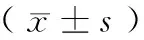
表2 3組血脂水平比較
注:與健康對(duì)照組比較,*P<0.01;與非活動(dòng)組比較,#P<0.01
2.2 相關(guān)性分析 活動(dòng)期RA患者HDL-C、ApoA1與CRP、ESR、 RF呈明顯負(fù)相關(guān)(P<0.05或P<0.01);而TC、TG、LDL-C、ApoB與疾病活動(dòng)性無明顯相關(guān)性(P﹥0.05)。見表3。

表3 活動(dòng)期RA患者血脂與疾病活動(dòng)性的相關(guān)性分析
3 討 論
近年來多項(xiàng)研究證實(shí),RA患者心血管疾病發(fā)生率顯著高于普通人群, 心血管疾病成為RA患者的首要死亡原因[3]。與糖尿病類似,RA可能是心血管疾病一個(gè)獨(dú)立的危險(xiǎn)因素[4]。血脂異常在RA患者中相當(dāng)普遍[5~7],這也可能部分解釋RA患者高發(fā)心血管疾病的原因。血脂代謝紊亂是心血管疾病的一項(xiàng)高危因素。尤其新近HDL-C在心血管疾病中的作用受到重視。HDL-C通過膽固醇的逆向轉(zhuǎn)運(yùn)將多余的膽固醇從外周組織運(yùn)輸至肝臟中代謝分解,阻止LDL-C氧化;同時(shí)阻止單核吞噬細(xì)胞在血管內(nèi)皮細(xì)胞上黏附,減少血小板的聚集,抗血栓形成,最終達(dá)到抗動(dòng)脈硬化的作用。大量流行病學(xué)研究表明,低HDL-C可促進(jìn)動(dòng)脈硬化的形成,從而導(dǎo)致心血管疾病的發(fā)生,低HDL-C是公認(rèn)的冠心病危險(xiǎn)因素之一[8]。
活動(dòng)期RA患者體內(nèi)存在脂質(zhì)代謝異常,多項(xiàng)研究表明其血脂譜表現(xiàn)為低HDL-C[6]。本研究結(jié)果提示,活動(dòng)期RA患者HDL-C水平顯著低于健康對(duì)照組。荷蘭的CARRE研究提示活動(dòng)期RA患者心血管發(fā)病率高達(dá)13%[4],而HDL-C作為心血管疾病公認(rèn)的危險(xiǎn)因素之一,活動(dòng)期RA患者的HDL-C水平是心血管病高發(fā)病率的重要因素之一。而我們對(duì)炎性指標(biāo)的研究發(fā)現(xiàn),CRP、ESR與HDL-C呈負(fù)相關(guān),可見RA的炎性反應(yīng)活動(dòng)與體內(nèi)脂質(zhì)代謝異常相關(guān),提示炎性反應(yīng)在RA血脂異常中可能起重要作用。Shrivastava等[9]的研究表明RA表現(xiàn)為骨骼肌流失導(dǎo)致的體細(xì)胞喪失,以大量炎性因子的產(chǎn)生為顯著特點(diǎn)。這可能與炎性介質(zhì)導(dǎo)致細(xì)胞的分解代謝作用增強(qiáng)、肝內(nèi)合成受抑、網(wǎng)狀內(nèi)皮功能活躍導(dǎo)致脂質(zhì)清除加快等因素有關(guān)[10,11]。RA本身的慢性全身性炎性反應(yīng)使機(jī)體合成膽固醇能力下降,導(dǎo)致卵磷脂膽固醇酰基轉(zhuǎn)移酶(LCAT)、膽固醇酯轉(zhuǎn)運(yùn)蛋白(CETP)合成不足,而LCAT正是介導(dǎo)HDL-C成熟必要的酶。由于相關(guān)合成酶的生成受阻,阻礙了HDL-C的合成。肝功能損害越嚴(yán)重,HDL-C水平越低[12];同時(shí)RA患者體內(nèi)巨噬細(xì)胞功能紊亂,慢性炎性反應(yīng)影響腸道吸收及合成功能,從而造成腸道合成HDL-C減少。RA患者體內(nèi)存在的大量炎性因子,如白細(xì)胞介素-1、腫瘤壞死因子-α等細(xì)胞因子可抑制葡萄糖轉(zhuǎn)運(yùn),加速脂肪分解,增加血游離脂肪酸水平,拮抗過氧化物酶增殖活化受體(PPAR)對(duì)血脂的作用[13],從而減少HDL-C產(chǎn)生。與HDL-C結(jié)合的ApoA1能阻抑細(xì)胞間的接觸, 抑制單核巨噬細(xì)胞的活化和釋放白細(xì)胞介素-1、腫瘤壞死因子-α等炎性因子[14],因此,本結(jié)果顯示活動(dòng)期RA患者ApoA1明顯降低。炎性因子在RA的起病、發(fā)展過程中有著重要的作用;同時(shí)參與了RA的動(dòng)脈粥樣硬化過程。而大量研究也證實(shí)RA全身炎性反應(yīng)的程度與心血管病變的發(fā)生發(fā)展密切相關(guān)[15]。
RA患者體內(nèi)HDL-C水平降低,加之多種炎性因子產(chǎn)生增多,促進(jìn)了動(dòng)脈硬化的發(fā)展,提高了RA患者發(fā)生心血管事件的風(fēng)險(xiǎn)。2010年,“歐洲類風(fēng)濕關(guān)節(jié)炎及其他形式的炎性關(guān)節(jié)炎患者心血管風(fēng)險(xiǎn)管理的推薦意見”[16]指出:所有RA患者應(yīng)根據(jù)指南每年平均行1次心血管病風(fēng)險(xiǎn)檢查,如改變其治療方案,則應(yīng)重新進(jìn)行風(fēng)險(xiǎn)評(píng)估。臨床上治療RA,應(yīng)注意監(jiān)測(cè)患者的血脂水平,及時(shí)給予藥物干預(yù),降低其心血管事件的發(fā)生率。
1 Sandoo A,Chanchlani N,Hodson J,et al. Classical cardiovascular disease risk factors associate with vascular function and morphology in rheumatoid arthritis: a six-year prospective study[J].Arthritis Res Ther,2013,15(6):R203.
2 Anderson J,Caplan L,Yazdany J,et al. Rheumatoid arthritis disease activity measures:American College of Rheumatology recommendations for use in clinical practice[J] . Arthritis Care Res,2012,64(5):640-647.
3 Desai SS,Myles JD,Kaplan MJ. Subpotimal cardiovascular risk factor identification and management in patients with rheumatoid arthritis: a cohort analysis[J].Arthritis Res Ther,2012,14(6):R270.
4 Stamatelopoulos KS,Kitas GD,Papamichael CM,et al.Atherosclerosis in rheumatoid arthritis versus diabetes: a comparative study[J].Arterioscler Thromb Vasc Biol,2009,29(10):1702-1708.
5 Choy E,Sattar N.Interpreting lipid levels in the context of high-grade inflammatory states with a focus on rheumatoid arthritis:a challenge to conventional cardiovascular risk actions[J].Ann Rheum Dis,2009,68(4):460-469.
6 Steiner G,Urowitz MB.Lipid profiles in patients with rheumatoid arthritis:mechanisms and the impact of treatment[J]. Semin Arthritis Rheum,2009,38(5):372-381.
7 Nurmohamed MT. Atherogenic lipid profiles and its management in patients with rheumatoid arthritis[J].Vasc Health Risk Manag,2007,3(6):845-852.
8 姚武位,陳慶偉,柯大智.高密度脂蛋白膽固醇和冠心病的相關(guān)性研究[J].重慶醫(yī)科大學(xué)學(xué)報(bào), 2009,34(11):1510-1513.
9 Shrivastava AK,Pandey A.Inflammation and rheumatoid arthritis[J].J Physiol Biochem,2013,69(2):335-347.
10 臧謀圣,徐勝前.瘦素和瘦素受體在類風(fēng)濕性關(guān)節(jié)炎及其骨質(zhì)疏松發(fā)病機(jī)制中的研究進(jìn)展[J].中國(guó)醫(yī)藥,2010,5(3):281.
11 閆慧明,王永福.不同年齡類風(fēng)濕關(guān)節(jié)炎患者臨床特征分析[J].中國(guó)全科醫(yī)學(xué),2012,15(7):2259.
12 Joy T,Hegele RA.The end of the road for CETP inhibitors after toreetrapib[J].Curr Opin Cardiol,2009,24(4):364-371.
13 張莉,楊永健.過氧化物酶體增殖物激活受體抗動(dòng)脈粥樣硬化研究進(jìn)展[J].中國(guó)心血管雜志,2012,17 (1):76-78.
14 Scamu A,Molnarfi N,Brandt KJ,et al. Stimulated T cells generate microparticles,which mimic cellular contact activation of human monocytes:differential regulation of pro-and anti-inflammatory cytokine production by high-density lipoproteins[J] . J Luckoc Biol,2008,84(4):921-927.
15 Frosteqard J. Atherosclerosis and cardiovascular disease in rheumatoid arthritis[J].J Rheumatol,2012,39(12):2233-2234.
16 Peters MJ,Symmons DP,McCarey D,et al. EULAR evidence-based recommendations for cardiovascular risk management in patients with rheumatoid arthritis and other forms of inflammatory arthritis[J].Ann Rheum Dis,2010,69(2):325-331.
有效數(shù)字的確定

Thecharacteristicsofserumlipidsinactivityrheumatoidarthritis
JIANGYi,WANGSikun,CHENSu,HUXiaojun,SUNYueling.
DepartmentofCardiology,XinhuaHospitalofHubeiProvince,Wuhan430015,China
ObjectiveTo observe the characteristics of serum lipids in activity rheumatoid arthritis (RA) and investigate its clinical significance.MethodsSelect active RA patients (active group) 40 cases, non-active RA patients (inactive group) 36 cases, and healthy control group of 30 patients, while the subjects serum total cholesterol (TC), triglyceride (TG), high-density lipoprotein cholesterol (HDL-C), low density lipoprotein cholesterol (LDL-C), apolipoprotein A1(ApoA1), apolipoprotein B (ApoB) and C reactive protein (CRP), rheumatoid factor (RF), erythrocyte sedimentation rate (ESR) were detected.ResultsCompared with the healthy control group, two groups of RA patients' HDL-C, ApoA1decreased significantly (P<0.01), ESR,CRP,RF increased significantly(P<0.01),and the active group changed more obvious than the inactivity group (P<0.01), and TC, TG, LDL-C, ApoB in 3 groups showed no statistically significant (P>0.05); HDL-C, ApoA1presented significant negative correlation with CRP, ESR, RF (r=-0.634,r=-0.901,r=-0.485,r=-0.625,r=-0.520,r=-0.236,P<0.05 orP<0.01); TC, TG, LDL-C, ApoB and disease activity was not significant correlated (P>0.05).ConclusionIn the active phase of RA, serum HDL-C and ApoA1levels decrease significantly, this change is closely related with the disease activity.
Arthritis,rheumatoid; Serum lipid; Serum lipids
430015 武漢,湖北省新華醫(yī)院心內(nèi)科
10.3969 / j.issn.1671-6450.2014.05.018
2014-02-18)
猜你喜歡
中老年保健(2022年6期)2022-08-19 01:42:24
保健醫(yī)苑(2021年7期)2021-08-13 08:47:50
基層中醫(yī)藥(2021年12期)2021-06-05 06:56:32
家庭醫(yī)學(xué)(下半月)(2019年11期)2020-01-16 08:39:10
醫(yī)學(xué)新知(2019年4期)2020-01-02 11:03:54
云南醫(yī)藥(2019年3期)2019-07-25 07:25:06
中國(guó)生殖健康(2019年3期)2019-02-01 06:12:32
河北醫(yī)學(xué)(2016年5期)2016-12-01 03:58:56
現(xiàn)代檢驗(yàn)醫(yī)學(xué)雜志(2015年4期)2015-02-06 02:02:07
中國(guó)藥業(yè)(2014年24期)2014-05-26 09:00:30