THE HAZY WORLDOF COAL
2014-03-01 03:18:36BYTERENCEHSIEH謝燕輝
漢語世界 2014年1期
BY TERENCE HSIEH (謝燕輝)
THE HAZY WORLDOF COAL
BY TERENCE HSIEH (謝燕輝)
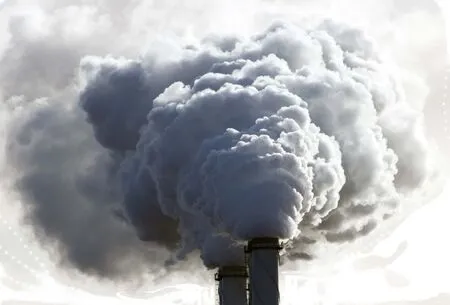
With winter in full swing,environmental minds focus on coal
燒出來的霧霾
The consumption of coal is the one of the most polluting industries in Beijing, second only to automobile use, making up 16.7 percent of the average annual particulate matter hanging over the city. In 2012 alone, just over 23 million tons of coal were consumed by Beijingers alone for electricity, heating, and cooking (that includes the beloved long-stovepipe hotpots and Korean barbeques) and other uses. The result of such high coal consumption is a hazy cloud of pollutants, or particulate matter—some of which are dubbed PM 2.5, meaning particlesthat do not exceed 2.5 micrometers in length. These harmful particles and the smog they make up hang over Beijing on days when the north winds fail to blow. The PM 2.5 is measured by multiple sensors around the city (and country) that give pollution readings that are widely available online and through mobile applications. In recent years, the coal pollution intensif i ed, culminating in a brutal January 18, dubbed the “Airpocalypse”, which saw pollution levels rise to over 40 times the acceptable levels set by the WHO. As a testament to the intensity of pollution in the past year, Beijing's expatriates have been slowly fi ltering out of the city, choosing to leave jobs and livelihoods and return home to get themselves and their children away from Beijing's smog. Hospital visits for respiratory infections have spiked to nearly 3,000 visits a day.
As a country with an abundance of coal, China continues to rely on it as a natural energy resource, with an untapped reservoir of just under 110 billion tons in the northwest regions of China. The nation generates 80 percent of its annual electricity from coal, or 3.2 trillion kilowatts, according to a white paper by the World Nuclear Association.
China's coal production is no longer a state-owned enterprise and is increasingly dominated by privately-owned coal companies, seven of which produce more than 110 million tons of coal per year. This has been accompanied by a fall and then rise in government regulation that has worked toward improving workplace safety and quality control. These large, higher-regulated coal mines, however, are not the only place where coal is produced. Small-scale coal mines have been faltering in and out of existence since the 1980s, during which time the government began a policy of encouraging coal mining whenever and wherever possible in order to mitigate an impending energy crisis.
Professor Wang Shaoguang of the Chinese University of Hong Kong, who specializes in workplace safety for coal mines, writes in theJournal of Contemporary China,“Following the central agenda, local governments gave the green light to just about anyone who wanted to sink a shaft: townships, villages, individual cadres, and farmers.”These Township or Village Enterprise, or TVE, mines had a huge economic impact on the coal industry, accounting for 18.3 percent of China's coal production in 1980, and a 70 percent of China's coal production increase from 1995 to 1996 come from TVE coal mines. ANew York Timesarticle estimates that unregulated coal mines make up 80 percent of China's 16,000 known mines.
While these small mines helped to mitigate the energy crisis that loomed over China's booming economy, born out of its gargantuan energy appetite, many of these coal mines continue to buck safety standards, including basic requirements for ventilation, hygiene, and structural safetyfor workers. Fatalities at TVE mines resulted in 4,000-5,000 deaths every year during the 1990s. Luo Lin, the chief of the State Administration of Work Safety, indicated that the number of coal mining deaths has been reduced to just over six a day, despite the closure of 1,000 of the most dangerous mines in 2012.

PM 2.5, or particulate matter under 2.5 micrometers, is measured with caution because of its ability to penetrate the lungs and enter the bloodstream. The WHO recommends a PM 2.5 of less than 50 PPM (Parts Per Million).
According to Wang, the fallout of coal accidents at small plants in the 1990s resulted in the government closing more than 50,000 of these small TVE mines and a massive decrease in coal production. China, more than ever, is looking to tame its massive energy consumption, but coal remains its primary source of untapped energy. At the same time, because of the environmental concerns surrounding the use of coal, the Beijing government has been looking to stamp down on its coal consumption by use of natural gas and other more environmentally friendly methods of energy production. In September 2013, the State Council released a plan to curb pollution by limiting coal consumption and vehicle use. However, the limits on coal consumption were very modest, hoping to keep China's coal-power to just 65 percent of overall consumption by 2017—down just two percent. Still, Beijing, Hebei, and Shandong provinces have pledged to reduce their coal consumption by 75 million tons by 2017, hoping to lead the charge in reducing coal dependence.
There are those who remain skeptical of China's ability to facilitate such a monumental drop in coal usage: Deutsche Bank warned of the huge cost to shift from burning coal to other natural resources—one that would potentially further affect industrial development in China. If China manages to lower its coal consumption, and follow through with accordant decreases in its large population centers, it could have huge effects on the global coal market, potentially even ceasing exports of coal to Australia and further lowering the global price of coal. While environmentalists may cheer for such measures, one should still remember that coal is often the cheapest source of energy, especially for developing countries. A decrease in exports of coal could affect the growth of industry for these third world countries. That being said, the environmental concerns surrounding the use of coal as an energy resource have become blatantly apparent, more so to Chinese off i cials in recent months. After all, whether you're the premier or just one of the people, we all breathe the same air.
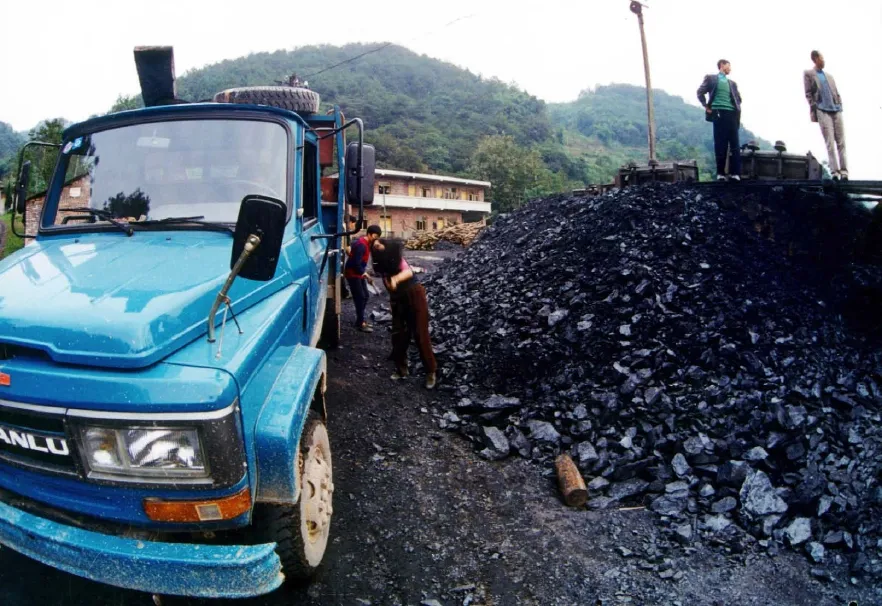
Small coal mines play a serious role in China's growing pollution problem