中外攝影 文化交流合作的新平臺
2012-04-29 00:44:03戚永曄
文化交流 2012年5期
關鍵詞:杭州
戚永曄

2012年3月20日到25日,一場在杭州揭曉的攝影大賽評選活動,為這座婉約之城添加了深沉而有力的元素——第八屆國際新聞攝影比賽(簡稱“華賽”)在這里揭曉,無數優秀攝影記者和攝影師,帶著他們角度獨特、內容犀利的作品,來到杭州接受世界各國評委們的審閱和終評。幾天的時間里,“華賽”成了回蕩在這座城市上空響亮的聲音。
我沒有錯過激烈的評選過程和盛大的揭曉儀式。“華賽”迄今為止已經舉辦七屆,積累了相當國際性、學術性和公信力的“華賽”,第一次距離我那么近。
從浙江走出來的攝影師和作品
在國內外眾多獲獎者中,我們看到了不少身邊的熟悉身影。浙江日報的攝影記者吳煌就是其中之一,他拍攝的組照《音樂節上的年輕人》獲得了文化及藝術類新聞組圖優秀獎。
因為工作原因,我曾多次向吳煌約稿,這位年輕而爽朗的攝影師總是有求必應,周圍的人都被他對文藝、音樂、潮流這些關鍵詞的喜好所感染。吳煌拍攝的作品忠實呈現了在杭州太子灣公園舉辦西湖國際音樂節期間,近萬名年輕人盡情享受著音樂、啤酒、草地帶給他們的快樂的場面,讓人過目難忘。
另一位曾在《都市快報》工作的攝影記者賈代騰飛也很吸引眼球,一組名為《搖晃的財富——民間借貸風波下的溫州》的照片,擊敗了無數優秀的外國攝影師,獲得經濟及科技類新聞組圖金獎。
在旁人的介紹下,我很驚訝地發現,原來這位金牌攝影師2005年才剛剛畢業。但年輕并不意味著作品分量不夠——2011年,他的照片《我們還年輕》榮獲中國國內新聞攝影金鏡頭獎。今年情人節前夕,他拍攝的《流水線上的愛情》還被中央電視臺《新聞周刊》欄目報道,并被騰訊網、《中國青年報》等媒體轉載。這次他的華賽獲獎組照,則反映了被譽為社會主義市場經濟“先行者”的溫州民營經濟,在時下社會背景下的行業百態。
有人告訴我,賈代騰飛這組照片,其實真正打動評委的有兩張:一是長相酷似鄧小平、又滿懷對改革開放的總設計師愛戴之情的溫州東方打火機執行董事李中堅,在自己的工廠內身著特型服裝,準備出演影視劇;另一張是少年時就開始研習武術的溫州挺宇集團董事長潘挺宇在車間里展示自己的南派刀法,這位有趣的企業家創業后一直以南拳作為特有的企業文化。兩張照片都沒有復雜的攝影技巧,卻實實在在記錄了兩位溫州企業家的形象,并窺斑見豹,打造出“會說話的照片”之效果。
此外,來自青年時報、溫州日報、今日早報等浙江省內報社的攝影記者們紛紛在今年的華賽中獲獎。而他們鏡頭中精心記錄的錢塘潮、蒼南再生棉加工、杭州樓盤等題材的作品,也讓今天的浙江以更多元化的圖像展現在國內外新聞工作者和攝影愛好者面前。
越來越積極的題材和立意
除了關于浙江、杭州的題材如黑馬般躍進了國內外攝影愛好者的眼中之外,走讀整個華賽評獎過程,不難感覺到,江南佳麗地的山水風情,也影響著評委們對獲獎作品題材和立意的評判。
路透社記者高潤·托馬斯維克的作品《利比亞沖突》獲得2011年度新聞照片大獎。中國新聞攝影學會主席、華賽組委會主席于寧認為該圖片反映了人們對戰爭災難的抗爭,對和平與發展的渴望。除了大獎之外,于寧對其他作品也不吝贊美,他說,獲獎作品展現了過去一年人類社會經濟、政治、文化生活的現實圖景。鏡頭捕捉的一瞬,凝聚著攝影師的心血,蘊藏著他們堅定的信念與忘我精神。
今天來到了杭州西湖邊的“華賽”,相比于世界上另一項攝影大獎——“荷賽”來說,后者傾向于反映人類的苦難和困頓;而前者的主題“和平與發展”則更加積極。從某種角度來說,二者一揚一抑、形成互補。顯然,山水清麗的杭州,有著很多讓“華賽”落地于此的理由。
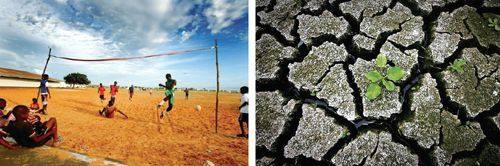
來自《武漢晚報》的王翮也是我早就熟識的攝影記者。他拍攝的武漢東湖山水風光,曾多次讓我驚嘆不已。沒想到這次,他以組照《中國南方旱澇急轉》奪得非戰爭災難類重大新聞組照銀獎,同時這也是本屆“華賽”上唯一獲得該類獎項的作品。
《中國南方旱澇急轉》講述了2011年由于受到“拉尼娜”現象的影響,極端氣候頻頻發生。4月,長江中下游94.5%地區先后遭受干旱。長江部分航道水位跌破15米枯水線,上千萬畝禾苗枯萎;湖北1300座水庫低于“死水位”。329萬人飲水困難。進入6月份,長江中下游地區出現了較強降水,湖北、湖南等地降下大到暴雨,導致出現旱澇急轉。
原本這是一個充滿了災難色彩的題材。但在王翮的鏡頭下,卻截取了這樣幾個畫面:一株嫩綠色植物的幼苗在干涸的河床上生長;垂釣者與鵝群共享干涸之后魚群豐富的河道水洼;水位持續下降、不斷顯露灘涂的長江上漁民準備捕魚;一名司機從幾乎被淹沒的汽車里向外張望;武漢東湖水位暴漲后,武漢大學的畢業生穿著長袍在被淹沒的石橋上玩耍。
每一個畫面,都呈現出災難背后,人和自然難能可貴的樂觀向上的精神,而這種積極的立意,正是整個“華賽”中的強音。我問王翮:“獲得華賽銀獎后有哪些心得體悟?”他的回答很簡單,只有七個字:“紀實、深刻、有余味。”
中國同世界攝影交流合作的新平臺
確如王翮所言,深刻而有余味的積極立意,是這次落地于杭州的“華賽”最大亮點。
美國評委瑪麗安·戈龍已是二度來杭,她說:“華賽正在逐漸成長,組織水平提高得非常快,投來的稿件也越來越有意思。”
媒體發布會上,主辦方表示,這屆華賽,既是一次世界各國新聞攝影人的佳作同臺競技的公平大賽,也是中國的新聞攝影向世界展示、世界的新聞攝影向中國展示的最佳窗口,是中國的攝影人同世界各國攝影人交流合作的新平臺。通過華賽,中國攝影人進一步了解了世界,世界攝影人也進一步了解了中國。
根據主辦方提供的數據,這屆“華賽”,共收到來自世界五大洲50多個國家和地區、2300多位攝影記者和攝影師的近3萬幅作品,其中外國參評作品占總數的60%多,而其中,國內攝影師收獲頗豐,一共有25件中國作品獲獎,這一系列數據表現出“華賽”已成為當代中國攝影文化同當代世界攝影文化緊密溝通的一座橋梁,所形成的“華賽精神”,對于當今世界迅猛發展的圖像文化、視覺文化起到積極的推動作用。
在賽后,我又很欣喜地得知,這種推動作用還會在很長一段時間里對浙江和杭州產生影響。這次活動主辦單位之一的杭州西湖博覽會辦公室副主任黃峰告訴我,杭州市還有意把“華賽”的后續工作納入西湖博覽會的項目之中。“在今年10月舉行的西湖博覽會期間,杭州市擬舉辦第八屆華賽頒獎典禮、華賽論壇和歷屆華賽獲獎作品展,使其在更多的百姓中產生影響,深刻改變我們的審美和生活,讓華賽成為浙江省和杭州市文化建設新的亮點。”
中國新聞攝影學會執行主席、第八屆華賽評委主席趙德潤也說,他還希望能把美麗的杭州打造成華賽之都。□
Drought Swings Fast to Flood in Southern China, by Wang He Eighth China International Press Photo Contest in Hangzhou
By Qi Yongye, our special reporter
From March 20 to 25, 2012, judges of the 8th China International Press Photo Contest gathered in Hangzhou, the capital city of east-ern Chinas coastal Zhejiang Province, to take a look at the entries from all over the world. China International Press Photo Contest is an annual photo event organized by China Photojournalists So-ciety. The first contest was held in 2005.
This year, more than 2,300 photojournalists from over 50 countries and regions submitted over 30,000 pieces. Foreign photographers contributed 60 percent of the total entries. At the eighth China International Press Photo Contest, themed "Peace and Development," 11 foreign and 5 Chinese photographers won the top prizes in eight categories.
Some photographers from Hangzhou won awards at this contest. Wu Huang, a photographer with Zhejiang Daily, won excellence award in the category of culture and art photography. His photos headlined “Young People at Musical Festival” offered insight into youth, energy and passion. The said music festival was West Lake International Music Festival last year held at Prince Bay Park on the West Lake. During the festival, young people hanged out there on the lawn, happy with beer and music. The photographs captured good moments of their happiness.
Jia Daiteng, a photojournalist with City Press of Hangzhou, won the gold medal for the category of business and technology with a set of photographs entitled “Fortune Vicissitudes: Wenzhou in Pri-vate Lending Crisis.”
I was surprised to learn that the gold-medal photographer was young. He graduated from collage in 2005 and he is now a hotshot photojournalist. In 2011, he won a top photojournalist prize in the category of domestic journalism. Before Valentines Day 2011, his photographs entitled “Romance on Assembly Lines” were pub-lished in News Weekly of CCTV and reprinted in various main-stream media. His entries for this contest offered a vivid insight into the flourishing private sector of Wenzhou, a port city in southern Zhejiang where private entrepreneurs broke boldly away from the planned economic mode in the early years of the reform. I was told that two in the set won the hearts of the judges. In one photograph is Li Zhongjian, the executive director of Oriental Lighters Group, who looks like Deng Xiaoping and works wearing special suit in his own factory, ready to appear in the shooting of a television drama. In the second photograph, Pan Tingyu, president of Tingyu Group of Wenzhou, shows his broadsword kongfu in a workshop. Jia Dait-eng used no fancy techniques to photograph the two entrepreneurs, but the pictures tell stories worth more than one thousand words.
In addition to Wu Huang and Jia Daiteng, photographers from local media such as Youth Times of Hangzhou, Morning News of Hangzhou, and Wenzhou Daily of Wenzhou also won top awards in various categories. They photographed, among other things, the magnificent tidal waves of Qiantang River, recycled cotton process-ing in Cangnan, and housing market in Hangzhou, revealing the colors and diversity of a general picture of Zhejiang to media work-ers both at home and from overseas.
Thinking of the prizewinning photographs I viewed during the contest, I noticed that Hangzhou as a scenic city in the south of the Yangtze River Delta exerted a subtle influence on the judges.
"War in Libya," the work of Reuters photojournalist Goran To-masevic, won China's international press photo contest. Yu Ning, the chairperson of the organizing committee of this contest, spoke highly of the prizewinning photo. He observed that it reflected peo-ples fight against war and disaster and their yearning for peace and development. Yu Ning spared no words to praise other prizewin-ning photographs, saying that these images depicted a real picture of economic, political and cultural life of humanity. These captured memorable moments and depicted the faith and commitment of these photographers.
The China International Press Photo Contest came to Hangzhou in 2012. For many, the city deserved the honor to host the impor-tant event. Compared with World Press Photo contest reflecting the hardships of humanity, the China International Press Photo Contest focused upon peace and development as its theme in 2012. The two themes were complimentary. The China International Press Photo Contest has now become a platform for communications and inter-actions between China and the rest of the world.
MaryAnne Golon, who used to work as Time magazines direc-tor of photography until June 30, 2008, has visited Hangzhou twice. She said that CHIPP was growing fast with better management and better contributions.
The organizing committee remarked that the contest provided a platform for fair competition and friendly exchanges of photo-journalists from all over the world and that it served as window for the world to examine the work of Chinese journalists. This contest promotes the mutual understanding between Chinese photographers and those from overseas. □
猜你喜歡
科學大眾(2023年17期)2023-10-26 07:38:38
幼兒畫刊(2022年11期)2022-11-16 07:22:36
玻璃纖維(2022年1期)2022-03-11 05:36:12
中國交通信息化(2021年4期)2021-07-21 09:23:34
杭州(2020年6期)2020-05-03 14:00:51
中國音樂教育(2017年2期)2017-05-20 10:20:28
傳媒評論(2017年12期)2017-03-01 07:04:58
汽車與安全(2016年5期)2016-12-01 05:21:55
中國衛生(2016年8期)2016-11-12 13:27:12
看天下(2016年24期)2016-09-10 20:44:10