生態農業培訓效果的耦合協調度研究
2024-12-31 00:00:00王瑾胡恩華
中國農機化學報
2024年7期
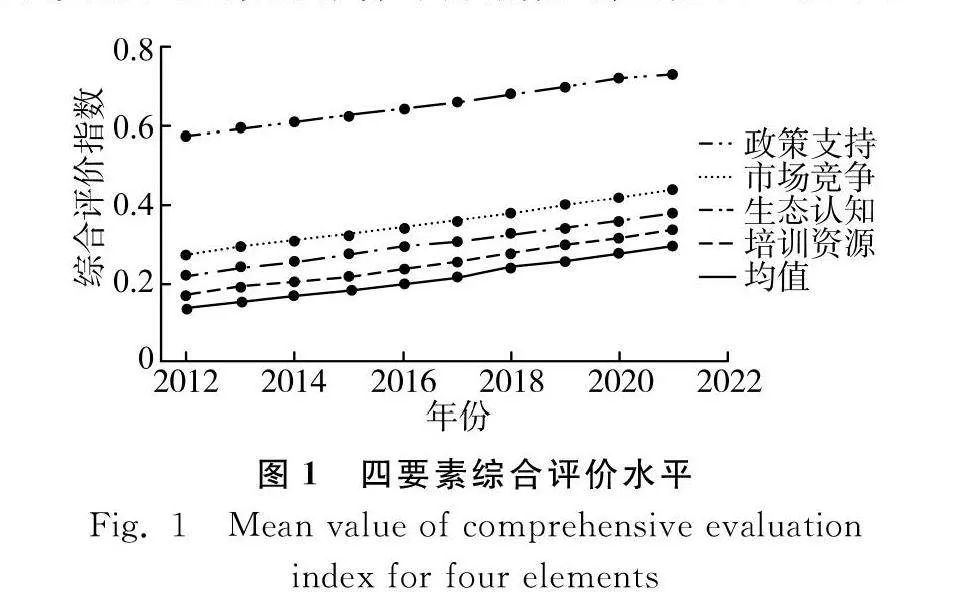
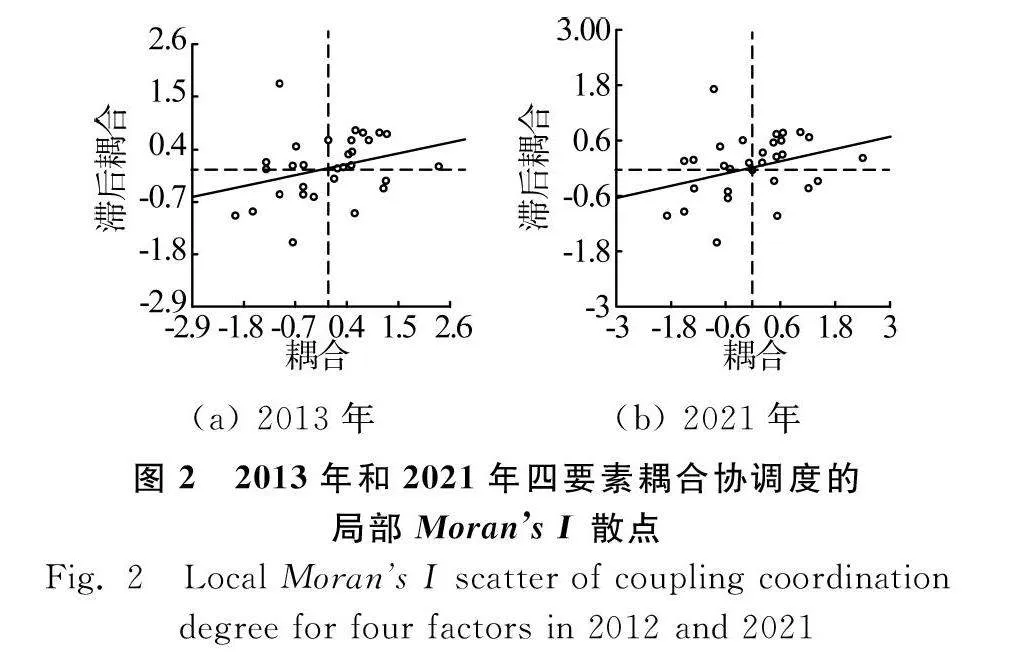

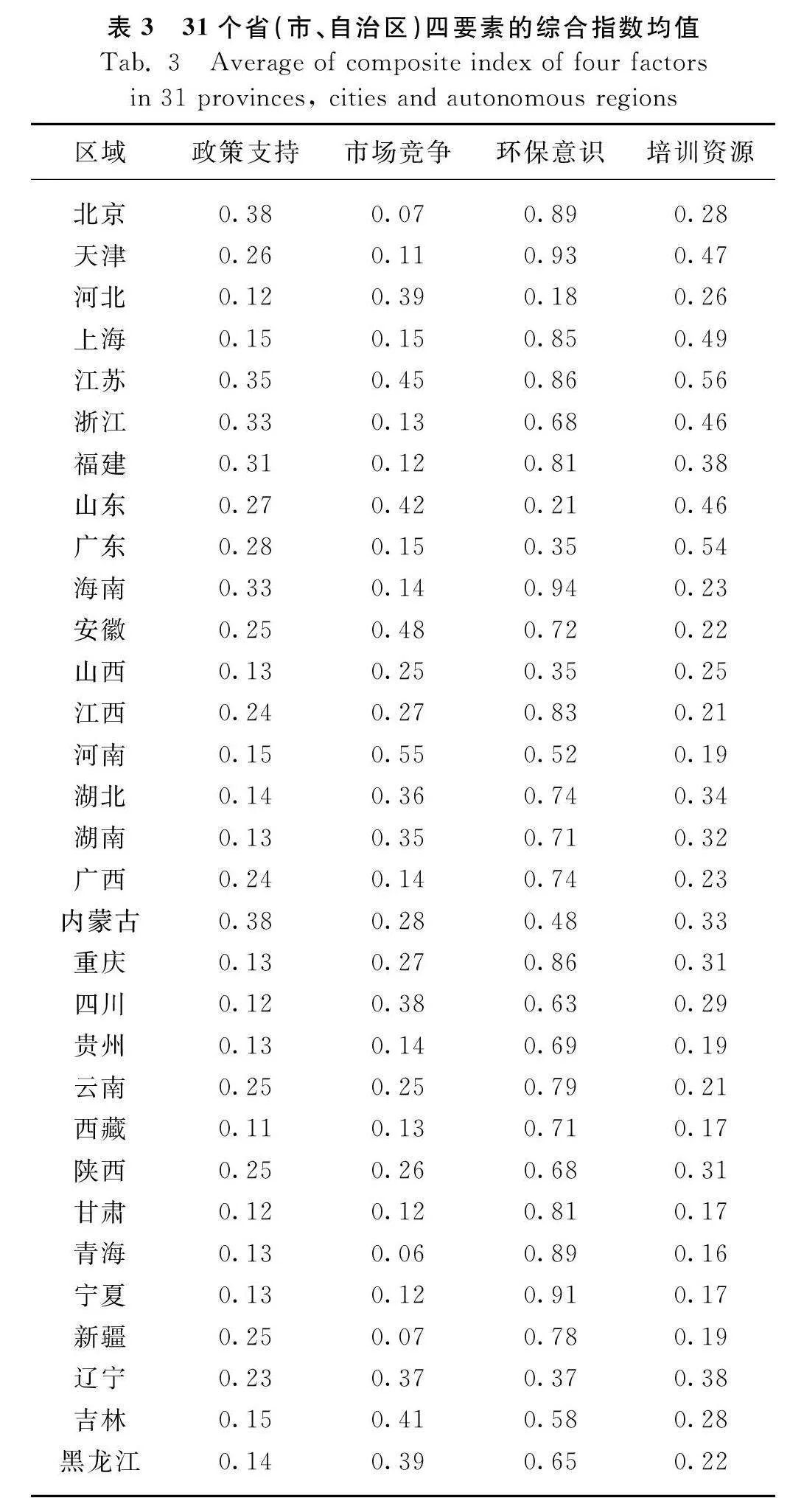
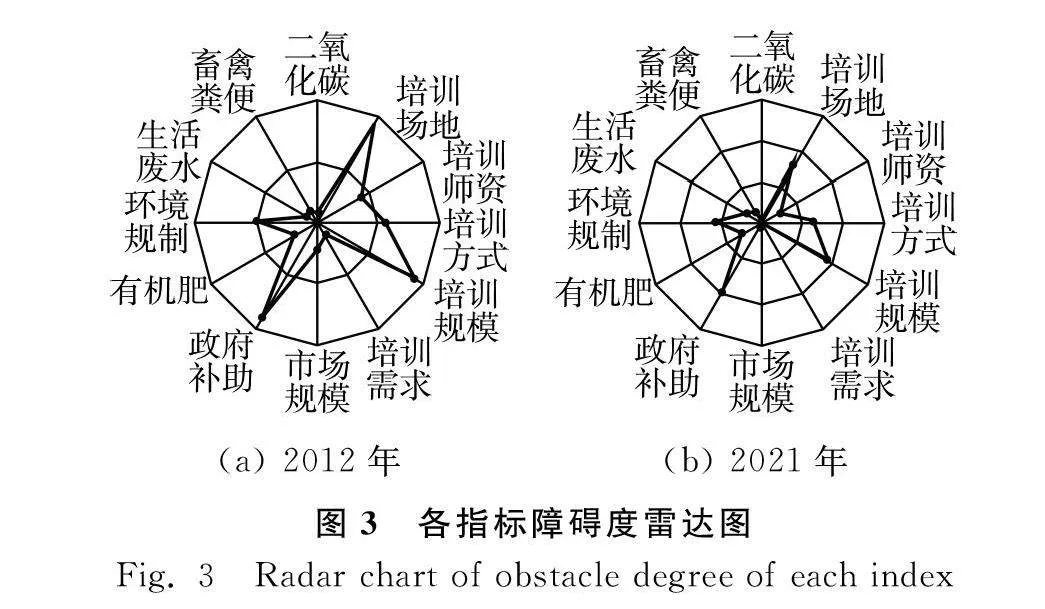
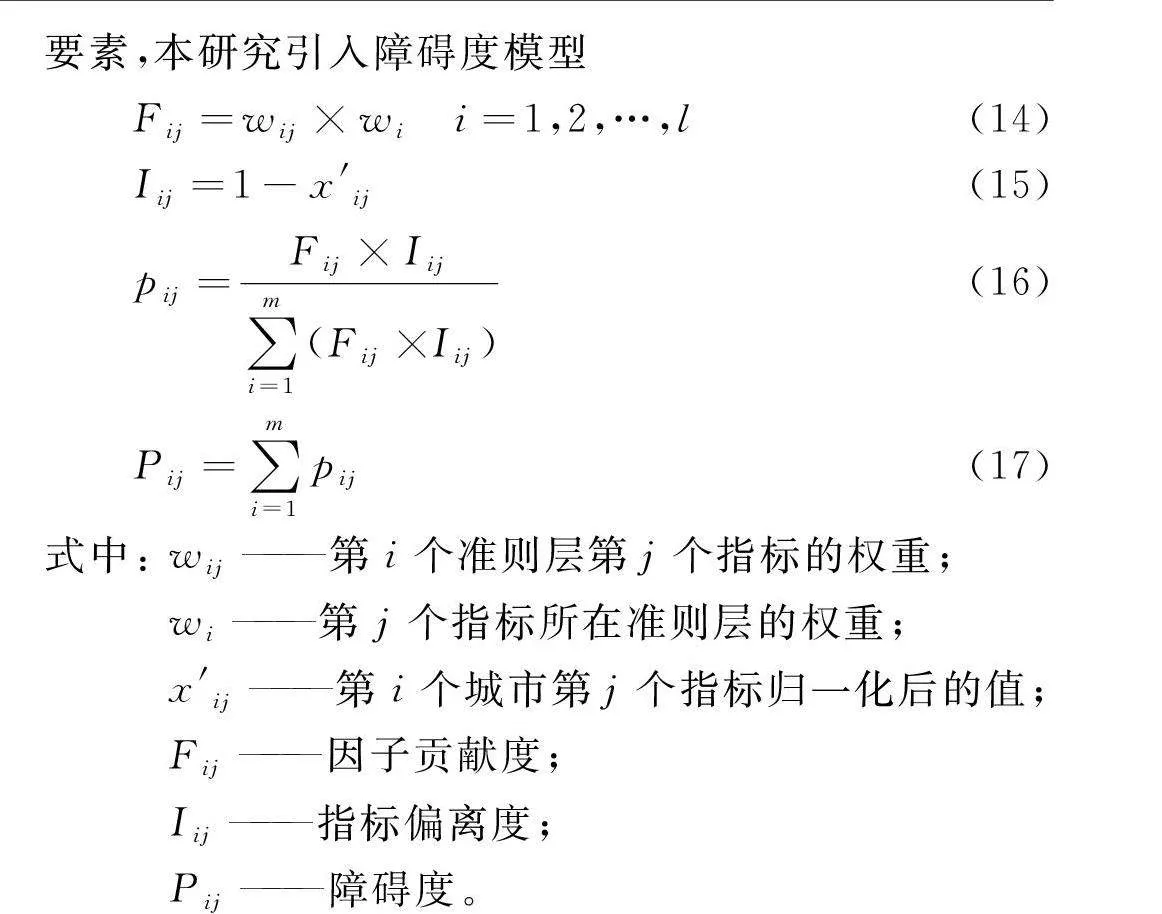
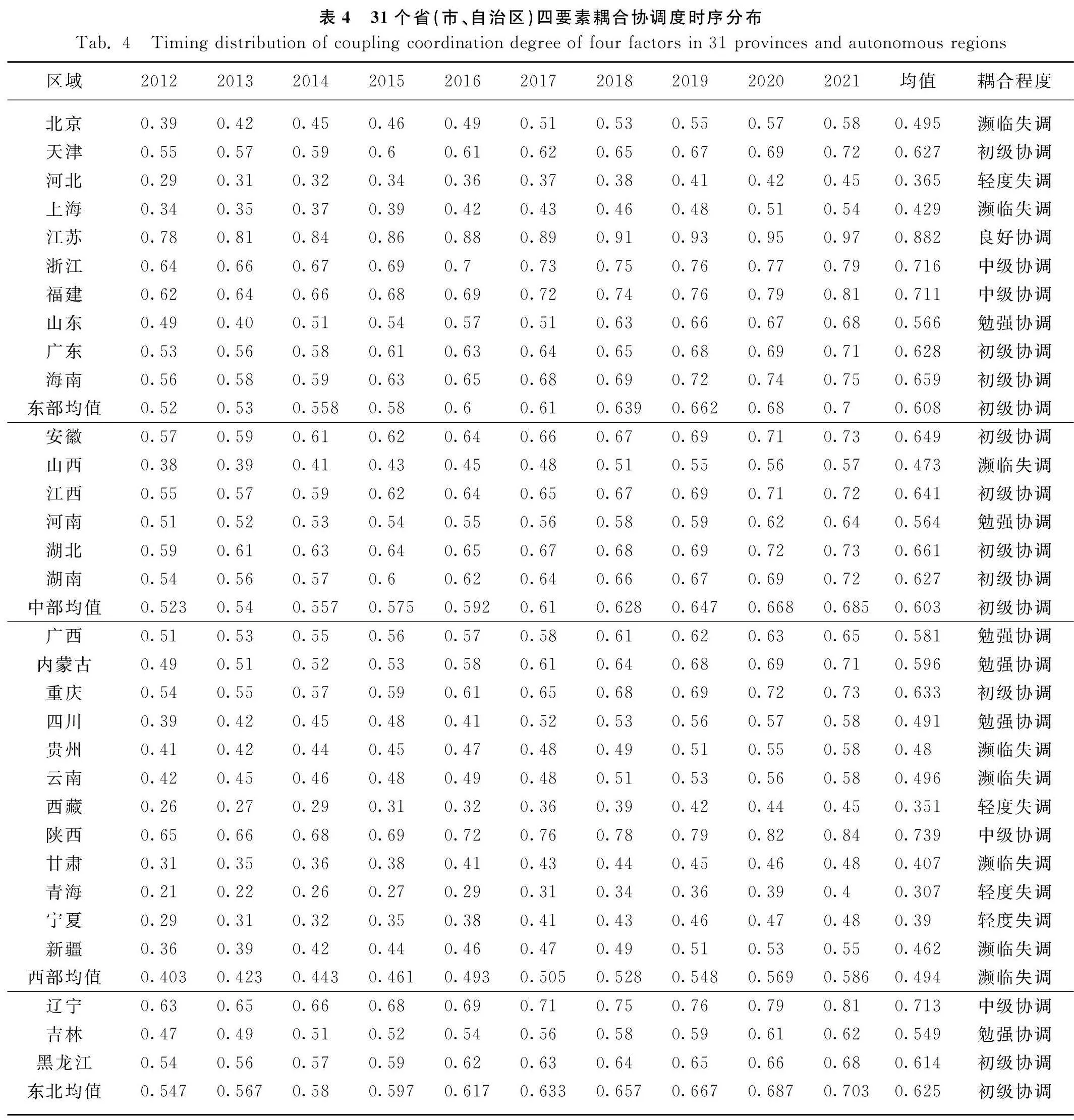
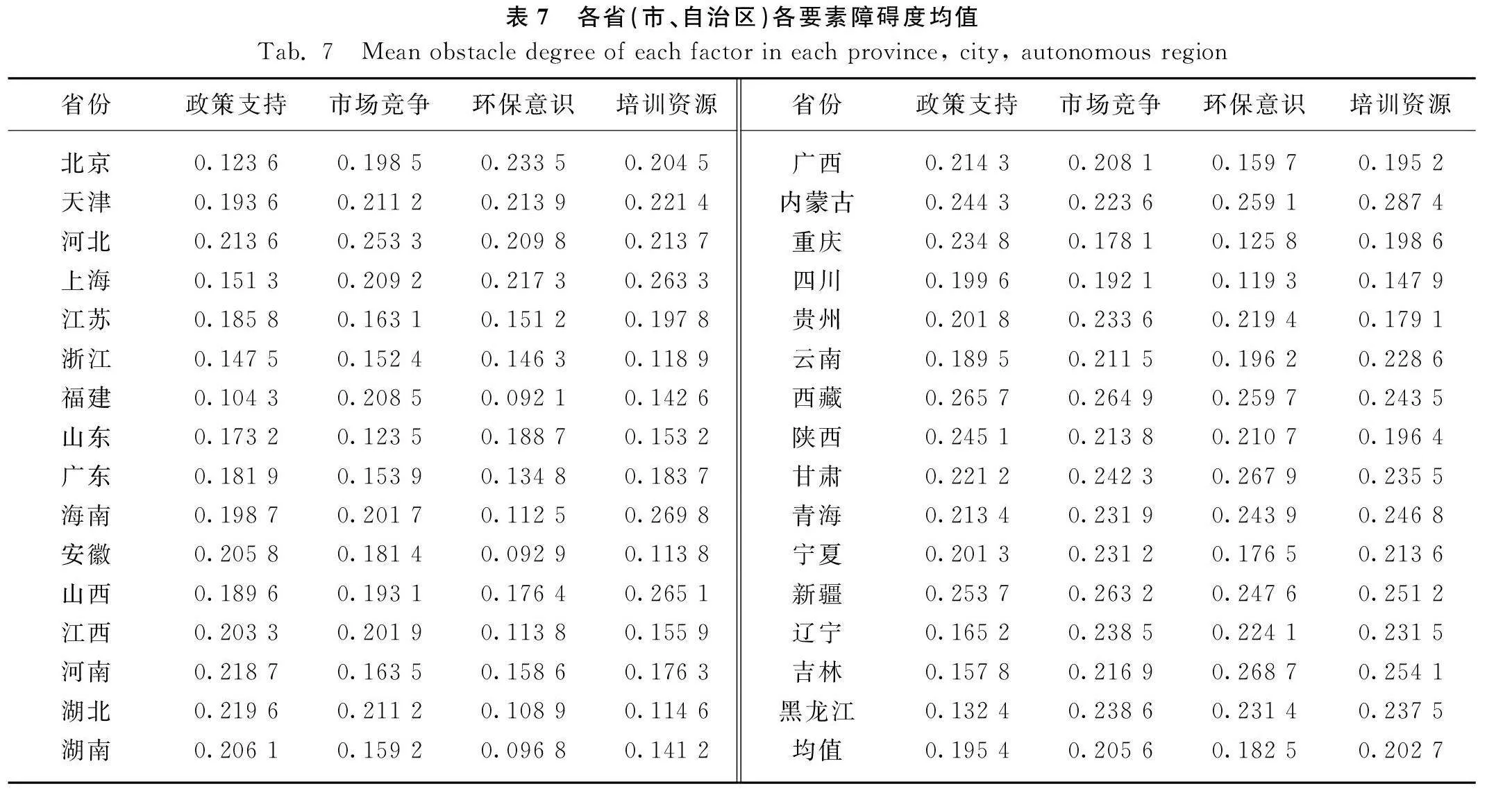
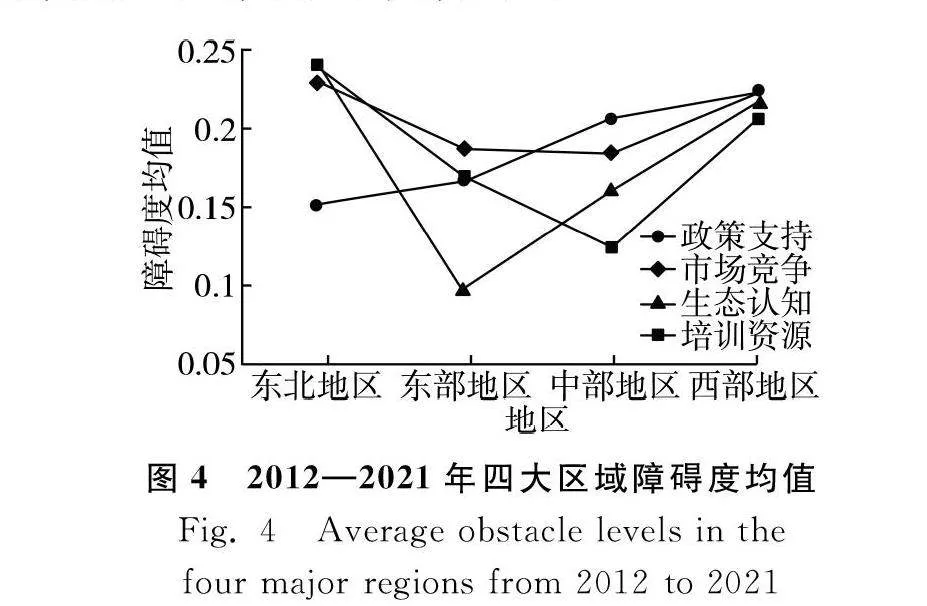
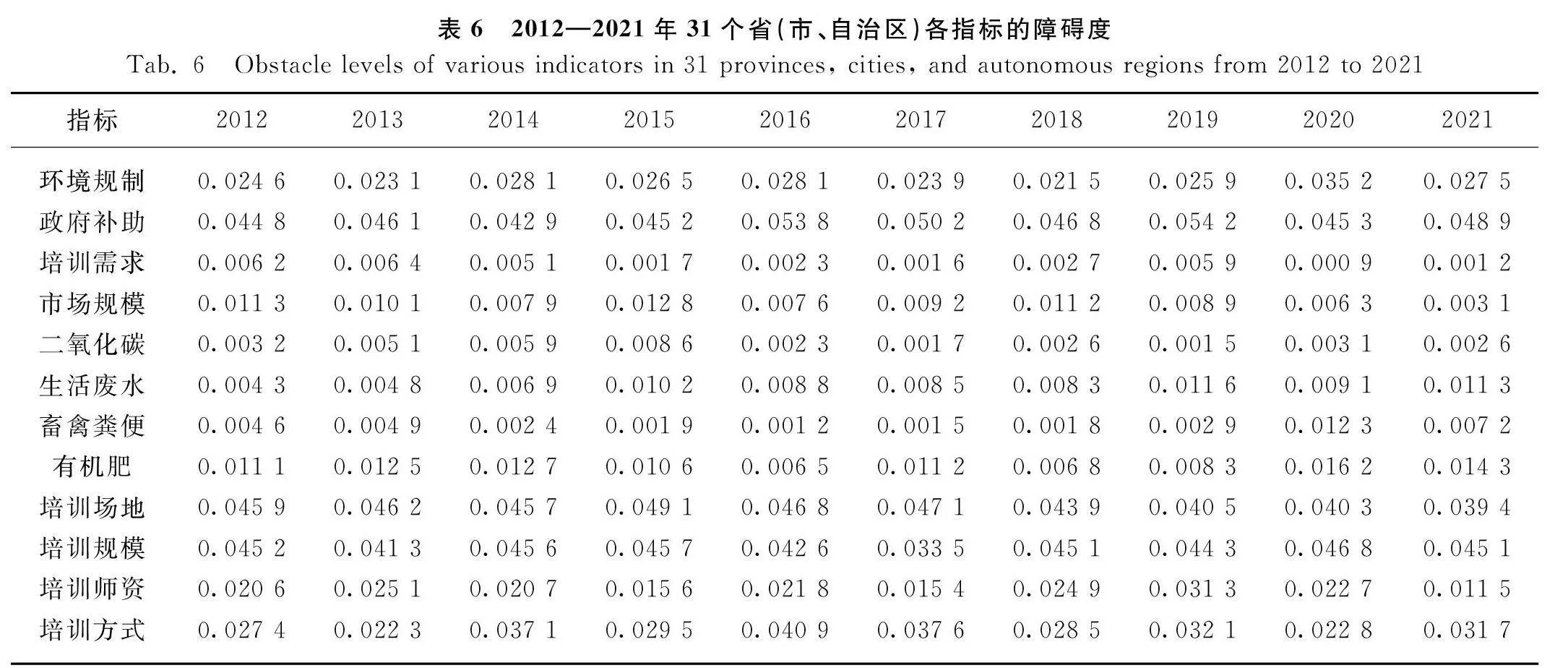
摘要:為未來生態農業培訓模式設計和創新實踐提供理論和現實依據,進而為農業高質量發展提供政策啟示,基于2012—2021年我國31個省(市、自治區)的相關統計數據,分析政策支持、市場競爭、環保意識、培訓資源四個要素之間的耦合協調關系。運用耦合協調度模型,構建影響生態農業培訓效果要素系統的協同度評價模型,分析政策支持、市場競爭、環保意識、培訓資源四個要素之間耦合協調的時空演變特征。在此基礎上,通過障礙度模型識別出制約生態農業培訓效果的關鍵因素,探究我國生態農業培訓效果影響要素耦合協調的變化趨勢與制約因素。研究發現:2012—2021年全國31個省(市、自治區)四要素耦合協調度整體表現為上升趨勢,由0.478增至0.565,增幅為36.61%,但耦合協調度相對較低;在空間分布方面,各省(市、自治區)四要素耦合協調度呈現顯著正相關;各要素障礙度由大到小依次為:市場競爭、培訓資源、政策支持、環保意識,影響各要素耦合協調的主要障礙因子為政策支持中的政府補助金額,市場競爭中的涉農院校數量,環保意識中的有機肥的投入量,培訓資源中的培訓場地面積。
關鍵詞:生態農業;培訓效果;耦合協調度;熵值法;障礙度
中圖分類號:F272.92
文獻標識碼:A
文章編號:20955553 (2024) 070291
11
Study on coupling coordination degree of ecological agriculture training effect
Wang Jin1, 2, Hu Enhua2
(1. Jiangsu Vocational College of Agriculture and Forestry, Zhenjiang, 212400, China;
2. School of Economics and Management, Nanjing University of Aeronautics and Astronautics, Nanjing, 211106, China)
Abstract:
In order to provide theoretical and practical basis for the design and innovative practice of ecological agriculture training model in the future, and then provide policy inspiration for high-quality agricultural development, based on the relevant statistical data of 31 provinces, cities and autonomous regions in China from 2012 to 2021, the coupling and coordination relationship among the four factors of policy support, market competition, environmental awareness and training resources was analyzed. In this study, the coupled coordination degree model was used to construct the evaluation model of the coordination degree affecting the factor system of ecological agriculture training effect,and the spatio-temporal evolution characteristics of the coupling coordination among the four factors of policy support, market competition, environmental awareness and training resources were analyzed. On this basis, the key factors limiting the ecological agriculture training effect were identified through the barrier degree model, and the changing trends and constraints of the coupling coordination of the elements affecting the ecological agriculture training effect in China were explored. The results showed that the coupling coordination degree of the four factors in the 31 provinces from 2012 to 2021, cities and autonomous regions of China was in an overall rising trend from 0.478 to 0.565, with an increase of 36.61%, but the coordination level was still not high, and it was in a state of barely coordinated development for a long time. In terms of spatial distribution, the coupling coordination degree of the four factors showed significant positive correlation among provinces and autonomous regions. The obstacle degree of each factor in descending order was as follows: market competition, training resources, policy support, environmental awareness, and the main obstacle factor affecting the coupling and coordination of various factors was the amount of government subsidies in policy support, the number of agricultural colleges in market competition, the amount of organic fertilizer input in environmental awareness and the area of the training venue in the training resources.
Keywords:
ecological agriculture; training effect; coupling coordination degree; entropy method; obstacle degree
0 引言
農業生態化是推動農業高質量發展、實施鄉村振興戰略的重要舉措。近年來,政府層面對生態農業發展問題給予了高度關注,如《“十四五”全國農業綠色發展規劃》和《全國農業可持續發展規劃(2015—2030)》等一系列文件鼓勵全國各地積極發展生態農業,進一步明確了生態農業、環境保護在推動農業高質量發展中的重要地位。……
登錄APP查看全文